
Reviewed · ANGKOR TEMPLE TOURS
2 Day Cambodia Private Guided Tour in Angkor Temples
Angkor Wat is only the beginning here. This two-day private tour takes you from the giant stone faces of Bayon and the tree-rooted halls of Ta Prohm to the fine pink sandstone carvings at Banteay Srei, with sunset at Phnom Bakheng added to the first day.
I like the freedom of a private vehicle and guide, especially when the heat rises and you need a drink, a rest, or a little more time at one temple. I also like the mix of famous monuments and quieter stops such as Ta Nei and Banteay Prei, which give you a better sense of Angkor beyond the standard highlights.
The main drawback is the pace. Day one is packed with major sites and ends at a popular sunset viewpoint, while day two covers a wide circuit of outlying temples. The Angkor Pass, lunches, and guide and driver tips are not included, so budget for those separately.
Key points to know before you book
- A private two-day schedule: Your own group travels with an English-speaking guide and private air-conditioned transport.
- Big sights and small temples: Angkor Wat, Bayon, Ta Prohm, and Banteay Srei share the program with Ta Nei and Banteay Prei.
- Sunset at Phnom Bakheng: The hilltop temple offers broad views over the Angkor area, though the end of day can be busy.
- Helpful guide service: Guides named Leap, Sara, and Rain received especially warm praise for clear explanations, humor, history, and photo help.
- Useful comforts: Hotel pickup and drop-off, cool drinking water, and fresh tissues are included.
- Extra costs: The Angkor Pass and meals are separate. Lunch dishes generally cost $3 to $10.
A strong two-day introduction to Angkor
This tour is built for you if you want the major Angkor temples but do not want to join a large coach group. The advertised price is $113.05 per person, which is a reasonable value for two days of private transport, a licensed guide, hotel transfers, and a long list of temples.
The real value is not simply the number of stops. Angkor is spread across a large archaeological park, and a good guide helps you understand why each place matters instead of leaving you to wander among stones with only a camera in hand. You also avoid arranging separate rides between distant temples.
The schedule is full. You will spend much of each day walking, climbing uneven steps, and moving between monuments. The private format helps, since your guide can adjust the rhythm within reason, but this is still an active sightseeing tour rather than a leisurely hotel-based excursion.
More Angkor Temple Tours in Siem Reap:
- Siem Reap Tour: Angkor Wat Sunrise, Bayon, Ta Prohm, Banteay Srei
★ 5.0 · 931 reviews - Siem Reap: Bike the Angkor Temples – Full-Day 30km Tour
★ 5.0 · 463 reviews - Angkor Wat one Day Private Tour for All Highlight Angkor Temples
★ 5.0 · 199 reviews
Day one: Angkor Thom, Bayon, and the jungle temples
Hotel pickup begins the morning. You provide your hotel name and address, and the guide and driver meet you in the lobby. Transport is by private air-conditioned vehicle, although one account describes a private group using tuk-tuks on the first day and a minivan on the second. Confirm the vehicle arrangement if that matters to you.
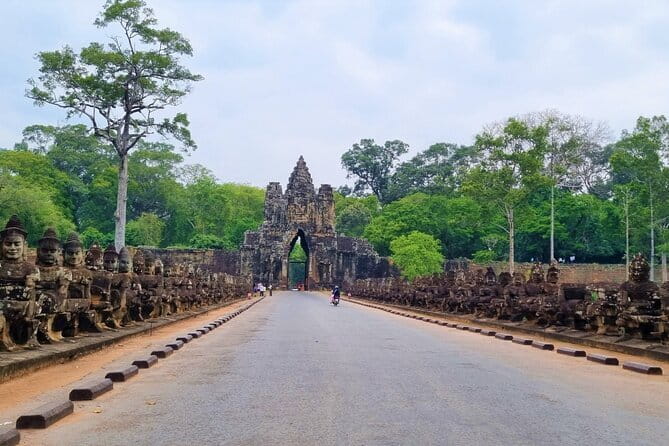
The first major stop is the South Gate of Angkor Thom, one of the most recognizable entrances in the park. Its restored gate and rows of figures make a good introduction to Khmer monumental art. Allow about 30 minutes here. It is mainly a photo and orientation stop, so do not expect a long temple visit.
Bayon and the heart of Angkor Thom
Bayon receives about an hour, and it deserves that time. The temple is famous for its serene stone faces, but your guide can also point out how the monument differs from the Hindu temples elsewhere in Angkor. It was built under Jayavarman VII as a Buddhist state temple, a useful reminder that Angkor changed with its rulers and religious life.
After Bayon, you continue through Angkor Thom itself. The itinerary allows about 30 minutes for the ancient capital, followed by Baphuon, Phimeanakas, the Terrace of the Elephants, and the Terrace of the Leper King.
Baphuon rises on a long sandstone base with five broad levels. Its scale is impressive, but the climb and uneven surfaces can be tiring. Phimeanakas is quieter and sits near the former Royal Palace area, making it more interesting when your guide explains the setting than when viewed alone.
The Terrace of the Elephants is a long ceremonial platform decorated with carved elephants and other figures. It is less about entering a temple and more about understanding how royal processions and public ceremonies fit into the old capital. The Terrace of the Leper King has particularly striking bas-reliefs, including carvings on inner and outer walls.
These stops are close together, so the first half of the day has a useful rhythm: short walks, brief climbs, and several different kinds of monument. Still, seven stops inside Angkor Thom can feel like a lot before lunch. If you want time for detailed photography, tell your guide early.
Ta Nei, a quieter break from the crowds
Ta Nei is a small late 12th-century temple dedicated to the Buddha and built during Jayavarman VII’s reign. It does not have the fame of Angkor Wat or Ta Prohm, but that is part of its appeal. With about 40 minutes here, you get a quieter look at a stone temple without spending the entire day at the most crowded sites.
This is the sort of stop that makes a private tour useful. A guide can explain why a smaller temple belongs in the larger Angkor story, and you can look closely at construction details rather than rushing through another famous entrance.
A few more Siem Reap half-days to weigh up
- Siem Reap: Angkor Wat 2-Day Tour with Sunrise and Sunset
★ 4.9 · 4,429 reviews - Angkor 2-Day Sunset & Sunrise Small-Group Tour
★ 5.0 · 2,567 reviews - 2 Days Exclusive Temple Highlights with Sunset and Sunrise Tour
★ 5.0 · 1,157 reviews - Siem Reap: Angkor Sunrise 1- or 2-Day Guided Temples Tour
★ 4.9 · 1,132 reviews
Ta Prohm and the power of atmosphere
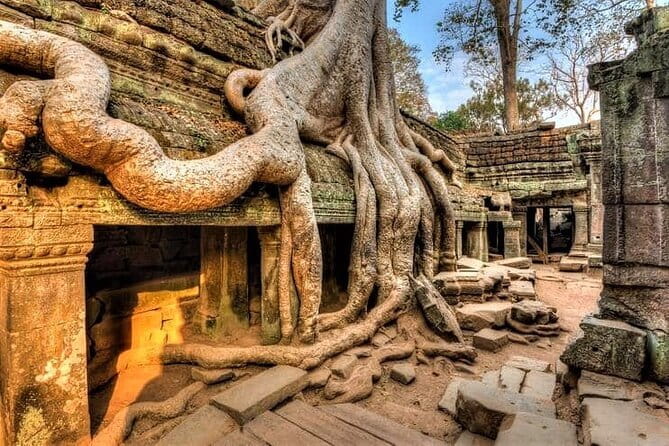
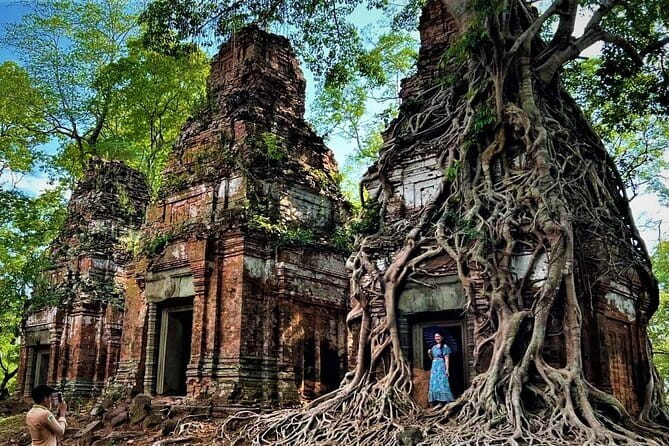
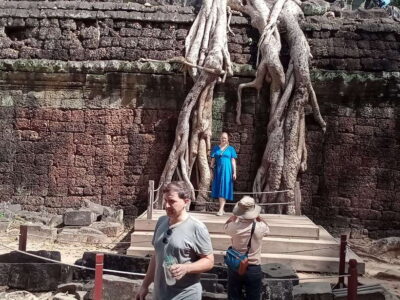
Ta Prohm gets about an hour. This is the temple associated with Tomb Raider, but its appeal goes beyond the film connection. Trees push through walls and courtyards, giving you a vivid sense of the struggle between forest and architecture.
The site has been left largely unrestored, apart from clearing visitor paths and strengthening unstable areas. That means the ruins feel raw, but it also means paths can be uneven and some sections may be restricted. Your guide can help you find the most striking carvings and tree-framed views without turning the visit into a quick photo stop.
Angkor Wat and Phnom Bakheng at day’s end
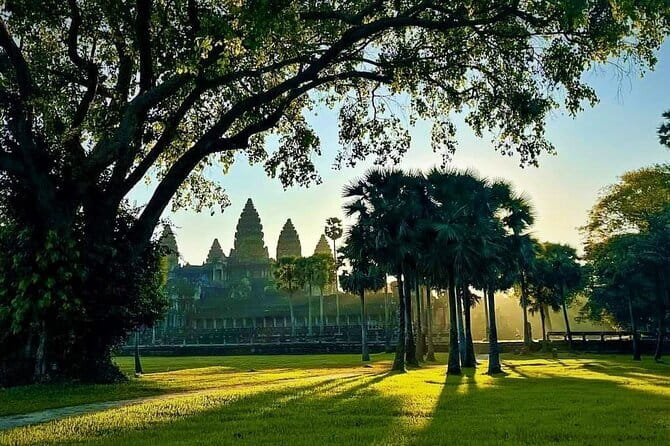
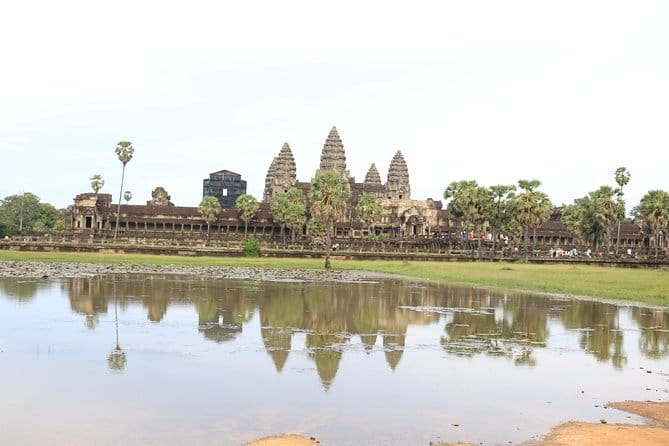
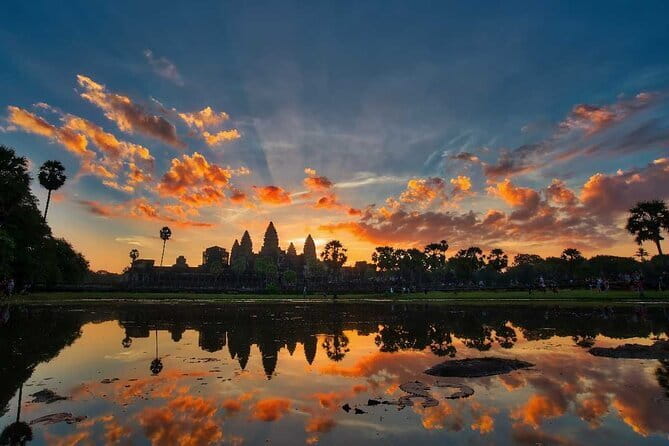
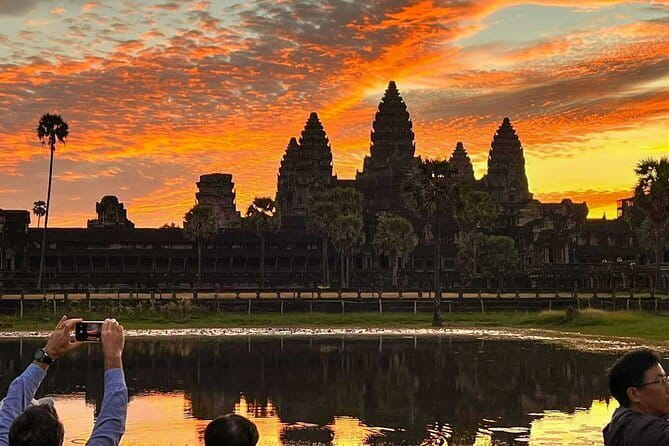
Angkor Wat receives about two hours, which is enough for a serious first look but not enough to inspect every gallery. You can expect time for the exterior composition, central towers, bas-reliefs, and the main approach. The monument is enormous, so sensible expectations matter. You will see the highlights rather than every carved panel.
Angkor Wat is the best-preserved and largest monument in the Angkor group. Its balance, scale, galleries, and sculpted scenes reward a guide who can explain what you are looking at. The strongest guides on this tour were praised for making history understandable without turning the day into a lecture. Leap, Sara, Rain, and others were singled out for clear explanations, warmth, humor, and help with photographs.
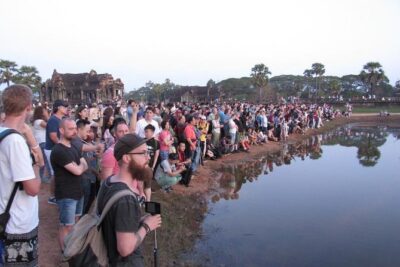
The day closes at Phnom Bakheng, the highest temple in the park. The hilltop setting gives you wide views over the Angkor area as the sun drops behind the ruins. This is a memorable finish, but it is also the point when fatigue is most likely to catch up with you.
Sunset viewpoints are popular, and the combination of stairs, heat, and limited daylight can make the final hour feel demanding. The schedule describes about an hour here. If you prefer a slower first day, ask if your guide can adjust the order or shorten one of the earlier stops.
Day two: Banteay Srei and the Grand Circuit
Day two moves farther from the central temples. It begins at Banteay Srei, about 37 kilometers from Siem Reap, although the supplied tour details do not state a driving time. The private vehicle matters more on this day because the route covers several separate temple areas.
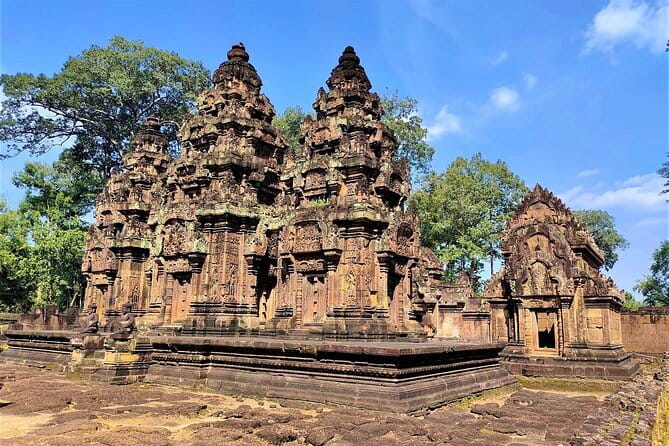
Banteay Srei receives about two hours, the longest single temple visit on the second day. Its pink sandstone carvings are unusually fine and detailed, and the smaller scale feels different from the huge royal monuments around Angkor Wat. This is often the artistic highlight for people who enjoy sculpture and close architectural detail.
The name is often translated as Citadel of the Women, and the temple is widely associated with delicate Khmer carving. I would not rush this stop. Two hours gives your guide time to show you the main reliefs and gives you time to look carefully rather than treating Banteay Srei as a quick detour.
Banteay Samre follows, with about 40 minutes. It is one of the more complete temple complexes in the area, in part because of restoration using anastylosis, a method of reassembling original architectural pieces. The site has not always received steady maintenance, so some areas may look weathered. That contrast is useful: you see both careful reconstruction and the ongoing challenge of caring for a huge archaeological park.
Pre Rup, Ta Som, and Neak Pean
Pre Rup is another 40-minute stop. Its bold, tiered design has a strong sense of proportion, and it resembles East Mebon in style. The upper levels provide good architectural views, but steps can be steep and surfaces uneven. Wear shoes with a firm grip.
Ta Som is smaller and quieter. It has not been restored, and trees once grew around parts of its entrance towers. The itinerary allows 40 minutes, which is enough to appreciate the intimate scale without pretending it competes with Angkor Wat.
Neak Pean is different from the other temples because water is central to its design. A large square man-made pond surrounds smaller pools and structures, creating a setting that feels more open and reflective. The approach and water levels can affect what you see, but your guide can explain how the temple fit into the old sacred and healing complex.
Preah Khan, Banteay Prei, and a local village stop
Preah Khan is one of the second day’s major sites, with about an hour allotted. Built by Jayavarman VII in the late 12th century, it was dedicated to his father. Long corridors, courtyards, carvings, and partially restored sections make this a rewarding place for anyone who wants a larger temple with fewer instantly recognizable images than Angkor Wat.
Banteay Prei is a minor temple near Prasat Prei. It is included for travelers who want to study Angkor in greater detail, not because it is a headline attraction. The 40-minute stop may feel unnecessary if you are templed out, but it adds variety for anyone who prefers quiet ruins to famous viewpoints.
The final stop is Om Pich, where you can try steamed toddy palm cake in Prashdak Village. The visit lasts about 30 minutes and includes the Preah Dak market area, known for souvenirs, objects, and local arts. This gives the day a human, present-day ending after hours among ancient stones.
The village stop is not a full cultural program, so keep expectations modest. It is best viewed as a short chance to see a local market setting and sample a Cambodian specialty, not as a replacement for a longer food tour.
Guides, vehicles, and the small comforts
The tour includes a professional licensed English-speaking guide and private transport. That combination is the heart of the experience. A guide such as Leap or Sara can help you connect architectural details with Khmer history, while the driver handles the long route and returns you to your hotel each day.
Several guides and drivers received specific praise. Leap was described as friendly, passionate, and good at explaining historical facts with humor. Sara was praised for kindness and clear knowledge of Angkor. Rain was noted for good explanations and finding strong photo opportunities. Drivers including Sophal, Ry, and La were appreciated for courtesy, water service, and professional care.
You receive cool drinking water and fresh tissues during the tour. That sounds minor until you are walking around exposed stone in Siem Reap heat. April can be especially hot, and the water and cold towels mentioned in the tour experience become practical rather than decorative comforts.
Lunch is not included. Local restaurants offer vegetarian and non-vegetarian choices, with menu prices listed at about $3 to $10 per dish. Carry some small spending money and tell your guide about dietary needs at the start of the day.
What the $113.05 price really covers
At $113.05 per person, the price makes the most sense for two or more people sharing the private service. You are paying for two days, hotel pickup and drop-off, a licensed English-speaking guide, a private air-conditioned vehicle, water, and tissues.
The Angkor Pass is extra and covers the temples in the park. Your guide assists with buying it at the entrance before the tour begins. Meals are also extra, as are tips for the guide and driver. Add these costs before comparing this tour with a cheaper group option.
The private format also has value beyond comfort. You can ask questions, stop for photos, and avoid being tied to strangers’ energy levels. A small group of three found the extra cost worthwhile because it allowed more freedom. For a couple or family, that flexibility can justify the price.
Who should book this tour
I would choose this tour if you want a serious two-day introduction to Angkor with your own guide. It suits couples, families, and small groups who prefer direct hotel service and do not want to arrange several tuk-tuk rides or negotiate a new route each morning.
It is especially good for people who want both famous temples and less visited sites. Ta Nei, Ta Som, Banteay Prei, and the village stop keep the program from becoming only an Angkor Wat photo trip.
I would think twice if you dislike early starts, long sightseeing days, heat, stairs, or repeated temple visits. The itinerary is ambitious. You can ask for adjustments because the tour is private, but there is no promise that every stop can be shortened or removed.
Cancellation is free if you cancel at least 24 hours before the local start time. Changes or cancellations inside that window are not accepted for a refund. Most people can participate, and the tour is near public transportation, but the provided details do not give specific mobility guidance for the temple paths and stairs.
Should you book the two-day Angkor tour?
Book it if you want Angkor’s major monuments, a few quieter ruins, a sunset viewpoint, and a guide who can explain what you are seeing. The strongest part is the combination of private pacing, detailed temple coverage, and practical care from the guide and driver.
Skip it if you want a slow schedule or only the three headline sites. For everyone else, $113.05 per person is a solid starting value, as long as you add the Angkor Pass, lunches, and tips to your budget. Give yourself permission to ask for a sensible pace. Two full days among these temples should leave you inspired, not worn out before dinner.
FAQ
Where does the tour begin?
Hotel pickup is provided in Siem Reap. You need to provide your hotel name and address so the guide and driver can meet you in the lobby.
How long does the tour last?
The experience lasts approximately two days.
Is this a private tour?
Yes. Only your group participates in the private activity.
Is transportation included?
Yes. Transfers are provided by private air-conditioned vehicle, with hotel pickup and drop-off.
Is an English-speaking guide included?
Yes. A professional licensed English-speaking guide is included at each destination.
Is the Angkor Pass included in the price?
No. The Angkor Pass is an additional cost. The guide assists with purchasing it at the entrance to Angkor Archaeological Park.
Are meals included?
No. Lunch is at your own expense. Local restaurants offer vegetarian and non-vegetarian dishes, with menu prices listed at approximately $3 to $10 per dish.
What is included during the temple visits?
The tour includes cool drinking water and fresh tissues during the tour.
Can I cancel for a full refund?
Yes, if you cancel at least 24 hours before the experience start time. Cancellations or changes made less than 24 hours before the start time are not accepted for a refund.
New around Siem Reap
- Kulen Mountain With Ticket included Plus Banteay Srei Temple Tour★ 5.0 · 7 reviews
- Private Siem Reap Airport Transfer to hotel in town★ 5.0 · 7 reviews
- 2 Days Angkor temples with Sunrise & Sunset★ 5.0 · 7 reviews
- 1-Day private Angkor Temple Tour with Sun Rise by Tuk Tuk from Siem Reap★ 4.5 · 7 reviews
- Siem Reap: Morning Cooking Class & Market Tour★ 5.0 · 7 reviews
- Kulen Mountain, Killing Fields and War Museum Tour★ 5.0 · 7 reviews
- War Museum, Killing Field, and APOPO Hero RATs Tour★ 5.0 · 7 reviews
- Half-Day: Silk Farm, Senteur Angkor, and Satcha Workshop★ 4.6 · 7 reviews
Angkor Temple Tours, compared.
1-Day private Angkor Temple Tour from Siem Reap
Read our review →
Private Full-Day Angkor Temple and Sunset Viewing with Lunch
Read our review →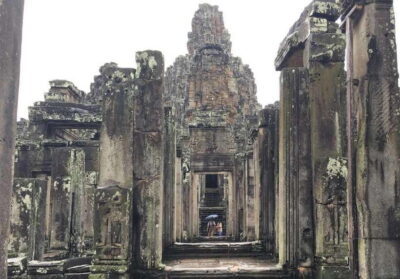
Private one-day tuktuk ‘small tour’ of the oldest Angkor temples
Read our review →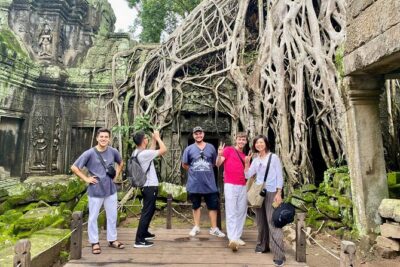
Explore Angkor Temple & Other – Private Vehicle with Tour Guided
Read our review →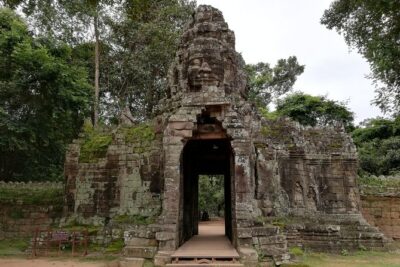
Angkor Wat Private Driver Tours to Angkor Wat Sunrise, Angkor Thom & Ta Prohm
Read our review →Browse the lists this tour appears in