
Reviewed · ANGKOR TEMPLE TOURS
3-Day Tour of Siem Reap, Angkor Temples & Phnom Kulen Waterfall
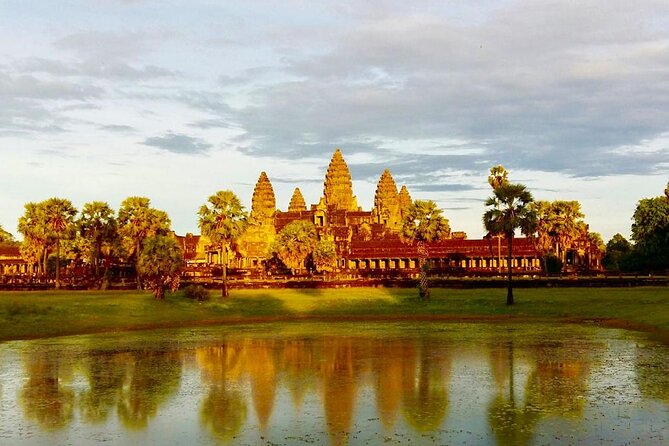
Angkor Wat at sunrise and sunset anchors this three-day private tour, but the real appeal is how far beyond the famous temple you go. You’ll visit the great monuments of Angkor, remote Beng Mealea, sacred Phnom Kulen, and Tonle Sap Lake with an English-speaking guide, Hok, who is known for lively storytelling and careful attention to his group.
I like the private format, since your guide can explain Khmer religion and royal history at a pace that suits you. I also like the range: Banteay Srei’s fine pink carvings and Phnom Kulen’s waterfall give you a break from temple corridors and stone towers.
The main drawback is the cost of entry. At $250 per person, you still pay separately for Angkor temple admission and Phnom Kulen National Park, and you must arrange your own hotel. The schedule is also demanding, especially with a 4:30am pickup on the second morning.
Key things to know before booking
- Sunrise and sunset at Angkor Wat: The tour gives you two different ways to see Cambodia’s best-known monument, with an early start on day two and a sunset stop at Phnom Bakheng on day one.
- A genuinely private outing: Only your own group participates, with hotel pickup and an English-speaking guide rather than a large shared coach.
- Hok’s storytelling style: Hok is repeatedly praised for explaining temples as connected stories, with humor, clear speech, and close attention to what his group needs.
- Three contrasting days: The plan combines major Angkor temples, smaller monuments, a jungle site, a sacred mountain, a waterfall, and Cambodia’s largest freshwater lake.
- Tickets are extra: The $250 price includes transport, guiding, drinks, towels, and two lunches, but not the Angkor pass, Phnom Kulen ticket, or accommodation.
What the $250 price really covers
This is not a cheap temple shuttle, but it includes more than a basic ride between Angkor sites. You receive an air-conditioned vehicle, private English-speaking guiding, hotel pickup, cool water, towels, two lunches, and drinks. For a private three-day service, those inclusions give the price a reasonable base.
Still, budget carefully. The Angkor temple ticket is not included, and neither is admission to Phnom Kulen National Park. Your hotel is also outside the package, so the final cost depends on the accommodation you choose and the current admission prices.
The value comes from the reach of the itinerary. You are not paying only to see Angkor Wat. You are also covering long days of transport to Banteay Srei, Phnom Kulen, Beng Mealea, and Tonle Sap, while having one guide for the full program. If you want a driver and guide who can adjust explanations and timing to your group, that is useful.
The private setup matters most for families, couples, and small groups with different energy levels. You can ask for more time at Bayon or less time at a smaller stop. The tour information does not promise unlimited flexibility, so treat the published schedule as the framework, not a guarantee that every stop can be extended.
More Angkor Temple Tours in Siem Reap:
- Siem Reap Tour: Angkor Wat Sunrise, Bayon, Ta Prohm, Banteay Srei
★ 5.0 · 931 reviews - Siem Reap: Bike the Angkor Temples – Full-Day 30km Tour
★ 5.0 · 463 reviews - Angkor Wat one Day Private Tour for All Highlight Angkor Temples
★ 5.0 · 199 reviews
Day one: Angkor Wat, royal power, and a sunset finish
The first pickup is scheduled for 8:00am. That is a sensible start for a long temple day, especially because the itinerary finishes with Phnom Bakheng and includes several walks and stairways.
You begin at Angkor Wat, where the planned visit lasts about two hours. This is the largest and most famous temple in the area, built as a Hindu monument and later used as a Buddhist religious site. The design presents a model of Mount Meru, the sacred center of Hindu and Buddhist cosmology.
The tour also includes local villages and forest around Angkor Wat. That detail helps break up the usual temple-to-temple rhythm. You are not looking only at carved stone. You also get some sense of the setting in which the monument sits today.
Next comes Angkor Thom, the former capital city of the Khmer Empire. The stop is listed at about 30 minutes and introduces the enormous fortified city rather than treating it as one single temple. Its original name was Yashodarapura, and the later name Angkor Thom means great city.
Inside Angkor Thom, you spend about an hour at Bayon Temple. This is one of the most memorable places in the Angkor area because of its great carved faces. Bayon was built by King Jayavarman VII and dedicated to Lokesvara, a Mahayana Buddhist savior figure.
A guide adds real value here. The stone faces are easy to photograph, but the surrounding carvings, royal symbolism, and religious changes are harder to understand alone. Hok’s strength, based on the way he is described, is turning those details into a story rather than reciting dates.
The next stop is Baphuon, a 45-minute visit. This large Hindu monument was built under King Udayadityavarman II and dedicated to Shiva. Its pyramid form was intended to represent Mount Meru, so it connects visually and religiously with Angkor Wat.
You then walk along the Terrace of the Elephants, planned for about 30 minutes. This royal platform was used as a conference and ceremonial area in front of the royal palace. The elephant carvings are the feature most people notice first, but the stop also helps you picture Angkor Thom as a working capital, not just a collection of ruins.
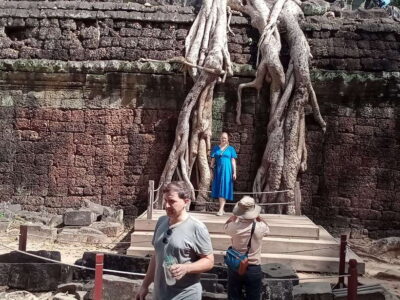
After that comes Ta Prohm, with about an hour to explore. This is the jungle temple associated with the film Tomb Raider, but its appeal goes beyond cinema. Tree roots press around the stonework, and the partially overgrown setting gives the monument a different mood from the open courtyards of Angkor Wat.
Ta Prohm was built by Jayavarman VII in 1186 and dedicated to his mother. That personal connection gives the site more meaning than its movie fame suggests. It is also one of the busiest stops in the Angkor area, so the private guide is useful for directing your attention to carvings and less obvious corners.
The day continues to Pre Rup, an imposing brick temple built in 961 under King Rajendravarman II and dedicated to Shiva. The stop is short, around 30 minutes, but it gives you another example of a Hindu state temple and a strong contrast with the later Buddhist monuments.
You finish at Phnom Bakheng, with about an hour planned for the sunset visit. This hilltop temple was once connected with an earlier Khmer capital, before the center moved to Angkor Thom. It is also one of the best-known sunset points in the Angkor region.
The practical warning is simple: sunset at Phnom Bakheng is popular. The schedule says the stop lasts an hour, but the experience may involve a busy viewpoint and a walk uphill. You should expect a full day, not a relaxed afternoon.
Day two: sunrise, pink sandstone, and the grand circuit
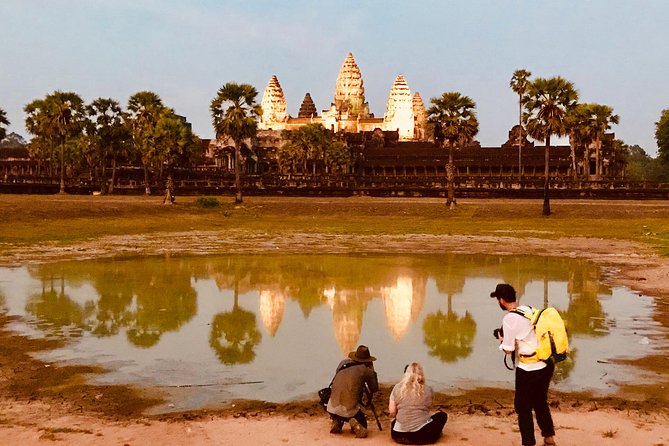
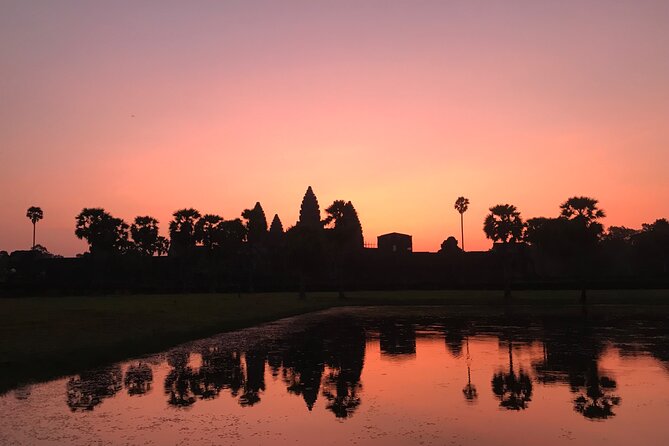
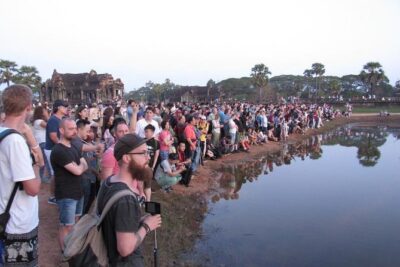
The second day begins with a 4:30am hotel pickup. You need to be comfortable with an early alarm, but the reward is a chance to see Angkor Wat at sunrise. The sunrise portion is planned for about 90 minutes.
Sunrise does not guarantee dramatic colors, and the early start can be tiring. Still, seeing the temple in the cool morning light gives you a different experience from the previous day’s daytime visit. The tour deliberately includes both, which is a strong feature for anyone visiting Angkor only once.
After Angkor Wat, the route heads north to Banteay Srei, about 37 kilometers from Angkor Wat. The visit lasts around an hour. This smaller temple is built from pink sandstone and is known for unusually fine carvings.
Banteay Srei means Lady Temple. Its scale is more intimate than Angkor Wat, and the detailed stonework rewards a slower look. Because it lies away from the core temple group, the drive also gives you a change of scenery and a break from the heaviest concentration of monuments.
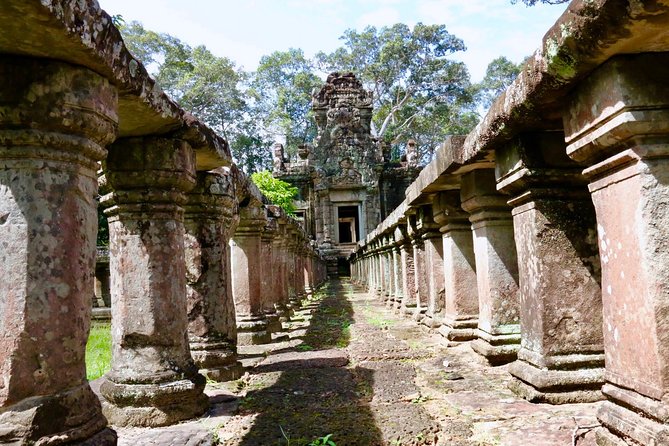
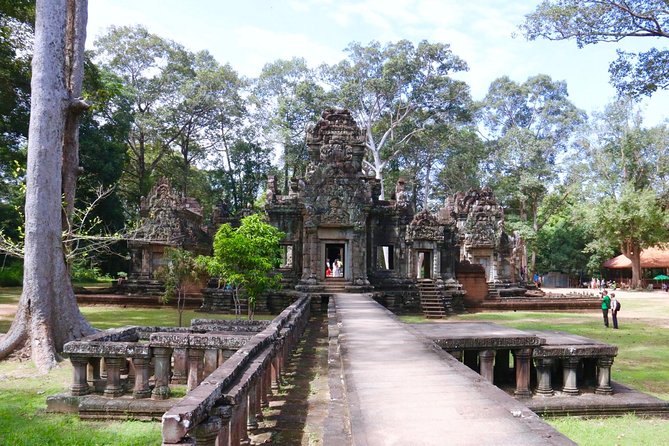
The next stop is Preah Khan, planned for an hour. Known as the Holy Sword Temple, it is one of the larger temple complexes in Siem Reap. Much of the structure remains in good condition, and the carvings are a major reason to spend time here.
Preah Khan can feel like a maze. This is another place where a private guide earns his keep by explaining how the rooms and galleries fit together. The temple was connected with Jayavarman VII, the same king associated with Bayon and Ta Prohm.
At Ta Som, you have about 30 minutes. This Mahayana Buddhist temple was also built by Jayavarman VII and dedicated to ancestors and a religious teacher. Its smaller size makes it a useful pause after Preah Khan.
You then visit Neak Pean, another 30-minute stop. The temple sits in the center of a lake or reservoir and is reached through a setting surrounded by water. Its name means entwined serpents, and the site was originally designed for healing purposes according to the ancient belief system described for the temple.
The water setting makes Neak Pean visually different from the dry stone platforms elsewhere. The tradeoff is that this is a short visit, so you should not expect a long temple exploration.
The final temple of day two is Banteay Samre, with about 30 minutes planned. Located east of a large reservoir, it was built under King Suryavarman II and is noted for its well-preserved stonework. It is less famous than Angkor Wat and Ta Prohm, which makes it a useful final stop after the bigger names.
Day two covers a lot of ground. The route is excellent for someone who wants more than the standard small circuit, but it is not gentle. The early start, several temple walks, and long road segments can leave you tired by evening.
Day three: Phnom Kulen’s waterfall and a wilder temple
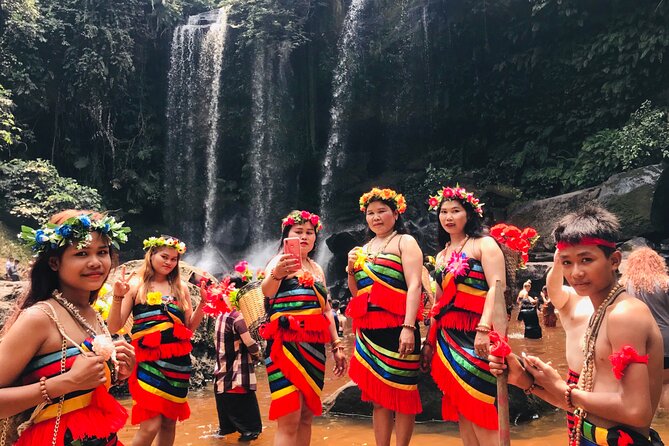
Day three shifts away from the central Angkor zone. You travel to Phnom Kulen National Park, a sacred mountain with several important sites. The planned visit lasts about two hours.
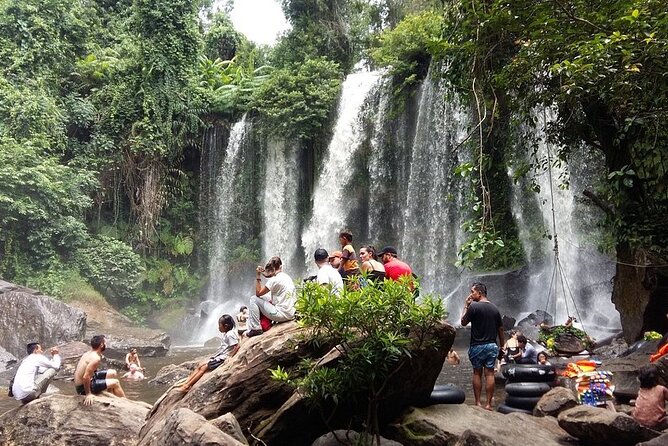
Phnom Kulen includes a holy waterfall, a reclining Buddha, a sacred river carved with thousands of lingas, Srash Damrei, and Bat Cave. This is the most varied day of the tour because the focus is not only on temple architecture.
The waterfall is the obvious break from the stone monuments. The reclining Buddha and river carvings show how religious importance continues across different parts of the mountain. Since the Phnom Kulen ticket is not included, you should account for that extra charge before booking.
After Phnom Kulen, the route continues to Prasat Beng Mealea, about 66 kilometers northeast of Siem Reap. The visit lasts around an hour. Beng Mealea is known as a remote jungle temple, and its damaged, overgrown character gives you a different view of Khmer building traditions.
Beng Mealea is particularly useful for putting Angkor into perspective. The central monuments can feel carefully managed and highly visited. Here, the broken galleries and jungle setting make the age and scale of the construction easier to sense.
The last stop is Tonle Sap Lake, with about an hour planned. Tonle Sap is the largest freshwater lake in the Southeast Asian peninsula and sits near the center of Cambodia. The wider experience is described as including the floating village, though the exact village and boat arrangements are not specified.
That uncertainty matters. You should confirm what part of the Tonle Sap visit is included before setting expectations about boat rides or village access. What is clear is that the lake provides a strong change of subject after three days focused mainly on ancient sites.
More Kulen Mountain Tours in Siem Reap:
- Kulen Waterfall Join-in Tour (local Picnic lunch)
★ 5.0 · 2,434 reviews - Kulen Mountain: Small-Group Tour and Picnic lunch
★ 4.9 · 1,802 reviews - Siem Reap: Kulen Mountain, Beng Mealea and Tonle Sap Tour
★ 5.0 · 1,483 reviews - Phnom Kulen Waterfall & the Sacred 1000 Lingas (with Lunch)
★ 4.8 · 974 reviews
Why the private guide matters here
A private guide is most valuable when the program includes several different periods and religious ideas. Bayon, Baphuon, Ta Prohm, Preah Khan, and Banteay Srei are not interchangeable ruins. Their builders, beliefs, layouts, and purposes differ.
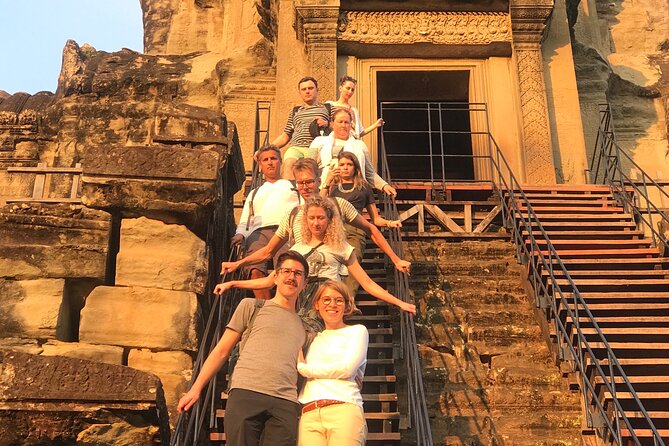
Hok is the named guide associated with this experience. The strongest praise centers on his enthusiasm, humor, clear explanations, and ability to tell the story of each site. The comments also describe him as attentive to group needs and careful about helping first-time visitors feel comfortable.
That personal approach may be especially helpful if you are visiting Siem Reap for the first time. You can ask questions as they arise instead of trying to fit your interests into a fixed group commentary. The tour is private, but the information does not promise a dedicated car for every individual booking, so confirm the vehicle arrangement if that point matters to you.
The early mornings, transport, and physical demands
Hotel pickup is offered, and the vehicle is air-conditioned. That is important in Cambodia, where three days of temple touring can mean repeated exposure to heat, sun, and dusty roads.
The schedule includes several stops of 30 minutes to one hour, plus longer visits at Angkor Wat, Bayon, Ta Prohm, and Phnom Kulen. You should expect regular walking and time outdoors. The supplied information says most people can participate, but it does not provide detailed accessibility information for stairs, uneven surfaces, or the Phnom Kulen sites.
The 4:30am pickup on day two is the clearest challenge. If sunrise is a priority, it is worth the lost sleep. If you are traveling with young children or dislike early starts, you may find that morning harder than the temples themselves.
Cool water and towels are included, along with drinks and two lunches. The information does not list the lunch menus or dietary arrangements, so ask ahead if you have food restrictions.
Who should book this three-day plan
I would choose this tour if you want a broad introduction to Siem Reap without arranging separate guides and transport for each day. It suits people who want Angkor’s major temples but also want Banteay Srei, Phnom Kulen, Beng Mealea, and Tonle Sap.
It is also a good fit for a couple, family, or small private group that values direct contact with one guide. Hok’s humor and story-based explanations sound particularly useful for anyone who wants context rather than a quick series of photo stops.
I would hesitate if you want a slow holiday with late mornings. The itinerary is packed, admission costs are extra, and the sunrise and sunset visits require energy. You also need to arrange your own hotel, so this is a sightseeing package rather than a full vacation bundle.
The cancellation terms are strict close to departure. You can receive a full refund if you cancel at least three full days before the start time, but cancellations or changes made later are not accepted.
Should you book it?
Book this tour if you want to cover the essential Angkor monuments and several less central sites in three days, while keeping a private guide and air-conditioned transport. The mix of sunrise, sunset, jungle temples, a waterfall, and Tonle Sap gives the program more variety than a standard one-day Angkor visit.
Before paying, confirm the current Angkor and Phnom Kulen admission costs, ask what is arranged at Tonle Sap, and make sure the 4:30am start suits your group. If those details work for you, the tour offers a well-packed introduction to the temples and wider culture of Siem Reap.
FAQ
How long is the tour?
The experience lasts approximately three days.
What time is hotel pickup on the first day?
Pickup is scheduled for 8:00am from your hotel.
What time does the sunrise day begin?
Pickup for day two is scheduled for 4:30am so you can reach Angkor Wat for sunrise.
Is hotel accommodation included?
No. You arrange and pay for your own accommodation.
Are Angkor temple tickets included?
No. Admission to the Angkor temples is not included in the tour price.
Is the Phnom Kulen National Park ticket included?
No. The Phnom Kulen ticket is an additional cost.
Is the tour private?
Yes. Only your own group participates in the private tour or activity.
What language does the guide speak?
The tour includes an English-speaking guide. The named guide associated with the experience is Hok.
What is included besides guiding and transport?
The package includes an air-conditioned vehicle, cool water, towels, two lunches, and drinks.
Can I cancel for a full refund?
Yes, if you cancel at least three full days before the experience start time. Cancellations or changes made less than three full days in advance are not accepted for a refund.
More 3-Day Experiences in Siem Reap
- From Siem Reap: Angkor Wat and Floating Village 3-Day Trip
★ 5.0 · 100 reviews - 3-Day Angkor Wat with All Interesting Major Temples, Banteay Srei & Beng Mealea
★ 5.0 · 70 reviews - 3-Day Angkor Wat & All Interesting Major Temples & Kulen Mount Waterfall
★ 5.0 · 63 reviews - 3 Days Siem Reap Explorer – Small Group
★ 5.0 · 50 reviews
More Waterfall Tours in Siem Reap
- Guided Small-Group Tour in Kulen Mountain Park Waterfall
★ 5.0 · 480 reviews - Kulen Mountain Waterfall Tour with Picnic Lunch from Siem Reap
★ 5.0 · 238 reviews - Kulen Waterfall & 1000 Linga River Small-Group Tours
★ 5.0 · 234 reviews - 3-Days Discovery Of Angkor: Waterfalls,Floating Village and Banteay Srei temple
★ 5.0 · 214 reviews
New around Siem Reap
- Kulen Mountain With Ticket included Plus Banteay Srei Temple Tour★ 5.0 · 7 reviews
- 2 Days Angkor temples with Sunrise & Sunset★ 5.0 · 7 reviews
- Private Siem Reap Airport Transfer to hotel in town★ 5.0 · 7 reviews
- 1-Day private Angkor Temple Tour with Sun Rise by Tuk Tuk from Siem Reap★ 4.5 · 7 reviews
- Siem Reap: Morning Cooking Class & Market Tour★ 5.0 · 7 reviews
- Kulen Mountain, Killing Fields and War Museum Tour★ 5.0 · 7 reviews
- War Museum, Killing Field, and APOPO Hero RATs Tour★ 5.0 · 7 reviews
- Half-Day: Silk Farm, Senteur Angkor, and Satcha Workshop★ 4.6 · 7 reviews
Angkor Temple Tours, compared.
1-Day private Angkor Temple Tour from Siem Reap
Read our review →
Private Full-Day Angkor Temple and Sunset Viewing with Lunch
Read our review →
Private one-day tuktuk ‘small tour’ of the oldest Angkor temples
Read our review →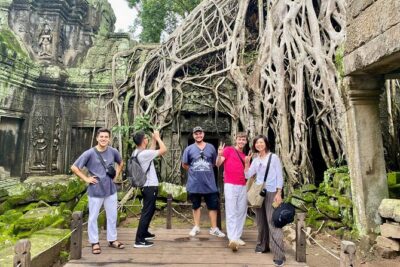
Explore Angkor Temple & Other – Private Vehicle with Tour Guided
Read our review →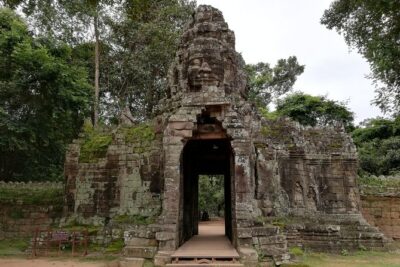
Angkor Wat Private Driver Tours to Angkor Wat Sunrise, Angkor Thom & Ta Prohm
Read our review →Browse the lists this tour appears in