
Reviewed · ANGKOR TEMPLE TOURS
2-Day: Angkor Temple Treasures and Unique Floating Lifestyle
Angkor’s great appeal is its scale, and this two-day tour gives you time to see both the famous faces of the complex and the quieter corners beyond them. You’ll visit Bayon, Ta Prohm, Angkor Wat, and several lesser-known temples, then finish with a look at life on Tonle Sap Lake. The floating village visit adds a useful change of pace after so much stone and sculpture.
I like the small-group format, which makes it easier to ask questions and adjust the pace around the temples. I also like the practical touches: the driver keeps cool water and fresh towels ready, a detail that matters in Siem Reap’s heat. The main thing to consider is cost: the $75 tour price excludes Angkor park admission, lunch, and the floating-village boat fee.
Key points at a glance
- Fifteen temples in two days: The route covers the main Angkor Thom sites, Angkor Wat, Ta Prohm, Ta Som, Preah Khan, Neak Pean, and more.
- A guide-led introduction to Angkor: English-speaking guides explain the carvings, royal buildings, and stories behind the ruins.
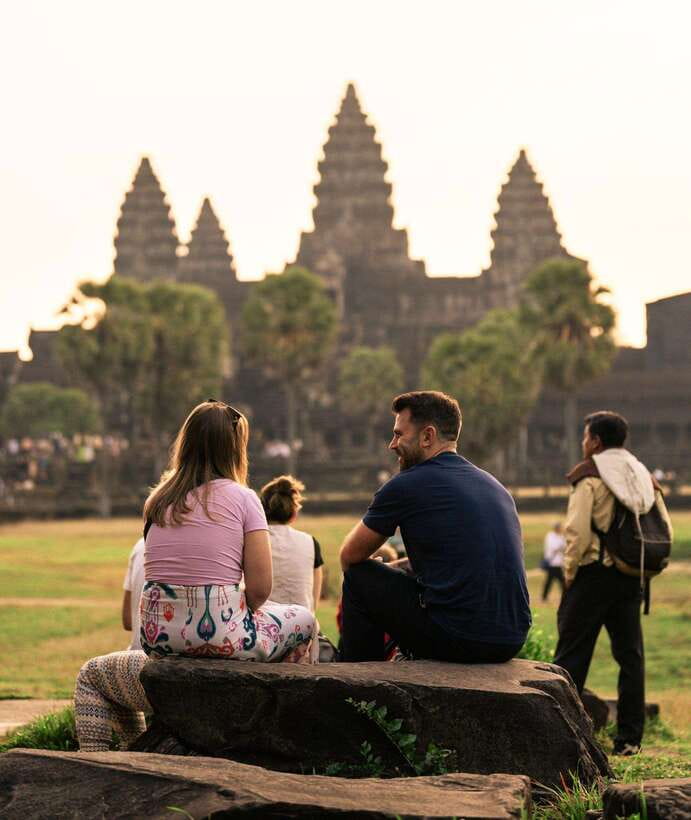
- Two memorable viewpoints: The plan includes sunset from Bakheng Mountain, while the experience also offers an Angkor Wat sunrise start.
- Ta Prohm and its film connection: Visit the temple made famous by Lara Croft: Tomb Raider.
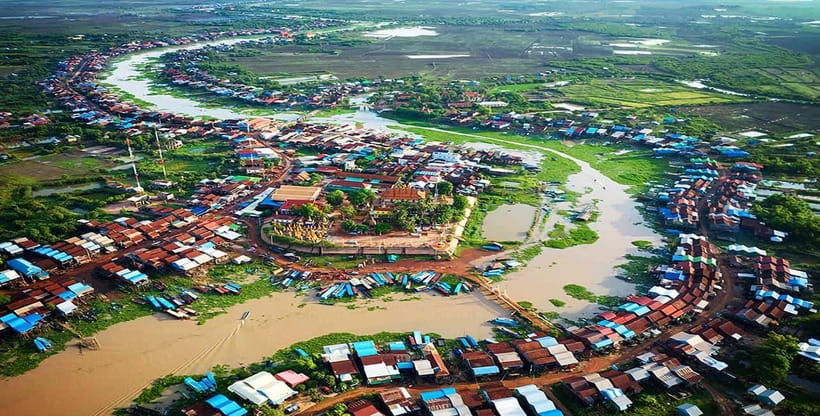
- Tonle Sap beyond the temples: See a floating school, wooden stilt houses, and daily life on the water.
- Useful comfort in the heat: Pickup, drop-off, local transport, cool water, and fresh towels are included.
This is a good first look at Siem Reap because it does not treat Angkor Wat as the whole story. You get the grand ceremonial buildings, the maze of Angkor Thom, smaller ruins in the outer circuit, and a boat trip on Tonle Sap Lake.
The tour costs $75 per person before temple admission, meals, and the floating-village boat visit. That price makes the most sense if you value a private or very small group, an English-speaking guide, and transport arranged for both days. If you only want a quick Angkor Wat visit, it is more than you need. If you want context and a wider route, the two-day plan is useful.
The group details need a quick check before booking. The activity is described as limited to 10 people, while the additional information calls it a private group of fewer than six. Either way, it is intended to be small, but confirm the exact number for your date.
Day One: Entering Angkor Thom Through the South Gate
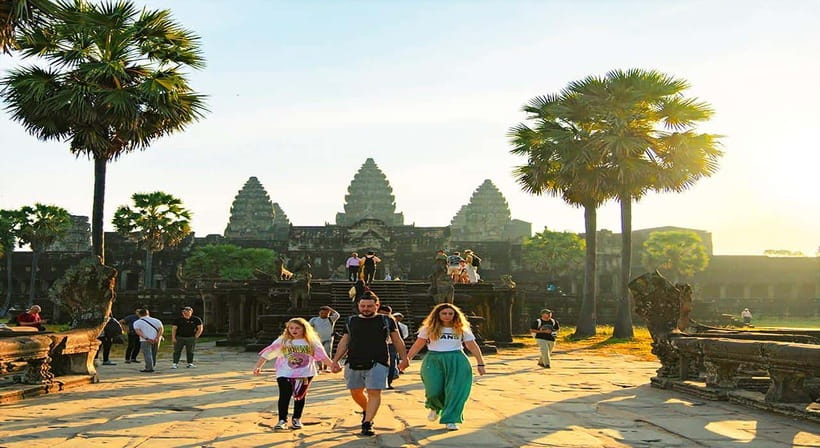
Your first day focuses on Angkor Thom, the former capital of the Khmer Empire, and the temples in the small circuit. The South Gate is a fitting beginning. Its approach introduces you to the grand scale of the old city, with monumental stone figures and a bridge leading toward the gate.
This is where a guide adds real value. Without explanation, the gate can look like a dramatic pile of carved stone. With context, you begin to see how the entrance formed part of a planned royal city and how the sculptures relate to Khmer religious ideas.
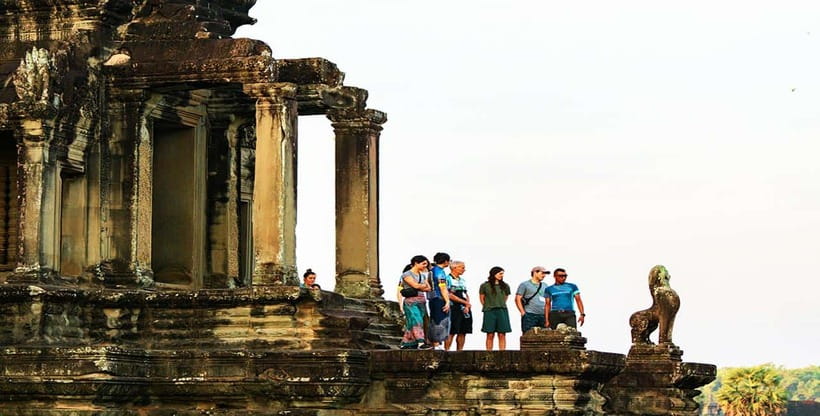
From there, you continue to Bayon Temple, famous for its huge carved faces. Bayon rewards a slow walk because the faces appear from different angles as you move through the towers. The passageways can feel confusing, so stay close to the guide and ask about the bas-reliefs rather than rushing straight to the best-known views.
I especially like Bayon as an early stop because it shows a different mood from Angkor Wat. Angkor Wat feels ordered and grand. Bayon feels more crowded, layered, and personal, with carvings that reveal themselves as you move around the structure.
More Angkor Temple Tours in Siem Reap:
- Siem Reap Tour: Angkor Wat Sunrise, Bayon, Ta Prohm, Banteay Srei
★ 5.0 · 931 reviews - Siem Reap: Bike the Angkor Temples – Full-Day 30km Tour
★ 5.0 · 463 reviews - Angkor Wat one Day Private Tour for All Highlight Angkor Temples
★ 5.0 · 199 reviews
The Elephants Terrace and Angkor Thom’s Royal Center
The Terrace of the Elephants once served as a viewing platform for the king. Today, you see long carved panels and a raised platform that helps you understand the scale of the royal center.
It is not a single enclosed temple with one obvious viewpoint. Instead, it works as part of the larger Angkor Thom story. Your guide can point out how the terrace related to royal ceremonies and public displays. Bring your attention to the stone details at the base, where elephants and other carvings break up the long wall.
The nearby ruins can be easier to appreciate with a guide who knows where to look. The route is not just a series of famous photo stops. It gives you a chance to notice how temples, terraces, gates, and open spaces worked together.
Ta Prohm, Ta Keo, and the Movie Connection
Ta Prohm is one of the most popular stops on the route, and for good reason. It is the temple linked with Lara Croft: Tomb Raider, but the film connection is only part of its appeal.
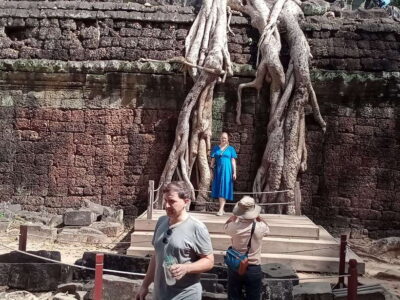
The site is known for its striking combination of carved stone and large tree roots. The roots make the ruins feel dramatic, though the film image can create unrealistic expectations. Ta Prohm is not a movie set built for visitors. It is an old temple complex with worn passages, damaged sections, and limited space in places.
Take your time here. Look beyond the most photographed doorway and notice the galleries, carved figures, and the way the trees have become part of the visual character of the site. Your guide can help separate what is genuinely old from what has been repaired or stabilized.
Ta Keo offers a different experience. Its strong, stepped form feels more severe than Ta Prohm, with less of the tree-covered atmosphere. I like having both on the same day because they show how varied Angkor’s temples can be. One is famous for its tangled setting, the other for its bold structure.
Bakheng Mountain and the End of Day One
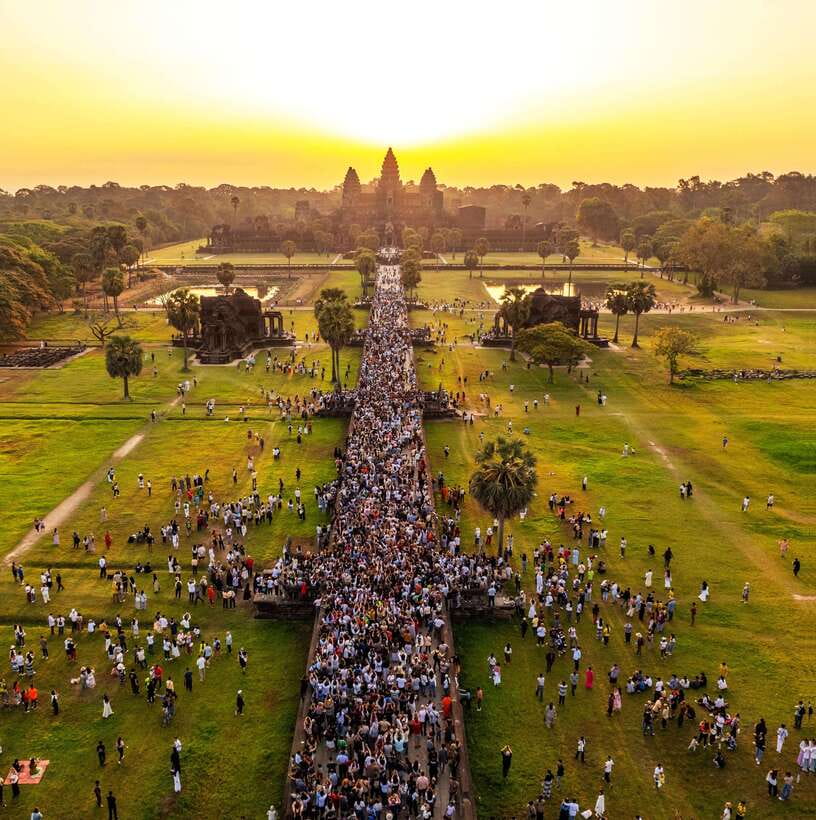
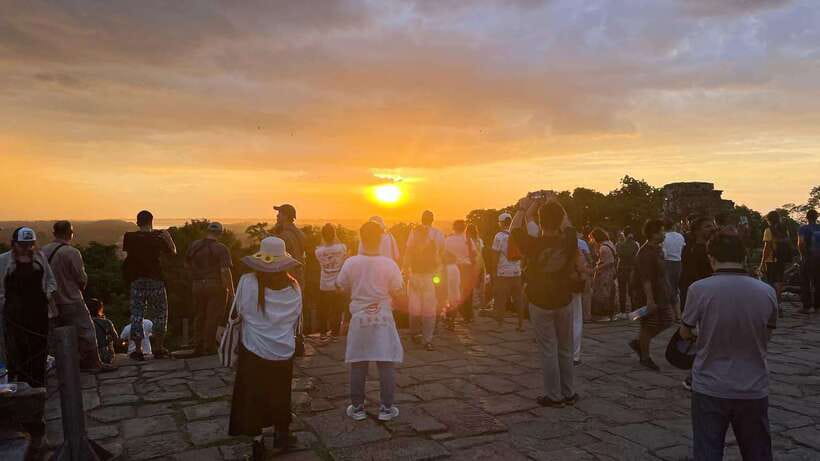
The first day is planned to end at Bakheng Mountain, with views over Angkor Wat and other parts of the temple complex. A sunset stop can be a pleasant way to finish, especially after a day spent moving through enclosed ruins and shaded galleries.
The timing may depend on access conditions and crowd control, so do not treat the sunset view as a guarantee of a completely relaxed finish. The climb or walk may also feel tiring after several temples. Wear practical footwear and keep water with you, even though the driver provides refreshments.
There is also a reference to an Angkor Wat sunrise in the experience. That suggests the schedule may begin very early on one of the days, but the detailed day plan places sunset at Bakheng on Day One. Ask the operator to confirm whether sunrise is included in your exact departure plan. This matters because sunrise changes your wake-up time and the order of the temples.
A few more Siem Reap half-days to weigh up
- Siem Reap: Angkor Wat 2-Day Tour with Sunrise and Sunset
★ 4.9 · 4,429 reviews - Angkor 2-Day Sunset & Sunrise Small-Group Tour
★ 5.0 · 2,567 reviews - 2 Days Exclusive Temple Highlights with Sunset and Sunrise Tour
★ 5.0 · 1,157 reviews - Siem Reap: Angkor Sunrise 1- or 2-Day Guided Temples Tour
★ 4.9 · 1,132 reviews
Day Two: Angkor Wat in Detail
Day Two centers on Angkor Wat, the temple most closely associated with Siem Reap. You will have time to examine the outer galleries, bas-reliefs, towers, and main architectural layout rather than simply stopping for a photograph.
Angkor Wat is large enough to reward patience. The first view can be overwhelming, but the details become easier to read when you slow down. Look at the long carved scenes along the galleries and ask your guide to explain the stories and figures shown there.
The guide is particularly useful here because the temple’s scale can make a self-guided visit feel scattered. A good explanation gives structure to the courtyards and galleries, while also helping you notice carvings that you might otherwise pass without a glance.
An early start can improve the experience, especially if your schedule includes the noted sunrise view. It also means you should prepare the night before. The tour includes pickup and transport, but it does not include breakfast or lunch, so plan your meals around the departure time.
Ta Som, Preah Khan, and Neak Pean
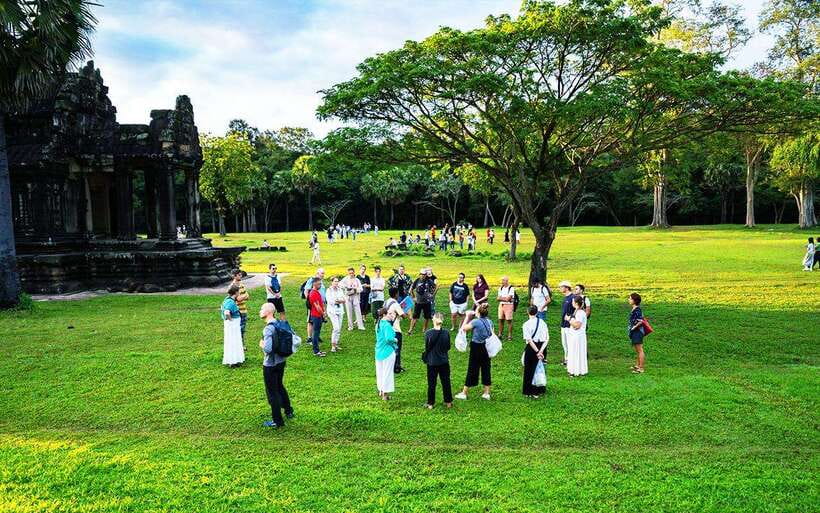
After Angkor Wat, the route continues to several temples in the grand circuit. Ta Som is smaller and more compact, making it a pleasant contrast with Angkor Wat’s long galleries. It gives you time to focus on individual doorways, carvings, and the way nature has affected the ruins.
Preah Khan is larger and more complex. Its corridors and buildings create a stronger sense of exploration, though the same complexity can make it hard to understand without guidance. This is one of the stops where I would ask the guide to explain how the different parts fit together instead of trying to cover every passage.
Neak Pean is unlike the other temples on this route. Its design relates to water, and the approach helps you see it as part of a wider religious and practical setting rather than just another stone sanctuary. After two days of towers and galleries, its different layout helps keep the itinerary from becoming repetitive.
The route promises many temples, and a previous two-day schedule covered 15 sites. That is impressive, but it also tells you something important: this is an active tour. You will see a lot, yet some stops may be relatively short. If you prefer long photography sessions or a slow sketching pace, tell the guide early so the day can be shaped around your priorities.
From Stone Temples to Tonle Sap Lake
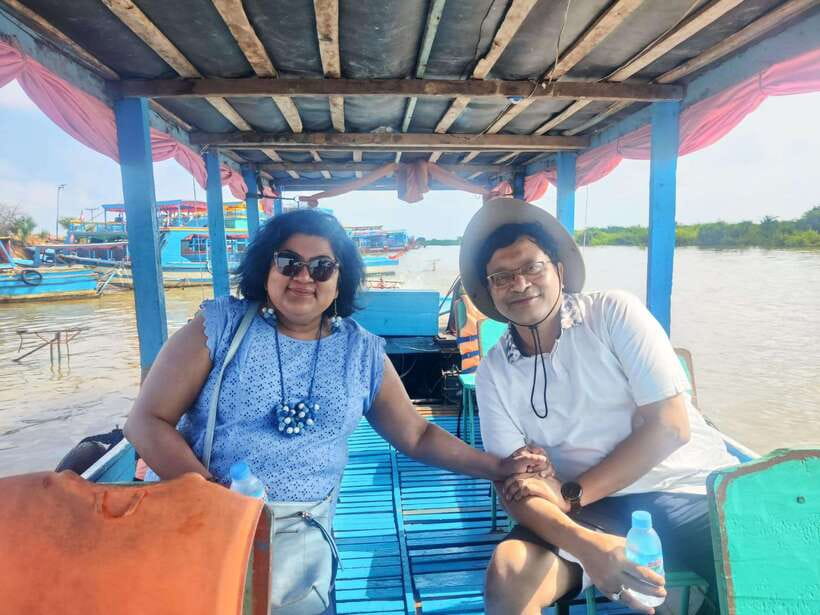
The change from Angkor’s ruins to Tonle Sap Lake is one of the strongest parts of the plan. At the floating village, you will see wooden stilt houses, a floating school, and markets on the water.
This is not a museum display. It is a look at a community built around the lake, where homes, education, trade, and transport depend on water. The visit adds a human setting to a trip otherwise focused on royal architecture and religious monuments.
The boat trip costs extra, so include that fee in your budget. The tour provides transport to the floating village, but the boat visit itself is not included. Since lunch is also separate, the final price will be higher than the headline $75.
I like this part of the experience because it gives you a broader view of Cambodia. You are not only looking backward at Angkor’s past. You are also seeing how people live in the present, in a place shaped by the changing conditions of Tonle Sap.
Guide, Driver, and Comfort on the Road
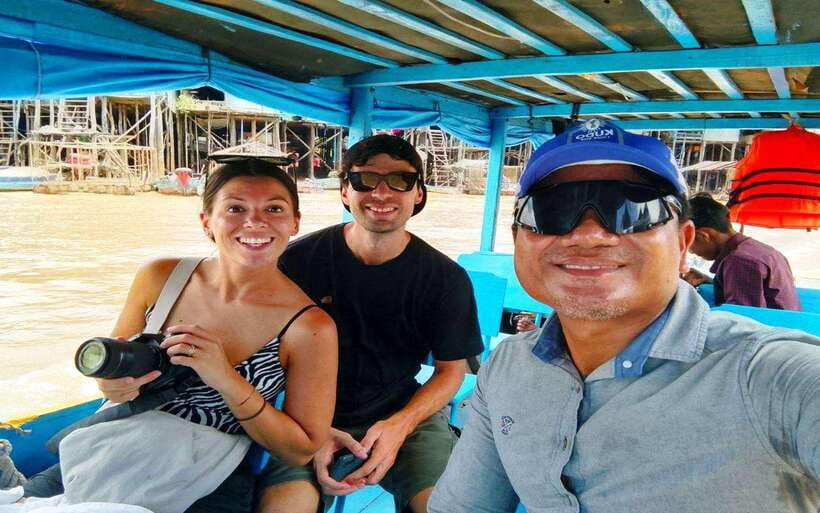
Transport, pickup, and drop-off are included, along with an English-speaking guide and driver. The local vehicle is described as hygienic, with cool water and fresh towels provided during the day.
Those towels are more than a small extra. Temple touring means walking, waiting, and standing in the sun. A cold towel can make the difference between staying comfortable and losing patience by the afternoon.
Rathan is the named guide associated with the experience, and Mr. Toi is the named driver. The guide’s role is central here because the route includes many temples with similar-looking corridors and towers. The driver’s role matters too, since a well-timed pickup keeps you from wasting energy between stops.
The service is designed for a personalized trip. You can ask questions, request more explanation at a particular temple, and share your interests with the guide. Still, the exact flexibility depends on the day’s timing and the number of sites you want to cover.
Price, Inclusions, and What You Still Pay
At $75 per person, this is a reasonable guiding and transport fee for two full days if you are traveling in a small group. The value comes from the range of sites, the English-speaking guide, the driver, hotel pickup and drop-off, and the basic comfort supplies.
The headline price does not cover three important items:
- Angkor Archaeological Park entry
- Lunch
- The Tonle Sap floating-village boat visit
That means you should compare the final cost, not only the advertised tour rate. The operator also offers discounts as the group size increases, which can reduce the individual price if friends book together.
Free cancellation is available up to 24 hours before the activity for a full refund, and you can reserve now and pay later. These policies are useful if your Siem Reap plans are still shifting.
Who Will Like This Two-Day Route?
I would recommend this experience to a first-time visitor who wants structure without joining a large bus tour. The route covers the major temples but also makes room for Ta Som, Preah Khan, Neak Pean, and the floating village.
It suits you especially well if you enjoy asking questions. The guide can add meaning to Bayon’s faces, Angkor Wat’s bas-reliefs, Ta Prohm’s ruins, and the layout of Angkor Thom.
It may be less suitable if you want a quiet, unhurried visit to only two or three temples. Seeing around 15 temples in two days is a strong program, but it can feel full. People over 95 are listed as unable to take part, and anyone with limited stamina should consider the walking and early starts before booking.
Should You Book It?
Book this tour if you want a well-organized first visit to Siem Reap, prefer a small group, and like combining major monuments with a real community visit on Tonle Sap. The strongest features are the broad temple coverage, personal guide service, and thoughtful transport details such as cold water and fresh towels.
Before paying, confirm the exact group size, whether your schedule includes sunrise or sunset at Bakheng, and the separate costs for park admission, lunch, and the boat. If you are happy with an active two-day itinerary, this is a practical way to see much more than Angkor Wat alone.
FAQ
How long is the Angkor temple and floating village tour?
The experience lasts two days. Starting times depend on availability.
What temples are included?
The route includes Angkor Thom’s South Gate, Bayon, the Terrace of the Elephants, Ta Prohm, Ta Keo, Bakheng Mountain, Angkor Wat, Ta Som, Preah Khan, and Neak Pean. The full two-day schedule may cover about 15 temples.
Is Angkor park admission included in the $75 price?
No. The Angkor Archaeological Park entry ticket is not included.
Is the Tonle Sap boat trip included?
No. The boat visit to the floating village has a separate fee.
Is lunch included?
No. Lunch is not included in the tour price.
Who leads the tour?
The experience includes an English-speaking professional guide and driver. Rathan is the named guide, and Mr. Toi is the named driver associated with the tour.
How large is the group?
The activity is described as limited to 10 participants, while the additional details describe a private group of fewer than six people. Confirm the exact group size when booking.
New around Siem Reap
- Siem Reap Temple and Waterfall 3-Day Tour★ 4.5 · 3 reviews
- Siem Reap: Guided Day Trip to Local Village & Cooking Class★ 5.0 · 3 reviews
- Savor the Countryside: Tours with Authentic Cooking Classes”★ 5.0 · 3 reviews
- Siem Reap Private Tour: Angkor Wat Sunrise And Banteay Srei★ 5.0 · 3 reviews
- Angkor Wat Sunset In Private and Small-In-Group★ 4.3 · 3 reviews
- Angkor Wat Sunrise TukTuk Tour★ 5.0 · 3 reviews
- Exclusive Angkor temples and Small group temples tours★ 5.0 · 3 reviews
- Angkor Wat: Highlights and Sunrise with Spanish Guide★ 4.8 · 3 reviews
Angkor Temple Tours, compared.
1-Day private Angkor Temple Tour from Siem Reap
Read our review →
Private Full-Day Angkor Temple and Sunset Viewing with Lunch
Read our review →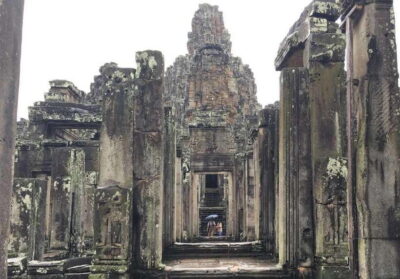

Private one-day tuktuk ‘small tour’ of the oldest Angkor temples
Read our review →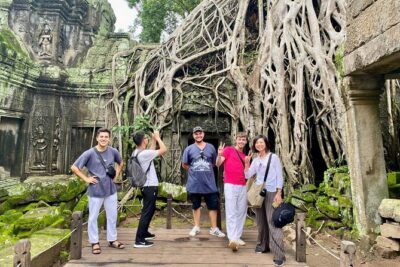
Explore Angkor Temple & Other – Private Vehicle with Tour Guided
Read our review →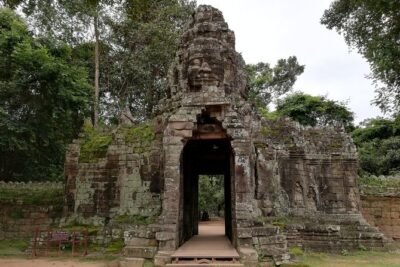
Angkor Wat Private Driver Tours to Angkor Wat Sunrise, Angkor Thom & Ta Prohm
Read our review →Browse the lists this tour appears in