
Reviewed · BANTEAY SREI TOURS
Banteay Srei & Angkor Big Circuit Tour
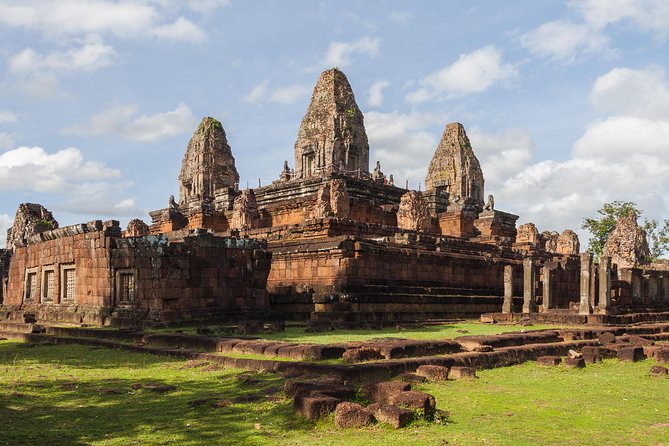
The pink sandstone carvings at Banteay Srei are the star here, but this 8-hour private tour gives you a broader look at Angkor. You move from the pyramid-shaped Pre Rup to the dry reservoir of Eastern Mebon, then finish among the trees and corridors of Ta Som and Preah Khan.
I like the sensible route and the private setup. You get hotel pickup and drop-off, a vehicle chosen with your booking, cold towels, and bottled water. I also like that the tour reaches several outer temples that can feel less rushed than the main Angkor Wat circuit. The main drawback is the extra cost of the Angkor Park ticket, and the guide is included only with certain booking options.
Key points to know
- Banteay Srei brings the finest carvings: This small pink sandstone temple rewards close attention more than speed.
- Five temples make a full day: Pre Rup, Banteay Srei, Eastern Mebon, Ta Som, and Preah Khan create a varied route.
- Private touring keeps the pace flexible: Only your group takes part, with hotel pickup and drop-off included.
- Preah Khan gives the finale real weight: Jayavarman VII built this large temple after victory over the Cham.
- The listed price is $57.50 per person: Angkor Park admission, food, drinks, and gratuities cost extra.
- Guide quality depends on the option selected: Mr. Seng is specifically praised for his historical explanations, while another guide is described as funny, helpful, and well informed.
Why this route works beyond the main Angkor circuit
If you have already seen the famous central temples, this is a useful next step. If you have only one temple day, it offers a strong mix of architecture, sculpture, religious history, and forest-covered ruins, though it does not include Angkor Wat itself.
The route covers five very different sites. Pre Rup gives you a clear pyramid form. Banteay Srei offers delicate carvings in pink stone. Eastern Mebon shows how temple building connected to water management. Ta Som supplies the memorable tree-covered doorway, while Preah Khan gives you a large and layered final stop.
The schedule allows roughly two hours at Pre Rup, two hours at Banteay Srei, one hour at Eastern Mebon, one hour at Ta Som, and two hours at Preah Khan. Those are generous allocations, but driving between sites and stopping for food also take part of the day. Your actual time inside each temple may vary.
This is a private activity, so only your own group participates. That matters at Angkor. You are not tied to the pace of a large coach, and you can ask your guide to explain a carving, pause for photographs, or keep moving when the heat begins to wear you down.
More Banteay Srei trips:
- Full-Day Banteay Srei & 4 Temples – Grand Tours Join-in Tour
★ 5.0 · 1,155 reviews - Siem Reap Tour: Angkor Wat Sunrise, Bayon, Ta Prohm, Banteay Srei
★ 5.0 · 931 reviews - 2-Day Angkor Wat With Small, Big Circuit and Banteay Srei Tour
★ 5.0 · 545 reviews
Pre Rup gives the morning a strong start
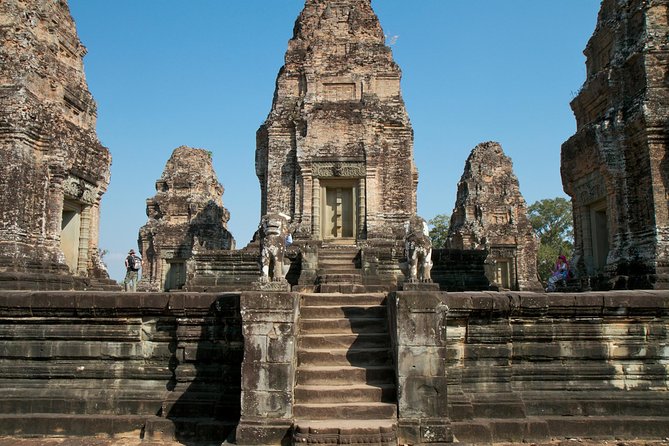
Pre Rup is a pyramid-shaped temple built in brick and laterite, and it gives you an immediate sense of Angkor’s vertical design. Its rising terraces make the structure easy to understand from a distance, while the upper levels bring you closer to the temple’s central sanctuary.
The planned two-hour stop should give you time to walk around the base, study the towers, and climb if conditions allow. The steps can feel steep, so take care and use the time to look closely rather than treating the visit as a quick photo stop.
I like beginning here because Pre Rup is visually direct. You can see how the temple rises in stages, and your guide can explain how Khmer religious architecture linked height with the sacred realm. The site also sets up a useful contrast with Banteay Srei, which is smaller, more intimate, and much more detailed.
The Angkor Park entrance ticket is not included. You need the one-day pass, listed at $37, before entering the temples. Factor that into the tour price from the start.
Banteay Srei is the day’s finest close-up
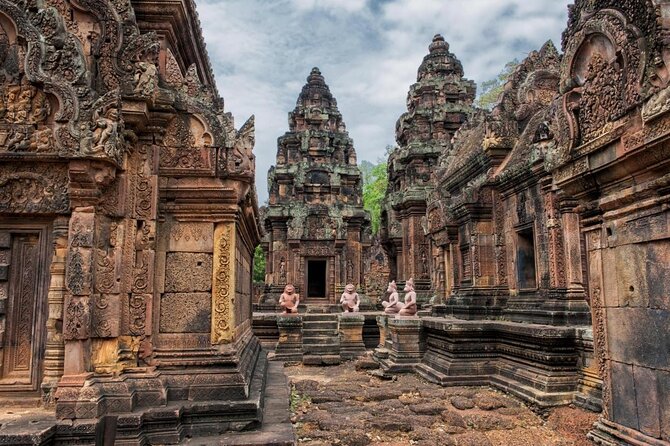
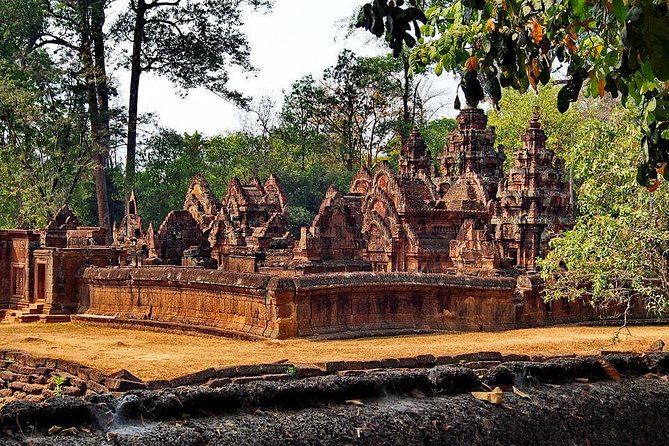
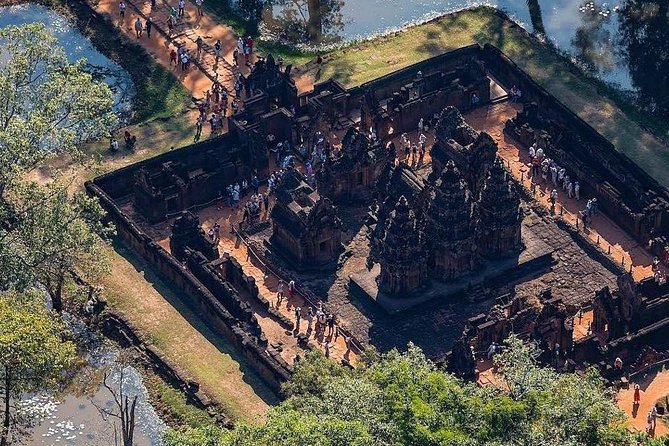
Banteay Srei translates as Citadel of Women. It is famous for its pink-colored sandstone and unusually fine wall carvings. The temple is smaller than many major Angkor monuments, but the detail makes it one of the most rewarding stops on this route.
Give yourself time to look at the lintels, pediments, figures, and decorative patterns. The stone has a warm color that differs from the gray and reddish tones found elsewhere in the Angkor complex. This is the place where a guide can make a real difference, pointing out religious scenes and explaining why the carvings matter.
The popular idea that women built the temple is not established by the supplied tour information, so treat the name as a poetic title rather than a firm historical claim. What is clear is that Banteay Srei has a distinctive identity, and its carvings are the reason many people rate this small temple so highly.
The two-hour allocation is welcome. Banteay Srei is not a site to rush through. You may find that the outer details are more interesting than simply standing before the central sanctuary. Keep your camera ready, but also spend time looking without a screen. The fine carving is easy to miss in a quick walk-through.
This is also the furthest-feeling stop in the route, making the private vehicle useful. You can settle into the ride, carry water, and return to the temples with a clear plan instead of sorting out transport between sites.
Eastern Mebon explains the old reservoir system
After the morning temples, the tour turns to Eastern Mebon. This temple once sat at the center of the East Baray, a large reservoir that is now dry. The site helps you see Angkor as more than a collection of religious monuments. Water storage and control were central to the city’s strength.
The temple itself is described as being in good condition, and its position gives the visit a different feel from the enclosed courtyards of Banteay Srei. Your guide can connect the monument to the reservoir and explain how the setting would have looked when water surrounded it.
You have about an hour here. That is enough for a focused visit, though less than the time set aside for the larger temples. Look for the structure’s overall arrangement first, then use the remaining time for carvings and details.
Eastern Mebon may appeal most if you enjoy understanding how a place worked. It is not only about decorative stone. It shows the scale of Khmer planning and the connection between power, religion, and water.
A few more Siem Reap half-days to weigh up
- Angkor Wat Sunrise or Sunset Tour with Guide from Siem Reap
★ 5.0 · 12,109 reviews - Siem Reap: Angkor Wat: Small-Group Sunrise or Sunset Tour
★ 5.0 · 9,444 reviews - From Siem Reap: Kampong Phluk Floating Village Tour by Boat
★ 4.9 · 6,979 reviews - Sunset tour of Kampong Phluk stilts home village on the Tonle Sap
★ 5.0 · 4,865 reviews
Ta Som supplies the memorable tree and doorway
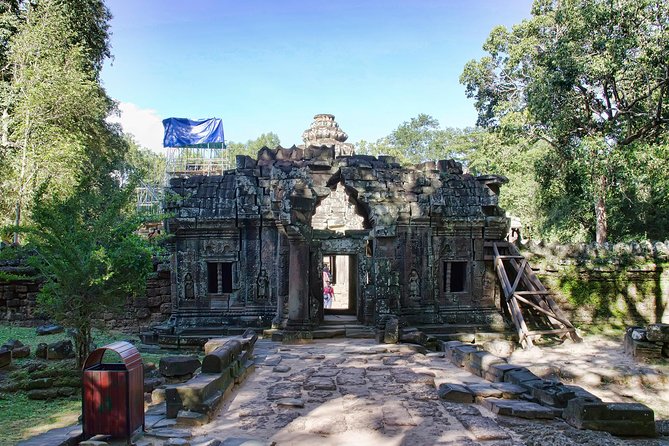
Ta Som is a small temple, similar in some ways to Ta Prohm. Its most recognizable feature is the large strangler fig tree that has engulfed the eastern gate. Nature has become part of the view, and the combination makes this a particularly photogenic stop.
The temple is compact, so one hour is a practical amount of time. Walk through the entrance, look at the tree from more than one angle, and notice how the roots and stone now appear to belong to the same scene. The tree is the obvious attraction, but do not ignore the remaining carvings and passageways.
Ta Som can feel like a relief after the larger monuments. You are not trying to absorb a huge complex all at once. The shorter stop also helps the day maintain its rhythm, especially after the long morning at Pre Rup and Banteay Srei.
The comparison with Ta Prohm is useful, but Ta Som is smaller and less extensive. If you want a vast maze of corridors, it will not replace Ta Prohm. If you want a quieter look at a tree-covered gateway, it earns its place on this route.
Preah Khan closes the day with scale and story
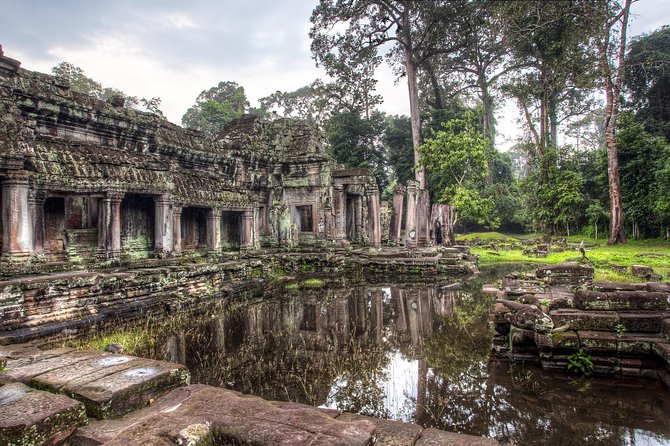
Preah Khan, or Holy Sword temple, is one of the largest ruins at Angkor. Jayavarman VII built it to mark victory over the Cham invasion, and the temple also served as a center of activity in the Angkor period.
The two-hour stop is justified. Preah Khan has long corridors, courtyards, carved details, and a scale that takes time to grasp. The first impression may be of tangled stone and trees, but your guide can help you read the plan of the complex and understand how its sections fit together.
I like ending here because the temple gathers many of the day’s themes. You see religious purpose, royal power, warfare, large-scale planning, and the effects of time on the monuments. After the intimacy of Banteay Srei and Ta Som, Preah Khan restores the grand scale of Angkor.
Two hours can pass quickly. Ask your guide to identify the most important parts before setting off, especially if you are tired. The route through a large ruin can otherwise become a blur of doorways and walls.
What the guide adds to the experience
The guide is one of the most important choices you make when booking. English-speaking guiding is listed only with certain options, so check the exact package before paying. The tour information also lists professional guiding as an inclusion only for limited options, which means the basic price may not cover it.
One guide named Mr. Seng is praised for his explanations of Khmer history. Another guide is described as funny, helpful, and well informed, with a clean, spacious minivan supporting the day. Those details suggest that the best version of this tour depends not only on the route but on the guide and vehicle option you select.
A good guide can explain why Banteay Srei uses pink sandstone, how Eastern Mebon relates to the East Baray, and why Preah Khan was built. Without that context, you still see attractive ruins, but the temples lose some of their meaning.
Ask questions as you go. This is a private tour, so you have more room for conversation than you would on a large group outing. If your group has different interests, tell the guide early. One person may care about sculpture, another about temple layout, and another about photographs.
Transport, timing, and what to bring
Pickup begins around 8:00 a.m. from your accommodation in Siem Reap, with hotel drop-off included at the end. Transport is provided in the vehicle selected at booking. A clean minivan with plenty of space has been specifically praised, though the vehicle type can depend on your option.
The total duration is about eight hours. That makes this a full day, not a quick morning outing. You should expect time in the vehicle as well as time walking around temples.
Bottled water and cold towels are included. Food, soft drinks, and alcohol are not included, but you can buy them at local cafes. Since the route has several stops and the day is long, carry anything else you personally need for a comfortable temple visit.
Wear practical clothing for walking and bring sun protection. The supplied information does not specify a dress code, so you should confirm current temple requirements before departure rather than assume. Comfortable footwear matters more here than fashionable footwear.
The park admission fee is separate. The listed one-day price is $37, and gratuities are recommended but not included. You should also budget for lunch and other drinks.
Is $57.50 per person a fair price?
At $57.50 per person, the tour can be good value if you want private transport and a guide for a full day. The price covers hotel pickup and drop-off, the chosen vehicle, bottled water, cold towels, and the five-stop route.
The value depends on how many people are in your group and which guide option you choose. A private vehicle shared by several people spreads the transport cost, while a solo booking naturally feels more expensive. The guide inclusion needs close attention because it is not available in every option.
The Angkor Park ticket adds $37 per person, bringing the basic known cost to $94.50 before food and gratuities. That is the number I would use when comparing this tour with other full-day choices.
The route itself has more value for someone who wants the outer temples than for someone whose main goal is Angkor Wat. You are paying for a carefully arranged day away from the most familiar central highlights. If Banteay Srei and Preah Khan are high on your list, the price is easier to justify.
Who should book this temple day?
I would suggest this tour for you if you want:
- A private day rather than a large shared coach
- Banteay Srei as a major part of your Angkor visit
- Several outer temples in one organized route
- Hotel pickup and drop-off in Siem Reap
- A guide who can explain Khmer religion, culture, and past society
- A full eight-hour outing with water and cold towels included
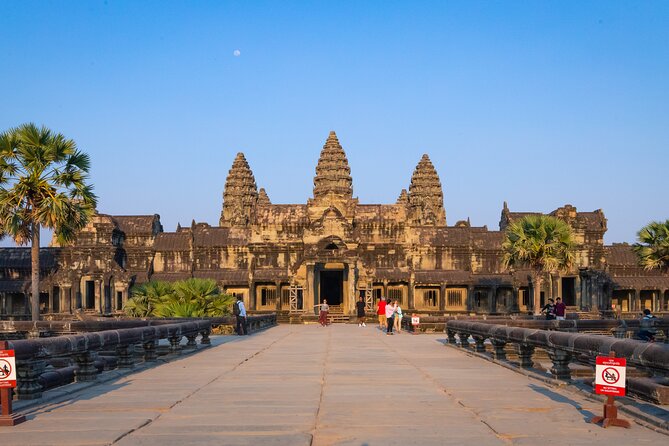
It may be less suitable if you want Angkor Wat, Bayon, or Ta Prohm as the main focus. None of those sites appears in this route. Ta Som has similarities to Ta Prohm, but it is smaller and should not be treated as a substitute for the larger temple.
The pace may also feel long if you are not comfortable walking through several ruins in one day. The private format helps, since your group can communicate with the guide, but the distance and heat remain part of temple touring in Cambodia.
You can cancel for a full refund if you do so at least 24 hours before the 8:00 a.m. start time. Changes or cancellations made within 24 hours are not refunded.
Should you book the Banteay Srei and Big Circuit route?
Book it if you want a strong outer-temple day with Banteay Srei at the center. The route has variety, the private format gives you control, and Preah Khan provides a substantial finish rather than a minor final stop.
Before booking, check three things: the exact vehicle, whether your package includes an English-speaking guide, and the added cost of the $37 Angkor Park ticket. If those terms suit your budget, this is a practical way to see five distinctive temples without arranging separate transport.
I would choose it for the carvings at Banteay Srei, the tree-covered gate at Ta Som, and the chance to understand Eastern Mebon as part of Angkor’s water system. I would skip it only if Angkor Wat and Bayon are still your top priorities, since this day takes you in another direction.
FAQ
How long does the tour last?
The tour lasts approximately eight hours.
What time does pickup begin?
The stated start time is 8:00 a.m.
Is hotel pickup included?
Yes. Hotel pickup and drop-off are included.
Is the Angkor Park entrance ticket included?
No. The one-day Angkor Park ticket is listed separately at $37 per person.
Which temples are included?
The route includes Pre Rup, Banteay Srei, Eastern Mebon, Ta Som, and Preah Khan.
Is an English-speaking guide included?
An English-speaking guide is included only with limited booking options, so check the option details before booking.
Is this a private tour?
Yes. Only your group participates in the activity.
Can I cancel for a full refund?
Yes, if you cancel at least 24 hours before the experience start time. Cancellations within 24 hours are not refunded.
New around Siem Reap
- Siem Reap Temple and Waterfall 3-Day Tour★ 4.5 · 3 reviews
- Siem Reap: Guided Day Trip to Local Village & Cooking Class★ 5.0 · 3 reviews
- Savor the Countryside: Tours with Authentic Cooking Classes”★ 5.0 · 3 reviews
- Siem Reap Private Tour: Angkor Wat Sunrise And Banteay Srei★ 5.0 · 3 reviews
- Angkor Wat Sunrise TukTuk Tour★ 5.0 · 3 reviews
- Angkor Wat Sunset In Private and Small-In-Group★ 4.3 · 3 reviews
- Exclusive Angkor temples and Small group temples tours★ 5.0 · 3 reviews
- Angkor Wat: Highlights and Sunrise with Spanish Guide★ 4.8 · 3 reviews
Banteay Srei Tours, compared.
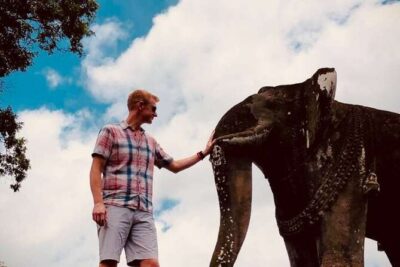
Full-Day Banteay Srei & 4 Temples – Grand Tours Join-in Tour
Read our review →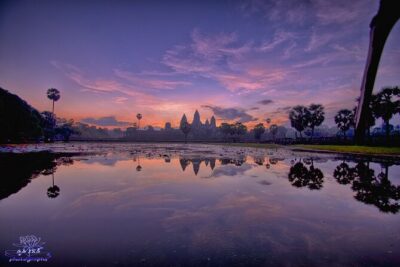
2-Day Angkor Wat With Small, Big Circuit and Banteay Srei Tour
Read our review →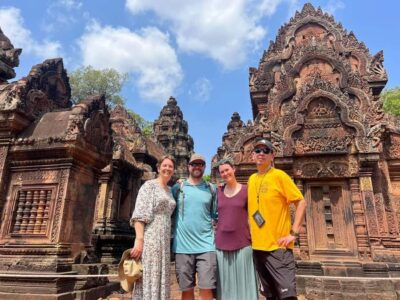
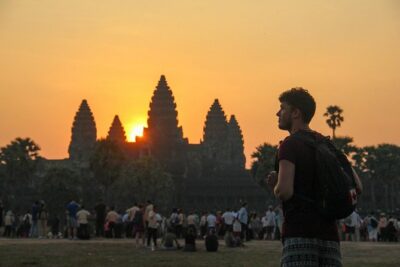
3-Days Discovery Of Angkor: Waterfalls,Floating Village and Banteay Srei temple
Read our review →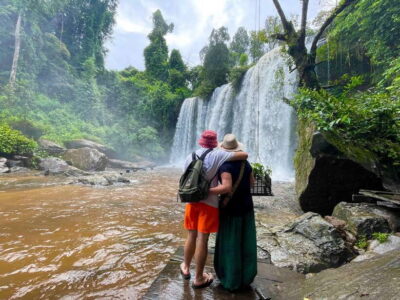
Banteay Srei, Kulen Waterfall & Beng Mealea Exploration
Read our review →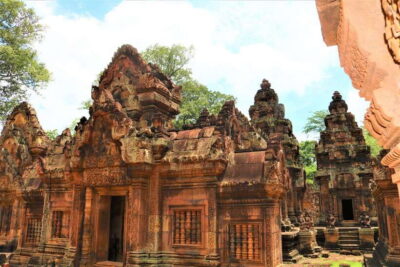
Kulen Waterfall, Banteay Srei, and Beng Mealea Tour
Read our review →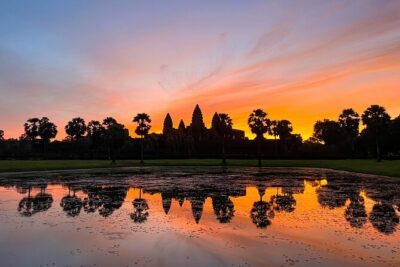
2-Day Angkor Wat Tour with Banteay Srei and Floating Village
Read our review →Browse the lists this tour appears in