
Reviewed · ANGKOR WAT TOURS
2-Day Angkor Wat With Small, Big Circuit & Banteay Srei Tour
Angkor Wat is only the beginning here. This two-day private tour takes you from the famous temple to jungle-wrapped Ta Prohm, the smiling towers of Bayon, the quiet ruins of Ta Nei, and the finely carved pink sandstone of Banteay Srei. You get both sunrise and sunset, plus a guide who can adjust the pace to your group.
I like the private format, which gives you room to linger at a favorite temple or move along when the heat sets in. I also like the practical care: cold water, cool face towels, and an air-conditioned vehicle are welcome after hours among the stones. Guides including Bunhak and Chhay have been praised for clear cultural explanations and for finding strong photo spots.
The main consideration is cost. The $136 price does not include the required temple pass or meals, so budget another $62 for a two to three-day pass, plus food. Two days also means early starts and plenty of walking, but that is the trade-off for seeing Angkor’s major sights without cramming everything into one day.
Key points at a glance
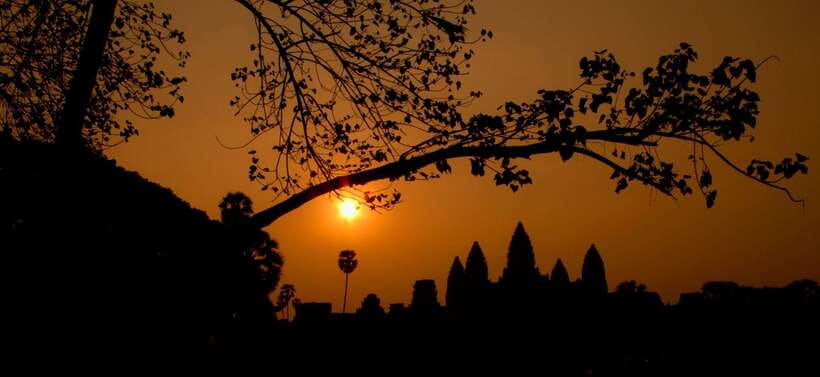
- Sunrise and sunset included: Begin with sunrise behind Angkor Wat and finish the first day from Phnom Bakheng.
- A private guide sets the pace: You can ask for more time with architecture, religion, photography, or Cambodian history.
- The route covers both temple circuits: See the small circuit on day one and the big circuit on day two.
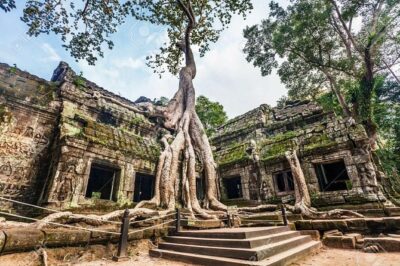
- Ta Prohm brings the Tomb Raider setting to life: Giant tree roots push through the temple walls and courtyards.
- Banteay Srei adds delicate pink sandstone carving: This smaller temple feels different from the huge central monuments.
- Comfort matters in the heat: Transport is air-conditioned, with drinking water and cool towels supplied.
Why two days makes sense at Angkor
Angkor is not one building. It is a huge archaeological area with temples spread across roads, woodland, villages, and rice fields. A one-day visit can cover Angkor Wat and a few headline sights, but it often leaves you rushing from one stop to the next.
This tour gives the major temples room to breathe. Day one concentrates on Angkor Wat, the small circuit, and Angkor Thom. Day two adds the big circuit, Banteay Srei, Banteay Samre, and Banteay Kdei. You see famous places, but also quieter monuments that help you understand the scale of the old Khmer capital.
The private setup is especially useful here. If your group wants detailed explanations of Hindu and Buddhist symbolism, your guide can spend more time on that. If the heat, crowds, or long walks become too much, you can ask for a shorter stop or a different pace.
Your English-speaking guide is licensed, and past guide teams have included Bunhak and Chhay, with drivers such as Sreang and That. You should not assume you will receive one particular guide, but the tour is designed around a guide and driver working together. That matters when you are entering at one side of a temple and leaving at another instead of retracing every step.
More Angkor Wat Tours in Siem Reap:
- Angkor Wat Sunrise or Sunset Tour with Guide from Siem Reap
★ 5.0 · 12,109 reviews - Siem Reap: Angkor Wat: Small-Group Sunrise or Sunset Tour
★ 5.0 · 9,444 reviews - Siem Reap: Angkor Wat 2-Day Tour with Sunrise and Sunset
★ 4.9 · 4,429 reviews
Day one begins with Angkor Wat
Morning pickup starts at your Siem Reap hotel or accommodation. You need to provide the address, hotel name, phone number, and website so the driver can find you, then wait in the lobby about 10 minutes before the scheduled time.
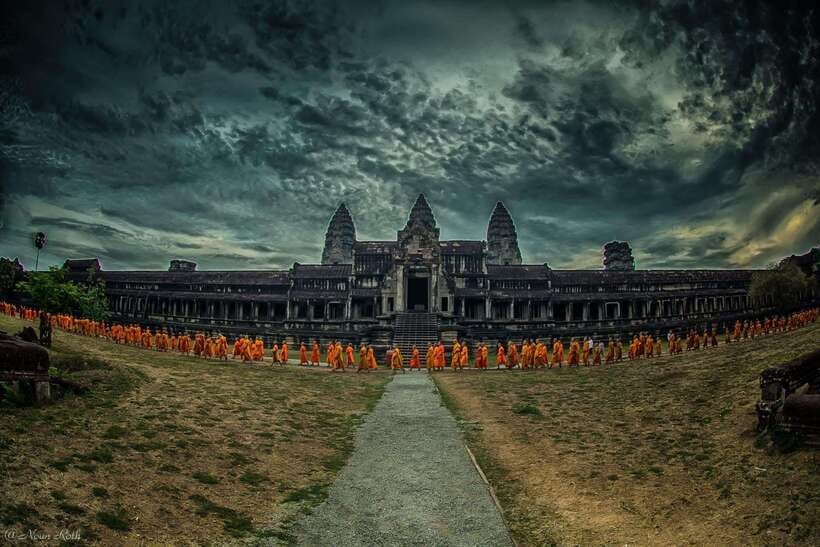
The first major stop is Angkor Wat, the enormous 12th-century temple that gives the wider site its name. Its towers, galleries, courtyards, and bas-reliefs reward a slow visit. Your guide can explain its religious purpose, the stories shown in the carvings, and how the temple fits into Khmer culture.
Angkor Wat can feel grand before you have even reached the central towers. The scale is the point, but it can also be tiring. Expect several hours of walking and standing, with stone surfaces and exposed areas adding to the effort. The tour does not include the temple pass, so you need to purchase a two to three-day pass separately. The stated cost is $62 per person, while children under 12 enter free.
After Angkor Wat, the route continues around the small circuit. The exact pace can change with your group, but the appeal is variety. Some temples feel open and monumental, while others are compact and atmospheric. Your guide helps connect the remains to the religious ideas and royal power behind them instead of leaving you to guess what each doorway meant.
Ta Prohm and the trees of Tomb Raider
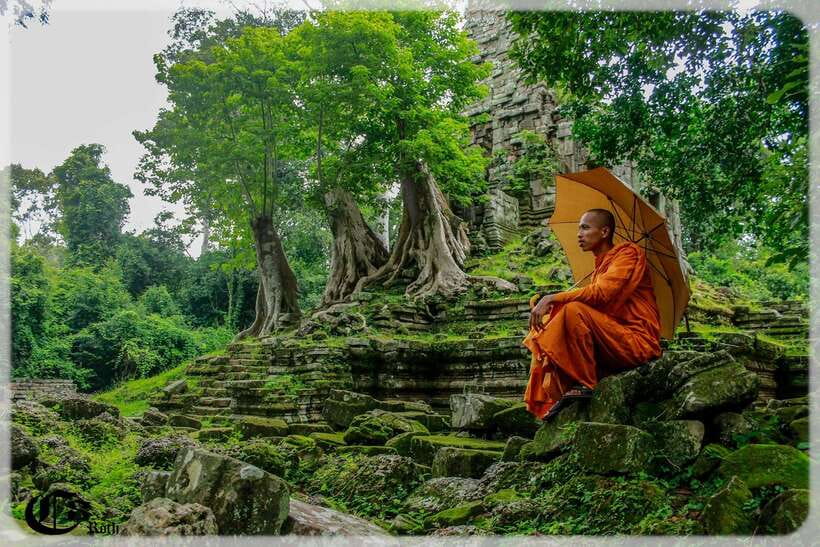
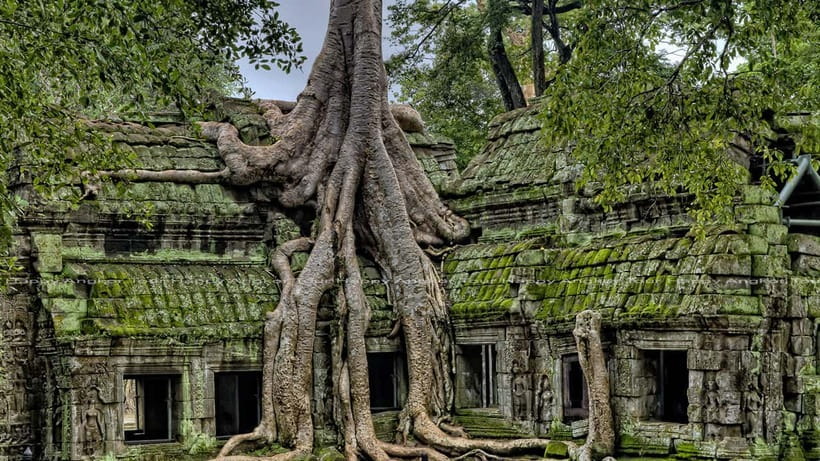
Ta Prohm is the stop many people picture when they think of Angkor outside the main temple. Tree roots grip the walls and spill across stone galleries, giving the site a dramatic, untidy look that contrasts with the ordered design of Angkor Wat.
The temple was used as a filming location for Tomb Raider, but the movie connection is only part of its appeal. Ta Prohm shows what happens when a large stone complex is left in close contact with the forest. Roots, broken lintels, narrow passages, and half-collapsed walls make this one of the most atmospheric stops on the route.
It is also a place where your guide adds real value. The trees are easy to photograph, but the carvings and layout can be harder to read. Ask your guide to point out details rather than treating the temple as a quick picture stop.
Lunch follows at a local restaurant, with food available for purchase. Meals are not included, so keep cash available for lunch and for the next day’s meals. The schedule gives you a break, but do not expect a long rest day. Angkor touring remains active from morning until late afternoon.
Ta Nei and Angkor Thom’s smiling towers
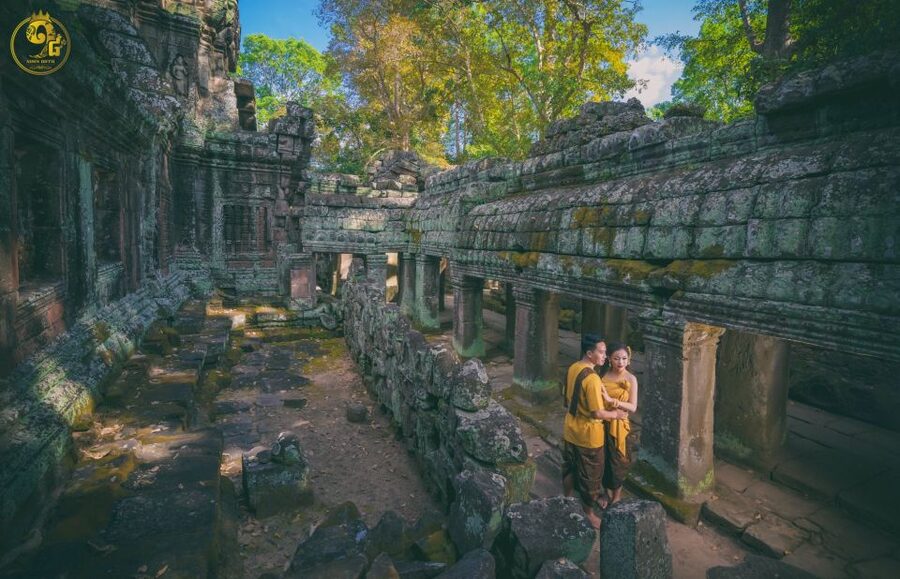
After lunch, the tour continues to Ta Nei, a smaller temple with a quieter feel than Angkor Wat or Ta Prohm. Its more modest scale makes it useful as a contrast. You can focus on stonework and setting without the same sense of spectacle found at the biggest monuments.
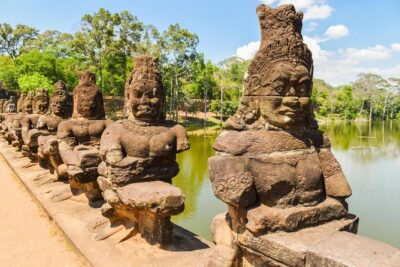
The route then reaches Angkor Thom through the Victory or Death Gate. This was a major royal city, not simply a collection of temples. Moving through the gate gives you a sense of entering a planned urban center, even though much of the original city has disappeared.
Inside, Bayon is the star. Its towers carry the famous serene faces, and the tour notes 49 smiling towers. The temple can be confusing at first, with galleries and upper levels arranged in a tight plan. A guide helps you understand the layers of the building and spot details you might otherwise miss.
The nearby Baphoun temple brings a different mood. Behind it, you can see the immense Reclining Buddha. From there, the walking route continues past the Royal Enclosure Wall, Phimeanakas, the Elephant Terrace, the Leper King Terrace, and Palilay.
This is a full afternoon, and the list of stops may sound shorter on paper than it feels on foot. The advantage of a private tour is that you can tell your guide which sites deserve more time. If you care most about sculpture, religious meaning, or royal history, say so early.
More Banteay Srei trips:
- Full-Day Banteay Srei & 4 Temples – Grand Tours Join-in Tour
★ 5.0 · 1,155 reviews - Siem Reap Tour: Angkor Wat Sunrise, Bayon, Ta Prohm, Banteay Srei
★ 5.0 · 931 reviews - 2-Day Angkor Wat With Small, Big Circuit and Banteay Srei Tour
★ 5.0 · 545 reviews - From Siem Reap: Banteay Srei Temple & Grand 5 Temple Tour
★ 4.8 · 262 reviews
Phnom Bakheng supplies the first day’s finish
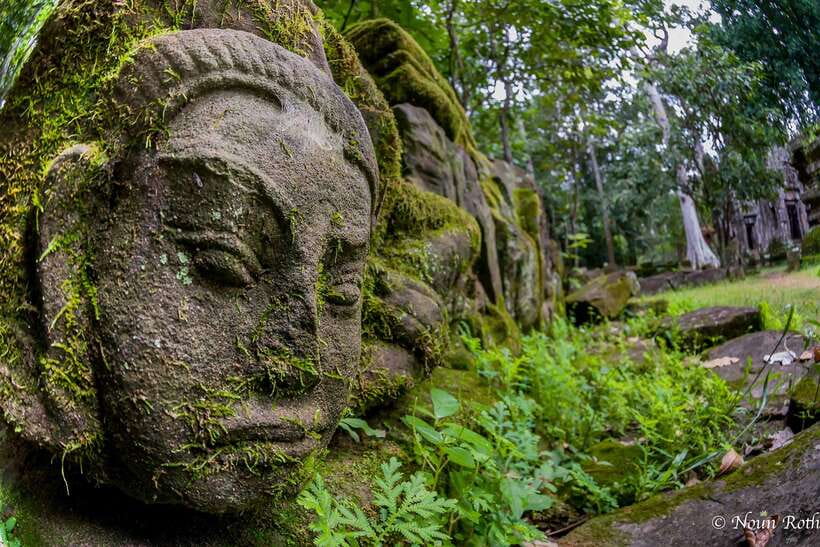
The first day ends with sunset from Phnom Bakheng. The hill gives you a high viewpoint over the surrounding area, making it a fitting close to a day spent among temples.
Sunset access can be popular, and the climb adds another physical demand after hours of walking. Conditions also depend on the day and site controls. Still, the chance to finish above the trees and temples gives day one a clear rhythm: Angkor Wat in the morning, jungle ruins and Angkor Thom through the afternoon, then a high viewpoint at day’s end.
You return to your Siem Reap accommodation after the sunset stop. The supplied transport is private and air-conditioned, an important detail after a hot day. Cold drinking water and wet face towels are provided, and this small service has been especially appreciated by people who spent the day in the heat.
Sunrise at Angkor Wat on day two
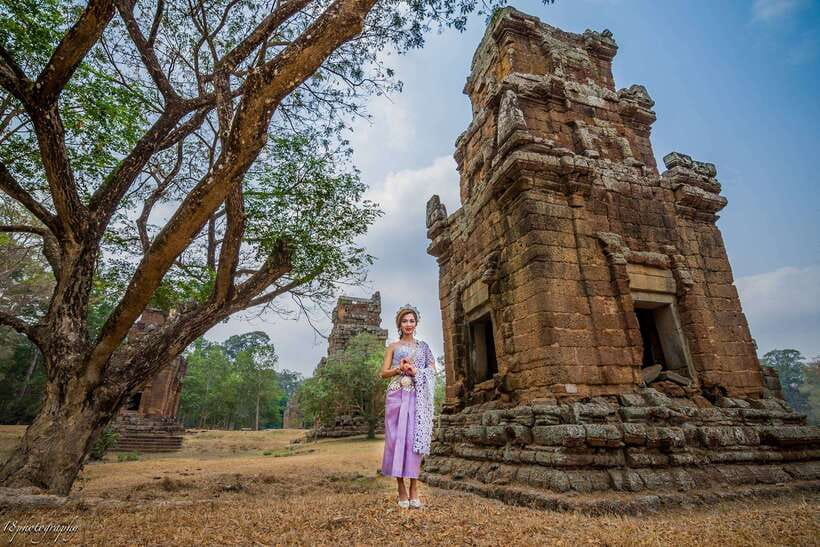
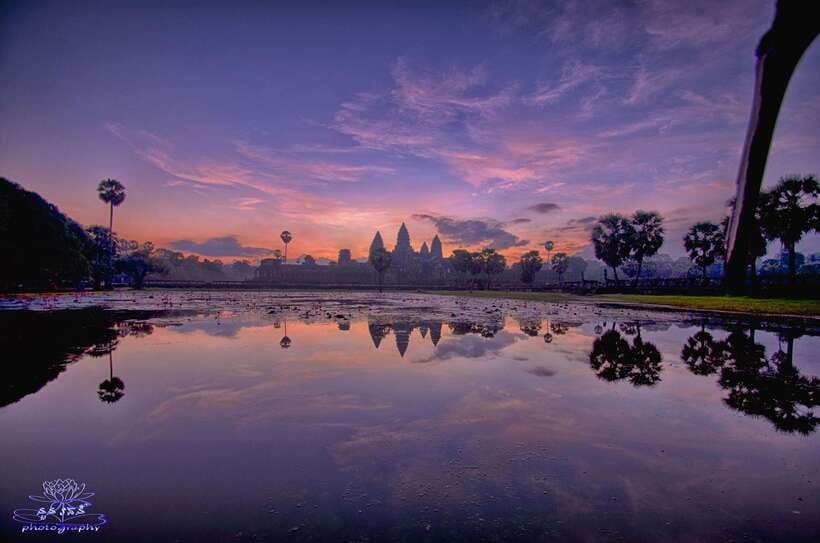
Day two starts bright and early at Angkor Wat. The goal is to watch the sunrise behind the temple, a classic Angkor scene that gives you a second look at the monument before the main sightseeing begins.
You then return to your hotel for breakfast, or stop at a restaurant at your own expense. Breakfast is not included. Confirm the timing with your guide, since the early start and the day’s long route make a proper meal worthwhile.
The private format helps here. You are not tied to the interests of a large group, and your guide can help position the morning visit within the rest of the day. One guide, Bunhak, has been praised for choosing a strong sunrise position and for finding useful places for photographs. Those skills matter at Angkor, where the best view often depends on where you stand, not simply which temple you visit.
The big circuit: Preah Khan to Pre Rup
After breakfast, you head along the big circuit. Preah Khan is one of the major stops, with long galleries, courtyards, and a strong sense of movement through the ruins. It gives you another chance to see how Khmer temples combined religious space with royal power.
Neak Pean is a smaller and more unusual site, associated with a set of pools and a central sanctuary. It breaks up the long succession of towers and galleries. Ta Som offers another atmospheric stop, with vegetation pressing close to the ruins and a quieter scale than the headline temples.
East Mebon and Pre Rup bring a more formal, brick-and-stone style. Their elevated structures and strong lines help you compare different temple designs across the Angkor period. You do not need to be an architecture expert to enjoy the differences, but a guide can point out how materials, layouts, and religious functions change from place to place.
Lunch is again at your own expense. The vehicle and driver remain important because the temples are spread out. You can cool down between stops rather than walking the entire route, and the air-conditioning offers a useful reset before the afternoon.
Rice fields and the pink stone of Banteay Srei
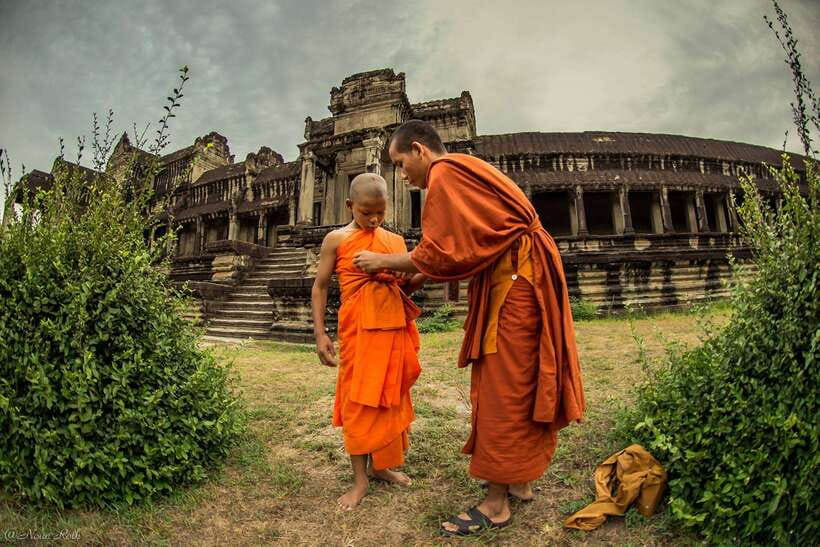
After lunch, the route leaves the central temple area and runs through villages and rice-paddy fields toward Banteay Srei. The change of setting is part of the experience. You see more of Siem Reap Province beyond the best-known monuments, with rural views replacing the concentrated temple zone.
Banteay Srei is often called the Ladies Temple. Its pink sandstone and small-scale carvings set it apart from the massive structures seen earlier. The decoration is unusually fine, and the smaller proportions make the details easier to appreciate at close range.
This stop is one reason the two-day plan works well. After a day of giant monuments and royal-city ruins, Banteay Srei offers precision rather than sheer size. Look closely at the carved figures, doorways, and decorative bands. Your guide can explain the Hindu connections and the imagery associated with goddesses and other religious figures.
The drive out to Banteay Srei also adds time in the vehicle. That is a benefit if you need a break from walking, but it makes day two a long day overall. If you prefer a short temple visit and more time back in town, tell your guide. The itinerary is private, so your interests can shape the balance.
Banteay Samre and Banteay Kdei close the route
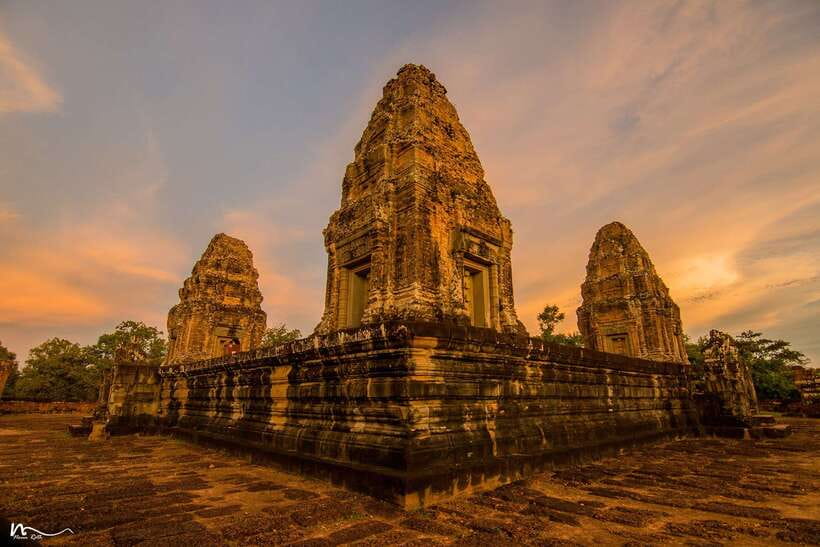
Banteay Samre follows Banteay Srei. It is another chance to see Khmer temple design away from the biggest crowds and most famous movie settings. The stop keeps the afternoon varied instead of sending you straight back after the farthest temple.
The final listed temple is Banteay Kdei. Its position at the end of two days gives you one more ruin to explore before returning to Siem Reap. By this point, you will have seen an unusually broad spread of Angkor sites, from the grand ceremonial center to smaller outlying temples.
Banteay Kdei also connects neatly with the feel of the small circuit. It is a good final stop for comparing the more intimate temple spaces with the enormous scale of Angkor Wat and Angkor Thom. You may be tired by then, but the private vehicle means you do not need to manage a long return walk to a shared meeting point.
What the $136 price really covers
At $136 per person, the tour includes two days of private air-conditioned transport, hotel pickup and drop-off, a live English-speaking guide, cool drinking water, and face towels. It does not include the $62 temple pass or meals.
For one person, the full basic cost is therefore at least $198 before food. That is not a budget temple outing. The value comes from having a private vehicle and guide for two long days, a broad itinerary, and help with timing, route planning, cultural context, and photo locations.
The price makes more sense for couples, families, or friends who value flexibility. A private group can divide the cost across several people, while a solo visitor may find the total harder to justify. You are also paying for convenience: hotel service, transport between widely separated temples, and a guide who can adjust the day.
Food costs remain under your control because lunch and breakfast are not bundled. You can buy meals locally, but bring enough money for both days. The tour provides water and towels, not a full meal plan.
How the guiding and transport shape the day
The strongest practical feature is the guide and driver partnership. Past teams such as Bunhak with Sreang, and Chhay with That, have been praised for history, mythology, religion, and Cambodian culture explained in English. Chhay has also been noted for adjusting the pace and helping a group enjoy a full 48 hours without making the experience feel like a race.
You should ask questions. This is not just a ride between photo stops. Angkor’s carvings and temple plans can look similar after several hours, and a good explanation gives each site its own identity.
The driver handles the road and returns you to the vehicle after each visit. At some temples, the guide can take you in through one side and out through another, reducing unnecessary backtracking. Cold water and wet towels waiting in the van may sound minor before the tour, but after a hot walk they become one of the day’s best comforts.
There is no promise of a specific guide, meal, or exact starting time in the supplied details. Check availability for the actual start times when booking, and provide accurate accommodation information for pickup.
Who should book this two-day Angkor plan?
I would choose this tour if you want the main Angkor monuments but also care about smaller temples, rural scenery, and explanations in English. It suits first-time visitors who do not want to build a complex temple route on their own.
It also fits families and private groups because the pace can be adjusted. You can spend more time at Ta Prohm, Bayon, or Banteay Srei, or move on when everyone has had enough stone and sun.
I would think twice if you dislike early mornings, long walking days, or paid add-ons. Sunrise, sunset, and a two-day temple schedule require energy. The pass and meals raise the true cost, and the second day includes a longer drive to Banteay Srei.
Free cancellation is available up to 24 hours before the tour, and you can reserve now and pay later. Those terms help if your Siem Reap plans are still moving, but they do not change the need to budget for the separate temple pass.
Should you book it?
Book this tour if you want broad Angkor coverage with private flexibility, especially if sunrise at Angkor Wat, Ta Prohm’s tree roots, Bayon’s faces, and Banteay Srei’s pink carvings all matter to you.
Skip it if you want a slow, single-temple study or a low-cost outing. For most first visits, though, the two-day structure is sensible. You get the famous sights, quieter stops, both major circuits, and a guide who can turn a very large archaeological site into a readable story.
FAQ
How long is the tour?
The tour lasts two days.
Is the tour private?
Yes. It is offered for a private group rather than as a shared group tour.
Is hotel pickup included?
Yes. Pickup and drop-off are included from hotels and other accommodation in Siem Reap Province. You should provide the accommodation address, name, phone number, and website.
What language does the guide speak?
The live guide speaks English.
Is the Angkor temple pass included?
No. The temple pass is separate. A two to three-day pass costs $62 per person, and children under 12 have free entrance.
Are meals included?
No. Food is available for purchase, including breakfast and lunch stops. Meals are not included in the tour price.
What temples are visited on day one?
Day one includes Angkor Wat, temples on the small circuit, Ta Prohm, Ta Nei, Angkor Thom, Bayon, Baphoun, the Reclining Buddha, the Royal Enclosure Wall, Phimeanakas, the Elephant Terrace, the Leper King Terrace, Palilay, and sunset at Phnom Bakheng.
What temples are visited on day two?
Day two includes sunrise at Angkor Wat, Preah Khan, Neak Pean, Ta Som, East Mebon, Pre Rup, Banteay Srei, Banteay Samre, and Banteay Kdei.
What is included for comfort during the tour?
Private air-conditioned transportation, cool drinking water, and face towels are included.
More 2-Day Experiences in Siem Reap
- Angkor 2-Day Sunset & Sunrise Small-Group Tour
★ 5.0 · 2,567 reviews - 2 Days Exclusive Temple Highlights with Sunset and Sunrise Tour
★ 5.0 · 1,157 reviews - Siem Reap: Angkor Sunrise 1- or 2-Day Guided Temples Tour
★ 4.9 · 1,132 reviews - 2 Days Guided Historical Tour in Angkor
★ 5.0 · 855 reviews
New around Siem Reap
- Siem Reap Temple and Waterfall 3-Day Tour★ 4.5 · 3 reviews
- Siem Reap: Guided Day Trip to Local Village & Cooking Class★ 5.0 · 3 reviews
- Savor the Countryside: Tours with Authentic Cooking Classes”★ 5.0 · 3 reviews
- Siem Reap Private Tour: Angkor Wat Sunrise And Banteay Srei★ 5.0 · 3 reviews
- Angkor Wat Sunset In Private and Small-In-Group★ 4.3 · 3 reviews
- Angkor Wat Sunrise TukTuk Tour★ 5.0 · 3 reviews
- Angkor Wat: Highlights and Sunrise with Spanish Guide★ 4.8 · 3 reviews
- Full Day to Banteay Srei, Kulen National Park and Beng Mealea★ 5.0 · 3 reviews
Angkor Wat Tours, compared.
Angkor Wat Sunrise or Sunset Tour with Guide from Siem Reap
Read our review →
Angkor Wat: Small-Group Sunrise or Sunset Tour
Read our review →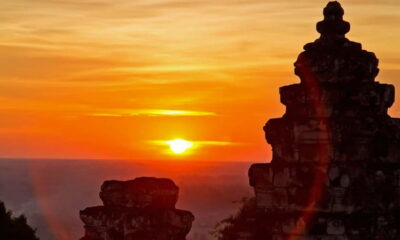
Angkor Wat Sunrise tour with Small – Group and Guide tours
Read our review →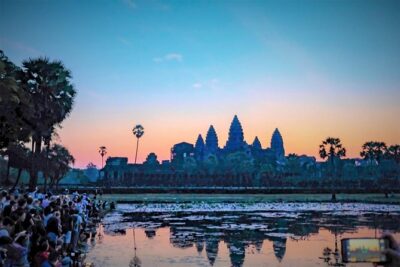
Angkor Wat Highlights and Sunrise Guided Tour from Siem Reap
Read our review →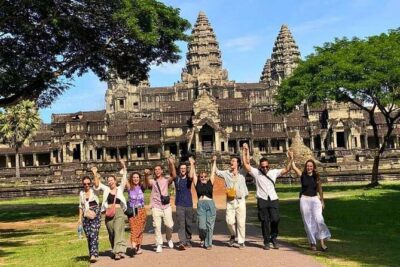
Angkor Wat Sunset Small Group Tour with Lunch Included
Read our review →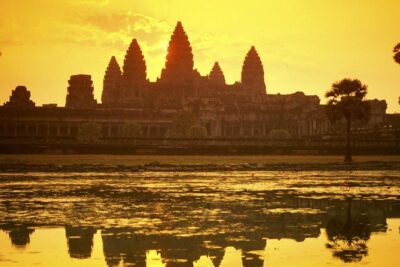
Full-Day Angkor Wat Sunrise Private Tour with Guide from Siem Reap
Read our review →
Angkor Wat Sunrise & 3 Main Temples with Breakfast – Small Group
Read our review →Browse the lists this tour appears in