
Reviewed · ANGKOR WAT TOURS
2-Day Angkor Wat, Banteay Srei & Floating Village Kampong Pluk
Angkor Wat is only the beginning here. This private two-day tour links the famous temples with quieter ruins, a sunset climb, and Kampong Pluk’s stilted village on Tonle Sap Lake. You get a broad look at the Angkor area without having to arrange several separate excursions.
I like the way the schedule mixes headline sights, such as Angkor Wat and Bayon, with less visited Ta Nei and Preah Palilay. I also like having the same driver and English-speaking guide for both days, with guides including Chhay, Vanna, Bun and Lonn praised for strong historical explanations and helpful photographs.
The main drawback is the pace. Day one runs from an 8:00am pickup through a possible sunset at Phnom Bakheng, while day two begins at 5:00am and includes a long boat excursion before more temples. The $166 price also excludes the Angkor pass, the floating village ticket, boat ride, and meals.
Key things to know before booking
- Sunrise and sunset are both included: You begin day two at 5:00am for Angkor Wat sunrise and may finish day one at Phnom Bakheng.
- It is a private tour: Only your own group participates, making it easier to adjust the pace or skip a stop.
- The temple mix is unusually broad: You see major monuments, tree-covered ruins, quiet sanctuaries, royal terraces, and smaller temples.
- Kampong Pluk requires an extra $20: The Tonle Sap visit includes a private boat ride, but the lake and village ticket is not included.
- The Angkor pass costs $62: This important extra charge is separate from the advertised tour price.
- The days are long: You need enough energy for extensive walking, temple steps, heat, and an early start.
Two days that cover far more than Angkor Wat
Many first visits to Siem Reap focus almost entirely on Angkor Wat. This plan gives you a fuller picture of the former Khmer capital. It combines the grand scale of Angkor Wat and Angkor Thom with smaller temples where trees, stone corridors, and quiet courtyards often matter more than famous photo spots.
Your air-conditioned vehicle picks you up at your hotel or guest house. The package includes a driver, an English-speaking licensed guide, road tolls, parking, drinking water, and towels. That last pair is practical in Cambodia’s heat, especially on a day with several hours outside.
Since only your group participates, you can ask for more explanation at Bayon, move more quickly through a smaller ruin, or skip the sunset stop if you are worn out. The schedule is still ambitious, though. Private does not mean leisurely here.
More Angkor Wat Tours in Siem Reap:
- Angkor Wat Sunrise or Sunset Tour with Guide from Siem Reap
★ 5.0 · 12,109 reviews - Siem Reap: Angkor Wat: Small-Group Sunrise or Sunset Tour
★ 5.0 · 9,444 reviews - Siem Reap: Angkor Wat 2-Day Tour with Sunrise and Sunset
★ 4.9 · 4,429 reviews
Day one begins at Angkor Wat
Pickup is scheduled for 8:00am after breakfast. On the way to the temples, the guide helps arrange the required temple pass. The Angkor pass costs $62 per person and is not part of the tour price, so include it in your budget from the start.
You have about two hours at Angkor Wat. That is enough for a meaningful first visit, but not enough to inspect every gallery and relief at length. The temple’s scale is the first thing that strikes you: long galleries, towers, courtyards, and carefully planned approaches make it much more than a single picture-stop monument.
A good guide matters here. The religious symbols, stone carvings, and changing uses of the complex can otherwise blur together. Guides such as Vanna and Lonn are praised for explaining history, architecture, religion, and local culture in an engaging way. Chhay and Bun are also noted for taking particularly good photographs, a useful bonus if you want more than quick phone snapshots.
Ta Prohm brings the trees and the film connection
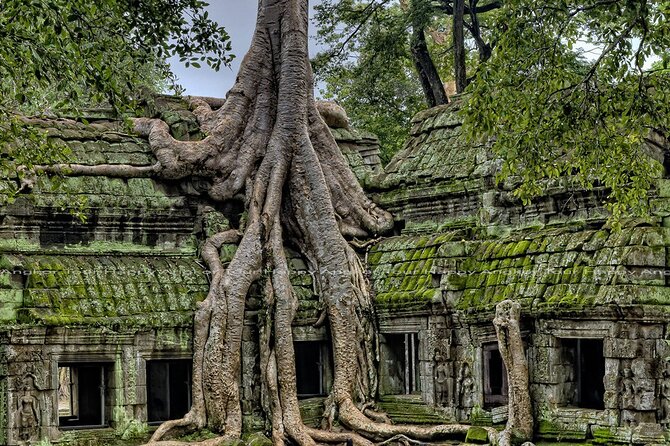
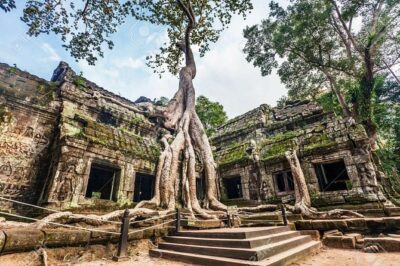
Next comes Ta Prohm, reached by the small circuit road. You have about two hours, which gives this temple more room than a quick stop. Ta Prohm is famous for huge tree roots spreading over walls and galleries, creating the image many people associate with the Angkor ruins.
The Hollywood connection to Tomb Raider helped make Ta Prohm famous, but the temple is worth your time even if you have no interest in the film. The roots show how the site looked before complete clearance and restoration, or at least give a strong sense of nature pressing into the old stonework.
This is one of the busiest parts of the Angkor visit, and the roots naturally draw cameras. Your private guide can help put the popular images into context rather than letting the stop become a hunt for one familiar frame. Two hours should suit you if you want to look at both the famous tree-covered sections and the temple’s carved details.
Ta Nei offers a quieter change of pace
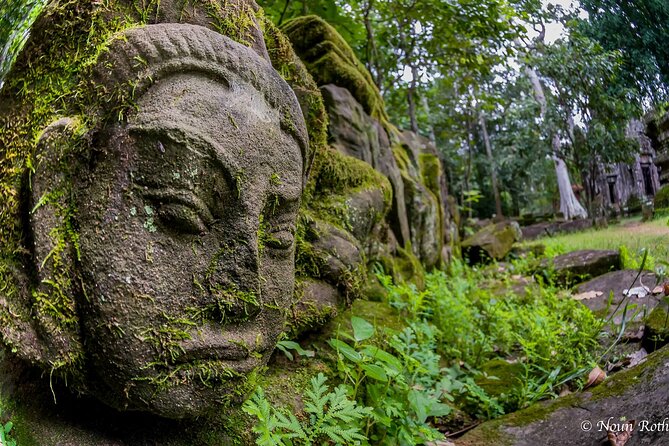
After lunch, the route turns to Ta Nei for about 45 minutes. This small Buddhist temple has seen less restoration and sits among large trees. It does not have Angkor Wat’s scale or Ta Prohm’s fame, but that is exactly its appeal.
Ta Nei gives you a pause from the biggest crowds and grandest monuments. The rougher condition lets you see stone, vegetation, and time working together. I would treat it as a mood stop rather than a place requiring a long lecture or a checklist of major structures.
Lunch is not included. The listed estimate is about $5 per person, depending on the menu. The information provided names lunch as an extra but does not specify a particular restaurant, so allow room for your own food choice and budget.
More Banteay Srei trips:
- Full-Day Banteay Srei & 4 Temples – Grand Tours Join-in Tour
★ 5.0 · 1,155 reviews - Siem Reap Tour: Angkor Wat Sunrise, Bayon, Ta Prohm, Banteay Srei
★ 5.0 · 931 reviews - 2-Day Angkor Wat With Small, Big Circuit and Banteay Srei Tour
★ 5.0 · 545 reviews - From Siem Reap: Banteay Srei Temple & Grand 5 Temple Tour
★ 4.8 · 262 reviews
Angkor Thom moves from gates to smiling faces
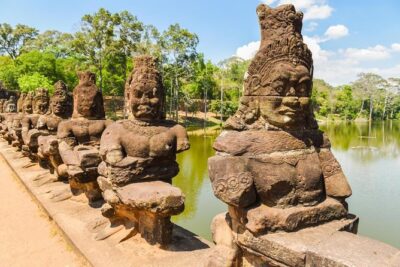
The afternoon continues to Angkor Thom, the vast walled city that contains several major stops. The route first pauses at the Victory Gate on the east side for about 15 minutes. This is a short photo stop, not a full temple visit.
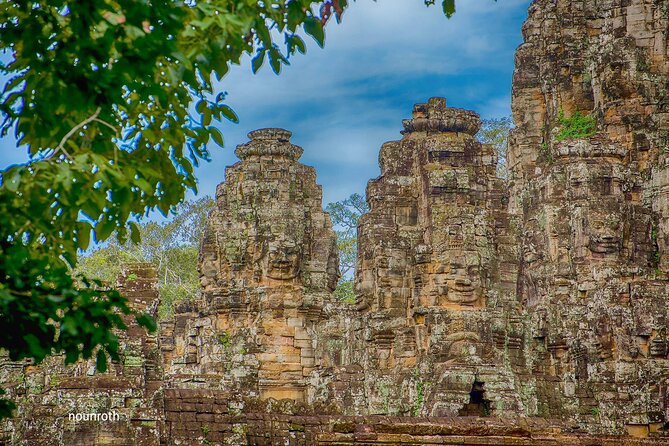
Bayon follows, with roughly 45 minutes. Located in the center of Angkor Thom, Bayon is known for its towers carved with serene faces. The tour description refers to 49 towers and commonly describes the site as having about 216 smiling faces. Whatever number you count, the effect is memorable: faces look out from several directions, making the temple feel watchful and human.
I would listen closely here. Bayon can seem like a maze of stone towers until someone explains how its layout, faces, and religious ideas fit together. The 45-minute visit is useful for orientation, though you may want more time if you study carvings carefully.
Baphuon is next, also for about 45 minutes. This Hindu temple dates from the 11th century, before Angkor Wat. Behind it is a large reclining Buddha added in the 16th century. The combination shows how religious use and interpretation changed over time.
Phimeanakas receives about 20 minutes. This pyramid temple dates to the 10th century and sits in the area of the old royal palace. The nearby Royal Enclosure Wall helps you picture Angkor Thom not just as a collection of temples, but as a royal city with ceremonial and political spaces.
Royal terraces and a small wooded sanctuary
The Terrace of the Elephants gets a 15-minute stop. Kings used this long platform to view returning armies, and elephant carvings decorate its walls. It is more about scale, function, and carved detail than climbing into a temple interior.
The Terrace of the Leper King is nearby and also receives about 15 minutes. Its position beside the Elephant Terrace makes it easy to see both without a long transfer. The short time works well for a guided explanation and photographs, but anyone fascinated by relief work may want to ask for a little extra attention here.
Preah Palilay is the final small stop before the sunset climb, with about 10 minutes. This Buddhist sanctuary sits in a wooded area north of the old royal palace. It is a brief detour, but one of the more peaceful corners of the day.
Phnom Bakheng closes a very full first day
The day ends at Phnom Bakheng. The plan allows about two hours to climb the hill and wait for sunset. You can skip this stop if you do not want to wait, which is a useful choice after a long day of temples.
The sunset viewing depends on the date and conditions, so think of it as a possible closing scene rather than a guarantee of perfect color. The important practical point is the schedule: you may finish day one well after the first group of temple visits, then need to return to your hotel, eat, and prepare for a 5:00am pickup.
Angkor Wat at sunrise requires an early alarm
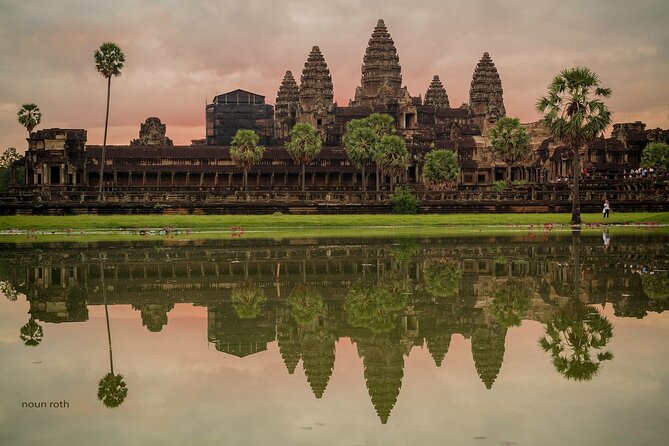
Day two begins at 5:00am. You return to Angkor Wat for about one hour and 45 minutes, timed around sunrise. This is a very different visit from the previous morning’s daytime tour. The changing light gives the towers and reflecting pool a new appearance, while the early start places you among people who have come specifically for this view.
You then return for breakfast before heading to Tonle Sap Lake. The sunrise stop is valuable because Angkor Wat’s appearance changes with the light, but it adds another early start to an already demanding schedule. If you value photographs and atmosphere, it earns its place. If you need slow mornings, this is the first part of the itinerary to consider carefully.
Kampong Pluk shows a different side of Siem Reap
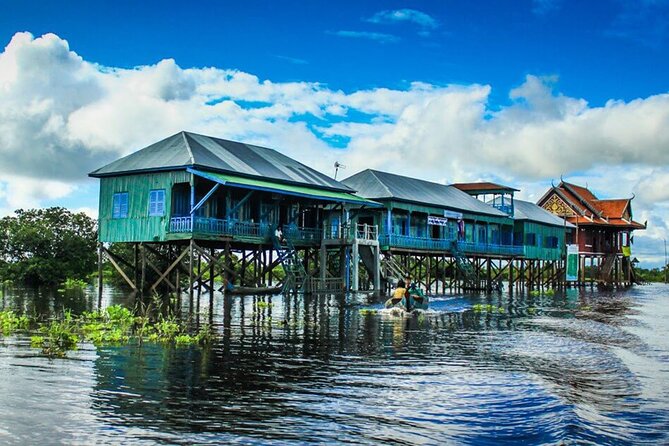
After breakfast, you spend about four hours at Kampong Pluk. The village sits on Tonle Sap Lake, and the visit uses a private boat to pass stilt houses and fishing communities.
This is an important contrast with the stone monuments. Instead of royal architecture and carved gods, you see a lake-based way of life shaped by fishing and seasonal water levels. The boat ride gives you a moving view of the village rather than a quick roadside stop.
The floating village ticket and private boat cost $20 per person, separate from the tour price. That charge is easy to overlook when comparing packages, so calculate it in advance. The four-hour allocation also makes this more than a brief add-on, and it may be the part of the tour you remember most clearly if you want local life alongside temples.
Banteay Srei rewards careful looking
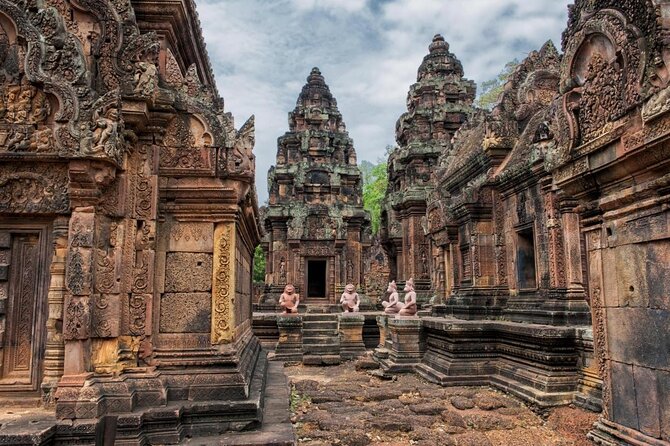
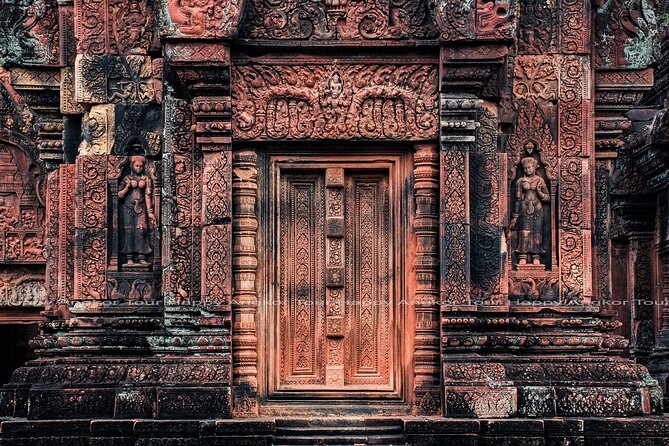
After lunch, the route heads to Banteay Srei, known as the Ladies Temple. You spend about an hour here. Built from rare pink sandstone in the second half of the 10th century, the temple is smaller than Angkor Wat but famous for fine carving and jewelry-like detail.
The scale changes the experience. At Angkor Wat, you look across a monumental complex. At Banteay Srei, you look closely at carved surfaces and decorative workmanship. The one-hour stop is enough to appreciate its main qualities, though you may feel it passes quickly if your guide points out many details.
Banteay Samre and Pre Rup keep the afternoon moving
Banteay Samre receives about 45 minutes. This 12th-century Hindu temple is often compared in design with Angkor Wat. It gives you another chance to see how Khmer builders used towers, galleries, enclosed courtyards, and religious images in different settings.
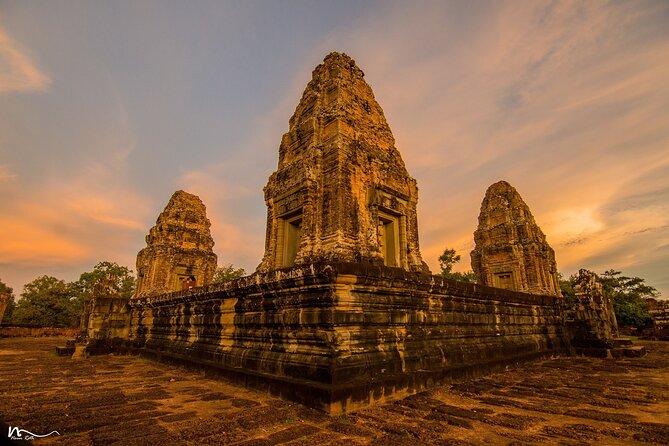
Pre Rup follows for about 30 minutes. Built in the late 10th century and dedicated to Hindu gods, it is associated with the phrase turn the body and with beliefs about funerary rites. The stop is short, so expect a focused explanation and a walk through the main structure rather than an exhaustive visit.
Banteay Kdei ends the temple circuit
The final stop is Banteay Kdei, visited for about 45 minutes. This 12th-century Buddhist temple shares stylistic links with Ta Prohm and Bayon. It gives the second day a useful echo of places you saw earlier, but with another layout and a different sense of space.
Ending here also makes the overall plan feel deliberate. You have moved from Angkor Wat’s grand scale, through Ta Prohm’s tree roots and Bayon’s faces, to smaller sanctuaries and more detailed carvings. Banteay Kdei is not the biggest finale, but it completes the comparison between Buddhist and Hindu sites across the two days.
What the $166 price really buys
The advertised cost is $166 per person. It covers hotel pickup and drop-off, the air-conditioned vehicle, driver, licensed English-speaking guide, water, towels, parking, and road tolls.
For a private two-day program with a dedicated guide and driver, that can be a sensible price, especially for families or a small group that values its own schedule. The private format also avoids joining an unknown group and lets you ask for more time at a favorite temple.
Your actual cost is higher. Add the $62 Angkor pass, the $20 Kampong Pluk ticket and boat, and approximately $5 per lunch depending on the menu. With two estimated lunches, the listed extras total about $92 per person, bringing the rough combined cost to about $258 per person before any other food costs.
Group discounts are offered, but the amount is not specified. Ask for the exact group price before booking rather than assuming the per-person rate will change substantially.
Who will get the most from this tour
I would choose this for a first visit to Siem Reap if you want the major temples but also want some quieter sites and a Tonle Sap experience. Families can benefit from the private vehicle, hotel pickup, and ability to adjust the pace. The photo help described for guides such as Chhay and Bun may also appeal to anyone who wants a good set of personal pictures.
It suits people who enjoy context, not just monuments. Guides including Vanna and Lonn are described as strong in history, culture, architecture, and religion, while the service from drivers such as Sreang, San, Dat, Path, and Lis is repeatedly praised as friendly and helpful.
I would hesitate if you dislike early mornings, long touring days, or a fixed sequence of many stops. You should also confirm that everyone in your group is comfortable with temple walking and climbing. The available information says most people can participate, but it does not provide detailed accessibility information.
Confirmation is provided when you book, and free cancellation is available up to 24 hours before the local start time. Changes or cancellations inside that window are not accepted for a refund.
Should you book the two-day Angkor and Kampong Pluk plan?
Book it if you want one private arrangement that covers sunrise, sunset, Angkor Wat, Angkor Thom, Banteay Srei, several smaller temples, and Tonle Sap. Its strongest feature is variety: you are not repeating the same kind of temple all day.
Before paying, budget for the $62 temple pass, $20 lake and boat charge, and meals. Also be honest about your stamina. If the 5:00am sunrise and the long first day sound manageable, this is a well-organized way to see a great deal in two days, with personal guiding and transport taking care of the complicated movement between sites.
FAQ
Is this a private tour?
Yes. Only your own group participates in the activity.
Does the tour include hotel pickup?
Yes. Pickup and drop-off are provided at your hotel or guest house.
Is the Angkor temple pass included?
No. The Angkor pass covering the temples costs $62 per person and is paid separately.
Is the Kampong Pluk boat ride included?
No. The Tonle Sap Lake and floating village ticket with a private boat ride costs $20 per person separately.
What time does the sunrise day begin?
Pickup for the second day is scheduled for 5:00am so you can watch sunrise at Angkor Wat.
Are meals included?
No. Meals are separate. The listed estimate for lunch is about $5 per person, depending on the menu.
What is included in the tour price?
The price includes hotel pickup and drop-off, an air-conditioned vehicle with driver, a licensed English-speaking guide, cool drinking water, towels, parking fees, and road tolls.
More 2-Day Experiences in Siem Reap
- Angkor 2-Day Sunset & Sunrise Small-Group Tour
★ 5.0 · 2,567 reviews - 2 Days Exclusive Temple Highlights with Sunset and Sunrise Tour
★ 5.0 · 1,157 reviews - Siem Reap: Angkor Sunrise 1- or 2-Day Guided Temples Tour
★ 4.9 · 1,132 reviews - 2 Days Guided Historical Tour in Angkor
★ 5.0 · 855 reviews
More Floating Village Tours in Siem Reap
- From Siem Reap: Kampong Phluk Floating Village Tour by Boat
★ 4.9 · 6,979 reviews - Siem Reap: Kampong Phluk Floating Village Tour with Boat
★ 4.9 · 3,843 reviews - Siem Reap Floating Village Kampong Phluk Sunset with Boat
★ 5.0 · 1,962 reviews - Kompong Phluk Floating Village Half-Day Tour ( Morning / Sunset )
★ 5.0 · 1,494 reviews
New around Siem Reap
- Kulen Mountain With Ticket included Plus Banteay Srei Temple Tour★ 5.0 · 7 reviews
- 2 Days Angkor temples with Sunrise & Sunset★ 5.0 · 7 reviews
- Private Siem Reap Airport Transfer to hotel in town★ 5.0 · 7 reviews
- 1-Day private Angkor Temple Tour with Sun Rise by Tuk Tuk from Siem Reap★ 4.5 · 7 reviews
- Siem Reap: Morning Cooking Class & Market Tour★ 5.0 · 7 reviews
- Kulen Mountain, Killing Fields and War Museum Tour★ 5.0 · 7 reviews
- War Museum, Killing Field, and APOPO Hero RATs Tour★ 5.0 · 7 reviews
- Half-Day: Silk Farm, Senteur Angkor, and Satcha Workshop★ 4.6 · 7 reviews
Angkor Wat Tours, compared.
Angkor Wat Sunrise or Sunset Tour with Guide from Siem Reap
Read our review →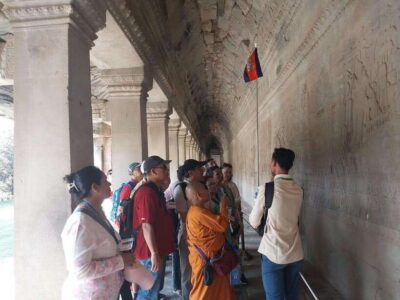
Angkor Wat: Small-Group Sunrise or Sunset Tour
Read our review →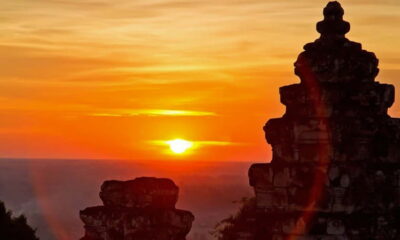
Angkor Wat Sunrise tour with Small – Group and Guide tours
Read our review →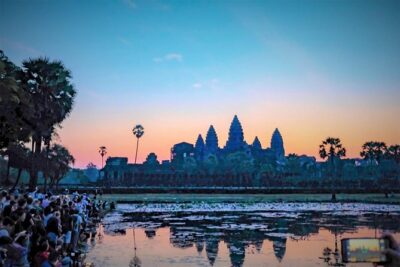
Angkor Wat Highlights and Sunrise Guided Tour from Siem Reap
Read our review →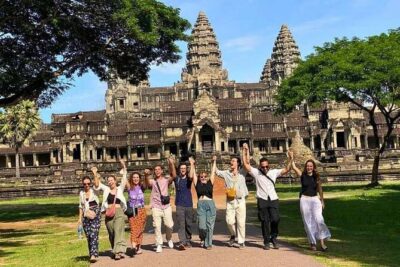
Angkor Wat Sunset Small Group Tour with Lunch Included
Read our review →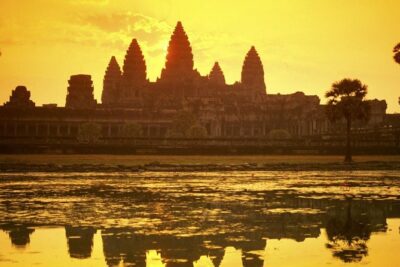
Full-Day Angkor Wat Sunrise Private Tour with Guide from Siem Reap
Read our review →
Angkor Wat Sunrise & 3 Main Temples with Breakfast – Small Group
Read our review →Browse the lists this tour appears in