
Reviewed · SIEM REAP TOURS
Siem Reap: Half-Day Cambodian Cooking Class
Cambodian cooking makes a fine break from temple sightseeing, and this three-hour class gives you something useful to take home: three recipes you can cook again. You begin at a local market with Sofia, learning how to choose produce and recognize everyday Cambodian ingredients before heading to a garden pavilion.
I especially like the market walk, which puts the food in context, and the practical format. You do not just watch a chef work. You prepare rice paper spring rolls, Cambodian-style curry, and bananas in palm sugar, then sit down to eat what you made. The one thing to keep in mind is the short schedule. You get a friendly introduction to Cambodian food, not a full culinary course or a long market expedition.
Key points to know
- Three dishes in three hours: Make spring rolls, Cambodian-style curry, and bananas cooked in palm sugar.
- A market visit comes first: Walk through a local market with Sofia and learn about Cambodian ingredients before cooking.
- Hotel pickup is included: Wait in your hotel lobby 30 minutes before the scheduled start.
- A hands-on class: Fresh ingredients are prepared in measured amounts, with the chef guiding you step by step.
- Useful for home cooks: A cookbook helps you repeat the dishes after returning home.
- Good value at $32: Transport, instruction, tastings, water, and hotel drop-off are included.
Starting with a Siem Reap market visit
The class begins with pickup from your accommodation in Siem Reap. You should be ready in the hotel lobby 30 minutes before the start time. From there, you ride by tuk-tuk to a local market, which is a fitting first stop for a cooking lesson.
The market portion is not just a quick shopping errand. Sofia guides you through the stalls and explains the produce and ingredients used in Cambodian cooking. You get to see the raw materials before they appear neatly arranged at the cooking pavilion. That small change in order matters. It helps you understand that Cambodian food begins with fresh, ordinary market goods, not mysterious restaurant-only ingredients.
You might find this part especially useful if you are new to Southeast Asian cooking. The guide can explain what local ingredients are for and how people shop for them. The activity description does not promise a full market meal or a chance to buy every ingredient yourself, so treat this as a focused food walk rather than a market tour in its own right.
The market also gives the class a more local feel than a lesson that starts in a hotel kitchen. You are not only handed a recipe. You see the setting where Cambodian cooks select food, then carry that understanding into the next part of the morning.
More Cooking Classes in Siem Reap
- Khmer Cooking Class at a Local’s Home in Krong Siem Reap
★ 5.0 · 2,731 reviews - Siem Reap: Khmer Cooking Class at a Local’s Home
★ 5.0 · 1,108 reviews - Award-Winning Cooking Class Experience with Professional Teacher
★ 5.0 · 745 reviews
Cooking in a purpose-built garden pavilion
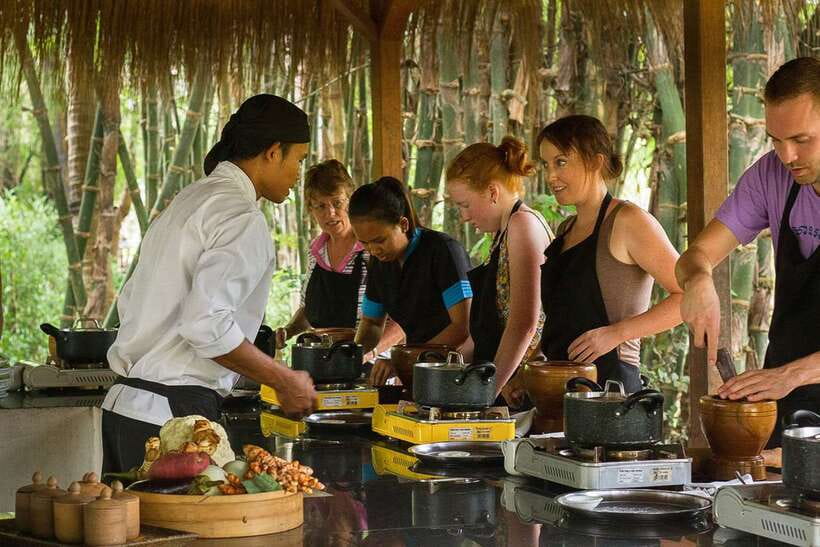
After the market, you continue to a purpose-built garden pavilion for the cooking lesson. This setting gives you room to work and keeps the class separate from the noise and distractions of a normal restaurant kitchen.
The chef demonstrates each stage, then lets you take part. That is the right approach for a short class. You can watch the technique, try it yourself, and ask for help before moving on. English is the teaching language, so you can ask questions and follow the instructions without relying on gestures alone.
Fresh ingredients are prepared in the correct amounts for the dishes. This makes the class easier to follow, especially if you are not used to Cambodian recipes. It also keeps the pace moving. You will spend your time cooking rather than measuring every item from scratch.
The lesson is designed for participation, but you should not expect a professional kitchen apprenticeship. The emphasis is on making approachable dishes and enjoying the process. The cooking is described as easy enough to repeat at home, and the accompanying cookbook gives you a useful reference once you leave Cambodia.
Making rice paper spring rolls by hand
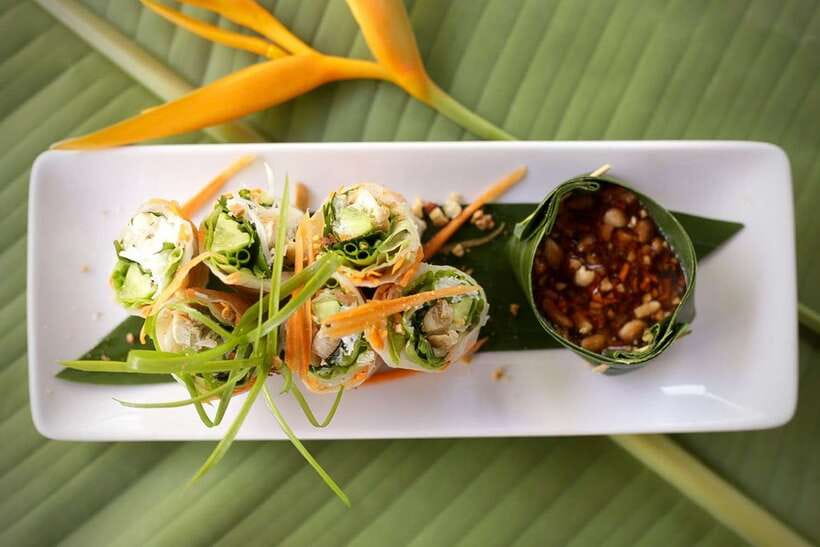
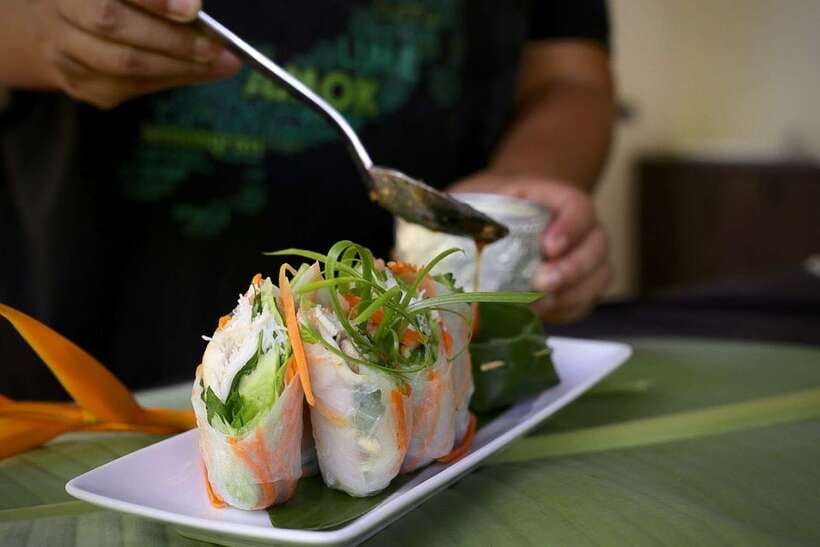
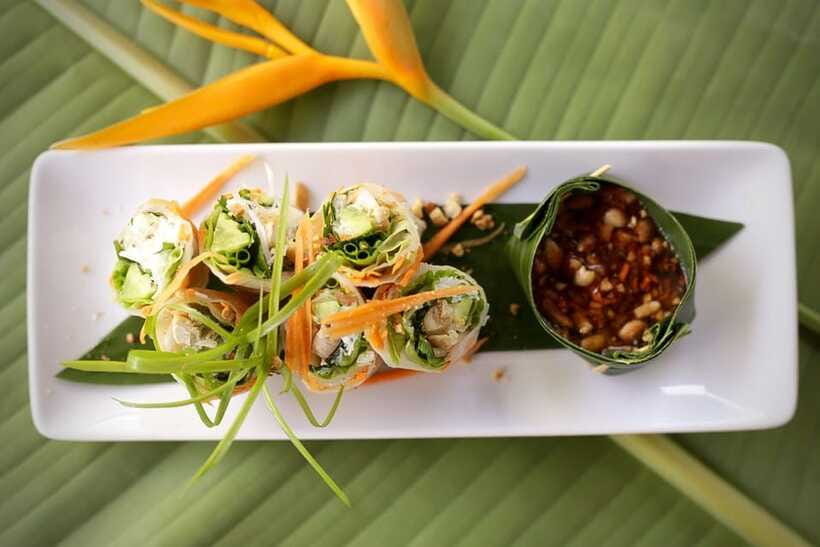
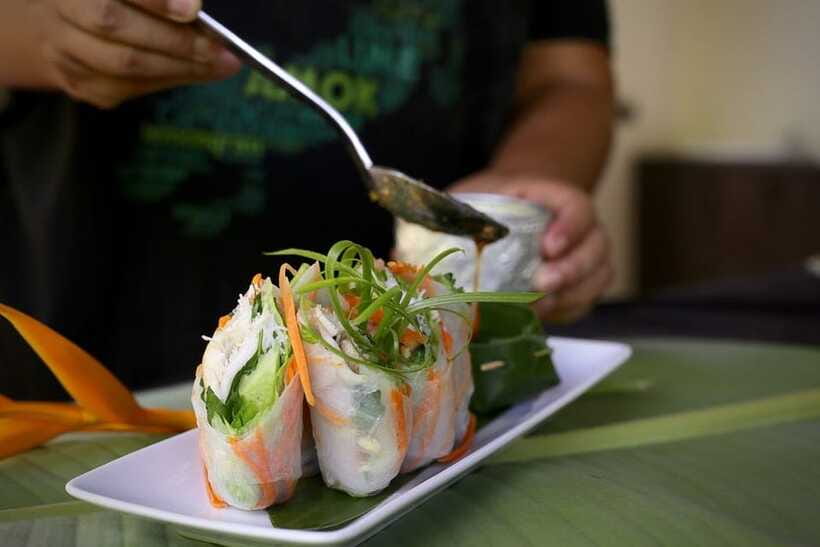
Rice paper spring rolls are one of the three dishes on the menu. This is a good first recipe because it introduces a familiar Southeast Asian format in a practical way.
You learn how to work with the rice paper and prepare the filling under the chef’s guidance. The hands-on format is valuable here. Rice paper can be delicate, and the best way to understand it is to handle it yourself rather than watch someone else fold it.
The spring rolls also provide a social dish you can make for friends or family. That fits the class well. You are not preparing an elaborate item that requires special equipment. You are learning a recipe that can become part of a shared meal.
The exact filling and cooking method are not specified, so do not book this expecting a detailed menu of variations. The clear promise is a Cambodian-style spring roll lesson, followed by tasting what you prepare.
Cambodian-style curry, explained step by step
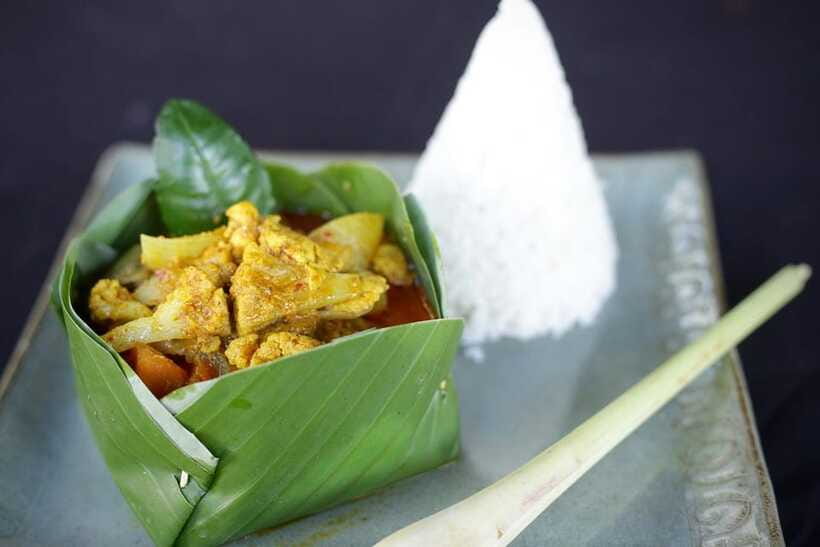
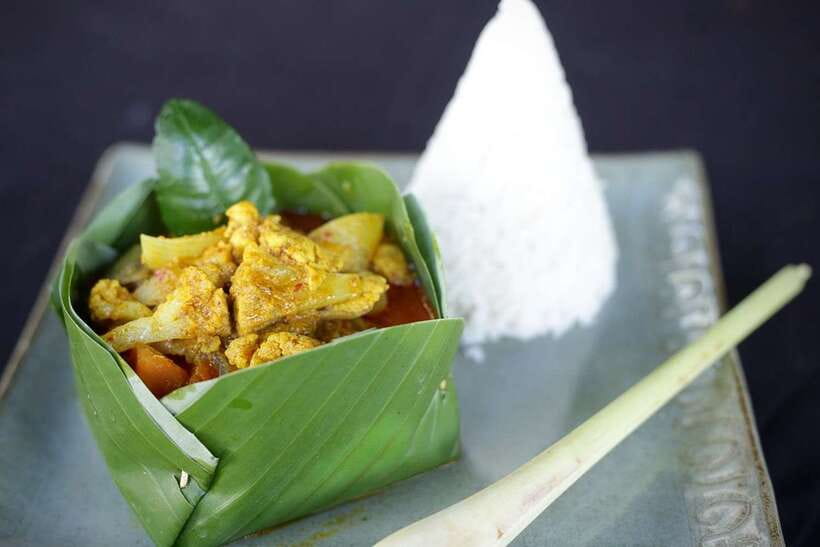
The curry is the heart of the class. Cambodian curry gives you a chance to learn how local flavors come together, rather than simply assembling a snack.
The chef demonstrates the process in stages and answers questions as you cook. The measured ingredients help you focus on technique and flavor. You can pay attention to how the ingredients are combined instead of worrying about whether you have brought the right quantities.
This is also where the market walk earns its place. Ingredients that seemed unfamiliar among the market stalls become part of a finished dish. You begin to connect the color, smell, and texture of the raw produce with the food in front of you.
The term Cambodian-style curry leaves some room for variation, and the available information does not specify the exact protein, vegetables, or spice level. If you have dietary restrictions, ask before booking or at the start of the class. The provided details confirm the dish, but they do not promise vegetarian, vegan, gluten-free, or allergy-specific substitutions.
A completely different sort of day from the same base:
- Angkor Wat Sunrise or Sunset Tour with Guide from Siem Reap
★ 5.0 · 12,109 reviews - Siem Reap: Angkor Wat: Small-Group Sunrise or Sunset Tour
★ 5.0 · 9,444 reviews - From Siem Reap: Kampong Phluk Floating Village Tour by Boat
★ 4.9 · 6,979 reviews - Sunset tour of Kampong Phluk stilts home village on the Tonle Sap
★ 5.0 · 4,865 reviews
Finishing with bananas in palm sugar
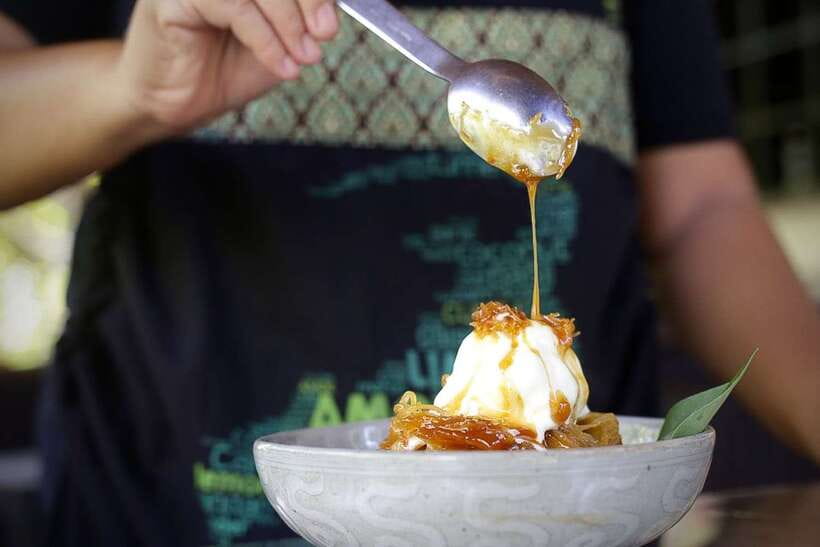
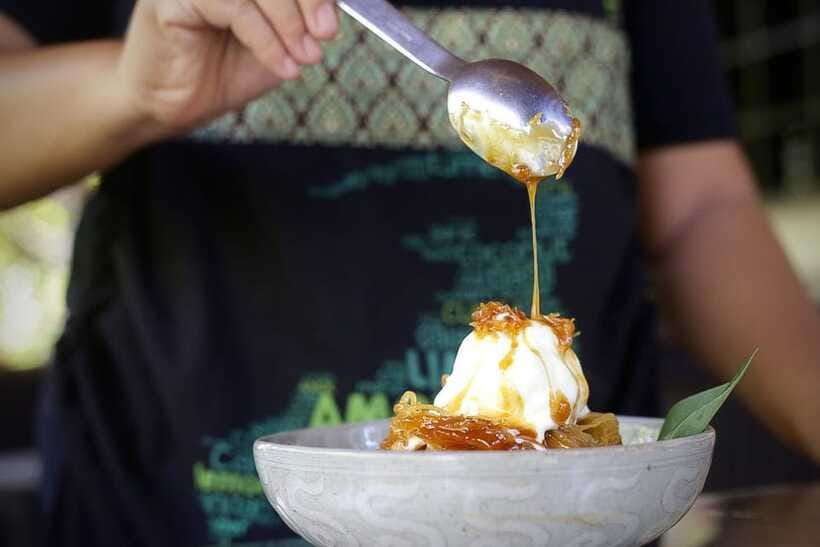
Dessert is bananas in palm sugar, a simple Cambodian sweet that rounds out the menu. It is a useful choice for a short cooking lesson because it shows how a small number of ingredients can create a finished dessert.
The palm sugar adds a distinctly local touch. You get to taste an ingredient that belongs to Cambodian food culture rather than ending with a generic fruit plate. The dish also gives the class a clear rhythm: savory spring rolls, a main curry, then something sweet.
You taste all three dishes after preparing them. That makes the lesson more satisfying than one where you cook but leave before the food is served. It also gives you a chance to judge the recipes while the instructions are still fresh.
Why the hands-on format is worth your time
A cooking class can easily become a demonstration with a few token tasks. This one is built around making three dishes yourself. That difference matters if your goal is to bring home a skill, not just a pleasant meal.
The chef teaches step by step, and the staff are available to help. The class is also described as personal and engaged, which suits the format. You have direct guidance when folding spring rolls, preparing curry, or finishing the dessert.
The setup of pre-measured ingredients is another practical advantage. At home, cooking a new cuisine can feel difficult because the shopping list is unfamiliar. Here, you can learn the basic sequence first. The cookbook then gives you a way to recreate the meal without having to remember every detail.
I would still keep your expectations sensible. Three hours is enough to learn the foundation of three dishes, but not enough to explore the full range of Cambodian cooking. You will leave with a useful starting point, not mastery of the cuisine.
What the $32 price includes
At $32 per person, the class is priced as an activity rather than just a meal. You receive hotel pickup and drop-off, the market visit, cooking instruction, tastings, and water.
The transport adds real value in Siem Reap. You do not need to arrange a tuk-tuk to the market or find your own way back after the class. The included ride also makes this a simple choice for a free morning between sightseeing plans.
The food value is straightforward. You prepare and eat three dishes, rather than paying for a cooking demonstration and a separate restaurant lunch. You also gain recipes that can be repeated at home, which gives the class more lasting value than a one-off tasting.
The price is less attractive if you only want to eat Cambodian food. A local meal will usually be a cheaper way to sample a dish. This activity earns its price through the market orientation, personal instruction, transport, and practical cooking time.
Timing the class around your Siem Reap plans
The experience lasts three hours, with starting times subject to availability. That makes it easy to fit into a morning or another open part of your schedule, but you should leave extra room around the stated duration for pickup and return.
The hotel pickup is convenient, though you need to be ready early. Waiting in the lobby 30 minutes before the start is important. If you are staying at a large property, be at the main reception area rather than waiting in your room.
The class works well on a day when you want a break from temple visits. It gives you a different view of Siem Reap and keeps you active without demanding a full day. You may also prefer it near the start of your stay, since you can use the recipes and market knowledge during the rest of your time in Cambodia.
It is less suitable if your schedule is packed tightly with Angkor sightseeing. Cooking takes attention, and you will enjoy it more if you are not watching the clock.
Who will enjoy this cooking class most
I would recommend this class to first-time visitors who want a friendly introduction to Cambodian food. It is also a good fit for couples, families, and small groups looking for an activity that produces a shared meal rather than another sightseeing stop.
Home cooks will get the most from it. The cookbook and measured ingredients make it easier to repeat the dishes later. You do not need advanced kitchen skills, and the step-by-step instruction keeps the recipes manageable.
It can also suit people who are curious about local markets but do not feel confident exploring one alone. Sofia’s guidance gives you a way to look at the stalls with purpose and ask questions as you go.
The class may be less appealing if you want a long, highly technical course. The focus is on three accessible dishes, not advanced knife work, extensive spice theory, or a broad survey of Cambodian regional cooking. Also check your dietary needs in advance, since specific substitutions are not promised.
The activity is wheelchair accessible, which makes it available to a wider range of visitors. English is the listed instruction language, and hotel pickup is included in Siem Reap.
A few practical points before you book
You can cancel up to 24 hours before the activity for a full refund. You can also reserve now and pay later, which helps if your Siem Reap schedule is still taking shape.
Bring a comfortable attitude toward market smells, unfamiliar ingredients, and hands-on work. You will be walking through a local market before cooking, so this is not a polished restaurant-only outing.
Keep the menu in mind when planning the rest of your day. The activity includes tastings of the dishes you make, but it does not say that a separate full meal is provided. For most people, the food should make a satisfying late breakfast or light lunch, though a very hungry eater may want another meal later.
The English-speaking chef and staff can answer questions during the lesson. Take notes if you want to adapt the recipes at home, especially if you have a preferred level of spice or a different selection of ingredients available in your own kitchen.
Should you book the Siem Reap cooking class?
Book it if you want a practical three-hour introduction to Cambodian food, with transport handled and enough instruction to cook three dishes yourself. The market visit with Sofia, the personal guidance, and the cookbook make it more useful than a simple food tasting.
At $32, it is good value for a visitor who wants an activity with a lasting takeaway. You will see where ingredients are bought, learn how they are used, and eat the finished food. Skip it if your main goal is a long market tour, an advanced cooking course, or a broad menu of dishes.
For most visitors, this is a smart half-day choice, especially on a free morning away from the temples. You get local context, hands-on practice, and a meal you helped make, all without giving up an entire day.
FAQ
How long does the Cambodian cooking class last?
The activity lasts three hours.
What dishes will I make?
You will make rice paper spring rolls, Cambodian-style curry, and bananas in palm sugar.
Is hotel pickup included?
Yes. Hotel pickup and drop-off at your accommodation in Siem Reap are included.
Where should I wait for pickup?
You should wait in your hotel lobby 30 minutes before the activity starts.
Is the class taught in English?
Yes. The instructor and activity language is English.
Is the activity wheelchair accessible?
Yes. The activity is listed as wheelchair accessible.
What is included besides the cooking lesson?
The price includes hotel transportation, the cooking class, tastings, and water.
Can I cancel or pay later?
You can cancel up to 24 hours in advance for a full refund. You can also reserve your place and pay later.
More Half-Day in Siem Reap
- Kompong Phluk Floating Village Half-Day Tour ( Morning / Sunset )
★ 5.0 · 1,494 reviews - Tonle Sap Lake & Kampong Phluk Village Half-Day Tour
★ 5.0 · 1,045 reviews - Siem Reap: Kompong Phluk Floating Village Half-Day Tour
★ 4.8 · 966 reviews - Angkor Sunrise Half-Day Tour with Private Vehicles & Tour Guide
★ 5.0 · 247 reviews
More hands-on workshops in Siem Reap
- Siem Reap: Cambodian Pottery Class
★ 4.9 · 339 reviews - Cambodian Village Cooking Class
★ 5.0 · 265 reviews - Cambodian Cooking Class from Siem Reap
★ 4.9 · 190 reviews - Siem Reap Cooking Class
★ 5.0 · 170 reviews
New around Siem Reap
- Siem Reap Temple and Waterfall 3-Day Tour★ 4.5 · 3 reviews
- Siem Reap: Guided Day Trip to Local Village & Cooking Class★ 5.0 · 3 reviews
- Savor the Countryside: Tours with Authentic Cooking Classes”★ 5.0 · 3 reviews
- Siem Reap Private Tour: Angkor Wat Sunrise And Banteay Srei★ 5.0 · 3 reviews
- Angkor Wat Sunrise TukTuk Tour★ 5.0 · 3 reviews
- Angkor Wat Sunset In Private and Small-In-Group★ 4.3 · 3 reviews
- Exclusive Angkor temples and Small group temples tours★ 5.0 · 3 reviews
- Angkor Wat: Highlights and Sunrise with Spanish Guide★ 4.8 · 3 reviews
Siem Reap Tours, compared.

Angkor Wat Sunrise or Sunset Tour with Guide from Siem Reap
Read our review →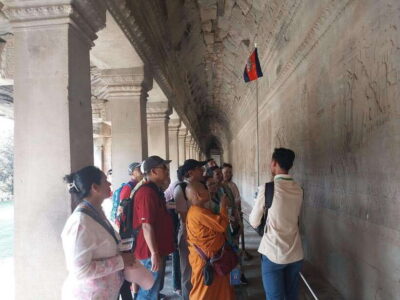
Angkor Wat: Small-Group Sunrise or Sunset Tour
Read our review →

Sunset tour of Kampong Phluk stilts home village on the Tonle Sap
Read our review →
Kampong Phluk Floating Village Tour with Boat
Read our review →

Angkor Wat Sunrise tour with Small – Group and Guide tours
Read our review →
Angkor Wat Highlights and Sunrise Guided Tour from Siem Reap
Read our review →Browse the lists this tour appears in