

Reviewed · ANGKOR TEMPLE TOURS
Siem Reap: Angkor Temples Off-Track Bicycle Tour
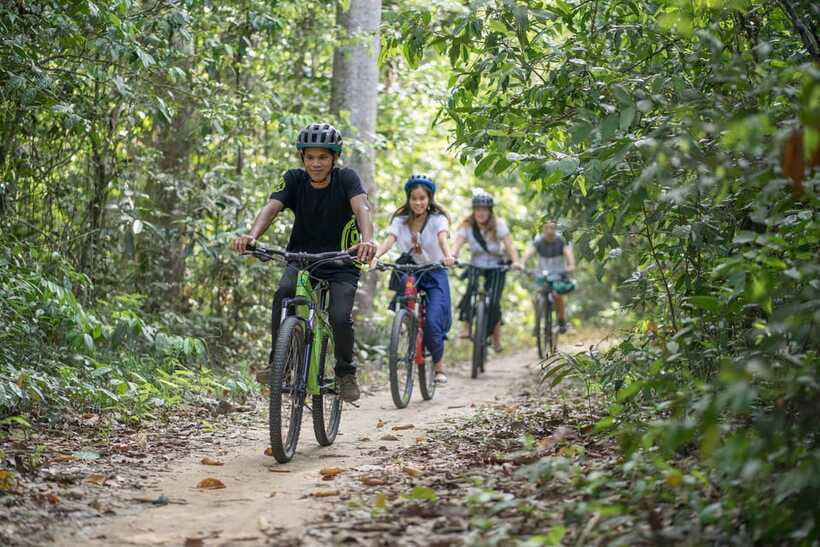
Angkor is famous for grand stone temples, but the most memorable part of this eight-hour bicycle tour is often the quiet between them. You pedal on smaller jungle paths, pass through Angkor Thom, and reach Ta Nei, a secluded temple where the forest and silence do much of the talking.
I like two things right away. First, the small group limit of seven people gives the guide room to adjust the pace. Second, your $65 fee supports KKO, a local organization providing free education and vocational training for children in Siem Reap. Lunch also comes from a local restaurant, keeping more of your spending in the community.
The catch is simple: this is a full day of cycling in the heat, and you need to be comfortable on a bike. Some paths are off-road, and the Angkor Pass is not included, so your real cost is higher than the tour price alone.
Key points at a glance
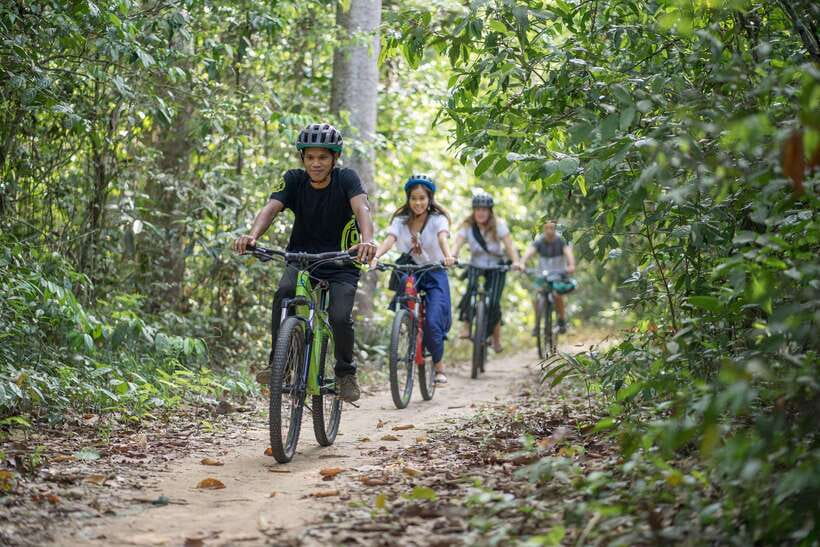
- Ta Nei is the quietest temple stop: Reach this rarely visited site by bicycle through jungle paths, far from the busiest temple approaches.
- The group stays small: With no more than seven participants, your guide can respond to your pace and needs.
- You see both famous and lesser-known Angkor: Bayon and Angkor Wat provide the major sights, while Preah Palilay and Ta Nei add a quieter side of the park.
- Lunch supports local businesses: The meal is served at a local restaurant in the jungle, and the operator also works with local farms and street vendors.
- Your booking has a social purpose: Profits go to KKO, which provides free education and vocational training for children in Siem Reap.
- Bring modest clothing and practical gear: Sunscreen, insect repellent, and a camera are useful, while shorts, short skirts, and sleeveless shirts are not allowed.
Why this bike route feels different from a standard temple day
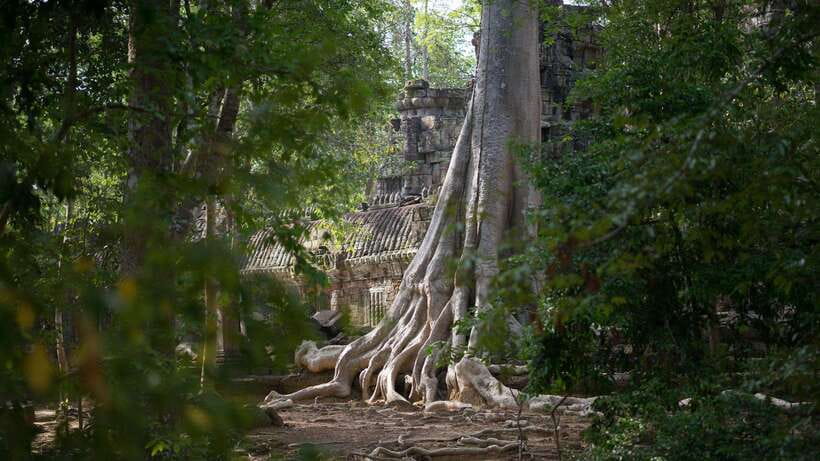
Many Angkor visits follow the same paved circuit by car or tuk-tuk. This route changes the rhythm. You travel under the trees, use smaller paths, and arrive at temples as part of a moving day rather than as a series of quick roadside stops.
That matters because Angkor is not only about the largest buildings. The park is a broad historic area, and some of its atmosphere comes from the space between the monuments. A bicycle lets you notice the transition from town to forest and from busy temple to quiet ruin.
The route still includes major sights, so you are not giving up the best-known parts of Angkor. You visit the South Gate of Angkor Thom, Bayon, Preah Khan, Ta Keo, and Angkor Wat, then add smaller sites that many first-time visitors miss.
Your guide provides context about the Angkorian Empire and Khmer culture as you go. That is particularly useful at a site like Bayon, where a good explanation helps you understand the carved faces, layout, and role of the temple instead of simply taking photographs and moving on.
More Angkor Temple Tours in Siem Reap:
- Siem Reap Tour: Angkor Wat Sunrise, Bayon, Ta Prohm, Banteay Srei
★ 5.0 · 931 reviews - Siem Reap: Bike the Angkor Temples – Full-Day 30km Tour
★ 5.0 · 463 reviews - Angkor Wat one Day Private Tour for All Highlight Angkor Temples
★ 5.0 · 199 reviews
Starting at Bayon Pastry School at 8:30
The day begins at Bayon Pastry School at 8:30 in the morning. This is both the meeting point and a useful introduction to the tour operator’s wider work, since the profits support KKO’s education programs.
After a short introduction and an overview of the route, you set off on bicycles toward Angkor Park. The early start gives you a better chance of riding before the strongest heat, though eight hours outdoors is still a serious commitment in Cambodia.
The operator says it provides quality bicycles, a first aid kit, and an emergency safety plan. That does not remove the need to ride carefully, but it is reassuring on a route that includes jungle paths rather than only smooth roads.
The pace is not presented as a race. The guide can adapt to different needs, and specific arrangements are possible if you want to start earlier, shorten the route, extend it, or request vegan food. You need to communicate those wishes in advance.
Angkor Wat and the road into Angkor Thom
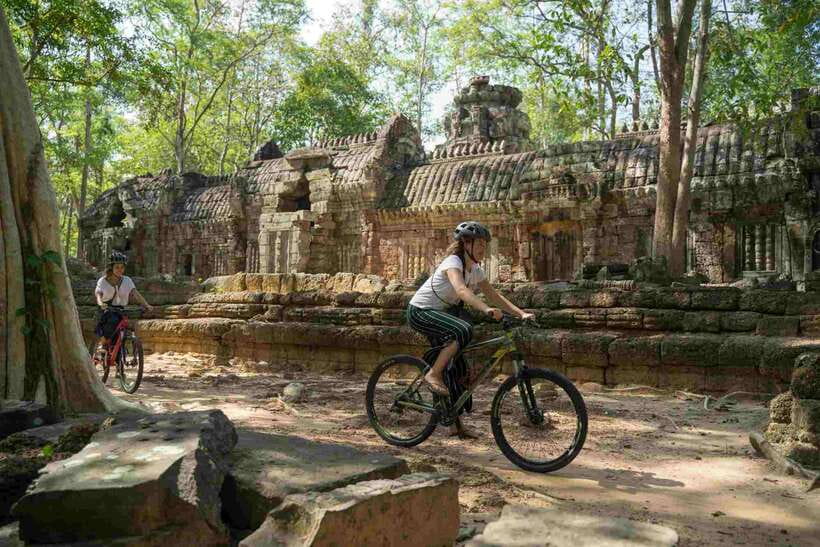
The route includes a stop for views and photographs around Angkor Wat, including the temple wall. Angkor Wat is the grandest and most familiar monument in the park, so its presence gives the day a strong opening reference point even though the tour’s main appeal is the less crowded route.
Do not expect a long, stand-alone Angkor Wat visit to be the entire focus of this experience. The day is built around several temples, and the bicycle journey between them is part of what you are paying for.
From there, the guide leads you toward the South Gate of Angkor Thom by way of the jungle. The gate is an important transition point into the old city. It also makes a fine photo stop, with its monumental entrance and the sculptural details lining the approach.
Angkor Thom is not one single temple. It is a large walled city area containing several important monuments, so your guide’s explanation can help connect the individual stops to the wider city plan.
Bayon, the famous temple with a quieter companion
Bayon is one of Angkor’s best-known temples, and it deserves the attention. Its tower faces and dense stone carvings create a very different mood from the long galleries of Angkor Wat. The narrow passages and layered towers reward a slow look, though this is also one of the busier parts of the route.
The tour tries to balance Bayon’s popularity with a smaller temple inside Angkor Thom, if time allows. Preah Palilay is named as one possible stop. It is a useful contrast: less famous, more secluded, and easier to appreciate after seeing the crowds around Bayon.
The phrase if time allows matters here. The day covers many sites, and the guide may need to manage riding time, heat, and the group’s energy. If Preah Palilay is important to you, ask about the plan at the start rather than assuming it is guaranteed.
The village of Angkor Thom is also part of the experience. This adds a local setting to a day otherwise focused on monuments. You get a glimpse of life connected to the park rather than moving only between major archaeological sites.
A few more Siem Reap half-days to weigh up
- Angkor Wat Sunrise or Sunset Tour with Guide from Siem Reap
★ 5.0 · 12,109 reviews - Siem Reap: Angkor Wat: Small-Group Sunrise or Sunset Tour
★ 5.0 · 9,444 reviews - From Siem Reap: Kampong Phluk Floating Village Tour by Boat
★ 4.9 · 6,979 reviews - Sunset tour of Kampong Phluk stilts home village on the Tonle Sap
★ 5.0 · 4,865 reviews
Lunch in the jungle, with a local connection

Lunch is included and takes place at a local restaurant in the jungle. That is a practical break, but it also fits the tour’s purpose. The operator says it supports local restaurants, farms, and street vendors, so your meal is part of a wider effort to keep money with local businesses.
A jungle restaurant will not suit someone seeking a polished hotel dining room. The appeal is the setting and the pause in the middle of an active day. You can refuel before the afternoon temples instead of carrying the whole day on snacks.
Vegan food can be arranged if you request it. The available information does not specify a full menu, so you should state dietary needs before the tour rather than waiting until lunch.
The break is important because the afternoon continues with more cycling. You are not simply taking a short ride followed by a long air-conditioned transfer. Expect to pedal after lunch, when heat and tired legs may become more noticeable.
Preah Khan, a larger temple with more company
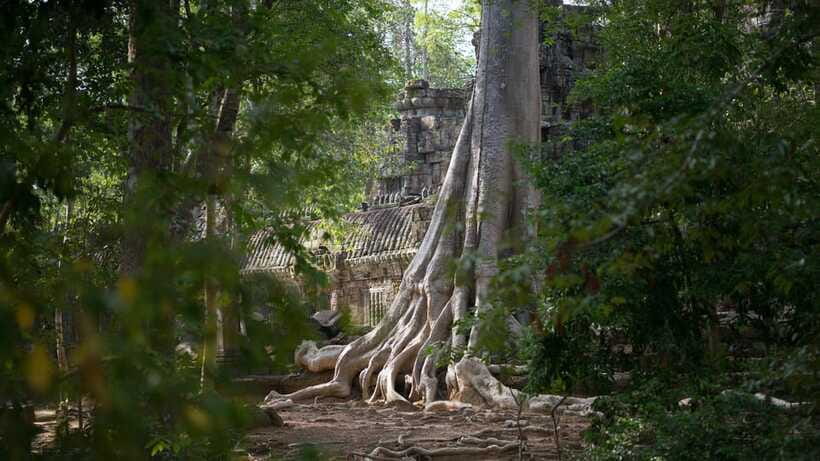
After lunch, the route continues through the jungle to Preah Khan. This is a substantial temple complex and usually draws more people than Ta Nei, though it is described as less crowded than Bayon.
Preah Khan gives you a chance to see a larger monument without the same level of pressure found at the most famous stops. Its corridors, courtyards, and stonework make it a good place for your guide to explain how Angkorian temple complexes functioned.
The route by bicycle changes your arrival. Instead of pulling up beside the main entrance in a vehicle, you approach through the park and forest. That does not make the temple untouched or empty, but it gives the stop a stronger sense of connection to the surrounding area.
You should still allow for other people at Preah Khan. If your top priority is complete solitude, this is not the stop that promises it. Ta Nei is the better match for that.
Ta Nei, the tour’s most distinctive temple stop
Ta Nei is often called the Ghost Temple because it sits deep in the jungle and receives few visitors. This is the point where the off-track idea makes the most sense.
The temple is known here for being quiet and difficult to reach by the usual busy route. Its appeal is not size. It is the feeling of finding a smaller monument away from the main flow, with trees and silence shaping the visit.
I would treat Ta Nei as the emotional high point of the day, especially if you prefer atmosphere over famous photographs. The trade-off is that the route to it can be rougher and less predictable than a paved temple circuit. You need a reasonable level of comfort on a bicycle.
Because Ta Nei is rarely visited, your guide’s role matters. The guide can explain what you are seeing and help you notice details that might otherwise look like a pile of weathered stone in the forest. English and Cambodian are available, and the group size should make it easier to ask questions.
Ta Keo and the return toward town
Ta Keo is the final temple stop before the ride back to Siem Reap. Its scale and strong geometric form provide a change from the more enclosed and overgrown feeling of Ta Nei.
By this stage, you may be hot and tired. That is not a flaw in the tour so much as a fact to plan for. Ta Keo comes late in a long day, so you may appreciate its structure and open views while also wishing for a seat and a cold drink.
The route then returns to Bayon Pastry School. The tour is scheduled for about eight hours, starting at 8:30, but the exact pace can depend on the group, the conditions, and how long you spend at each temple.
The guide’s flexibility is one of the better features here. One French participant praised a guide for being patient, attentive, and willing to adapt the ride to the group. Another participant specifically noted how much the guide explained about the temples and local culture. Those details point to the kind of service you should expect: a guide who manages pace and questions, not just someone leading the way.
What the $65 price really covers
At $65 per person, this is not the cheapest way to see Angkor. A basic transport arrangement may cost less, especially if you are only comparing the price of getting from one gate to another.
The better comparison is a full day of guided cycling with lunch, a small group, quality bicycles, local cultural explanation, and access to quieter temples. The route also includes the social purpose of supporting KKO’s free education and vocational training programs.
That mission gives the price extra weight, but it should not replace practical value. You are still paying for an eight-hour activity, a local guide, and a carefully planned route through several parts of Angkor Park.
The Angkor Pass is extra. You also need your own travel insurance. Add those costs before booking so the final budget does not surprise you.
One participant used spare time to visit the KKO school and found the project meaningful. A visit is not listed as part of the bicycle tour itself, so do not assume it is included in the day. If the education project interests you, ask the operator about visiting separately.
Who will enjoy this ride most
I would choose this tour if you want more than the standard Angkor circuit and can handle a full day outdoors. It suits people who enjoy moving under their own power, asking questions, and trading some comfort for quieter places.
It also suits visitors who want their money to support a local cause. The non-profit model is not a side note here. All profits go to KKO, and the operator works with local food and farming businesses during its tours.
The tour may work for a range of cycling abilities because the guide can adapt the pace. Still, you must be able to ride a bike, and the route includes off-road jungle paths. If cycling is difficult for you, this is the wrong format.
It is less suitable if you want a short temple sampler, dislike heat, or want guaranteed time at every listed site. Preah Palilay, for example, may be included if time permits rather than as a fixed stop.
Wear clothing that meets temple standards. Shorts, short skirts, and sleeveless shirts are not allowed. Bring sunscreen, insect repellent, and a camera, and dress for a long day outside.
Should you book this Angkor bicycle tour?
Book it if your ideal Angkor day includes quiet forest paths, smaller temples, and a local guide who adjusts to your needs. Ta Nei, the village visit, and the lunch stop give the tour a more personal shape than a simple list of major monuments.
The social mission is another strong reason to choose it. Your booking helps fund free education and vocational training through KKO, while lunch and other stops support local businesses.
Skip it if you cannot ride a bicycle, need a short and easy outing, or want to focus almost entirely on Angkor Wat. For everyone else, this is a well-priced way to see major temples while reaching parts of Angkor that many visitors pass by.
FAQ
Where does the tour start and finish?
You meet at Bayon Pastry School in Siem Reap. The tour also returns to Bayon Pastry School.
How long does the bicycle tour last?
The activity lasts about eight hours. The stated start time is 8:30 in the morning, though you should check availability for the exact starting time.
Which temples are included?
The route includes the South Gate of Angkor Thom, Bayon, Preah Khan, Ta Nei, Ta Keo, and Angkor Wat. Preah Palilay or another smaller temple within Angkor Thom may be visited if time allows.
Is lunch included?
Yes. Lunch at a local restaurant in the jungle is included in the tour price.
Is the Angkor Pass included?
No. You need to purchase the Angkor Pass separately.
What languages does the guide speak?
The live guide is available in English or Cambodian.
How large is the group?
The tour is limited to seven participants.
What should I bring and wear?
Bring a camera, sunscreen, and insect repellent. Shorts, short skirts, and sleeveless shirts are not allowed.
New around Siem Reap
- Siem Reap Temple and Waterfall 3-Day Tour★ 4.5 · 3 reviews
- Siem Reap: Guided Day Trip to Local Village & Cooking Class★ 5.0 · 3 reviews
- Savor the Countryside: Tours with Authentic Cooking Classes”★ 5.0 · 3 reviews
- Siem Reap Private Tour: Angkor Wat Sunrise And Banteay Srei★ 5.0 · 3 reviews
- Angkor Wat Sunrise TukTuk Tour★ 5.0 · 3 reviews
- Angkor Wat Sunset In Private and Small-In-Group★ 4.3 · 3 reviews
- Exclusive Angkor temples and Small group temples tours★ 5.0 · 3 reviews
- Angkor Wat: Highlights and Sunrise with Spanish Guide★ 4.8 · 3 reviews
Angkor Temple Tours, compared.
1-Day private Angkor Temple Tour from Siem Reap
Read our review →
Private Full-Day Angkor Temple and Sunset Viewing with Lunch
Read our review →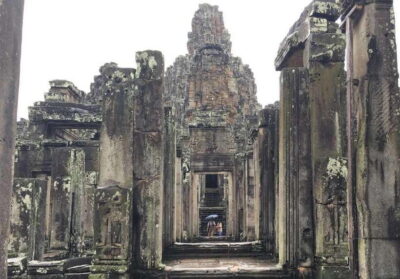
Private one-day tuktuk ‘small tour’ of the oldest Angkor temples
Read our review →
Explore Angkor Temple & Other – Private Vehicle with Tour Guided
Read our review →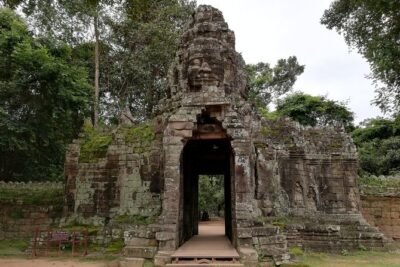
Angkor Wat Private Driver Tours to Angkor Wat Sunrise, Angkor Thom & Ta Prohm
Read our review →Browse the lists this tour appears in