
Reviewed · SIEM REAP TOURS
Siem Reap: Angkor National Museum Admission Ticket
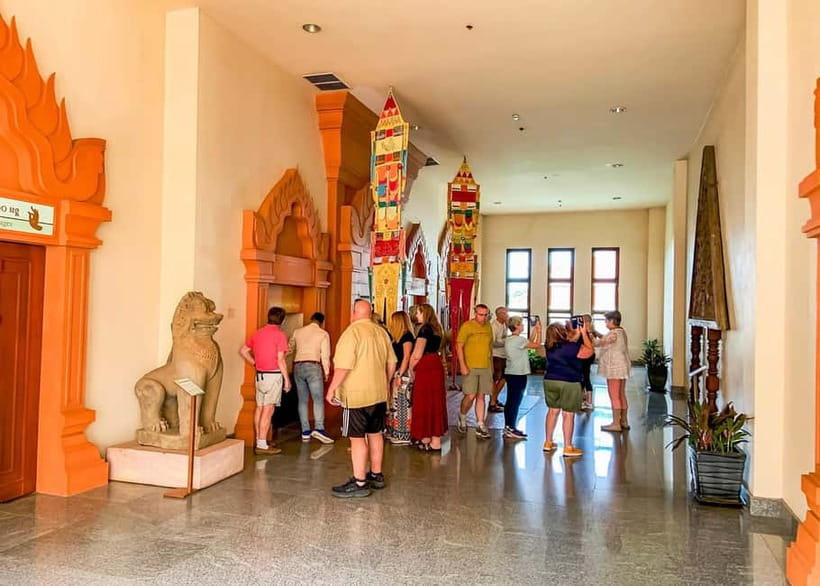
The Angkor National Museum gives you a useful second look at the civilization behind Angkor Wat. Across eight galleries, you can study more than 1,000 Buddha statues, ancient inscriptions, and artifacts from the temples at your own pace. I like the way the wall panels supply the context that statues alone cannot, and I like having a full day to visit rather than being rushed through a fixed tour.
I also like that the ticket skips the ticket line and costs $15 per person, a fair price for a museum visit that can take anywhere from 90 minutes to more than three hours. The main drawback is that this is admission only: transport, a guide, food, and the audio guide are not included, and your ticket may not arrive instantly after booking.
Key points to know before you go
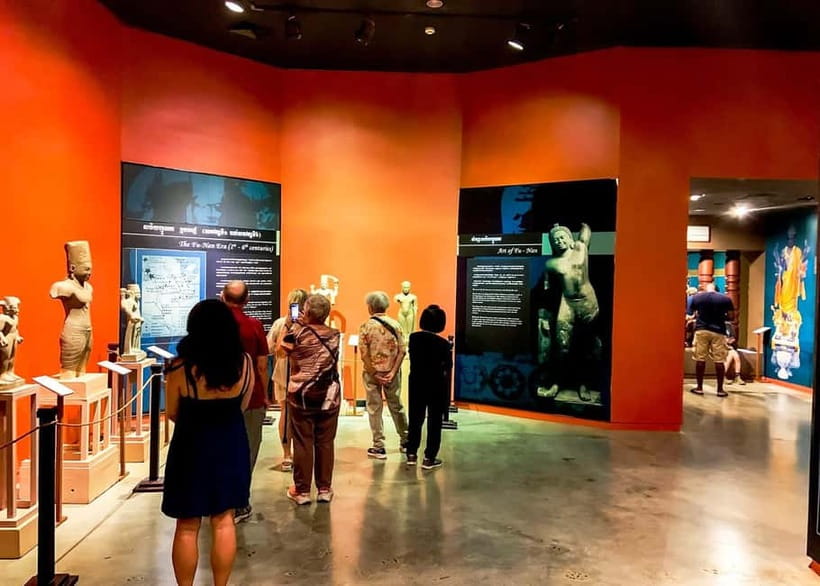
- Eight galleries explain Khmer art and religion: The displays follow the development of Khmer culture and belief through sculpture, inscriptions, and archaeological finds.
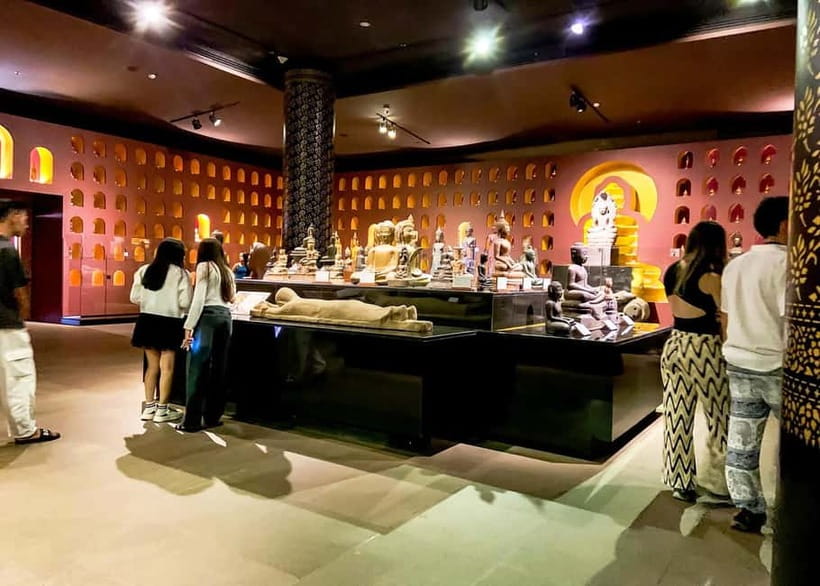
- More than 1,000 Buddha statues fill the collection: This is the main visual draw, with plenty to study beyond the famous temples.
- Plan for 90 minutes to three hours: A quick visit is possible, but an audio-guided visit can take two hours, and careful readers may need longer.
- The $15 ticket is for admission only: There is no guide, transport, food, or audio device included.
- The audio guide costs an extra $5: It can help you follow the galleries in order and get more from the displays.
- Arrange your own ride to the museum: You need a reachable WhatsApp, Telegram, or Viber number so the operator can send your ticket.
Why visit the Angkor National Museum in Siem Reap?
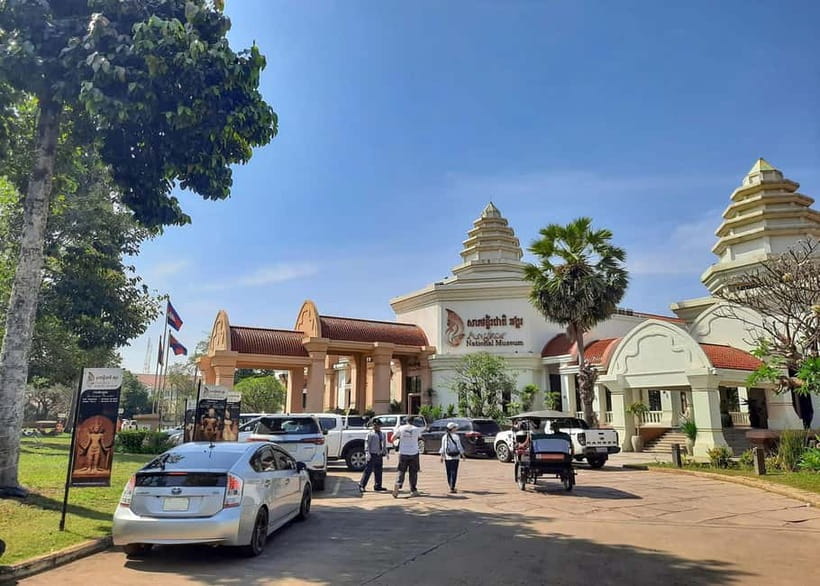
Angkor Wat is the headline attraction in Siem Reap, but a temple visit can leave you with more questions than answers. Who were the kings behind these buildings? Why do some statues show Hindu gods while others show the Buddha? How did Khmer art change over time?
The Angkor National Museum gives those questions a place to land. Its exhibits bring together sculpture, inscriptions, and objects excavated from Angkor’s archaeological sites. You get a clearer sense of the artistic and religious world that produced the temples, rather than seeing each monument as an isolated ruin.
I find the museum especially useful at one of two points in your trip. Visit before the temples, and the displays can give you a basic framework for what you will see outdoors. Visit afterward, and the statues and carved details you remember from Angkor Wat may make more sense.
This is not a guided temple excursion. You will not be driven from gallery to gallery or given a running commentary by a local guide. Instead, you move independently and spend extra time with the subjects that interest you. That freedom is valuable, but it also means you need to read the panels and manage your own pace.
More Museums in Siem Reap
- Bantey Srei, Kbal Spean and Landmine museum Private Tuk-Tuk
★ 4.7 · 30 reviews - Siem Reap City Tour with War Museum and Killing Field
★ 5.0 · 27 reviews - Private Tour: HERO Rats & Angkor National Museum
★ 4.5 · 16 reviews
What your one-day admission includes
The ticket provides admission to the Angkor National Museum for one day. It does not include a guide, transportation, food, drinks, or an audio guide.
The one-day validity gives you some flexibility, although the available starting times still need to be checked when you book. You are not buying a multi-day museum pass or a guided package. You are buying a straightforward entry ticket that lets you explore the collection on your own.
The skip-the-line feature can save time at the ticket counter. There is one practical catch: the ticket is sent separately after booking, and delivery may not be immediate. If you are already on the way to the museum, contact the operator rather than assuming the voucher will appear at once.
You must provide a phone number that can receive messages through WhatsApp, Telegram, or Viber. The operator uses that contact to reconfirm the booking and send the ticket. Use a number you can actually check during your visit.
Gallery 1: Begin with the story of Angkor
Start at the first gallery and work forward in order if you want the museum’s story to build gradually. The exhibits are arranged to show the development of Khmer art, culture, and religion, so the early rooms give you a useful base for the objects that follow.
The museum is not just a room full of statues. The wall information helps explain why the pieces matter and connects them to the wider civilization that built Angkor. This is one of the collection’s strongest features. You can look at a carved figure for a minute, but the text often explains its religious role, artistic style, or place in Khmer history.
If you have already visited Angkor Wat, this first section can help organize what you saw. If the temples are still ahead, pay attention to the terms and religious ideas introduced here. You will have more reference points when you later meet similar figures and symbols at the archaeological sites.
Galleries 2 through 4: Study Khmer sculpture and religious images
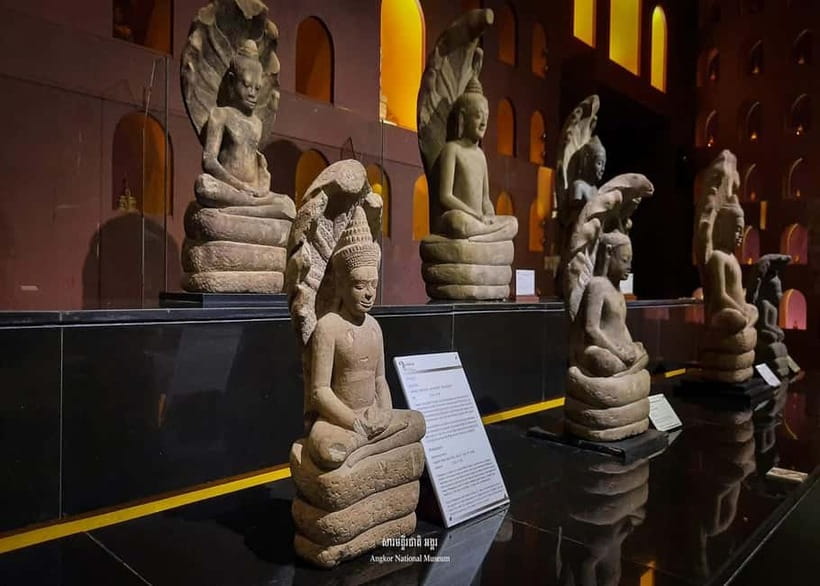
The museum’s large collection of Buddha statues is the visual center of the visit. More than 1,000 Buddha figures are displayed, giving you a chance to compare posture, expression, scale, and style rather than judging a single statue on its own.
That number can be both a strength and a challenge. The sheer volume gives you a broad view of Khmer sculpture, but you may find the collection tiring if you try to inspect every piece with equal attention. I suggest choosing a few objects in each room and using the panels to understand what makes them different.
The religious material also helps explain the mix of Hindu and Buddhist influence found across the Angkor area. The museum presents the development of Khmer religion through its objects and displays, giving you a better basis for reading temple carvings and statues.
An audio guide is not included with this admission ticket. You can rent one at the museum for an additional $5, according to the booking information and visitor experience. That extra cost may be worthwhile if you want a more directed visit. One person completed the museum in about 90 minutes to two hours with the audio guide, while another spent more than three hours following the galleries carefully.
A completely different sort of day from the same base:
- Angkor Wat Sunrise or Sunset Tour with Guide from Siem Reap
★ 5.0 · 12,109 reviews - Siem Reap: Angkor Wat: Small-Group Sunrise or Sunset Tour
★ 5.0 · 9,444 reviews - From Siem Reap: Kampong Phluk Floating Village Tour by Boat
★ 4.9 · 6,979 reviews - Sunset tour of Kampong Phluk stilts home village on the Tonle Sap
★ 5.0 · 4,865 reviews
Galleries 5 through 7: Look closely at inscriptions and artifacts
The ancient inscriptions deserve more than a quick glance. They are less immediately dramatic than a huge statue, but they help show how the Khmer world recorded religion, power, and culture.
The same applies to the smaller artifacts excavated from Angkor’s archaeological sites. These objects can be easy to overlook after a room of monumental sculpture, yet they help connect the grand temples to the people and practices behind them.
This is where the museum’s information boards earn their place. The labels and wall text give the collection structure, explaining how individual pieces fit into the wider evolution of Khmer art and belief. If you prefer to move quickly, you can scan the key panels. If you are a serious history fan, plan extra time here.
The displays may work best for visitors who enjoy learning from objects rather than simply taking photographs. Bring a camera if you wish, but give yourself time to read. The museum’s value is not only in the number of pieces on view. It is in the connections between them.
Gallery 8: Finish with a clearer picture of Angkor
The final gallery completes the museum’s progression through Khmer art, culture, and religion. By this point, the large collection should feel less like a series of separate displays and more like an overview of the civilization behind Angkor.
You may want to pause here and think about what you will see at the temples. The museum cannot replace standing before Angkor Wat or visiting the archaeological sites, but it can add meaning to those places. It gives you a way to recognize recurring artistic and religious ideas.
If you visit after the temples, this final section can also help you sort through memories from a busy day outdoors. Angkor’s monuments are vast, and it is easy to remember the scale while forgetting the details. The museum brings attention back to the faces, inscriptions, and artistic choices.
How long should you allow?
A quick visit can take about 90 minutes. With the audio guide, allow roughly 90 minutes to two hours, based on the experience described for this ticket. If you read the panels closely and stop often at the Buddha statues and inscriptions, three hours is a safer plan.
Your best timing depends on how you like museums. I would not treat this as a quick photo stop. The collection rewards a measured pace, especially because the wall panels provide much of the explanation.
You have a full day of validity, but the ticket does not turn the museum into a hop-on, hop-off attraction. Check the available starting times when booking and confirm the practical details with the operator. If you have only a short gap in your Siem Reap schedule, plan your visit carefully so transport time does not eat into your museum time.
Comfortable shoes and clothes are sensible. You will be walking and standing through several galleries, even though the visit is indoors. The museum is wheelchair accessible, which is useful for visitors who need step-free access.
The $15 price and what it really buys
At $15 per person, the ticket is not the cheapest museum admission in Cambodia. Its value depends on how much context you want from your Siem Reap visit.
For a casual visitor, the price buys a substantial collection and the freedom to leave the museum with a better grasp of Angkor’s art and religion. For someone already planning a temple-heavy itinerary, it offers a quieter indoor counterpoint to the outdoor monuments.
The price does not cover the extras that some visitors may expect. You arrange your own transport, and there is no tour guide. The audio guide costs $5 more, making the total $20 if you choose it. Food and drinks are also your responsibility.
I consider the ticket good value if you have at least 90 minutes and a genuine interest in understanding the temples. It is less useful if you want a fast, guided introduction with personal commentary. In that case, you would need to arrange a separate guide, since none is included here.
Getting there and receiving your ticket
You are responsible for reaching the museum. No hotel pickup or drop-off is provided, so arrange your own transportation in Siem Reap.
The booking process has one detail worth taking seriously. Your ticket is sent to you through a messaging service after the operator reconfirms the reservation. Provide a phone number that works with WhatsApp, Telegram, or Viber.
Do not assume the ticket will arrive immediately after payment. It may take a little time. If you are heading straight to the museum and have not received it, message the operator. One visitor received the ticket a few minutes after contacting the company, but you should still leave a little margin in your schedule.
The skip-the-ticket-line feature is useful once you have the ticket in hand. It does not remove the need to check your messages or follow the operator’s instructions.
Who will get the most from this museum?
I would recommend this experience to several types of visitors:
- First-time visitors to Angkor: The displays can provide basic context before you see the temples.
- Temple enthusiasts: The collection gives you more time with sculpture and inscriptions than a busy outdoor itinerary often allows.
- Independent museum visitors: You can choose your own pace and spend longer on the subjects that hold your interest.
- History and religion fans: The galleries focus on Khmer art, culture, and religious development.
- Visitors with a flexible schedule: The one-day validity and self-guided format make it easy to fit into a Siem Reap day.
It may be a weaker match if you need a personal guide, hotel transportation, or a fully organized tour. You should also consider the extra $5 audio guide cost if you want more explanation than the wall panels provide.
Practical tips for a better visit
Bring your camera, but do not let photography crowd out the information panels. The statues catch your eye first, while the inscriptions and explanations give the visit its meaning.
Wear comfortable shoes and clothing. Even an indoor museum visit can involve a lot of standing and walking across eight galleries.
Carry some cash. The booking information specifically recommends it, and the audio guide is an extra $5 if you decide to rent one at the museum.
Avoid bringing pets, alcohol, or drugs, which are not allowed.
Most of all, decide how you want to use the museum before you arrive. If you want a quick introduction, follow the galleries at a steady pace. If you want to build a stronger understanding of Khmer art and religion, start at gallery one, use the audio guide, and allow at least two to three hours.
Should you book the Angkor National Museum ticket?
Book it if you want more than impressive temple photographs. The museum’s biggest strengths are its large Buddha collection, clear information boards, ancient inscriptions, and freedom to explore without a fixed group schedule.
The $15 admission is a sensible add-on to a Siem Reap temple itinerary, especially before or after visiting Angkor. Add $5 for the audio guide if you want a more structured experience. Skip it if you have very little time, dislike self-guided museums, or need transport and a guide included in the price.
For most independent visitors with a spare half-day, this is a practical and worthwhile way to understand the art and religion behind Angkor.
FAQ
How much does admission to the Angkor National Museum cost?
Admission costs $15 per person.
How long is the ticket valid?
The ticket is valid for one day.
Is a tour guide included?
No. A tour guide is not included with the admission ticket.
Is an audio guide included?
No. The audio guide is not included. It costs an additional $5 at the museum.
How long does a museum visit usually take?
Allow at least 90 minutes for a shorter visit. With the audio guide, a visit may take 90 minutes to two hours, while a careful visit can take more than three hours.
Is transportation to the museum included?
No. You are responsible for arranging your own transportation to the museum.
How will I receive my ticket?
The operator sends the ticket after the booking is confirmed and reconfirmed. You must provide a phone number reachable through WhatsApp, Telegram, or Viber.
Can I cancel for a full refund?
Yes. You can cancel up to 24 hours in advance for a full refund.
Is the museum wheelchair accessible?
Yes. The Angkor National Museum is wheelchair accessible.
New around Siem Reap
- Kulen Mountain With Ticket included Plus Banteay Srei Temple Tour★ 5.0 · 7 reviews
- 2 Days Angkor temples with Sunrise & Sunset★ 5.0 · 7 reviews
- Private Siem Reap Airport Transfer to hotel in town★ 5.0 · 7 reviews
- 1-Day private Angkor Temple Tour with Sun Rise by Tuk Tuk from Siem Reap★ 4.5 · 7 reviews
- War Museum, Killing Field, and APOPO Hero RATs Tour★ 5.0 · 7 reviews
- Siem Reap: Morning Cooking Class & Market Tour★ 5.0 · 7 reviews
- Kulen Mountain, Killing Fields and War Museum Tour★ 5.0 · 7 reviews
- Half-Day: Silk Farm, Senteur Angkor, and Satcha Workshop★ 4.6 · 7 reviews
Siem Reap Tours, compared.
Angkor Wat Sunrise or Sunset Tour with Guide from Siem Reap
Read our review →
Angkor Wat: Small-Group Sunrise or Sunset Tour
Read our review →

Sunset tour of Kampong Phluk stilts home village on the Tonle Sap
Read our review →
Kampong Phluk Floating Village Tour with Boat
Read our review →

Angkor Wat Sunrise tour with Small – Group and Guide tours
Read our review →
Angkor Wat Highlights and Sunrise Guided Tour from Siem Reap
Read our review →Browse the lists this tour appears in