
Reviewed · ANGKOR TEMPLE TOURS
Highlight of Angkor Temples 6 Days Cambodia Tour
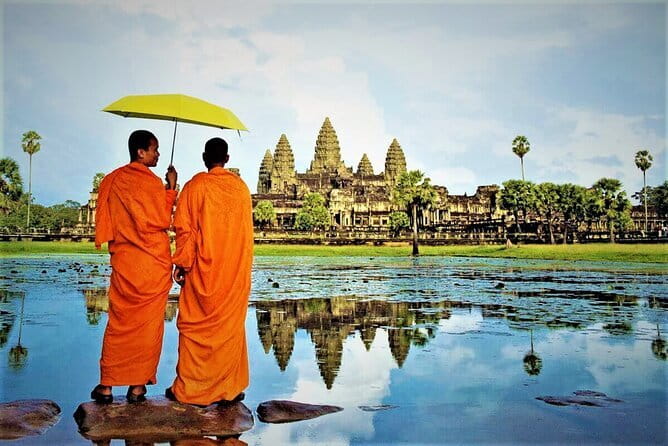
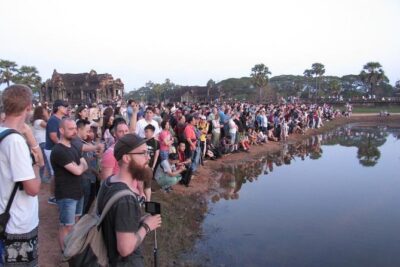
The best moment comes before breakfast: you reach Angkor Wat at 4:30 a.m. and watch the temple slowly appear in the dawn light. I like the way this tour pairs Cambodia’s famous temples with quieter sites such as Ta Nei and Banteay Samre, and I like that Phnom Kulen and Tonle Sap show you life beyond the stone ruins.
The main drawback is the pace. You will see a great deal in six days, but sunrise, long temple walks, hot weather, and a full day at Phnom Kulen call for moderate fitness. The floating village can also feel busy and commercial in places, so go with clear expectations.
Key points to know before booking
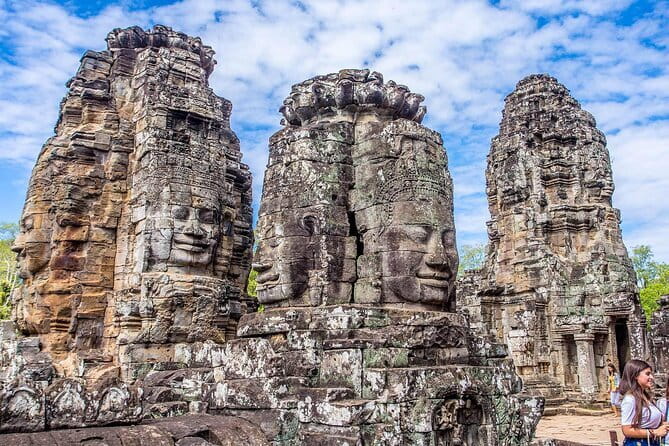
- Angkor Wat at sunrise: Start at 4:30 a.m., then return to the hotel for breakfast before continuing.
- Private touring: Only your group takes part, with private transport and an English-speaking licensed guide.
- A wide temple mix: See Angkor Wat, Bayon, Ta Prohm, Banteay Srei, Preah Khan, Pre Rup, Bakong, and more.
- Beyond the ruins: Cruise Tonle Sap, visit Kampong Phluk, and learn about floating homes, schools, and daily life.
- Phnom Kulen day: Walk to the River of 1000 Lingas, visit the Reclining Buddha, see Poeng Ta Kho, and swim near the waterfalls.
- Hotel choice included: Select a three-star, four-star, or five-star option, with five breakfasts included.
A six-day plan that covers Cambodia’s big three
At $827.10 per person, this is not a quick temple transfer with a few tickets attached. It is a private six-day package built around three strong themes: the Angkor temples, Tonle Sap Lake, and Phnom Kulen National Park.
You get airport pickup, accommodation, private transport, an English-speaking licensed guide, entrance fees, and five breakfasts. That matters in Siem Reap, where arranging a car, guide, temple tickets, and several day trips separately can take time. The price also removes some small costs that can quietly pile up.
The tradeoff is control. A private tour is comfortable and personal, but the schedule is set up to cover a lot. If you prefer to spend an entire morning studying one temple or sleeping late after a long day, you may find this plan too full.
Guide assignments can vary. Names connected with the operator’s guide service include Sara, Leap, and Pietro. Past service details describe Sara as warm and helpful with photography, Leap as considerate and highly capable in English, and Pietro as especially good at linking temples with rural life. You should confirm your assigned guide after booking rather than assume one of these guides will lead your group.
More Angkor Temple Tours in Siem Reap:
- Siem Reap Tour: Angkor Wat Sunrise, Bayon, Ta Prohm, Banteay Srei
★ 5.0 · 931 reviews - Siem Reap: Bike the Angkor Temples – Full-Day 30km Tour
★ 5.0 · 463 reviews - Angkor Wat one Day Private Tour for All Highlight Angkor Temples
★ 5.0 · 199 reviews
Day 1: An easy landing in Siem Reap
Your guide and driver meet you at Siem Reap Angkor International Airport, holding a welcome sign with your name and the About Cambodia Travel & Tours logo. The airport transfer is listed at about two hours, though the practical purpose is simple: get you from the airport to your hotel and settled.
You have a choice of hotel level:
- Royal Crown Hotel & Spa, three-star option
- Kulen Central Hotel, four-star option
- Angkor Paradise Hotel, five-star option
The hotels are listed as named properties or similar alternatives, so confirm the exact booking before you travel. The first day includes free time at the hotel, useful after a flight and before the early start ahead.
Do not treat arrival day as wasted time. You will need it to organize clothing, water, sunscreen, and a camera before the 4:30 a.m. pickup. The next day begins before most of Siem Reap is awake.
Day 2: Sunrise at Angkor Wat, then the royal city
The early start is demanding, but Angkor Wat is at its most memorable when the sky changes behind its towers. The schedule gives you time to watch sunrise and then continue through the temple complex before returning to the hotel for breakfast.
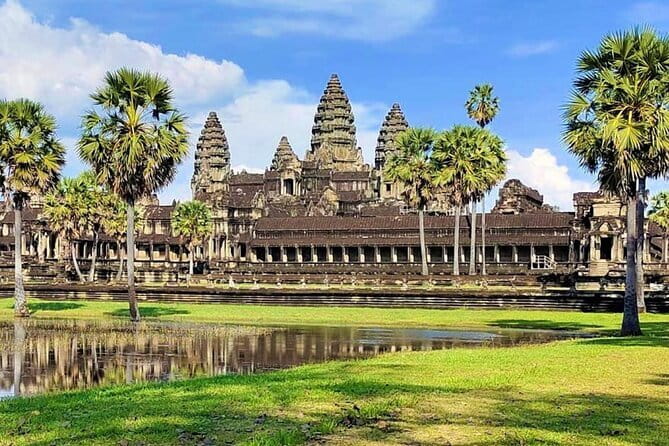
Angkor Wat deserves more than a hurried photograph. Your guide can help you read its galleries, courtyards, towers, and religious changes, while you take in the sheer size of the site. Because the visit begins so early, you get a cooler start than a late-morning arrival would provide, though the crowds around the sunrise pools can still be substantial.
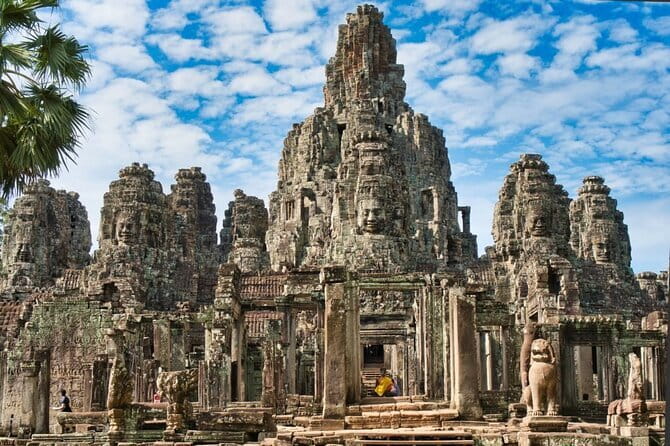
After breakfast, you return to Angkor Thom through the South Gate. Its restored faces remain in place, giving the entrance a grand, almost theatrical arrival. Bayon follows, with its famous stone faces and maze of galleries. It was built nearly a century after Angkor Wat and served a different royal purpose, so the contrast helps you see that Angkor was not one single construction project.
Baphuon, Phimeanakas, the Terrace of the Elephants, and the Terrace of the Leper King fill out the royal center. Baphuon rises on a broad, five-level sandstone base. Phimeanakas sits within the former Royal Palace area. The two terraces are best understood as public stages of royal power, with carvings and long stone lines designed to impress.
The day ends with two very different temples. Ta Nei is small, quiet, and tucked into the jungle, about 200 meters west of the East Baray. It can be difficult to find and is far less famous than the major stops. That is exactly why it adds balance to the day.
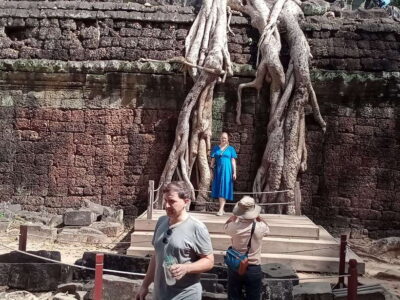
Ta Prohm is the grand finale, with fig, banyan, and kapok roots pushing across walls and galleries. The trees are not simply decoration. They show what happens when a stone complex is left to the forest, and they give Ta Prohm its unmistakable mood.
This is a long day. You get temple variety, but you also get heat, uneven stone, stairs, and a late return to the hotel. Wear shoes with a firm sole and pace yourself. You do not need to rush every gallery to appreciate the site.
Day 3: Fine carvings and the eastern temples
Banteay Srei is the morning prize. Built from pink and red sandstone, it is smaller than Angkor Wat but famous for precise carving. The details are close to eye level, making it easier to appreciate the work than at a huge temple where scale can overwhelm decoration.
Its distance from the central Angkor sites also means more time in the vehicle. That is a fair exchange for a temple often called the crown jewel of Khmer art, but it makes the day less compact than the map may suggest.
Banteay Samre is another Hindu temple, built during the 12th century. Its design has a strong connection to Angkor-era temple building, yet it generally feels less monumental than the central sites. I like this stop because it keeps the morning from becoming a single famous-temple photo call.
Preah Khan shifts the mood again. King Jayavarman VII built it in honor of his father, and its long corridors, galleries, and partially overgrown sections reward slow walking. You will need to watch your footing, particularly where old stone surfaces are uneven.
Neak Pean sits on an artificial island in the Jayatataka reservoir. Its setting is different from the enclosed temple compounds, with water and a causeway shaping the approach. It is a shorter stop, but it gives you a useful break from walls and galleries.
Eastern Mebon and Pre Rup bring you back to temple mountains and brick construction. Eastern Mebon once stood on an island in the East Baray, a reservoir that is now dry. Pre Rup, built in the 10th century, combines brick, laterite, and sandstone and was dedicated as a state temple.
Pre Rup is a strong place to think about Angkor engineering. These temples were not isolated monuments. They were tied to water systems, royal centers, religious practice, and the power of the Khmer kings.
Day 3 has a better rhythm than Day 2, but it remains active. Banteay Srei, Preah Khan, and the eastern temples create a full day of walking and driving. The return to the same hotel each night keeps packing to a minimum.
A few more Siem Reap half-days to weigh up
- Cambodia Highlight 6 Days Tour from Siem Reap to Phnom Penh
★ 5.0 · 40 reviews
Day 4: Floating homes, early Khmer temples, and local craft
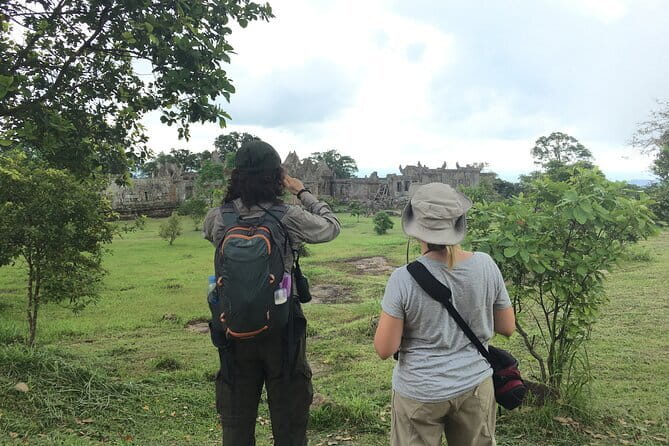
Tonle Sap is the largest lake in Southeast Asia, and its water level changes dramatically with the seasons. The morning boat trip to the floating village offers a look at homes, schools, and daily life built around the lake.
Kampong Phluk is reached from Siem Reap by road and boat. The visit is worthwhile if you want something different from temples, but it is not a quiet wilderness outing. The village is a working community and a tourism site at the same time. Keep your camera respectful and listen to your guide’s explanation rather than treating the homes as scenery.
The two-hour village visit is followed by Bakong, the first sandstone temple mountain built by Khmer rulers at Angkor. It belongs to the early Khmer capital of Hariharalaya, along with Preah Ko. Seeing these temples after the later Angkor monuments helps you track how Khmer architecture developed.
Preah Ko was the first temple built in the ancient city of Hariharalaya. It is smaller and earlier than the grand temples around Angkor Wat, but its place in the sequence matters. You are not just collecting ruins. You are seeing an evolving style.
Back in Siem Reap, Wat Preah Prom Rath adds a living Buddhist setting. Its wall paintings date from the 17th century, and the pagoda offers a different type of religious art from the carved stone temples.
Artisans Angkor completes the day with Cambodian crafts and a social mission. The organization creates work for young people in rural areas while reviving traditional Khmer skills. This stop is more useful when you see it as a place connected to training and employment, not simply a shop.
Day 4 is the most varied day of the six. The lake, early temples, Buddhist pagoda, and craft center give you a wider view of Cambodia. It also has the least predictable timing, since road and boat conditions can affect the morning.
Day 5: Phnom Kulen’s sacred mountain and waterfalls
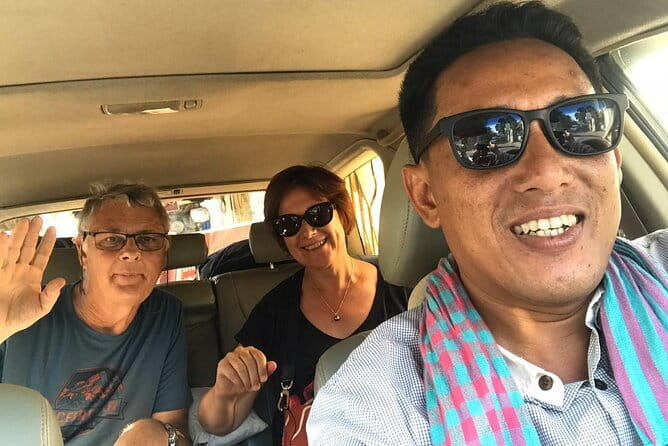
Phnom Kulen is the most physically varied day. The park is tied to the source of sandstone used for Angkor’s temples and to an earlier urban center. Your schedule includes nature walks, religious sites, a viewpoint, and waterfalls.
Poeng Ta Kho, also called Amazing Cliff, is reached from the main road by an easy route and offers views across a canyon between mountain ranges. It is a useful stop early in the day because it gives you a sense of the mountain’s scale before the sacred sites and swimming area.
Preah Ang Thom contains an eight-meter reclining Buddha carved into a natural sandstone boulder. The statue represents the Buddha reaching nirvana, and the site remains an important place of worship. Dress and behave respectfully at the pagoda, as you would at Wat Preah Prom Rath.
The River of 1000 Lingas is part of the Phnom Kulen visit, and the park schedule allows about three hours for the main area. The day includes trekking, though the supplied details do not specify the exact trail distance. You should be prepared for uneven ground and a moderate level of exertion.
The Phnom Kulen Waterfall area has two falls. One is about 5 meters high and 25 meters wide. The second is about 15 meters high and 15 meters wide. Swimming is part of the appeal, so bring suitable clothing and a towel, while remembering that this is a natural site rather than a polished resort pool.
This is probably the day most likely to test your energy. The early temple days involve plenty of walking, but Phnom Kulen adds a more outdoorsy feel and a longer transfer away from Siem Reap. I would especially recommend it if you want a break from carved stone and air-conditioned vehicle time.
Day 6: A simple airport departure
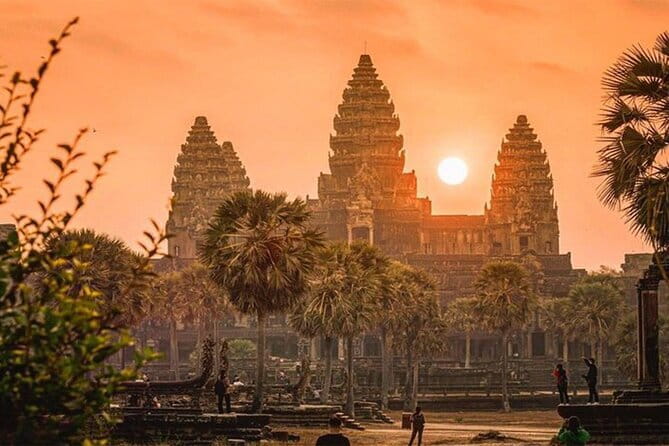
After breakfast, you have free time until the driver meets you in the hotel lobby. The airport transfer is provided without a tour guide, which is perfectly adequate for a departure morning.
The schedule lists about two hours for the airport stop. Confirm your flight time and pickup details with the operator, since the right departure time depends on your flight and airport requirements.
What the $827.10 price really covers
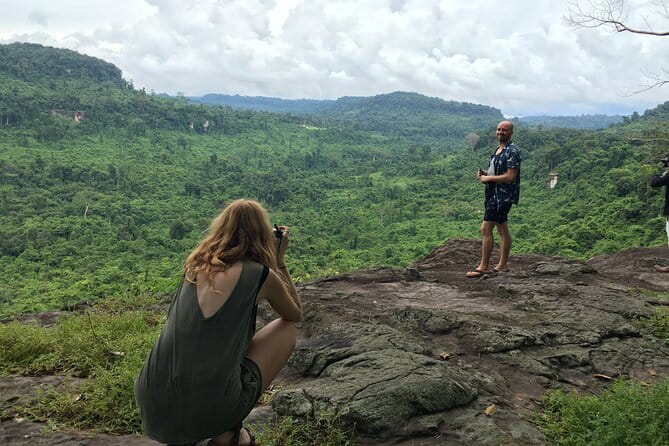
The value is strongest if you want a single arrangement that handles the major moving parts. The price includes:
- Hotel accommodation
- Five breakfasts
- Entrance fees
- Private transportation
- An English-speaking licensed guide
- Airport pickup and departure transfer
You can choose three-star, four-star, or five-star accommodation, though the exact price difference between hotel levels is not provided. Ask which tier your $827.10 quote covers before paying.
The price does not include tips or expenses not specifically named. Plan for guide and driver gratuities, personal drinks beyond what the tour provides, meals other than the five breakfasts, and any shopping or optional spending. The supplied service details describe clean vehicles, strong air conditioning, cold water, and frozen fresh towels, but you should confirm those amenities for your own booking.
For a private six-day tour, the package can make sense for couples, families, and small groups who value convenience. Group discounts are offered, so the per-person value may improve as your party grows. The mobile ticket is useful for keeping booking information on your phone, but carry a backup of key details.
Who should book this experience?
You are a good match if you want Cambodia’s major highlights without changing hotels every night. The schedule suits you if you enjoy early starts, guided context, private transport, and a mix of cultural and outdoor stops.
Families with older children may appreciate the variety, especially the lake and waterfalls. Couples can choose a higher hotel tier and enjoy private time between touring days. First-time visitors to Siem Reap will get a strong introduction to Angkor and the surrounding area.
You may want a slower custom tour instead if you dislike 4:30 a.m. starts, long temple days, or structured sightseeing. You should also think twice if you want long periods alone at each ruin. This program covers many places, and its value comes from that range.
The operator’s service feedback gives special attention to guide warmth, clear English, photography help, and careful driving. Leap is described as considerate and professional, while Sara is associated with helpful answers and strong photos. Those details matter because a good guide can turn a pile of stones into a readable story. Still, guide names are not guaranteed, so request your preferences if that matters to you.
Should you book the six-day Cambodia tour?
I would book this tour if you want a broad, well-organized first visit to Siem Reap and prefer private service over figuring out transport day by day. The combination of sunrise at Angkor Wat, lesser-known Ta Nei, Tonle Sap, and Phnom Kulen gives you more than the standard temple loop.
I would not choose it if your priority is a leisurely pace. The schedule is ambitious, especially on Days 2 and 5. Ask about the exact hotel tier, assigned guide, vehicle amenities, and daily pickup times before confirming.
Cancellation terms are strict close to departure: cancel at least six full days before the start for a full refund, two to six days before for a 50 percent refund, and less than two days before for no refund. If your flights are uncertain, check those terms carefully.
FAQ
Is this a private tour?
Yes. Only your group participates, with private transportation and an English-speaking licensed tour guide.
What hotels are included?
The available hotel options are Royal Crown Hotel & Spa, a three-star choice, Kulen Central Hotel, a four-star choice, and Angkor Paradise Hotel, a five-star choice, or similar properties.
Are entrance fees included?
Yes. Entrance fees for the included sites are part of the tour price.
Are meals included?
Five breakfasts are included. Other meals and expenses not specifically listed are not included.
Does the tour include airport transfers?
Yes. Pickup is provided from Siem Reap Angkor International Airport on arrival. On Day 6, a driver transfers you from the hotel to the airport without a tour guide.
How fit do I need to be?
A moderate level of physical fitness is recommended. The tour includes early starts, temple walking, trekking at Phnom Kulen, and uneven surfaces.
New around Siem Reap
- Siem Reap Temple and Waterfall 3-Day Tour★ 4.5 · 3 reviews
- Siem Reap: Guided Day Trip to Local Village & Cooking Class★ 5.0 · 3 reviews
- Savor the Countryside: Tours with Authentic Cooking Classes”★ 5.0 · 3 reviews
- Siem Reap Private Tour: Angkor Wat Sunrise And Banteay Srei★ 5.0 · 3 reviews
- Angkor Wat Sunset In Private and Small-In-Group★ 4.3 · 3 reviews
- Angkor Wat Sunrise TukTuk Tour★ 5.0 · 3 reviews
- Angkor Wat: Highlights and Sunrise with Spanish Guide★ 4.8 · 3 reviews
- Full Day to Banteay Srei, Kulen National Park and Beng Mealea★ 5.0 · 3 reviews
Angkor Temple Tours, compared.
1-Day private Angkor Temple Tour from Siem Reap
Read our review →
Private Full-Day Angkor Temple and Sunset Viewing with Lunch
Read our review →
Private one-day tuktuk ‘small tour’ of the oldest Angkor temples
Read our review →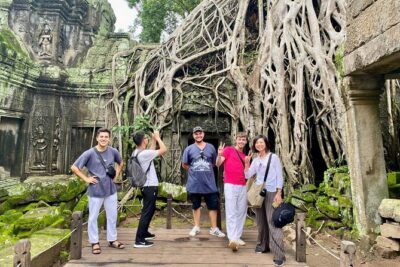
Explore Angkor Temple & Other – Private Vehicle with Tour Guided
Read our review →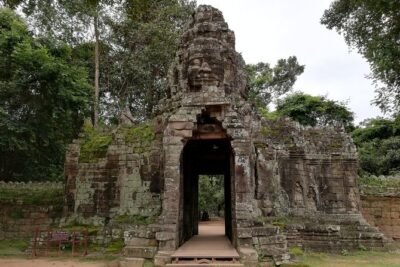
Angkor Wat Private Driver Tours to Angkor Wat Sunrise, Angkor Thom & Ta Prohm
Read our review →Browse the lists this tour appears in