
Reviewed · ANGKOR WAT TOURS
Two Days Angkor Wat Park-Beng Mealea and Kampong Phluk Village
Angkor Wat at dawn is the headline here, but the real strength of this tour is the way it moves from famous monuments to quieter ruins and present-day village life. You start around 5 AM, see the temples before the heat builds, and cover Angkor’s central sights while your guide helps connect the stones to the people and kingdoms that shaped them.
I like the private format, since your group can set its own pace rather than follow a large bus. I also like the change of mood on the second day: Beng Mealea feels rougher and more jungle-bound than the polished core temples, while Kampong Phluk gives you a look at life around Tonle Sap.
The main consideration is cost. The $260.69 rate is for a group of up to three, but temple admission is extra, and the boat at Kampong Phluk costs $25 per person. You should also confirm the final group-size and timing details before booking, since one supplied account describes a group of four.
Key points to know before booking
- Angkor Wat begins around 5 AM: The early start gives you a better chance at a calmer dawn and leaves useful morning time for the major temples.
- Guide Thom earns special praise: He is described as an excellent storyteller who explains temple details, local culture, and food traditions.
- Seven major stops fill the first day: Angkor Wat, South Gate, Bayon, Baphuon, the Elephants Terrace, Phimeanakas, and Ta Prohm create a full introduction to Angkor.
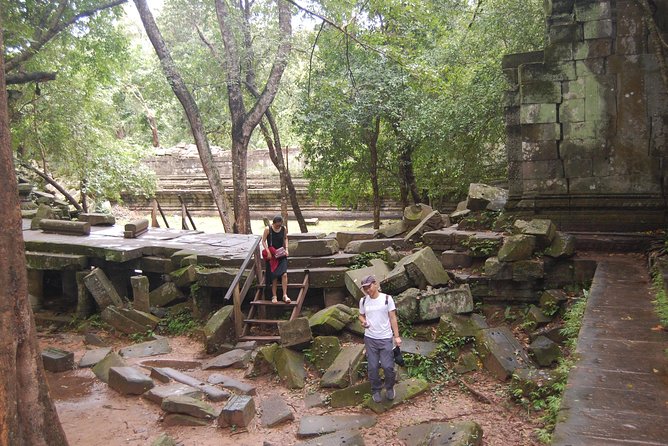
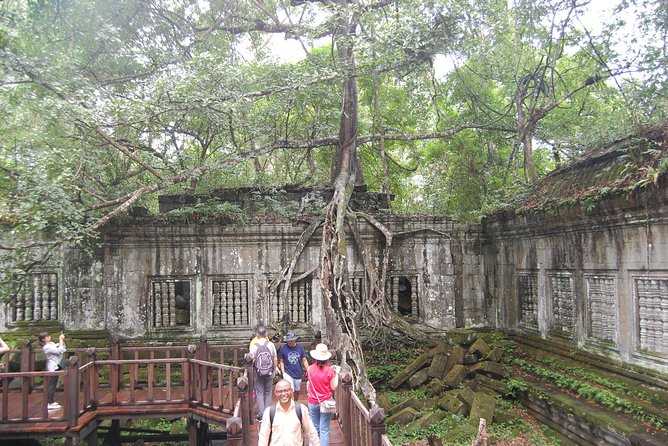
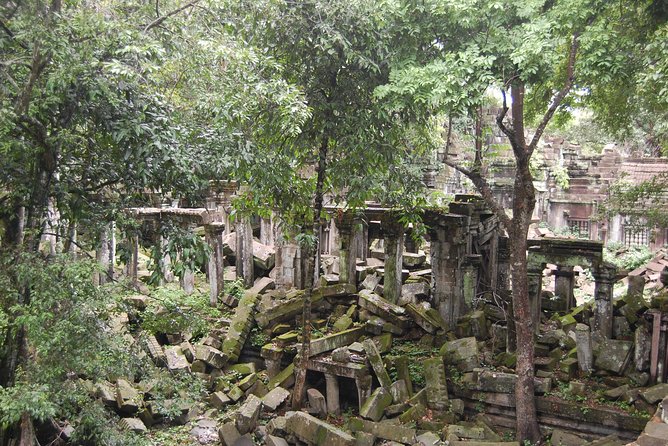
- Beng Mealea changes the mood: This unrestored jungle temple offers broken walls and a less formal setting than the main Angkor complex.
- Kampong Phluk costs extra by boat: Allow $25 per person if you want the boat portion of the village visit.
- The tour is private: You travel with your own party in an air-conditioned vehicle, with an English-speaking guide and drinking water included.
Why the 5 AM start matters at Angkor Wat
You will need to be ready before most people have had breakfast. That is the price of seeing Angkor Wat’s towers and reflecting pools at first light, when the sky changes behind the sanctuary and the stone begins to show detail.
The early departure also helps with the day’s rhythm. Angkor Wat receives the longest visit, about three hours, and the plan is to continue toward Ta Prohm before the larger crowds gather. You are not promised an empty temple, but an early start gives you a better chance at breathing room and cooler air.
Sunrise visits can be less comfortable than they look in photographs. You may spend time waiting for the light to improve, then walk across broad temple grounds. Wear practical shoes, bring water, and expect the morning to become hot later in the day. Drinking water is included, but temple entrance fees are not.
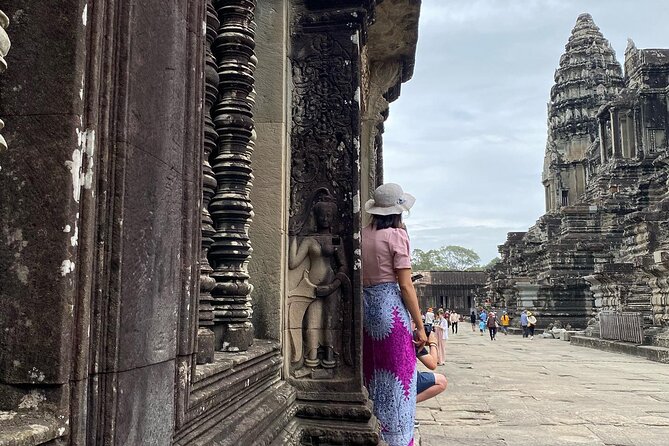
Angkor Wat deserves more than a quick photograph. The scale is easy to underestimate, and the carved galleries reward slow looking. With three hours here, you have time to take in the sanctuary, courtyards, and surrounding views without treating the temple as a brief stop on a checklist.
More Angkor Wat Tours in Angkor Wat:
- Angkor Wat Sunrise or Sunset Tour with Guide from Siem Reap
★ 5.0 · 12,109 reviews - Siem Reap: Angkor Wat: Small-Group Sunrise or Sunset Tour
★ 5.0 · 9,444 reviews - Siem Reap: Angkor Wat 2-Day Tour with Sunrise and Sunset
★ 4.9 · 4,429 reviews
Angkor Thom, from the South Gate to the Bayon faces
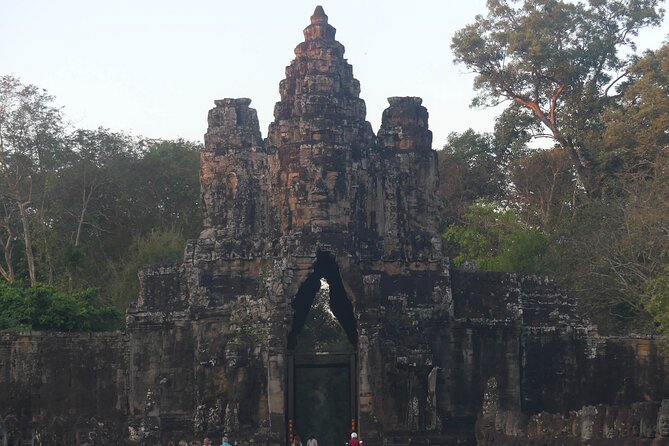
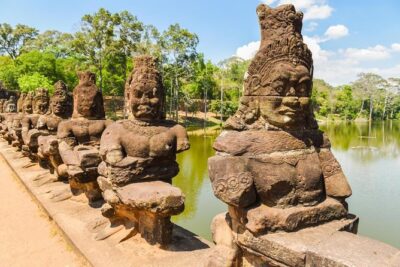
The next section moves into Angkor Thom, the great walled city. The South Gate is a short photo stop of about 20 minutes, but it gives you a useful visual introduction to the city’s formal entrance.
The gate is known for its monumental approach and carved figures, so your guide can help you notice details that are easy to miss while everyone is reaching for a camera. It is a compact stop, not a long walk or a full temple visit.
Bayon receives about an hour, and it is one of the most distinctive places on the route. Its towers carry large stone faces that appear from different angles as you move through the temple. The arrangement can feel confusing at first, which is exactly where a good guide matters.
Guide Thom is a particularly useful name to know if you have a choice of guide. His role is not limited to moving you from gate to gate. The strongest feedback about him points to clear explanations of temple details, nearby culture, and local food. That broader approach suits this itinerary, which mixes monuments with village life.
Bayon is also a place where patience pays off. Give yourself time to move through the narrow passages and look upward. The stop is not simply about finding the most famous face. It is about seeing how the temple’s crowded towers create a different mood from Angkor Wat’s open, ordered design.
Baphuon and the royal precinct
Baphuon follows with about 45 minutes. This pyramid-style temple rises within Angkor Thom and gives you a more vertical experience than Bayon. The approach and upper levels help you understand how temple builders used height, terraces, and long sight lines to create a sense of ascent.
You should expect steps and uneven surfaces at temple sites. The available feedback includes a group member with a slight walking disability, and the guide was praised for making the visit comfortable. That is encouraging, but the tour data does not promise a fully accessible route, so anyone with mobility concerns should discuss the specific needs before departure.
Phimeanakas and the former royal area add about 30 minutes. This is less about one dramatic facade and more about walking through an old royal compound with walls and smaller structures. I like this stop because it slows the pace after the more visually forceful Bayon and Baphuon.
You will not get the same instant recognition here as at Angkor Wat or Ta Prohm. That is part of its value. The royal precinct helps you see Angkor as a functioning city, not only as a collection of isolated monuments.
The Elephants Terrace and Ta Prohm’s tree-filled ruins
The Elephants Terrace is a short 20-minute visit. It once served as a ceremonial viewing platform, and its carved details are best understood from the long terrace face. The stop also includes the nearby Terrace of the Leper King, according to the supplied route.
This is a good place for a quick walk and photographs, but do not expect a full temple exploration. The stop is brief by design, and the tour is saving time for Ta Prohm.
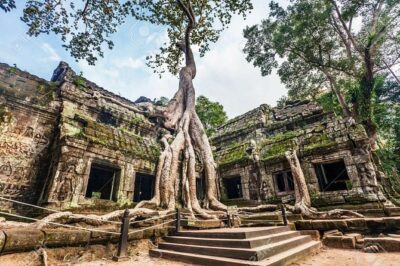
Ta Prohm receives about an hour and is often the most atmospheric stop of the first day. Trees grow around and over portions of the ruins, and the stonework feels less orderly than at Angkor Wat. The temple’s fame means it is popular, so the plan to reach it early is useful.
Look beyond the most photographed tree-and-wall scenes. Ta Prohm’s appeal comes from the tension between carved architecture and vegetation, but there are also galleries, courtyards, and details that reward a slower look. The site can feel crowded at popular points, so your guide may help you focus on less obvious sections.
By this point, the first day has covered a great deal. Angkor Wat, Angkor Thom, Bayon, Baphuon, the terraces, Phimeanakas, and Ta Prohm make for a strong introduction, but it is not a light sightseeing day. If you prefer relaxed temple visits with long breaks, the schedule may feel full. If you want to see the major names efficiently, it makes good use of your time.
More Beng Mealea jungle-temple days:
- 3-Day Angkor Wat with All Interesting Major Temples, Banteay Srei & Beng Mealea
★ 5.0 · 70 reviews - A Day Angkor Wat Sunrise Tour, Ta Prohm & Hidden Gems Beng Mealea
★ 5.0 · 36 reviews - 2-Day Angkor Wat, Kulen Mountain, Beng Mealea and Tonle Sap
★ 5.0 · 26 reviews - Private 2 Days Angkor Wat Sunrise, Floating Village & Beng Mealea
★ 5.0 · 14 reviews
Kampong Phluk brings the tour down to daily life
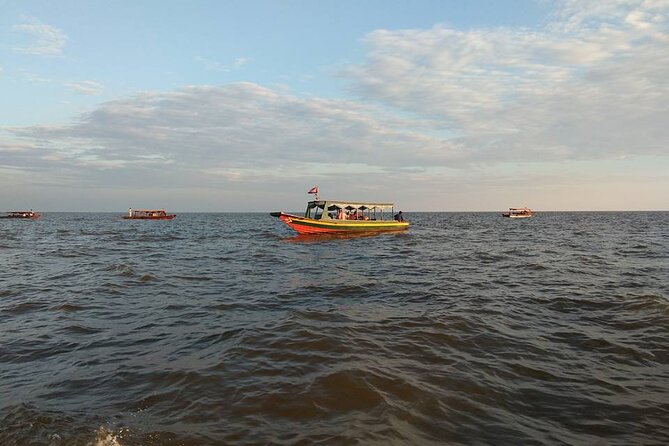
The second day begins with a different kind of sight. Kampong Phluk is a floating village area connected to Tonle Sap, and the visit lasts about two hours. Instead of concentrating on royal architecture, you see how Cambodian communities live along the water.
The description also refers to Kampong Khleang, so confirm which village is planned for your date. The route may depend on local conditions and the operator’s arrangement. What is clear is the aim: to examine village life and the connection between homes, boats, water, and work.
The boat costs $25 per person and is not included. That extra charge matters when comparing the total price. If you want the water-based portion, add it for every person in your group. One useful tip from the experience is to allow extra time for the small boat, since it can add a closer view of village life beyond the roadside perspective.
This stop works well after a temple-heavy first day. You are no longer looking only at ancient stone. You are seeing a living community shaped by Tonle Sap. Keep your expectations grounded: this is a cultural visit, not a staged attraction described in detail by the supplied information. The value comes from observing the setting and learning from your guide.
Beng Mealea offers a rougher, quieter temple visit
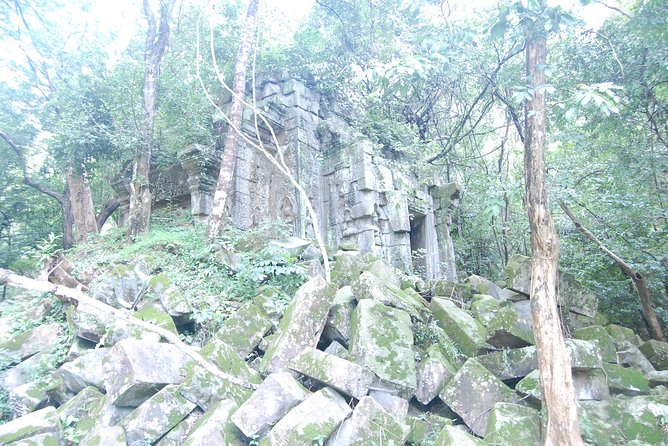
Beng Mealea is the second day’s main temple stop, with about 90 minutes planned. It is described as an unrestored jungle sanctuary, and that makes it quite different from the central Angkor monuments.
Here, fallen blocks, broken galleries, and plant growth help you picture what an old temple site can look like without extensive repair. The setting feels more adventurous, although you should still treat it as a historic site rather than an obstacle course.
Beng Mealea is also farther from the familiar Angkor circuit, so the transport time matters. The supplied details do not state the exact driving time, and you should not expect the same density of sights as on day one. You are trading quantity for atmosphere and a less crowded setting.
I would choose this tour partly for that contrast. Angkor Wat and Bayon show the grandeur of the central monuments. Beng Mealea gives you a rougher sense of age and decay. Seeing both helps you understand why a temple can be impressive when it is carefully maintained and compelling when nature and time remain more visible.
The wording supplied for the schedule includes an odd duration entry of 3 days 18 hours for Beng Mealea, while the tour itself is described as two days and the temple visit as 90 minutes. Treat that as a display error and confirm the day-by-day timing before you pay.
Banteay Srei and its finely carved sandstone
Banteay Srei is the final listed stop, with about an hour planned. It is known for pink sandstone and fine carving, and the description makes a strong comparison with Angkor Wat’s decoration.
The temple’s smaller scale makes it a fitting final stop after the massive monuments and rougher Beng Mealea. You can focus on close detail rather than grand size. Look for the precision of the carved surfaces and the way the pink stone changes the temple’s character.
An hour is enough for an introduction, but it is not a leisurely study session. If detailed carving is your main interest, ask your guide to point out the features that make Banteay Srei special. This is another reason the guide matters. The stonework can look decorative at a glance, but a good explanation helps you see the planning and skill behind it.
The order of the second day may be subject to practical changes. Kampong Phluk, Beng Mealea, and Banteay Srei are listed together, but the supplied details do not explain exact departure times or driving breaks. Confirm the final sequence if you have a firm evening plan.
What the $260.69 group price really covers
At $260.69 per group of up to three, the price is easiest to judge as a private transport and guiding package, not as an all-inclusive ticket. You receive an air-conditioned vehicle, an English-speaking guide, and drinking water.
That arrangement can be good value if you want personal attention and do not want to share a vehicle with a large group. The private setup also matters on a demanding schedule. You can raise questions, discuss walking needs, and spend a little more time at a favorite stop if the day allows.
The price does not include temple fees. It also excludes the $25 boat fee per person at Kampong Phluk and travel insurance. Those extras can change the final cost, especially for a group larger than two.
The advertised group limit is up to three, while one supplied account describes four people on the tour. I would clarify this directly before booking. Ask whether a fourth person changes the rate or vehicle arrangement.
The tour has a 4.9 rating from 14 ratings and a 100 percent recommendation figure. That is a strong early signal, though the sample is small. The most useful practical detail is the repeated praise for Thom’s guiding and his ability to make the two days both educational and comfortable.
Who will get the most from these two days?
This tour suits you if you want the major Angkor temples but do not want to spend both days on the same circuit. The combination of Angkor Wat, Angkor Thom, Ta Prohm, Beng Mealea, Banteay Srei, and Kampong Phluk gives you architecture, carved detail, jungle ruins, and village life.
It is also a good fit for a private group that values an English-speaking guide. Thom is the guide specifically identified in the available feedback, and his explanations reportedly cover more than temple facts. The mention of local culture and food is important because it gives the second day more purpose.
You should think twice if you dislike early mornings, long temple days, or extra costs paid locally. The first morning begins around 5 AM, and the full route includes several walking stops. The tour data says most people can participate, but it does not promise a step-free or fully accessible experience.
Pack light, wear shoes suited to uneven temple paths, and carry sun protection. The provider supplies drinking water, but temple tickets, the boat, insurance, meals, and any other personal costs are not listed as included. Do not assume that the $260.69 covers every expense.
The cancellation terms are fair: you can receive a full refund if you cancel at least 24 hours before the local start time. Changes or cancellations inside that window are not accepted for a refund.
Should you book this Angkor combination?
Book it if you want an efficient first look at Angkor with a private guide, then a second day that reaches beyond the best-known temples. The early Angkor Wat start, the quieter feel of Beng Mealea, and the village visit give the experience more range than a standard one-day temple loop.
I would be especially comfortable recommending it to couples, families, or small groups who want their own vehicle and value explanation over simply being driven from gate to gate. Guide Thom is a strong reason to request or confirm, if possible.
Before booking, check three things: the final temple-ticket cost, the $25-per-person boat charge, and the group-size discrepancy. If those figures fit your budget and you can handle the early start, this is a well-balanced two-day introduction to Cambodia’s ancient monuments and modern waterside life.
FAQ
How long is the tour?
The experience is described as a two-day tour, with each day lasting approximately a full sightseeing day.
Where does the tour start?
Pickup begins in Krong Siem Reap, Cambodia.
Is hotel pickup offered?
Yes. Pickup is offered, though the supplied information does not specify individual hotel pickup details.
Are temple admission tickets included?
No. Temple fees are not included in the tour price.
How much does the Kampong Phluk boat cost?
The boat fee is $25 per person and is not included.
Is the tour private?
Yes. This is a private activity, so only your group participates.
What is included in the tour price?
An air-conditioned vehicle, an English-speaking tour guide, and drinking water are included.
Can I cancel for a full refund?
Yes. You can cancel at least 24 hours before the experience start time for a full refund. Cancellations or changes made less than 24 hours in advance are not accepted for a refund.
More 2-Day Experiences in Angkor Wat
- 2-Day Angkor Wat With Small, Big Circuit and Banteay Srei Tour
★ 5.0 · 545 reviews - Angkor Wat 2-Day complex Sun rise & Sun set with Guided Tour
★ 4.9 · 439 reviews - Siem Reap: 2-Days Angkor Wat with Sunrise Small-Group Tour
★ 4.9 · 213 reviews - 2-Day Angkor Wat Tour with Banteay Srei and Floating Village
★ 5.0 · 113 reviews
More Kampong Phluk stilt-village trips
- From Siem Reap: Kampong Phluk Floating Village Tour by Boat
★ 4.9 · 6,979 reviews - Sunset tour of Kampong Phluk stilts home village on the Tonle Sap
★ 5.0 · 4,865 reviews - Siem Reap: Kampong Phluk Floating Village Tour with Boat
★ 4.9 · 3,843 reviews - Siem Reap Floating Village Kampong Phluk Sunset with Boat
★ 5.0 · 1,962 reviews
New around Angkor Wat
- Angkor Wat Small Tour Sunrise With Private Tuk Tuk★ 4.6 · 7 reviews
- Angkor Wat at Sunrise★ 4.0 · 7 reviews
- Angkor Wat Sunrise, Banteay Srei, Bayon & Ta Prohm Temple★ 4.9 · 7 reviews
- Angkor Wat 3-Day Temple Tours★ 5.0 · 8 reviews
- 1 day special Tour: Angkor Wat,Bayon,Ta Prohm, Bantey srei and Beng Mealea★ 5.0 · 8 reviews
- Angkor Wat Sunrise & Small Circuit Tour★ 5.0 · 8 reviews
- Angkor Wat Sunrise Tour★ 5.0 · 8 reviews
- Angkor Wat Cycling Tour★ 5.0 · 8 reviews
Angkor Wat Tours, compared.
Angkor Wat Sunrise or Sunset Tour with Guide from Siem Reap
Read our review →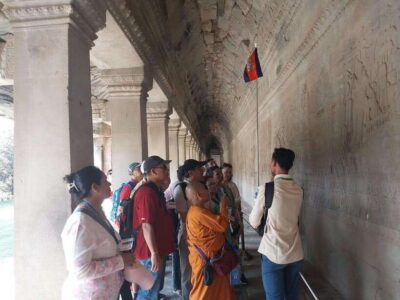
Angkor Wat: Small-Group Sunrise or Sunset Tour
Read our review →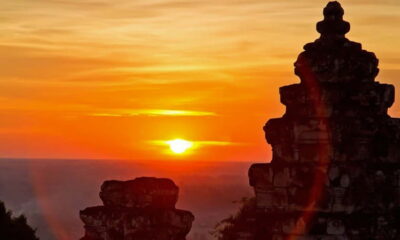
Angkor Wat Sunrise tour with Small – Group and Guide tours
Read our review →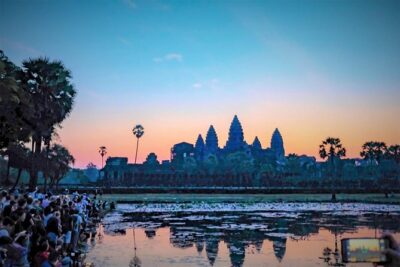
Angkor Wat Highlights and Sunrise Guided Tour from Siem Reap
Read our review →
Angkor Wat Sunset Small Group Tour with Lunch Included
Read our review →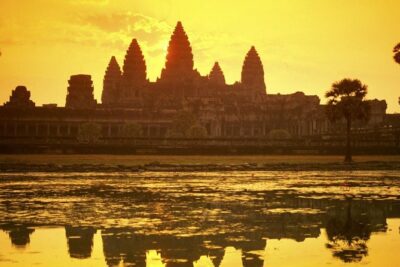
Full-Day Angkor Wat Sunrise Private Tour with Guide from Siem Reap
Read our review →
Angkor Wat Sunrise & 3 Main Temples with Breakfast – Small Group
Read our review →Browse the lists this tour appears in