
Reviewed · SIEM REAP TOURS
Siem Reap: Khmer Rogue, War museum &landmine museum Day Tour
Cambodia’s wartime past is not tucked away in a textbook. At Wat Thmei, a temple site in Siem Reap, the Khmer Rouge period becomes personal and painfully close. This full-day tour then connects that experience with the Cambodia Landmine Museum and War Museum, giving you a sober look at what conflict left behind and how the country is moving forward.
I like the way the tour links three very different sites instead of treating the Killing Fields as a stand-alone stop. I also like the practical setup: hotel pickup, museum admission, an English-speaking guide, cold water, and a wet towel are covered. Guides Mr Sok Vuthy and Buth Veasna have been praised for clear, passionate explanations.
The main drawback is the pace and subject matter. You spend about five hours at the sites and more than three hours in the minivan, so this is a long, emotionally heavy day. Food and soft drinks are not included, and you should not expect a light sightseeing outing.
Key points to know before booking
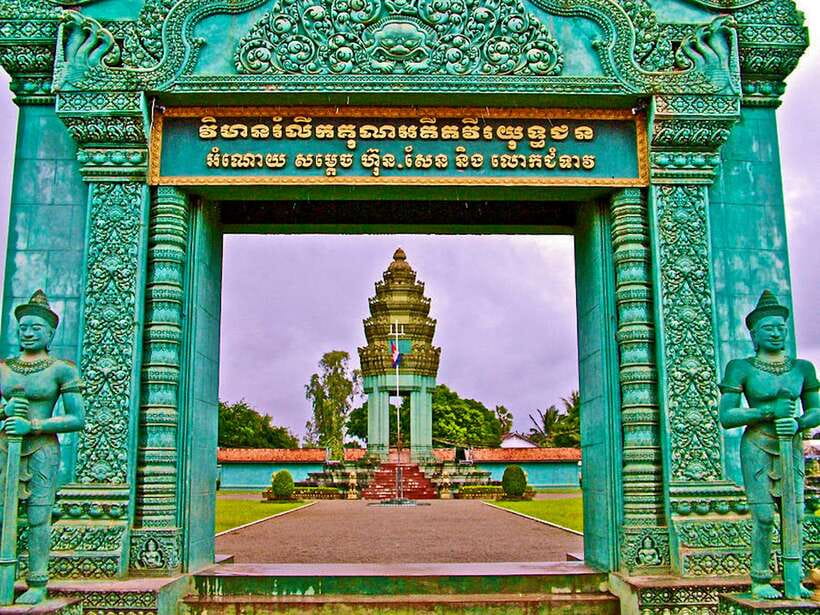
- Wat Thmei gives the day its emotional weight: This temple site is connected with the Khmer Rouge period and is a quiet place for learning and reflection.
- The Landmine Museum adds a personal angle: It was established by a former child soldier and displays thousands of decommissioned mines and other weapons.
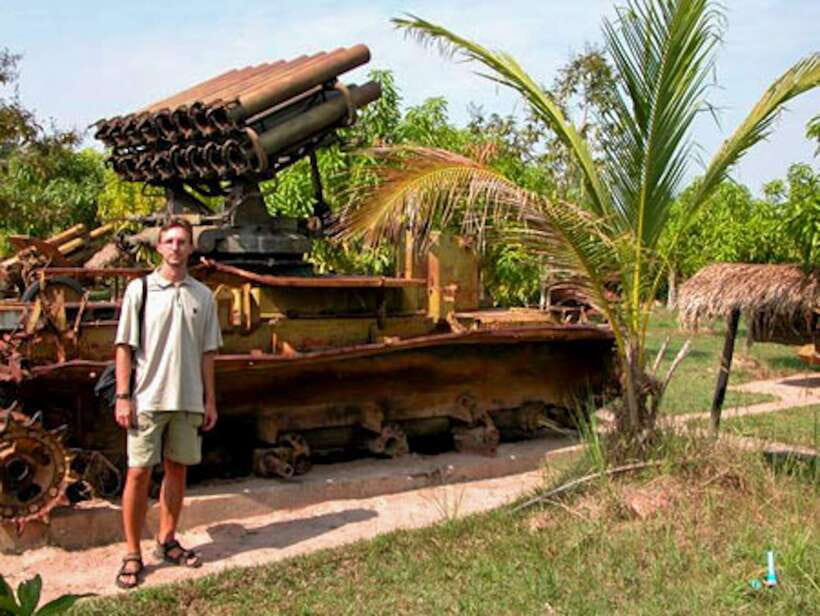
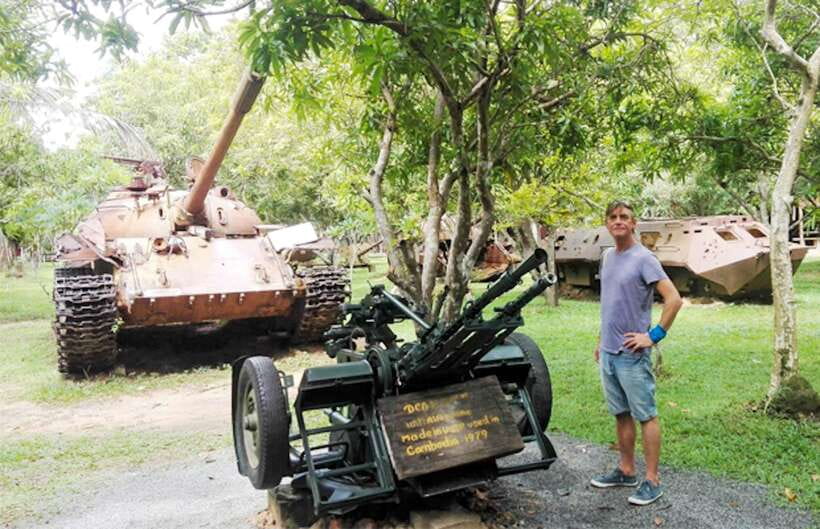
- The War Museum focuses on military objects: Its collection has been gathered since 1999 from former fighting areas including Anlong Veng, Siem Reap, and Odor Meangchey.
- The guide matters here: Mr Sok Vuthy and Buth Veasna are noted for clear, passionate instruction in English.
- The day includes substantial driving: The published route adds roughly three hours and fifteen minutes of bus travel between Siem Reap and the three stops.
- The $78 price covers the basics: Hotel transfers, guide service, entry fees, cold water, and a wet towel are included, but meals are not.
Why this Siem Reap history tour matters
Many people come to Siem Reap for Angkor Wat and spend their days among temples built centuries ago. This tour takes you into a different part of Cambodia’s story, one shaped by the Khmer Rouge, civil conflict, weapons, forced suffering, and recovery.
I see the value in pairing Wat Thmei with two museums. A Killing Field site shows the human cost. The Landmine Museum explains how unexploded weapons continue to affect people. The War Museum places guns, vehicles, and other military objects within Cambodia’s long conflict. Together, the stops help you connect events with physical evidence.
This is also a useful choice if you want more context than a brief museum visit can provide. Your guide is there throughout the day, so you can hear explanations as you move from one place to the next. That matters in Cambodia, where the history can be difficult to understand from displays alone.
The tone is serious. I would not schedule this tour immediately before a carefree evening if you know that difficult subjects stay with you. Give yourself quiet time afterward. The return to your hotel is built into the day, which makes it easier to process what you have seen.
More Museums in Siem Reap
- Bantey Srei, Kbal Spean and Landmine museum Private Tuk-Tuk
★ 4.7 · 30 reviews - Siem Reap City Tour with War Museum and Killing Field
★ 5.0 · 27 reviews - Private Tour: HERO Rats & Angkor National Museum
★ 4.5 · 16 reviews
Wat Thmei and the Killing Fields
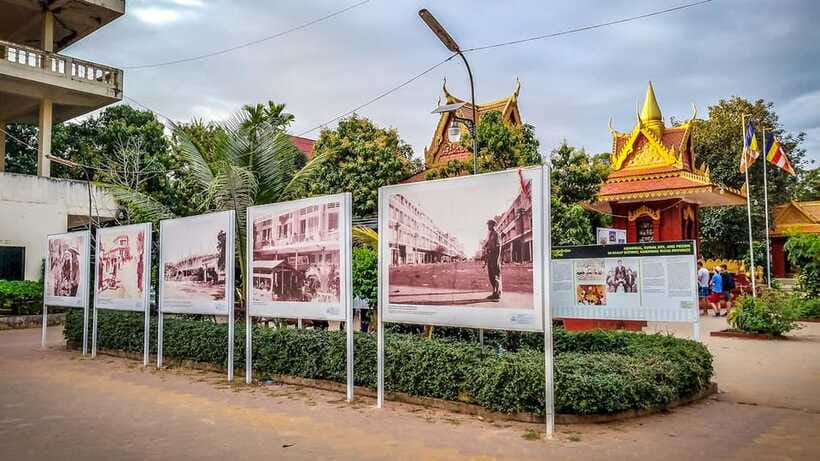
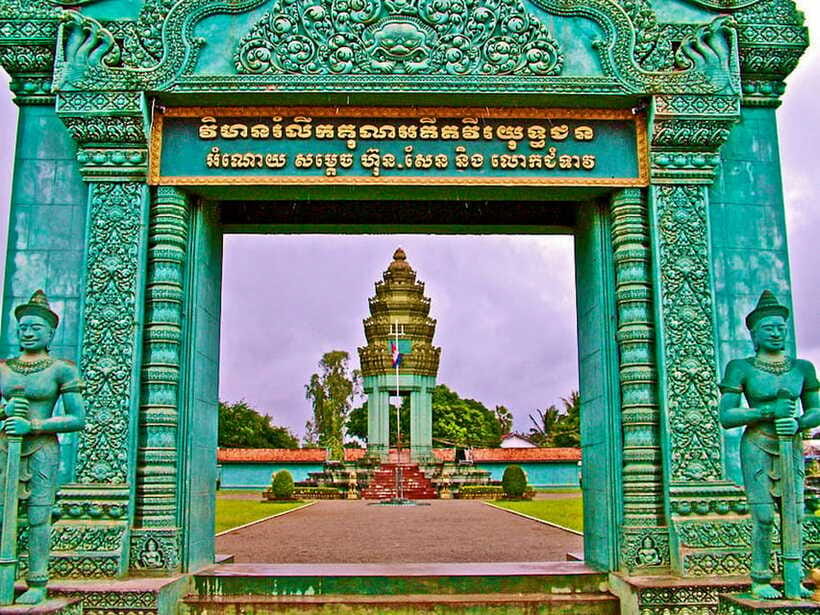
Wat Thmei is listed as a two-hour visit, including guided sightseeing. The site is a temple compound associated with the Killing Fields of the Khmer Rouge period. It is not simply another stop to check off. You are there to confront a period in which Cambodia suffered on a massive scale.
The setting adds to the experience. A temple is normally linked with prayer, calm, and daily community life. At Wat Thmei, that familiar religious setting sits beside the memory of violence. Your guide can help explain the significance of the site and place what you see within Cambodia’s recent past.
I would move slowly here. Read what is available, listen to the guide, and avoid treating the visit as a photo stop. Flash photography is not allowed, so keep your camera use respectful and follow the site’s rules.
Two hours is generous compared with a quick stop, but that does not mean you must fill every minute with sightseeing. The time allows for explanation, quiet reflection, and a more measured visit. The drawback is emotional rather than practical: this may be the hardest part of the day.
The Cambodia Landmine Museum
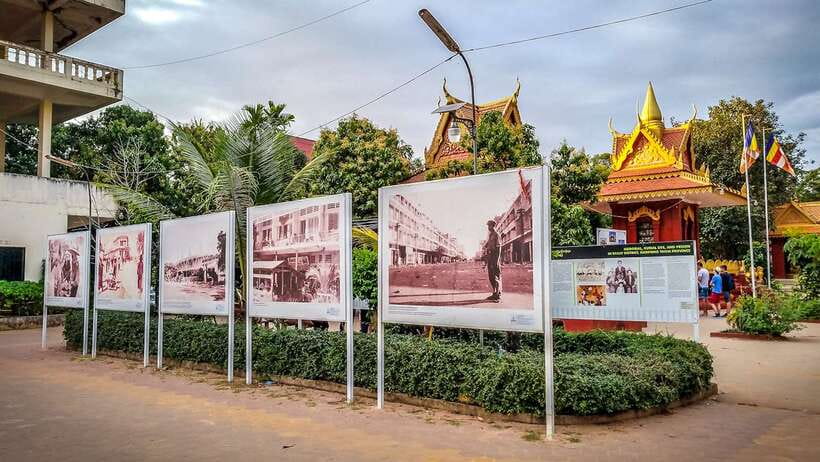
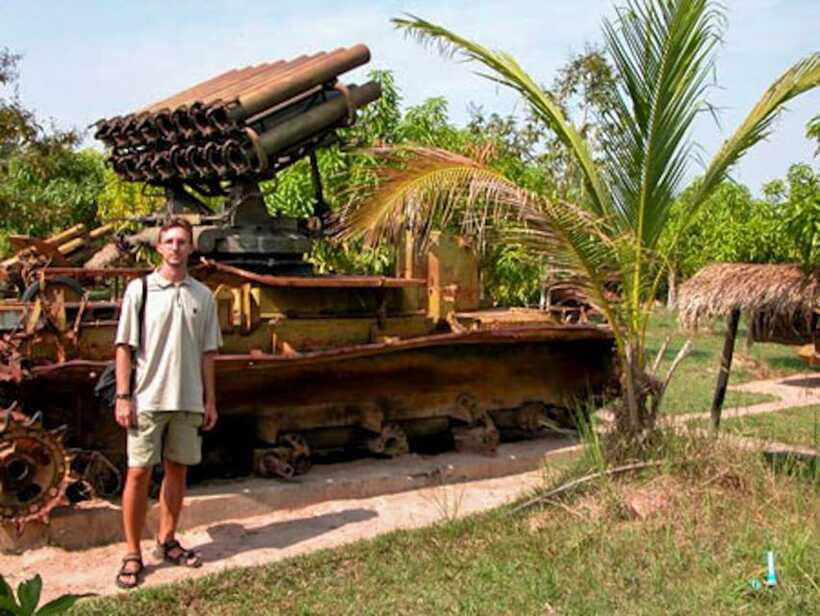
The Cambodia Landmine Museum is scheduled for about an hour and a half, with a guided visit and walking. It was established by a former child soldier and contains thousands of decommissioned landmines and other weapons of war.
That origin gives this stop a different feel from Wat Thmei. You move from a site linked to mass death to a place focused on the continuing danger of weapons left behind by conflict. The subject is not only what happened in the past. It is also what remnants of war can do long after fighting ends.
For me, the museum’s value is in making landmines less abstract. A mine may look like an old military object behind glass, but the larger lesson is clear: removing weapons from the ground is slow, dangerous work, and their effects can continue for years.
Your guide helps make sense of the collection. You can learn about the different weapons and the damage caused by landmines, as well as ways people can support efforts to clear them. The information provided for the tour does not promise a specific mine-clearance program or donation activity, so think of this as an educational visit rather than a hands-on project.
The museum is outside the central sightseeing core, and the driving time is part of the bargain. The route includes a one-hour coach segment connected with the museum portion. Bring patience, especially if you have already spent time on the road before reaching it.
The War Museum’s collection of weapons
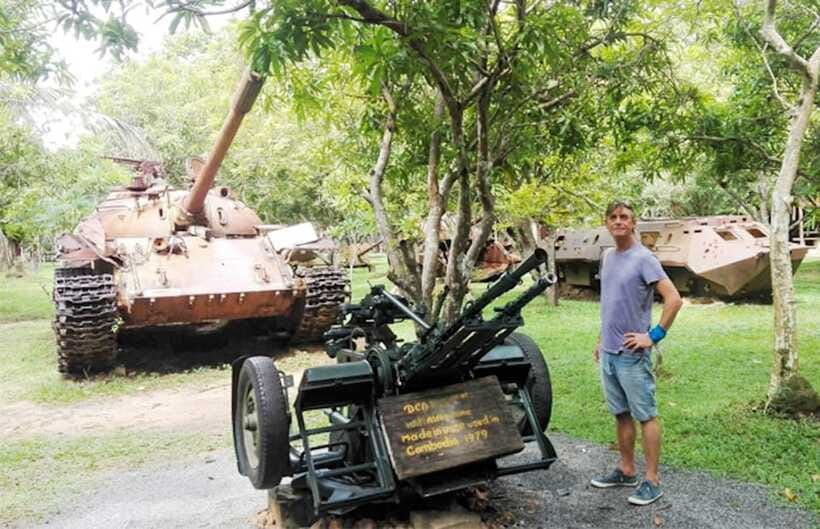
The War Museum Cambodia offers another hour and a half of guided sightseeing and walking. Its collection has been assembled since 1999 from former conflict areas, including Anlong Veng, Siem Reap, and Odor Meangchey.
The appeal here is physical evidence. Weapons, military equipment, and other objects can show the scale and character of conflict in a way that a short written account cannot. You get a chance to examine the objects while your guide explains how they fit into Cambodia’s complicated war history.
This stop works best if you are interested in military history or want a clearer picture of the different forces and periods involved in Cambodia’s conflict. It is less about polished museum design and more about the objects themselves and the stories attached to them.
I would keep your expectations realistic. The information supplied for the tour does not list specific aircraft, tanks, guns, or other individual exhibits, so do not book it expecting a guaranteed item. The collection is described as unique and gathered from areas where fighting took place, but the guide’s interpretation will be important in making the visit meaningful.
The War Museum also gives the day a useful change of focus. Wat Thmei asks you to remember victims. The Landmine Museum shows the long danger of weapons. The War Museum helps you consider how the conflict was fought and how complicated Cambodia’s path through war has been.
A completely different sort of day from the same base:
- Angkor Wat Sunrise or Sunset Tour with Guide from Siem Reap
★ 5.0 · 12,109 reviews - Siem Reap: Angkor Wat: Small-Group Sunrise or Sunset Tour
★ 5.0 · 9,444 reviews - From Siem Reap: Kampong Phluk Floating Village Tour by Boat
★ 4.9 · 6,979 reviews - Sunset tour of Kampong Phluk stilts home village on the Tonle Sap
★ 5.0 · 4,865 reviews
How the driving shapes the eight-hour day
The tour uses a minivan or bus and begins with pickup in Krong Siem Reap. You are asked to wait in your hotel lobby 20 minutes before the scheduled pickup. At the end, the vehicle returns you to Siem Reap.
The published timing includes a one-hour bus segment, another one-hour segment, a 45-minute segment, and a final 30-minute return. That adds up to about three hours and fifteen minutes of transport. The remaining time is divided between the Landmine Museum for 1.5 hours, the War Museum for 1.5 hours, and Wat Thmei for two hours.
That is a significant amount of road time, but it is also what makes the three-stop plan possible. These sites are not presented as one compact museum visit. The vehicle keeps the day organized and saves you from arranging separate transport to each place.
Cold water and a wet towel are included, which is a small but welcome touch in Cambodia’s heat. Food and soft drinks are not included, and no meal stop is specified. I would eat before pickup and carry only what the tour rules allow, since the provided details do not promise a restaurant break.
The exact order can matter to your mood. The overview describes Wat Thmei as the first location, while the detailed stop schedule places the Landmine Museum and War Museum before Wat Thmei. Since the published information is not fully consistent, confirm the day’s order when you book or at pickup. The three attractions are the important part, but knowing when the most emotional stop comes can help you prepare.
The guide can make the difference
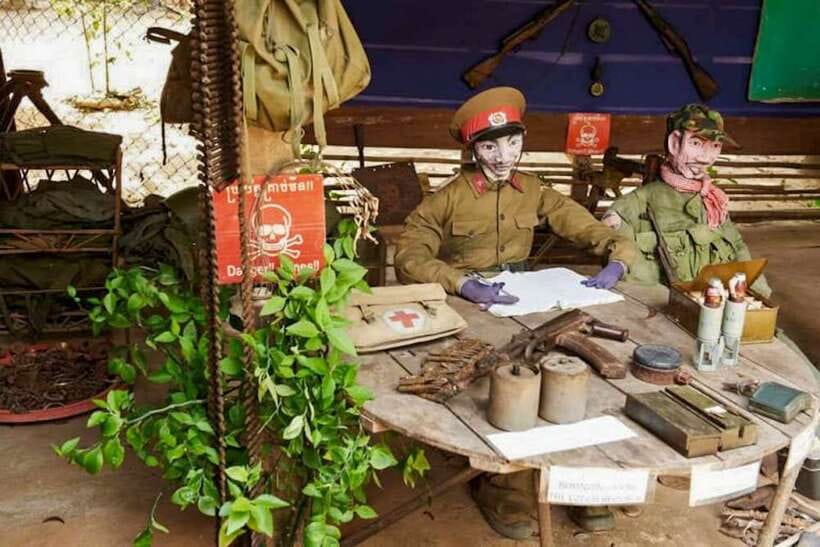
This is a guide-led experience in English, and the guide’s role is especially important at the two museums. Objects from war do not explain themselves. A good explanation can connect a landmine, weapon, or memorial site to the people affected by it.
Mr Sok Vuthy is described as experienced and knowledgeable, while Buth Veasna is praised for being well informed and passionate. Those comments point to the sort of help you want here: clear background, a sense of sequence, and enough human context to keep the day from becoming a display of weapons and tragic numbers.
You should still ask questions. If a term, date, or conflict period is unclear, stop and ask the guide to explain it in simpler language. The tour is designed as a digestible way to learn, not as an academic lecture, so direct questions should help you get more from each stop.
The guide also helps with the emotional balance of the day. Cambodia’s past is painful, but the purpose is not to leave you with only despair. The museums also point toward recovery, mine removal, and the strength of people rebuilding their lives.
Is $78 a fair price?
At $78 per person, the tour is not the cheapest way to see one museum or one temple. It becomes more reasonable when you count what is included: hotel pickup and drop-off, an English-speaking guide, entry to all three museums or sites, cold water, and a wet towel.
You are also buying convenience. Arranging three separate visits would mean finding transport, confirming admission, and working out the route yourself. The tour puts those pieces together in one eight-hour day.
Still, value depends on your interests. If you mainly want temples, markets, and relaxed sightseeing, $78 may feel high for a day devoted to war history. If you want a structured introduction to the Khmer Rouge period, landmines, and Cambodia’s military past, the package saves effort and gives you a guide to help interpret difficult material.
There are extra costs to plan for. Souvenirs, food, and soft drinks are excluded. The activity offers free cancellation up to 24 hours before departure and a reserve-now, pay-later option, which can help if your Siem Reap schedule is still changing.
Who will appreciate this tour most?
I would recommend it to adults and older children who can handle serious historical subjects. It suits people who want to understand Cambodia beyond its famous temples and who prefer a guide to explain what they are seeing.
It is also a good fit if you have one open day in Siem Reap and want a focused subject rather than a general city tour. The three sites build on one another, and the return to your hotel keeps the day simple.
This may not suit you if you dislike long drives, prefer independent visits, or want a gentle day outdoors. The experience includes walking at each stop, but its purpose is education and remembrance, not scenic sightseeing.
The tour is listed as wheelchair accessible. Since the supplied details do not describe surfaces, ramps, or vehicle arrangements, confirm the practical setup before booking if you use a wheelchair.
Practical advice for a respectful visit
Wear comfortable clothes and shoes for the walking portions. The tour lasts eight hours, and the stops include outdoor sightseeing as well as museum visits.
Treat Wat Thmei with care. Keep your voice low, avoid casual posing around memorial areas, and remember that this is a place of loss. Flash photography is not allowed anywhere the rule applies, so turn off your flash before you begin.
At the museums, take time with the explanations instead of rushing from object to object. The displays are most useful when you understand what they tell you about the people who lived through the conflict and the work still needed after it.
Bring water if you prefer to drink often, even though cold water is included. Plan to buy food before or after the tour, since meals and soft drinks are not part of the package.
Should you book the Siem Reap war-history tour?
Book it if you want a serious, guided look at Cambodia’s recent past and value having transport and admissions handled for you. The combination of Wat Thmei, the Landmine Museum, and War Museum gives you three angles on violence, survival, and recovery, while guides such as Mr Sok Vuthy and Buth Veasna add the explanation these places need.
Skip it if your priority is a relaxed holiday day or if three-plus hours in a vehicle sounds tiring. At $78, the value rests on your interest in the subject. For a focused history day with hotel transfers and a guide, it is a practical choice, but it asks for your full attention and a willingness to face difficult material.
FAQ
How long does the tour last?
The tour lasts eight hours, including transportation between Siem Reap and the three attractions.
What places are visited?
The tour visits the Cambodia Landmine Museum, War Museum Cambodia, and Wat Thmei, also known as a Killing Fields site.
Is hotel pickup included?
Yes. Hotel pickup and drop-off in Krong Siem Reap are included. You should wait in your hotel lobby 20 minutes before the scheduled pickup time.
Is a guide included?
Yes. An English-speaking live tour guide accompanies the experience.
Are entrance fees included?
Yes. Museum and attraction entries are included in the tour price.
Is food included?
No. Food and soft drinks are not included. Cold water and a wet towel are provided.
Can I cancel the booking?
You can cancel up to 24 hours in advance for a full refund.
Is the tour wheelchair accessible?
Yes. The activity is listed as wheelchair accessible.
New around Siem Reap
- Siem Reap Temple and Waterfall 3-Day Tour★ 4.5 · 3 reviews
- Siem Reap Private Tour: Angkor Wat Sunrise And Banteay Srei★ 5.0 · 3 reviews
- Siem Reap: Guided Day Trip to Local Village & Cooking Class★ 5.0 · 3 reviews
- Savor the Countryside: Tours with Authentic Cooking Classes”★ 5.0 · 3 reviews
- Angkor Wat Sunrise TukTuk Tour★ 5.0 · 3 reviews
- Angkor Wat Sunset In Private and Small-In-Group★ 4.3 · 3 reviews
- Exclusive Angkor temples and Small group temples tours★ 5.0 · 3 reviews
- Angkor Wat: Highlights and Sunrise with Spanish Guide★ 4.8 · 3 reviews
Siem Reap Tours, compared.
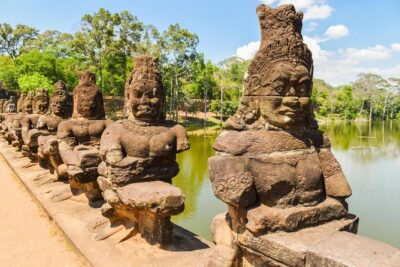
Angkor Wat Sunrise or Sunset Tour with Guide from Siem Reap
Read our review →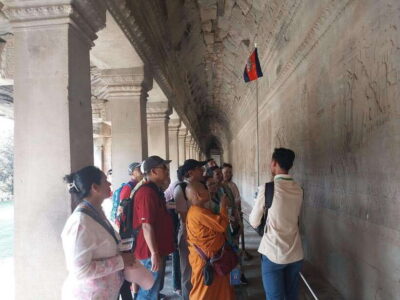
Angkor Wat: Small-Group Sunrise or Sunset Tour
Read our review →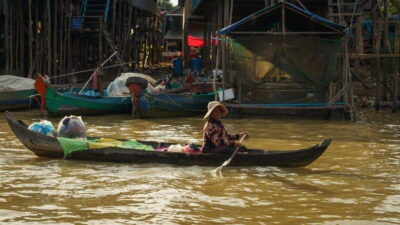
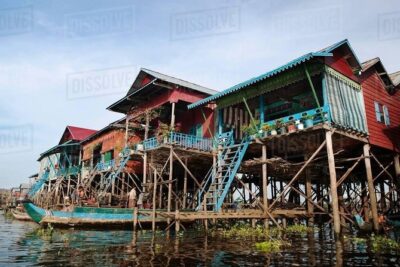
Sunset tour of Kampong Phluk stilts home village on the Tonle Sap
Read our review →
Kampong Phluk Floating Village Tour with Boat
Read our review →
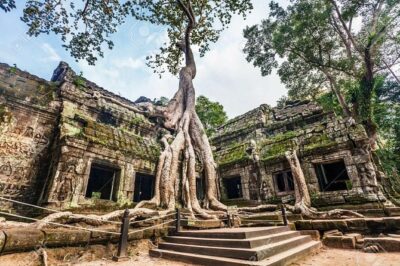
Angkor Wat Sunrise tour with Small – Group and Guide tours
Read our review →
Angkor Wat Highlights and Sunrise Guided Tour from Siem Reap
Read our review →Browse the lists this tour appears in