
Reviewed · SIEM REAP TOURS
Siem Reap: Cambodian Desserts Cooking Lesson with Tastings
The star of this Siem Reap experience is palm sugar, followed closely by three desserts you can realistically make again at home. You learn how sugar moves from the palm tree into Cambodian cooking, then work with coconut milk, ginger, lemongrass, and other prepared ingredients at your own station.
I like the market visit, when included in the day’s arrangement, because it gives the cooking a local setting rather than treating Khmer food as a list of recipes. I also like the generous format: you taste everything in class, receive a recipe booklet or card, and may have enough left to pack for later.
The main consideration is that this is a dessert class, not a broad Cambodian cooking course. If you want to learn amok, lok lak, or spring rolls, this will not fill that gap. But for a relaxed three-hour activity with hotel transport and a clear English-speaking instructor, $32 is a fair price.
Key points to know before booking
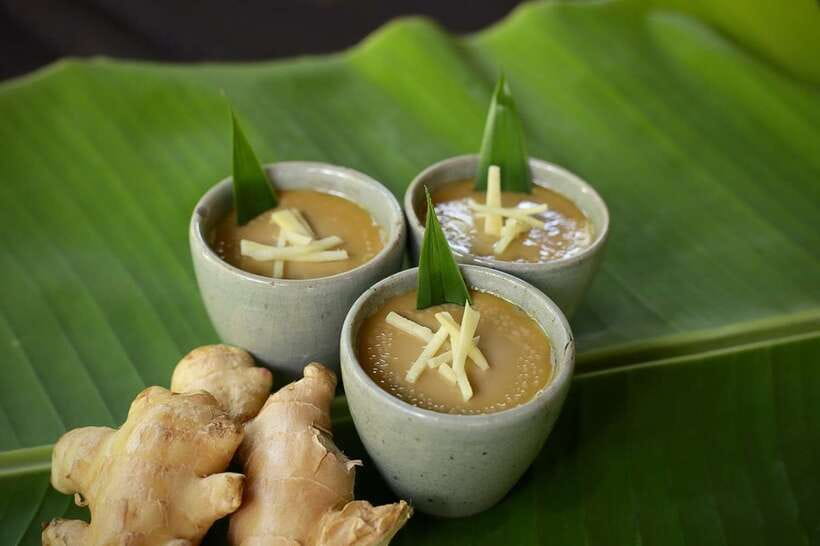
- Three Khmer sweets in one class: Make steamed ginger custard, palm sugar and coconut bananas, and sweet coconut pancakes.
- Palm sugar gets special attention: Learn how it comes from the sugar palm tree and how it shapes Cambodian desserts.
- Your own work station: You cook hands-on with personal equipment rather than watching a chef do all the work.
- Market time may come first: Some schedules include a guided stop for local ingredients, snacks, and food advice.
- Tuk-tuk pickup and return: Transport is included from your Siem Reap accommodation.
- Useful take-home extras: An English recipe card or booklet, plus leftover sweets when the batch is too large to finish.
Three Cambodian desserts, not a token demonstration
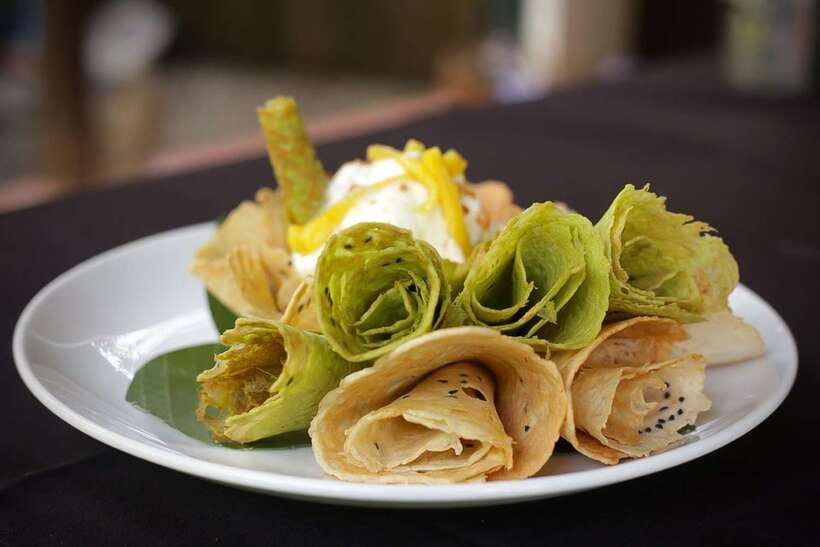
This class gives you a focused introduction to Khmer sweets. In three hours, you prepare steamed ginger custard, palm sugar and coconut bananas, and sweet coconut pancakes.
That selection works well because each dessert shows a different side of Cambodian cooking. The custard brings in fresh ginger and steaming. The bananas show how palm sugar and coconut milk can turn simple fruit into a proper dessert. The pancakes offer a hands-on look at batter, coconut flavor, and pan cooking.
You are not simply watching a chef assemble attractive plates. The setup provides your own cooking station and equipment, so you can follow each stage yourself. That matters if your goal is to repeat the dishes at home. You leave with a better sense of texture, timing, and the order in which ingredients are added.
The recipes are also practical for a home kitchen. You may not find every Cambodian ingredient in a nearby supermarket, but palm sugar, coconut milk, ginger, bananas, and lemongrass are not difficult ingredients to seek out. The recipe card helps turn a pleasant afternoon into something you can share with family later.
More Cooking Classes in Siem Reap
- Khmer Cooking Class at a Local’s Home in Krong Siem Reap
★ 5.0 · 2,731 reviews - Siem Reap: Khmer Cooking Class at a Local’s Home
★ 5.0 · 1,108 reviews - Award-Winning Cooking Class Experience with Professional Teacher
★ 5.0 · 745 reviews
Starting with the market and the first snack
Some versions of the experience begin with a visit to a local market before the cooking starts. Your host may walk with you through the food stalls, explain familiar Cambodian ingredients, and answer questions about what local people buy and eat.
This is a useful opening because it gives names and context to ingredients you will soon handle. Instead of meeting palm sugar or coconut products only after they have been measured into neat bowls, you get a look at food in its everyday setting.
A small snack may also be part of the market stop. One class included a first taste at the market, while another included a walk through a supermarket with advice on purchases. The exact arrangement can vary, so treat the market visit as a likely feature rather than a guaranteed part of every booking.
I like this part for another reason: it helps you get your bearings in Cambodian food culture without taking up a full market tour. If you have already spent plenty of time shopping in Siem Reap, you may find it less essential. For a first visit, it adds useful background before the cooking begins.
A peaceful outdoor kitchen outside the hotel zone
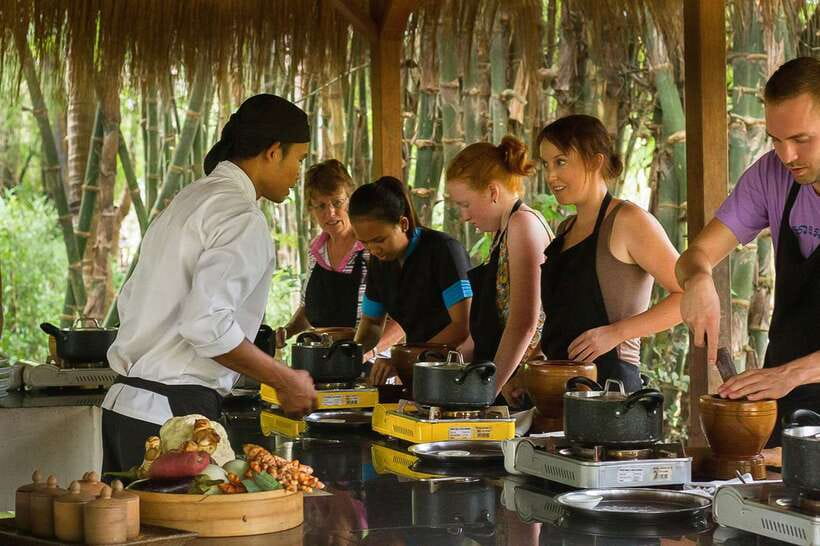
After pickup, you ride by tuk-tuk to the workshop. Hotel pickup and return are included, and you are asked to wait in your hotel lobby 30 minutes before the activity begins.
The tuk-tuk ride is a small but welcome part of the experience. You are not responsible for finding an unfamiliar cooking venue, and the open-sided ride gives the outing a local feel. It also makes the class easier to fit into a short Siem Reap stay, since the transport is handled for you.
The cooking space has been described as a spacious, peaceful outdoor kitchen surrounded by nature. That setting can make the class feel more like a visit to a Cambodian home kitchen than a formal culinary school. You work at an individual station, with ingredients arranged for the recipes and equipment ready to use.
The outdoor setup may not suit everyone. If you prefer air-conditioned rooms or a polished restaurant kitchen, this will feel more informal. For most people, though, the open setting fits the simple, coconut-based desserts better than a stiff classroom would.
Palm sugar is the lesson’s main cultural thread
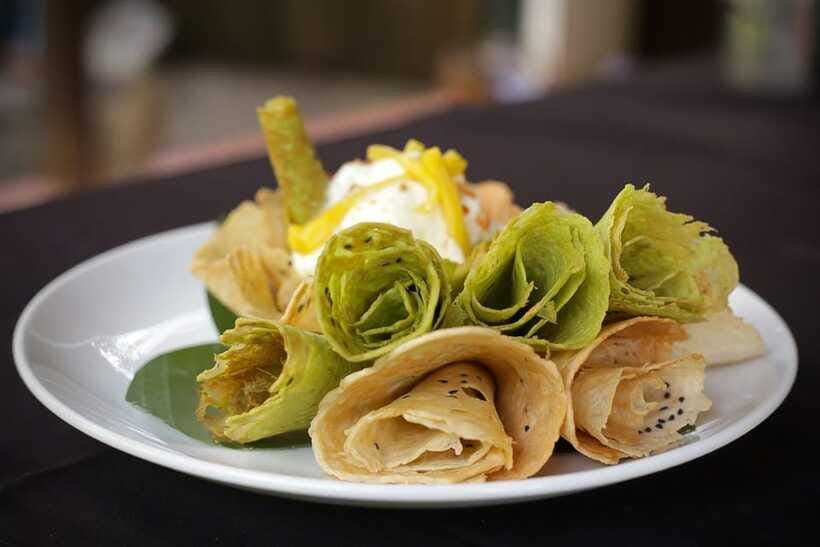
Palm sugar is more than a sweetener in this class. The instructor explains its path from the sugar palm tree to the finished ingredient, then shows how it works with coconut milk and fruit.
That short explanation gives the desserts a sense of place. Palm sugar has a deeper, rounded taste than plain white sugar, and it is closely linked to Cambodian food traditions. You learn why it appears so often in local sweets and how it helps create the flavor you are trying to reproduce.
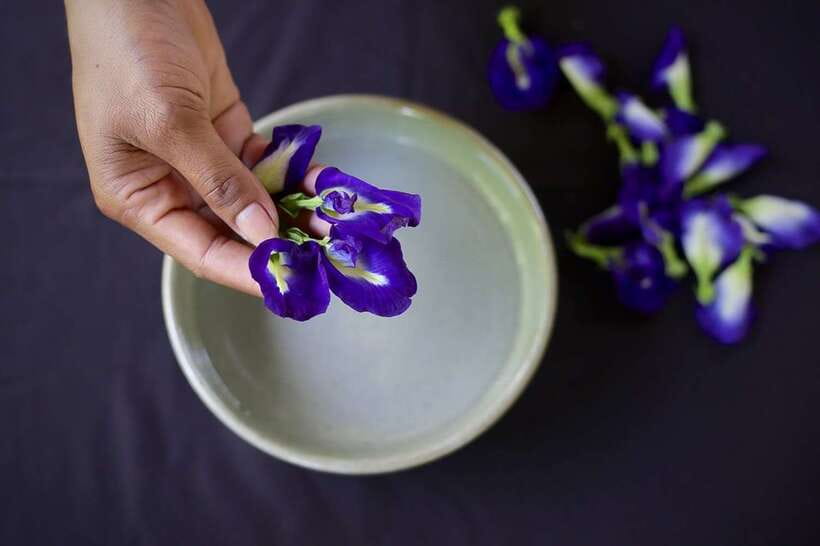
The class also uses fresh ginger, creamy coconut milk, and lemongrass. These are not decorative additions. They help you understand the balance in Khmer desserts: sweetness softened by spice, fragrance, and coconut richness.
The instructor’s job here is important. Past sessions have included chefs named Prey and Bri, with hosts named Sophia or Sofia handling the welcome and market portion. Names and staffing may change, but the format calls for an English-speaking instructor who explains the steps clearly and gives practical tips as you work.
A completely different sort of day from the same base:
- Angkor Wat Sunrise or Sunset Tour with Guide from Siem Reap
★ 5.0 · 12,109 reviews - Siem Reap: Angkor Wat: Small-Group Sunrise or Sunset Tour
★ 5.0 · 9,444 reviews - From Siem Reap: Kampong Phluk Floating Village Tour by Boat
★ 4.9 · 6,979 reviews - Sunset tour of Kampong Phluk stilts home village on the Tonle Sap
★ 5.0 · 4,865 reviews
Steamed ginger custard: the most distinctive recipe
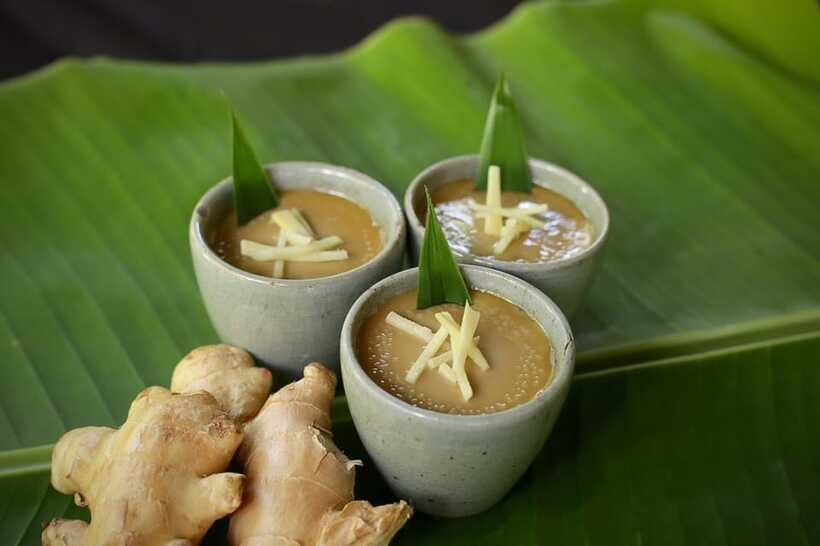
The steamed ginger custard is likely to be the most unusual of the three sweets for many people. It offers a clear Cambodian flavor through ginger while using a soft, steamed texture rather than a baked one.
You learn the preparation step by step, including how to work with the mixture before steaming. The value here is not only the recipe itself. You also gain a feel for how Cambodian cooks use gentle heat and fragrant ingredients to make a dessert that is rich without being heavy.
This is the dish I would pay close attention to during the class. Steaming can be less familiar than baking, and small changes in texture may depend on timing. Since you have your own station, you can watch the process closely instead of standing behind a group.
The custard is also a good test of whether you will use the recipe at home. If you like ginger and coconut flavors, it gives you something more distinctive than a standard pancake or fruit dessert. If you dislike ginger, you may find this one less appealing, although two other sweets remain.
Palm sugar bananas and coconut pancakes
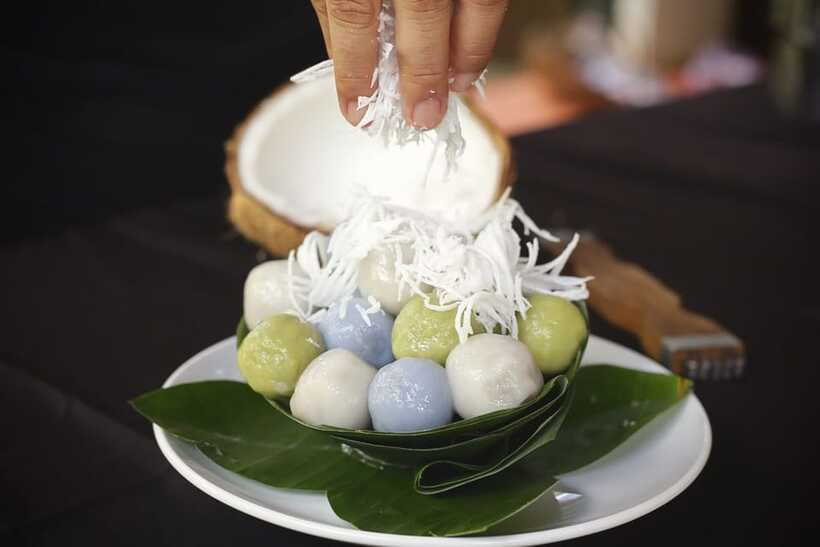
The palm sugar and coconut bananas are the most immediately approachable recipe. Bananas provide a familiar base, while palm sugar and coconut milk give the dish its Cambodian character.
This is the kind of dessert you can reproduce without hunting for specialist equipment. The recipe card should help, but the class also lets you see the consistency and finishing points in person. That hands-on practice is useful because written instructions do not always explain how a mixture should look or feel.
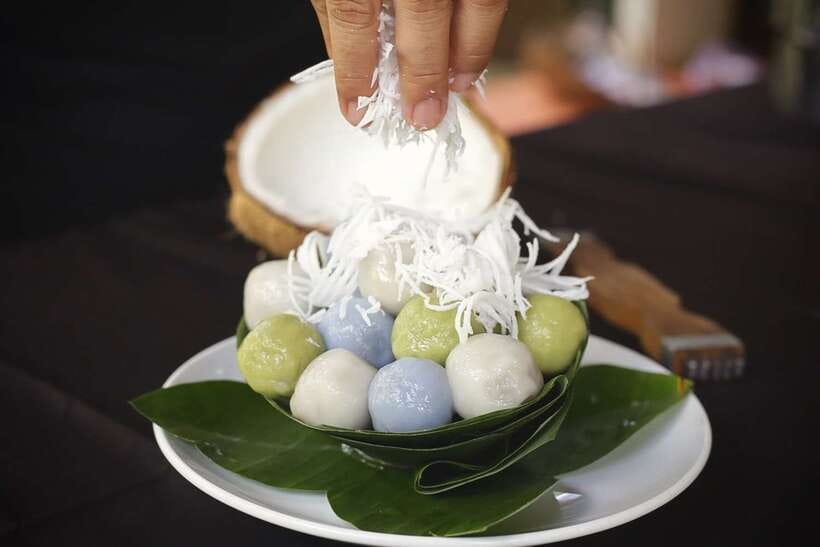
The sweet coconut pancakes bring a different skill. You work with batter and learn how coconut flavors are folded into a simple, shareable dessert. They are likely to appeal to children and adults alike, making this a good class for families or siblings who want to cook together.
Do not expect elaborate pastry work. These are home-style Cambodian sweets built around fresh ingredients and straightforward methods. That is part of the appeal. You are learning food that fits an ordinary kitchen, not techniques that require expensive tools or professional training.
Plenty to taste, with food to take away
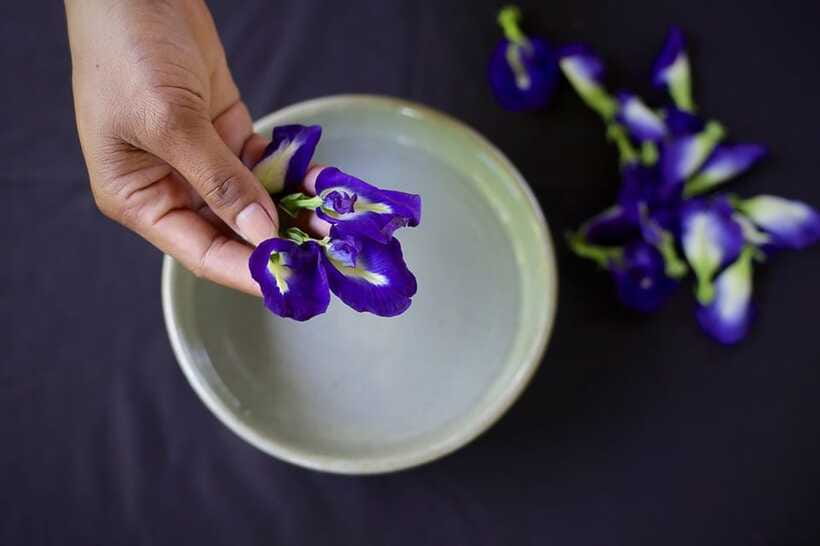
Tastings are included, and the portions can be generous. In at least one session, there was too much to finish during the class, so the host boxed up the remainder for later. Another class included extra sweets to take away, along with fruit and tea when a participant had missed breakfast.
You should not treat those extras as a guaranteed meal or a fixed part of the package. The official inclusion is tastings. Still, the generous portions make the price easier to justify, especially if you are sharing the class with family or a small group.
The food is also part of the learning. You can compare the three desserts while their texture and temperature are fresh. Notice which one you prefer, then use that dish as your first home project after returning from Cambodia.
If you have dietary restrictions, ask before booking or contact the provider in advance. The provided details confirm coconut milk, bananas, ginger, lemongrass, and palm sugar, but they do not set out a full allergen policy or substitution list.
Why the $32 price makes sense
At $32 per person, this is priced as an accessible half-day activity rather than a luxury culinary outing. The fee includes hotel pickup and drop-off, the cooking lesson, and tastings. You also receive a recipe card or small booklet to use after the class.
The transport adds real value. Siem Reap’s cooking venues are not always close to your hotel, and a round-trip tuk-tuk saves you the trouble of arranging separate rides. The class also gives you a structured activity during the hottest part of the day, depending on the start time you choose.
The strongest value comes from the personal work station. A cheaper demonstration may show you the same desserts, but it would not give you the same chance to practice each step. Here, you are paying for ingredients, instruction, equipment, transport, and the ability to take the method home.
The score of 4.8 from nine ratings fits the experience’s strongest points: friendly staff, clear instructions, good organization, a pleasant cooking space, and food that is easy to enjoy. The small number of ratings means I would not treat the score as a scientific measure, but it does support the idea that this is a dependable, well-liked activity.
Who should book this Siem Reap cooking class?
I would recommend it to you if you want a short food activity with a strong local connection but do not want to spend a full day in a kitchen. It suits couples, siblings, families, and solo visitors. One earlier session ran with a single participant, so the class can still work if you are traveling alone.
It is especially useful for visitors who want to bring something home from Cambodia besides photographs. The recipes, cooking practice, and palm sugar lesson give you a skill you can share after the trip.
You may want to skip it if your priority is savory Cambodian food, advanced techniques, or a large market tour. The focus is narrow by design. You get three desserts, not a survey of the country’s full cuisine.
Also allow for a three-hour block plus transport. Pickup details ask you to wait in your hotel lobby 30 minutes before the start time, and starting times depend on availability. Keep your schedule loose enough to enjoy the tuk-tuk ride and market stop without watching the clock.
Should you book it?
Book this class if you like food with a story, prefer hands-on activities, and want recipes that are realistic to repeat at home. The combination of palm sugar, a local market option, an outdoor kitchen, three desserts, and hotel transport gives you a lot for $32.
I would make this a particularly good choice for a first visit to Siem Reap or for a rest day between temple outings. Skip it only if you want savory dishes or a more technical pastry course. For a friendly, practical introduction to Cambodian sweets, it is an easy activity to recommend.
FAQ
How long does the Cambodian dessert cooking class last?
The activity lasts three hours, including the cooking lesson and tastings.
What desserts will I make?
You will learn to make steamed ginger custard, palm sugar and coconut bananas, and sweet coconut pancakes.
Is hotel transportation included?
Yes. Pickup and drop-off at your accommodation in Siem Reap are included.
How early should I wait in the hotel lobby?
You should be waiting in your hotel lobby 30 minutes before the activity start time.
Is the class taught in English?
Yes. The instructor language is English.
Will I have my own cooking station?
Yes. The class provides your own work station and cooking equipment for the hands-on lesson.
Do I receive recipes to take home?
Yes. You receive a recipe card or small recipe booklet so you can make the desserts again.
Can I cancel for a full refund?
Yes. You can cancel up to 24 hours before the activity for a full refund. You can also reserve now and pay later.
More hands-on workshops in Siem Reap
- Siem Reap: Cambodian Pottery Class
★ 4.9 · 339 reviews - Cambodian Village Cooking Class
★ 5.0 · 265 reviews - Cambodian Cooking Class from Siem Reap
★ 4.9 · 190 reviews - Siem Reap Cooking Class
★ 5.0 · 170 reviews
New around Siem Reap
- Kulen Mountain With Ticket included Plus Banteay Srei Temple Tour★ 5.0 · 7 reviews
- 2 Days Angkor temples with Sunrise & Sunset★ 5.0 · 7 reviews
- Private Siem Reap Airport Transfer to hotel in town★ 5.0 · 7 reviews
- 1-Day private Angkor Temple Tour with Sun Rise by Tuk Tuk from Siem Reap★ 4.5 · 7 reviews
- Siem Reap: Morning Cooking Class & Market Tour★ 5.0 · 7 reviews
- Kulen Mountain, Killing Fields and War Museum Tour★ 5.0 · 7 reviews
- War Museum, Killing Field, and APOPO Hero RATs Tour★ 5.0 · 7 reviews
- Half-Day: Silk Farm, Senteur Angkor, and Satcha Workshop★ 4.6 · 7 reviews
Siem Reap Tours, compared.

Angkor Wat Sunrise or Sunset Tour with Guide from Siem Reap
Read our review →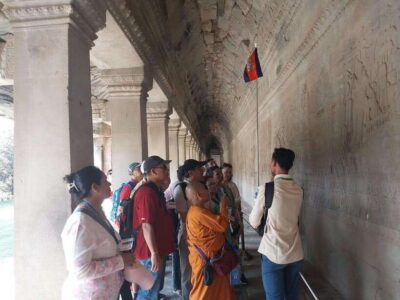
Angkor Wat: Small-Group Sunrise or Sunset Tour
Read our review →
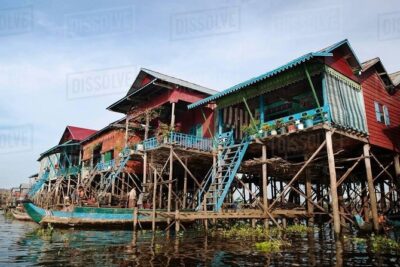
Sunset tour of Kampong Phluk stilts home village on the Tonle Sap
Read our review →
Kampong Phluk Floating Village Tour with Boat
Read our review →

Angkor Wat Sunrise tour with Small – Group and Guide tours
Read our review →
Angkor Wat Highlights and Sunrise Guided Tour from Siem Reap
Read our review →Browse the lists this tour appears in