
Reviewed · ANGKOR WAT TOURS
Siem Reap: Angkor Wat Temples & Phnom Kulen Park 3-Day Tour
Angkor Wat may be the headline, but Banteay Srey’s fine carvings and the mountain sanctuary of Phnom Kulen give this three-day tour a wider view of Cambodia’s past. You also get Ta Prohm, Angkor Thom, a Tonle Sap floating village, and a sunrise start at the great temple itself.
I like the way the schedule saves Angkor Wat’s sunrise for the final morning, after you already have some temple bearings. I also like the private format: your guide can adjust the pace, as guides such as Paul and Samuth have done for families and visitors who wanted more time for photographs. The main drawback is the long, hot days and several early starts, with temple, park, boat, meal, and ticket costs extra.
Key points to know before booking
- Banteay Srey comes early: You leave at about 7:30 AM to reach Angkor’s most intricate temple before the crowds build.
- Phnom Kulen adds ancient context: This mountain is linked with Jayavarman II’s 802 AD royal cult and the beginning of the Angkor era.
- Kampong Phluk changes the rhythm: A floating village on Tonle Sap gives you a look beyond stone temples and royal monuments.
- Day two covers the major classic sights: Angkor Thom, Bayon, Ta Prohm, Banteay Kdei, and a sunset attempt at Phnom Bakheng.
- Day three is for the big finish: Sunrise at Angkor Wat is followed by Pre Rup, Banteay Samre, East Mebon, Ta Som, Neak Pean, and Preah Khan.
- The price is for a private group: At $336 for up to three people, the value improves when two or three people share the car, guide, and driver.
Why three days works well at Angkor
Angkor is not one temple waiting beside a car park. It is a large collection of monuments spread across the Siem Reap area, and trying to see the major sites in one day can turn Cambodia’s great archaeological area into a blur of doorways and carved faces.
This tour gives you three distinct days. The first reaches the outer sites, the second focuses on Angkor Thom and the smaller circuit, and the third returns to Angkor Wat and several quieter monuments. I like that order because you gain some context before facing the most famous temple at sunrise.
You travel in a private group of up to three people, with a licensed English-speaking guide and a driver. Transport is provided in a Mini Lexus RX300 or a Mercedes Istana minivan, with gasoline included. The vehicle matters here. You will spend plenty of time moving between temples, and a private car lets you return to the same vehicle instead of sorting out transport at every stop.
The tour also includes mineral water, cold handkerchiefs, and umbrellas during the rainy season. Those sound like small extras until you are walking across exposed temple grounds in hot weather. One driver named Sol was especially noted for keeping chilled water and lemon-scented cold cloths ready. That is exactly the sort of practical care that makes a full temple day easier.
More Angkor Wat Tours in Siem Reap:
- Angkor Wat Sunrise or Sunset Tour with Guide from Siem Reap
★ 5.0 · 12,109 reviews - Siem Reap: Angkor Wat: Small-Group Sunrise or Sunset Tour
★ 5.0 · 9,444 reviews - Siem Reap: Angkor Wat 2-Day Tour with Sunrise and Sunset
★ 4.9 · 4,429 reviews
Day one: Banteay Srey and the beginning of Angkor
The first pickup is suggested for 7:30 AM. Before heading out, you stop to buy the three-day temple pass. This is an important part of the morning, since the temple pass is not included in the $336 price.
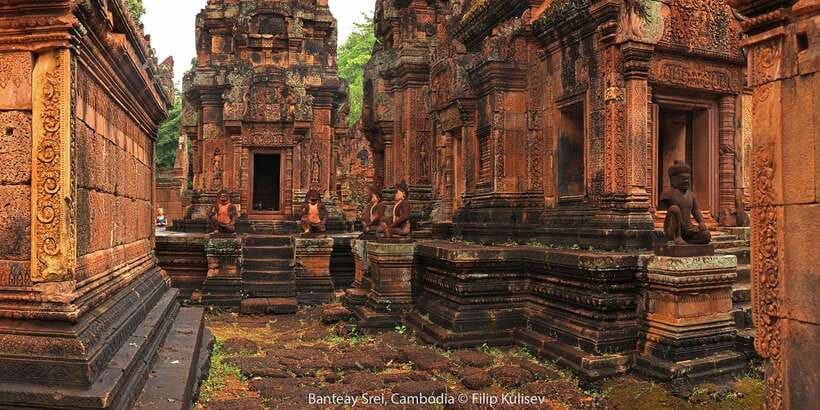
Banteay Srey is the first major stop, and it earns its place. The temple is famous for its very detailed carvings, made at a smaller scale than the huge monuments closer to Siem Reap. Fine figures and decorative stonework reward a slower look, so do not rush through simply because the complex is smaller.
The early departure is useful. Banteay Srey is one of the most popular outer temples, and arriving early gives you a better chance to examine the carvings before the site becomes crowded. You also see Khmer villages and palm sugar plantations along the way, which adds some everyday countryside to a day otherwise dominated by ancient stone.
The route offers a choice after Banteay Srey. You can visit the Landmine Museum, where admission costs $5, or continue to Phnom Kulen National Park. Since the two options appeal to different interests, ask your guide how much time is available and choose the one that fits your priorities. The museum adds modern Cambodian history, while Phnom Kulen gives you a major setting from the earliest Angkor period.
Phnom Kulen and the start of the Angkor age
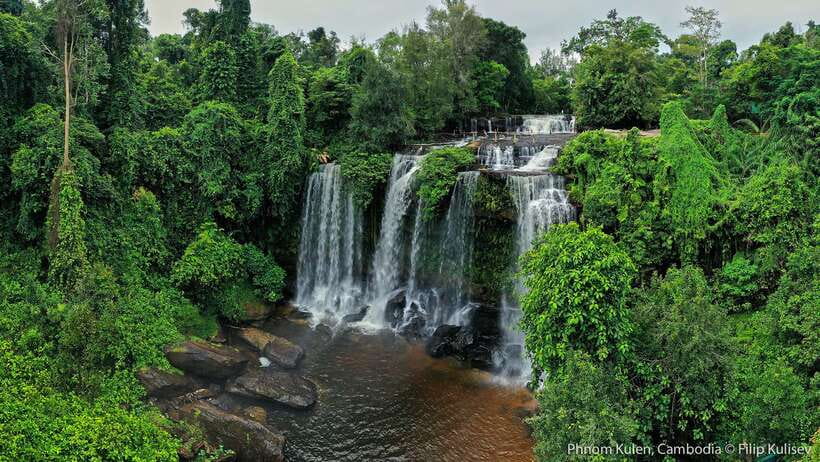
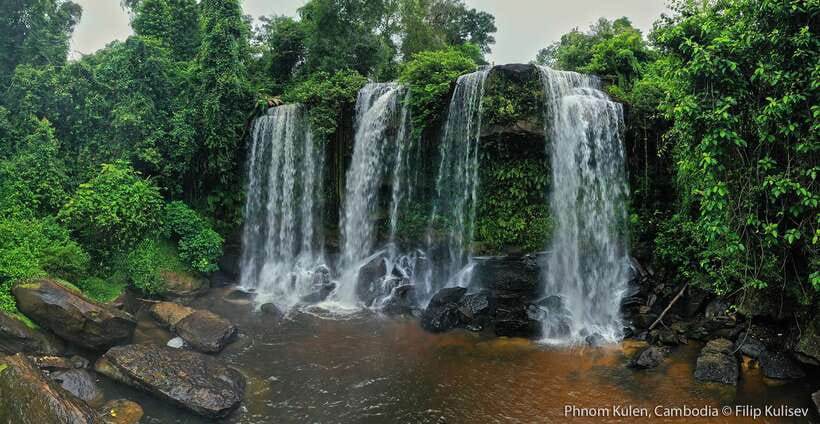
Phnom Kulen is more than a scenic stop. It is the mountain where King Jayavarman II began the royal God of the King Linga cult in 802 AD. That date is treated as the start of the long Angkor period, so this visit helps connect the later temples with the political and religious changes that came first.
The park also changes the feel of the itinerary. After carved temples and village roads, you are spending time in a national park setting. The admission ticket is not included, so budget for it separately. Exact details about time at the park are not specified, and the day already covers several major stops, so you should expect a full schedule rather than an unhurried mountain outing.
This is one reason the tour suits someone who wants a broad introduction to the Siem Reap area. You are not seeing only the most photographed temples. You are also visiting a place tied to the formation of Angkor and then heading to Tonle Sap, Cambodia’s great lake.
Kampong Phluk on Tonle Sap
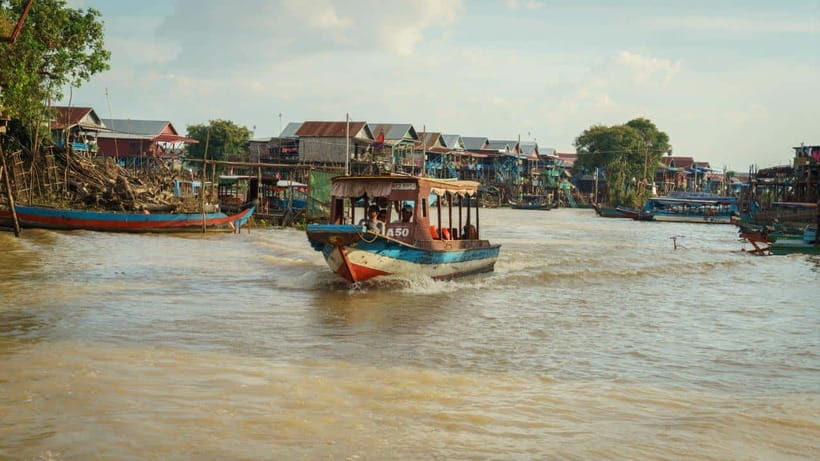
The final stop on day one is Kampong Phluk, a floating village on Tonle Sap Lake. It gives you a break from temple architecture and lets you see a community shaped by the lake. The village is included in the route, though meals and personal expenses are not, and any separate admission costs should be confirmed when booking.
One useful point is that the floating village initially seemed less appealing to one family on the tour, but the visit changed their view once they saw it. That fits my own advice about this stop: do not treat it as a filler between temples. It offers a different picture of local life and makes day one feel less repetitive.
Still, day one is long. Banteay Srey, a possible museum or Phnom Kulen visit, and Kampong Phluk add up. Wear comfortable shoes, carry sunscreen and insect repellent, and use the supplied water rather than waiting until you feel thirsty.
More Kulen Mountain Tours in Siem Reap:
- Kulen Waterfall Join-in Tour (local Picnic lunch)
★ 5.0 · 2,434 reviews - Kulen Mountain: Small-Group Tour and Picnic lunch
★ 4.9 · 1,802 reviews - Siem Reap: Kulen Mountain, Beng Mealea and Tonle Sap Tour
★ 5.0 · 1,483 reviews - Phnom Kulen Waterfall & the Sacred 1000 Lingas (with Lunch)
★ 4.8 · 974 reviews
Day two: Angkor Thom’s royal center
Day two begins later, at about 8:00 AM. That extra hour helps after the first day, though you still have a substantial walking schedule ahead.
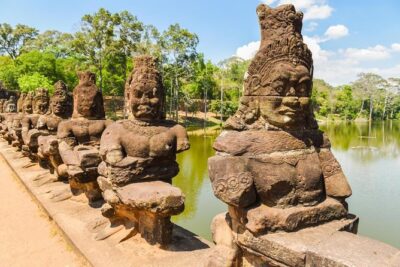
You start at Angkor Thom, the ancient city that contains several important monuments. The South Gate provides the formal entrance, followed by Bayon, Baphuon, Phimeanakas, the Terrace of the Elephants, the Terrace of the Leper King, North Khleang, and South Khleang.
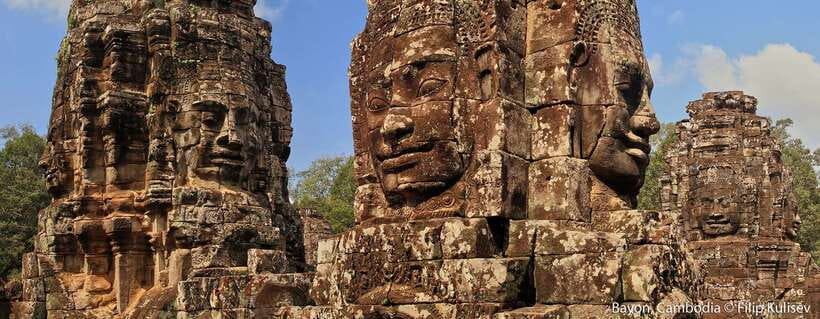
Bayon is usually the visual star here, with its large carved faces looking out from the towers. Your guide can help you notice details that are easy to miss when you are focused only on taking photographs. Guides have included Paul, Praim, Noy, Sa, and Samuth, and the strongest praise has gone to their site explanations, flexibility, and help with photographs.
Angkor Thom is not a quick photo stop. The monuments are spread across a large area, and the names can begin to run together. A private guide is useful because you can ask for a little more time at Bayon or move on when the information has begun to blur. One family traveling with a small child found the driver’s smooth driving and willingness to help especially useful, which points to an advantage of the private setup.
Chau Say Tevoda, Thommanon, and Ta Keo
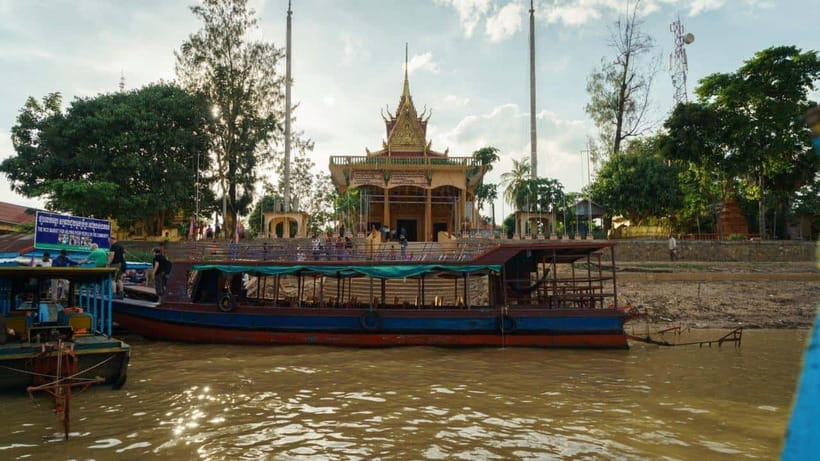
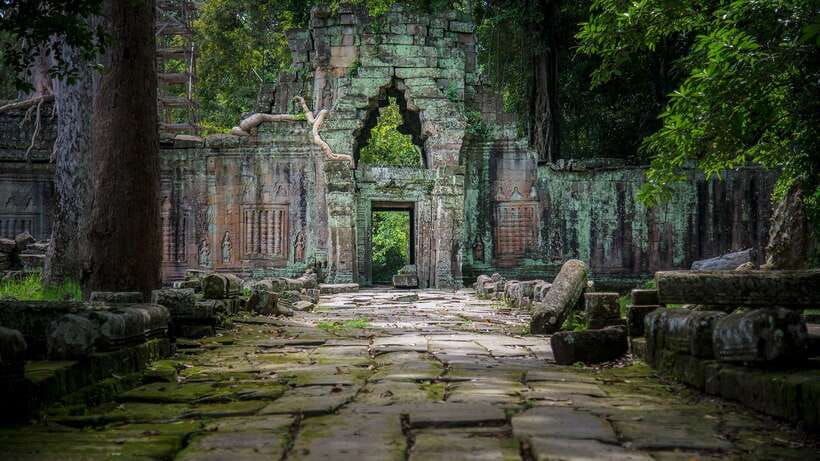
The itinerary then moves to several smaller temples on the small circuit: Chau Say Tevoda, Thommanon, and Ta Keo. These sites are less famous than Angkor Wat and Ta Prohm, but they help you understand the range of Angkor’s architecture.
The benefit of including smaller temples is variety. You can compare different layouts, towers, carvings, and degrees of restoration without every stop carrying the same heavy crowd pressure. The tradeoff is that the morning can feel packed, especially if you want detailed explanations at every monument.
Ta Keo has a more massive, upward-looking form, while Chau Say Tevoda and Thommanon offer smaller-scale temple settings. Let your guide know if you prefer a quick orientation followed by independent exploration. This route works best when you do not try to memorize every date and name.
Ta Prohm and Banteay Kdei
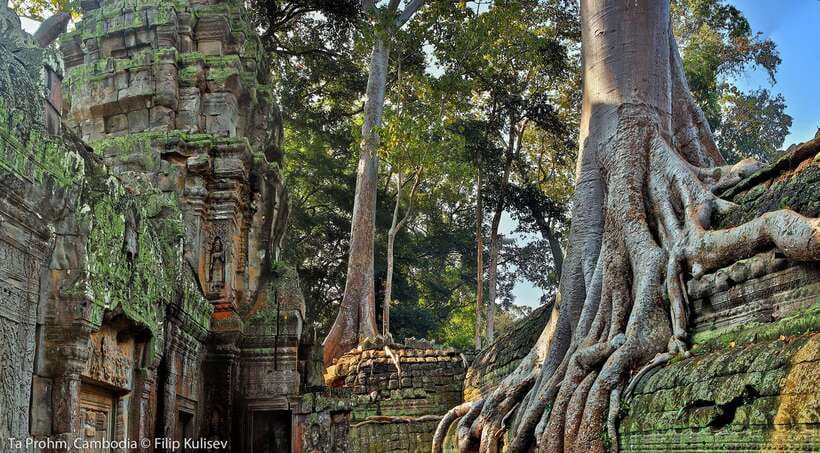
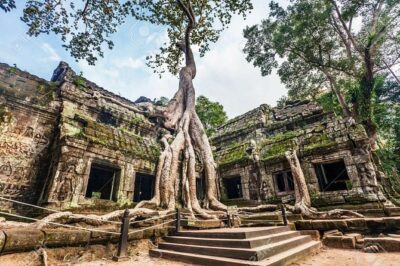
Ta Prohm is the temple linked with scenes from Tomb Raider, and it is easy to see why it photographs so well. Trees and stone appear together in a way that feels theatrical, though the fame also makes it one of the busier stops.
The movie connection is fun, but it should not be the only reason you visit. Ta Prohm shows the effect of time and vegetation on a major monument, and its galleries and courtyards reward patience. Your guide can point out carved details that may be hidden behind the larger visual drama.
After a lunch break, you visit Banteay Kdei. Here you can explore at your own leisure, which provides a welcome change from a guide-led sequence of stops. Meals are not included, so you should plan to pay for lunch yourself. The schedule does not name a particular restaurant, so keep the midday break practical rather than expecting a formal dining experience.
The day ends at Phnom Bakheng for sunset. This is a beautiful idea, but it is also the most time-sensitive part of the day. Sunset access and crowd conditions can affect how much time you get there. You should treat it as an opportunity, not a guarantee of a quiet viewpoint.
Day three: Angkor Wat at sunrise
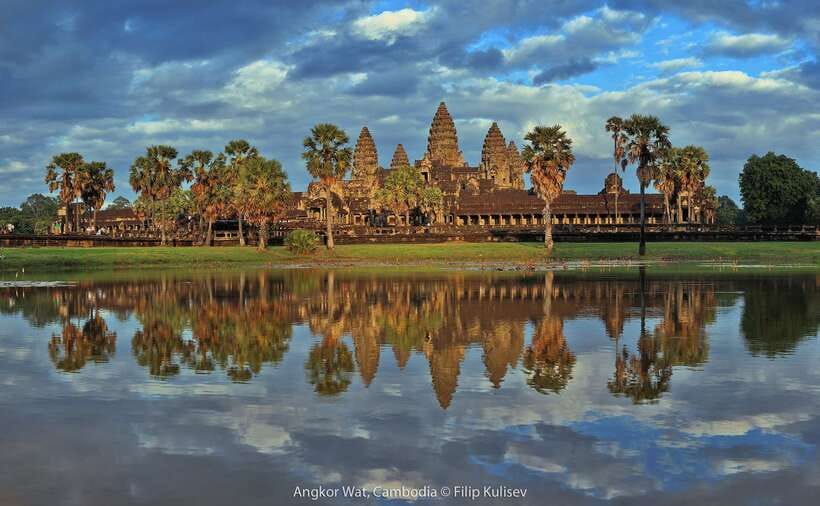
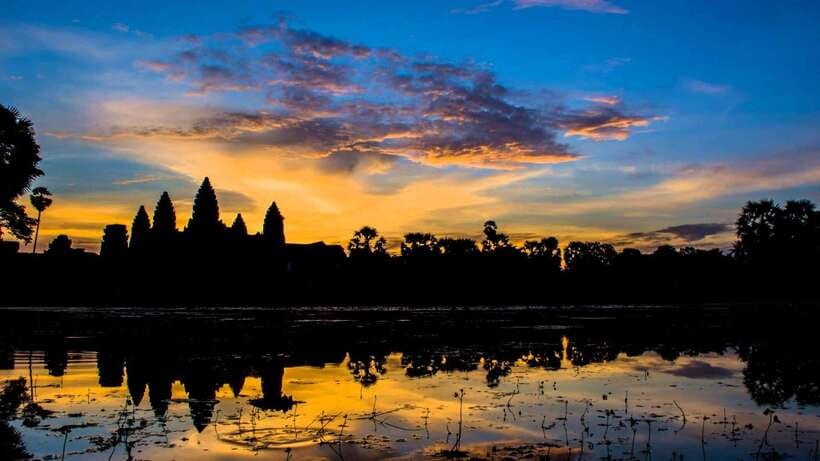
The final day begins around 5:00 AM. That is an early start, but sunrise at Angkor Wat is the emotional high point for many people, and the schedule gives it the best possible place: the beginning of the last day.
Bring something warm if you are sensitive to early-morning temperatures, but also prepare for the heat that follows. After sunrise, you get time to explore Angkor Wat at your own pace once the Chinese crowd leaves. This matters because the temple deserves more than a quick look at its reflecting pools and central towers.
Your guide adds value here by explaining the temple’s carvings, layout, and details. The best approach is to combine guided orientation with free time. One guide, Paul, was praised for adapting the program to individual abilities while still ensuring that major sights were not missed. That is the ideal arrangement at Angkor Wat, where you need both context and quiet time to look.
The temple pass is separate from the tour price. Make sure you have arranged the three-day pass before the main temple visits begin, rather than treating the ticket as an incidental expense.
Pre Rup, Banteay Samre, and the eastern temples
After Angkor Wat, the route continues to Pre Rup and Banteay Samre. These stops keep day three from ending after the sunrise temple and let you see more of the Angkor area before lunch.
Pre Rup gives you another chance to look at a temple structure from a different angle, while Banteay Samre adds a less central monument to the day. The appeal of this section is breadth. You are building a fuller picture of Angkor rather than spending all three days around only the best-known sites.
After lunch, the itinerary continues with East Mebon, Ta Som, Neak Pean, and Preah Khan. That is a lot of ground, so pace yourself. You do not need to climb or inspect every corner at every stop. Choose a few places for a closer look and use the others to appreciate how varied the temple complex can be.
Ta Som and Preah Khan are particularly useful for visitors who want a sense of movement through different temple spaces, while Neak Pean provides a change from the standard enclosure-and-tower arrangement. Your guide can explain what you are seeing, but you should also allow yourself a few quiet minutes at each site without constant commentary.
On the return to Siem Reap, you pass local villages and can stop for photographs. It is a gentle way to finish a demanding three days, with ordinary life replacing monumental stone.
What the $336 price really covers
The price is $336 per private group of up to three people. It includes the car or minivan, gasoline, driver, licensed English-speaking guide, bottled mineral water, cold handkerchiefs, and rainy-season umbrellas.
For one person, that is a fairly significant cost. For two or three people sharing the booking, the value is much better because you are paying for a private vehicle and guide rather than a seat on shared transport. The private format also has practical value: you can ask for photo stops, adjust the pace, and avoid waiting for a large group.
You still need to pay for the three-day temple ticket, Phnom Kulen admission, the $5 Landmine Museum admission if you choose it, meals, accommodation, and personal expenses. These extras can materially change your final budget, so include them before comparing this tour with a cheaper transport-only option.
The tour is not the cheapest way to see Angkor. Its value comes from the structure, the guide, and the range of places covered. If you enjoy arranging every stop yourself and want maximum freedom, local transport may cost less. If you want the route organized and the historical sites explained without having to plan each transfer, the private package is easier.
Heat, clothing, and the real pace
You should dress for temple rules and the weather. Shoulders, knees, and chest must be covered for everyone, and comfortable shoes are essential. Sunscreen, a hat, and insect repellent belong in your day bag.
Expect hot conditions for much of the year. The cold cloths and water help, but they do not remove the need to pace yourself. The itinerary is suitable for all ages, yet that does not mean every day will feel easy. Families can benefit from a private driver and flexible guide, while older visitors should discuss walking preferences at the start of each morning.
The schedule is especially demanding because day three begins at 5:00 AM and day one may include both Phnom Kulen and Kampong Phluk. I would avoid adding extra activities at night. A good sleep matters more than squeezing in another dinner plan.
Guide quality and the private format
The strongest part of this experience is the human service. Paul was praised for careful attention and for adjusting the route to the group’s abilities. Praim was singled out for doing a great job and for taking photographs. Noy was described as helpful, Sa for strong English and site knowledge, and Samuth for pointing out details and sharing stories even when he kept the commentary fairly light.
That last point is worth noting. If you want a nonstop lecture about Cambodian history, tell your guide clearly. One person found the explanations less extensive than what they had learned from online videos, but still valued the details that are easy to miss alone, along with good photo stops. In practice, guides differ in style, and you will get more from the experience if you say what you want: dates and dynasties, architecture, religious symbolism, photography, or a relaxed family pace.
The tour’s overall rating is 4.8 from nine ratings, with praise centered on the guides, drivers, organization, flexibility, and the sunrise at Angkor Wat. That pattern gives you a useful expectation: the service is likely to be more important to your enjoyment than luxury transport.
Should you book this three-day tour?
Book it if you want a broad, organized introduction to Siem Reap with a private guide, a driver, outer temples, Phnom Kulen, Tonle Sap, and the main Angkor circuit. It is particularly suitable for couples, small families, and first-time visitors who do not want to spend their holiday arranging transport between widely scattered sites.
Think twice if you prefer spontaneous days, dislike early mornings, or want to set your own pace at every temple. The schedule is full, the temple pass and other admissions are extra, and the heat can make the final afternoon tiring.
For three people, $336 is a sensible price for the private service and long route. I would choose this tour for its mix of major monuments and less obvious stops, then confirm the Phnom Kulen admission, temple pass arrangements, meal expectations, and the likely guide before paying. If you want Angkor Wat with useful context rather than a quick series of photographs, this is a strong three-day plan.
FAQ
How long is the tour?
The experience lasts three days, with suggested pickup times of 7:30 AM on day one, 8:00 AM on day two, and 5:00 AM on day three.
Is hotel pickup included?
Yes. Pickup is included from hotels in Krong Siem Reap.
Is this a private tour?
Yes. It is operated as a private group for up to three people.
Is an English-speaking guide included?
Yes. The tour includes a fully licensed, live English-speaking guide.
Are the temple tickets included?
No. The three-day temple ticket is not included in the tour price.
Is the Phnom Kulen admission included?
No. The Phnom Kulen ticket is listed as an additional cost.
What should I wear to the temples?
You should cover your shoulders, knees, and chest. Comfortable shoes are also recommended, along with sunscreen and insect repellent.
More 3-Day Experiences in Siem Reap
- From Siem Reap: Angkor Wat and Floating Village 3-Day Trip
★ 5.0 · 100 reviews - 3-Day Angkor Wat with All Interesting Major Temples, Banteay Srei & Beng Mealea
★ 5.0 · 70 reviews - 3-Day Angkor Wat & All Interesting Major Temples & Kulen Mount Waterfall
★ 5.0 · 63 reviews - 3 Days Siem Reap Explorer – Small Group
★ 5.0 · 50 reviews
New around Siem Reap
- Kulen Mountain With Ticket included Plus Banteay Srei Temple Tour★ 5.0 · 7 reviews
- 2 Days Angkor temples with Sunrise & Sunset★ 5.0 · 7 reviews
- Private Siem Reap Airport Transfer to hotel in town★ 5.0 · 7 reviews
- 1-Day private Angkor Temple Tour with Sun Rise by Tuk Tuk from Siem Reap★ 4.5 · 7 reviews
- Siem Reap: Morning Cooking Class & Market Tour★ 5.0 · 7 reviews
- Kulen Mountain, Killing Fields and War Museum Tour★ 5.0 · 7 reviews
- War Museum, Killing Field, and APOPO Hero RATs Tour★ 5.0 · 7 reviews
- Half-Day: Silk Farm, Senteur Angkor, and Satcha Workshop★ 4.6 · 7 reviews
Angkor Wat Tours, compared.
Angkor Wat Sunrise or Sunset Tour with Guide from Siem Reap
Read our review →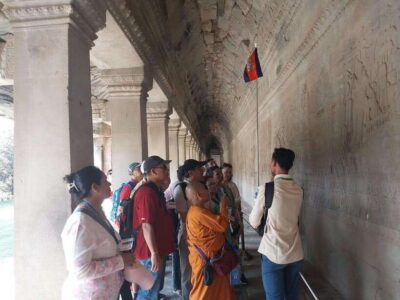
Angkor Wat: Small-Group Sunrise or Sunset Tour
Read our review →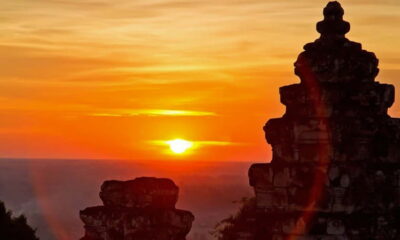
Angkor Wat Sunrise tour with Small – Group and Guide tours
Read our review →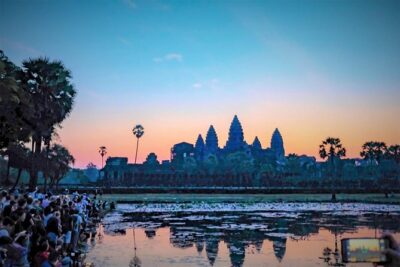
Angkor Wat Highlights and Sunrise Guided Tour from Siem Reap
Read our review →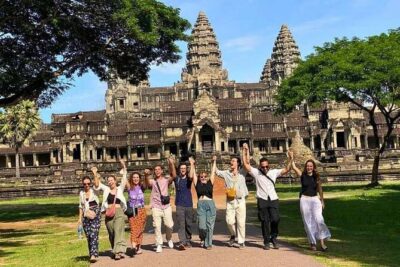
Angkor Wat Sunset Small Group Tour with Lunch Included
Read our review →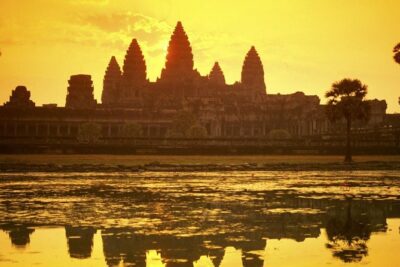
Full-Day Angkor Wat Sunrise Private Tour with Guide from Siem Reap
Read our review →
Angkor Wat Sunrise & 3 Main Temples with Breakfast – Small Group
Read our review →Browse the lists this tour appears in