
Reviewed · ANGKOR WAT TOURS
Siem Reap: 2-Days Angkor Wat with Sunrise Small-Group Tour
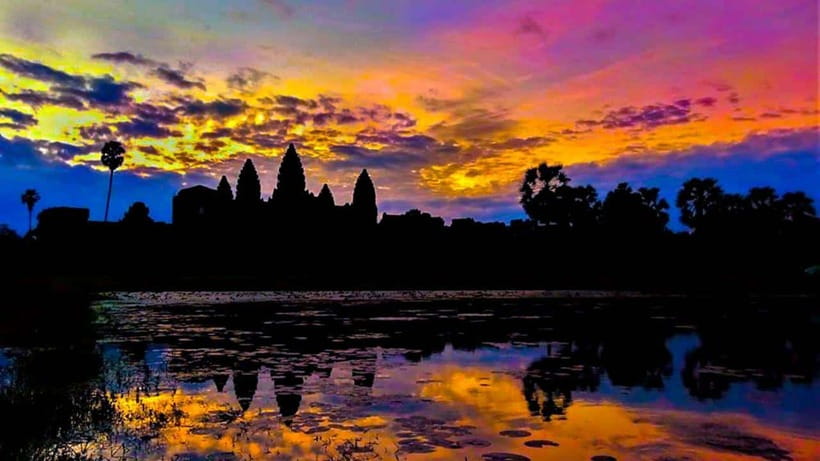
Angkor Wat at sunrise is the headline, but the smart part of this tour is the range. In two days, you see the great sandstone temples, a pyramid-shaped Hindu shrine, a small carved temple outside the main city, and jungle-wrapped Ta Prohm. Banteay Srei and Neak Pean keep the experience from becoming one long parade of giant monuments.
I especially like the air-conditioned vehicle and the simple but valuable routine of cold bottled water and cool towels after temple walks. I also like that guides such as Sak, Bun, Pal, and Chhay give you time to take your own photos instead of talking nonstop. The trade-off is an early 4:20 to 4:35 a.m. pickup on sunrise day, plus plenty of walking and stairs in hot weather.
Key points to know before you book
- Sunrise begins before dawn: Pickup is usually between 4:20 and 4:35 a.m. on day two, with drop-off around 12:30 to 1:30 p.m.
- The temple mix is unusually broad: You visit Angkor Wat, Ta Prohm, Bayon, Banteay Srei, Pre Rup, Neak Pean, and Preah Khan.
- Cooling breaks matter: The air-conditioned vehicle, chilled water, and cool towels make a real difference between sites.
- The guide adds the context: English-speaking guides explain Khmer temples, Buddhism, Hindu imagery, inscriptions, and aspects of modern Cambodian life.
- The $16 price needs one important addition: Your Angkor temple pass is extra. The supplied price for a two or three-day pass is $62 per person.
- You can switch the order: Ask to do the sunrise day first if that fits your schedule better.
Why this two-day Angkor plan works
The Angkor complex is too large and too varied for a quick stop at Angkor Wat alone. This schedule gives you a full day on the Grand Circuit, then reserves the second morning for the most famous sights around Angkor Thom.
That order has a useful rhythm. Day one starts at a reasonable hour and finishes between 4 and 5 p.m. Day two is brutally early but ends around lunchtime, leaving you time to rest in Siem Reap. You can also request the days in reverse order, which is useful if you want the sunrise experience on your first morning.
The tour is described as small-group, though the exact group size is not fixed. Recent departures have included groups of five and groups of about eleven. That is small enough for a guide to help with photos and questions, but you should not expect a private car unless your booking specifically says so.
At $16 per person, the value is strong even before you count the guide. Transport between far-flung temples, hotel pickup and return, and two long days of planning would be awkward to arrange alone. The catch is the temple pass. Add the $62 two or three-day pass, along with meals and drinks, when you work out the real cost.
More Angkor Wat Tours in Siem Reap:
- Angkor Wat Sunrise or Sunset Tour with Guide from Siem Reap
★ 5.0 · 12,109 reviews - Siem Reap: Angkor Wat: Small-Group Sunrise or Sunset Tour
★ 5.0 · 9,444 reviews - Siem Reap: Angkor Wat 2-Day Tour with Sunrise and Sunset
★ 4.9 · 4,429 reviews
Day one: Pre Rup and the precise carvings of Banteay Srei
Pickup on day one is scheduled for about 7:45 to 8 a.m. You travel first to Pre Rup, a late 10th-century Hindu temple built in a stepped pyramid form.
Pre Rup is a good opening stop because it gives you a quick sense of how Angkor builders used height, terraces, towers, and narrow stairways to create sacred space. It is not as intact or visually famous as Angkor Wat, but its shape is easy to read. You will climb and walk on uneven stone, so shoes with a firm sole are far better than loose sandals.
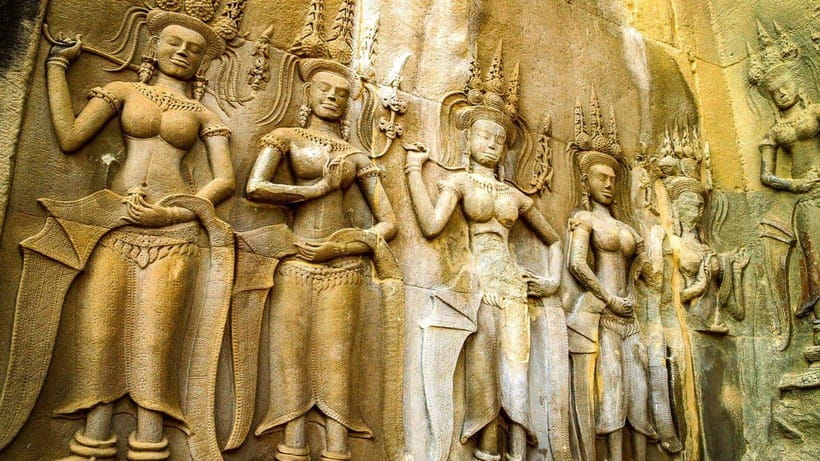
The next stop, Banteay Srei, is one of the strongest parts of the day. It is smaller than the main Angkor temples, yet its pinkish sandstone carries remarkably fine carvings. Look for careful relief work around doorways and walls rather than expecting a vast complex.
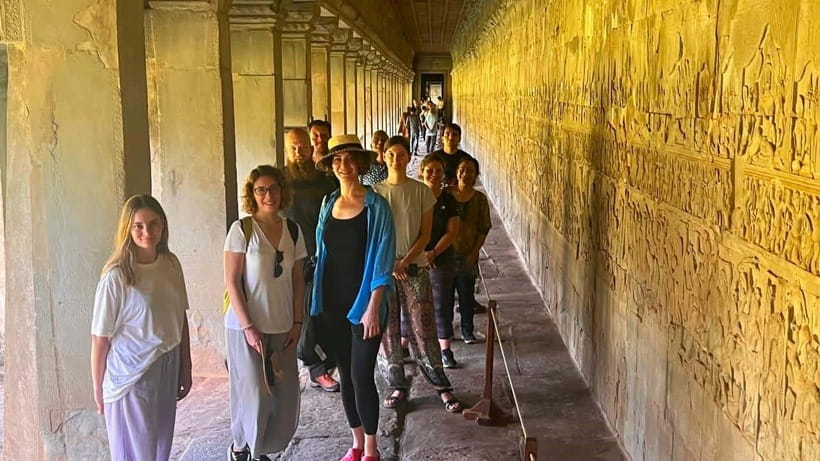
The name is often translated as Citadel of Women, and the temple is admired for its delicate decoration. Your guide can help you notice details that are easy to miss when you are simply moving from tower to tower. Sak, Bun, Pal, and other guides are frequently praised for explaining the carvings and pointing out photo angles.
Banteay Srei lies outside Angkor Thom, so this stop also gives you a break from the densest temple traffic. The drive adds time to the day, but it earns its place. If you have only seen the massive central temples, Banteay Srei shows a smaller and more finely worked side of Khmer design.
Lunch is not included. You should plan to buy food during the break, and additional drinks are also your responsibility. Keep the meal reasonably light, since the afternoon includes more walking and uneven ground.
Afternoon: Neak Pean and atmospheric Preah Khan
After lunch, the route continues to Neak Pean, a Buddhist temple built on a man-made island. Reaching it involves a walk toward the water, making it feel different from the pyramid temples and enclosed galleries earlier in the day.
Neak Pean is compact, and the setting does much of the work. Water, the island plan, and the approach create a calmer scene than the broad courtyards at Angkor Wat. It is a good place to listen to your guide for a short explanation, then look around at your own pace.
The final major stop is Preah Khan, a large temple complex with long passages, courtyards, carved stone, and a more open, weathered feel. It is atmospheric without relying on tree roots in the same way as Ta Prohm. You can get a better sense of how large temple compounds worked here, with one space leading into another and details appearing gradually.
Day one is long, roughly 8 a.m. to 4 or 5 p.m. It is also the day most likely to feel tiring because it combines several sites with the drive to Banteay Srei. The air-conditioned vehicle helps, and drivers are regularly described as waiting with cold water and damp towels after walks. Still, build in a quiet evening afterward rather than scheduling another demanding activity.
Day two: Finding a sunrise position at Angkor Wat
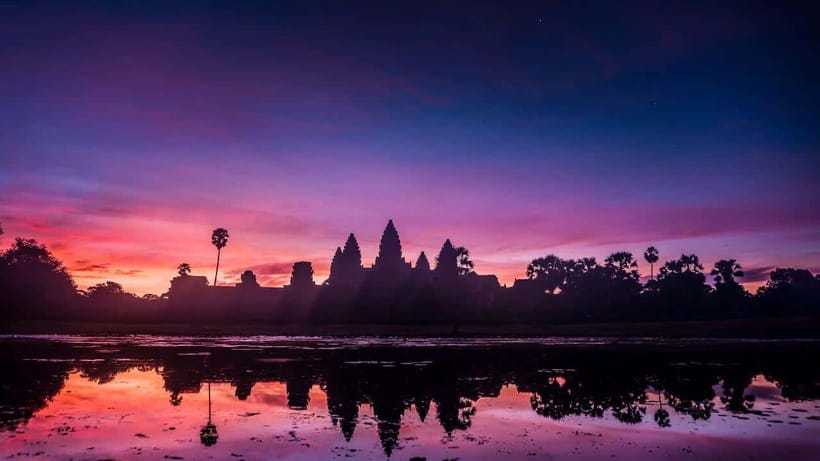
The alarm comes early. Pickup is set for roughly 4:20 to 4:35 a.m., depending on your hotel and the final instructions sent before the tour.
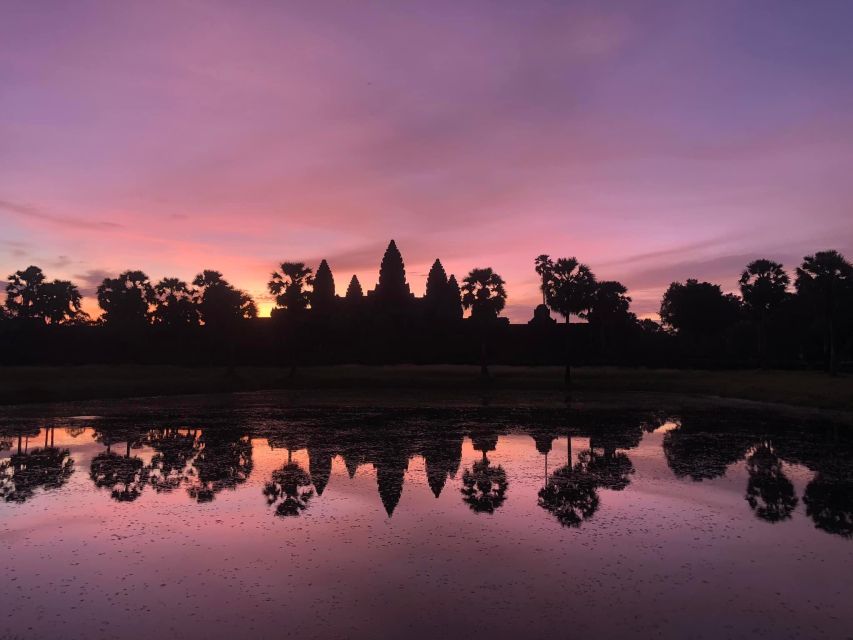
You head to Angkor Wat while it is still dark. Sunrise is weather-dependent, so no guide can promise dramatic color. What the guide can do is get the group into the temple area on time and help you find a sensible viewing position.
Guides such as Sak have been praised for knowing where to stand and when to arrive. That matters because the sunrise gathering can become crowded, and a few extra minutes can affect your view. Bring your phone or camera fully charged, but keep your expectations flexible. Clouds can turn the famous reflection into a muted morning, while a clear sky may produce the scene you hoped for.
Angkor Wat is the world’s largest religious monument, and sunrise is only the opening act. After the light improves, you explore the interior: corridors, central chambers, carved walls, and the upper terraces. The temple is not a single viewpoint. It is a sequence of thresholds, galleries, courtyards, and steep stairways.
Wear clothing that covers the shoulders and knees, and use sunscreen even if the morning begins cool. You will be walking over stone for a long time, and the upper levels require care. Comfortable shoes are not a minor suggestion here.
Breakfast is taken just outside Angkor Wat and is not included. This is a useful pause after the pre-dawn start. You can eat, drink, and rest in the vehicle before the next set of temples rather than trying to push straight through.
More Small Group Tours in Siem Reap:
- Angkor Wat Sunset Small Group Tour with Lunch Included
★ 5.0 · 3,059 reviews - Angkor Wat Sunrise & 3 Main Temples with Breakfast – Small Group
★ 5.0 · 2,857 reviews - Angkor 2-Day Sunset & Sunrise Small-Group Tour
★ 5.0 · 2,567 reviews - Kulen Mountain: Small-Group Tour and Picnic lunch
★ 4.9 · 1,802 reviews
Ta Prohm: trees, ruins, and the most photogenic stop
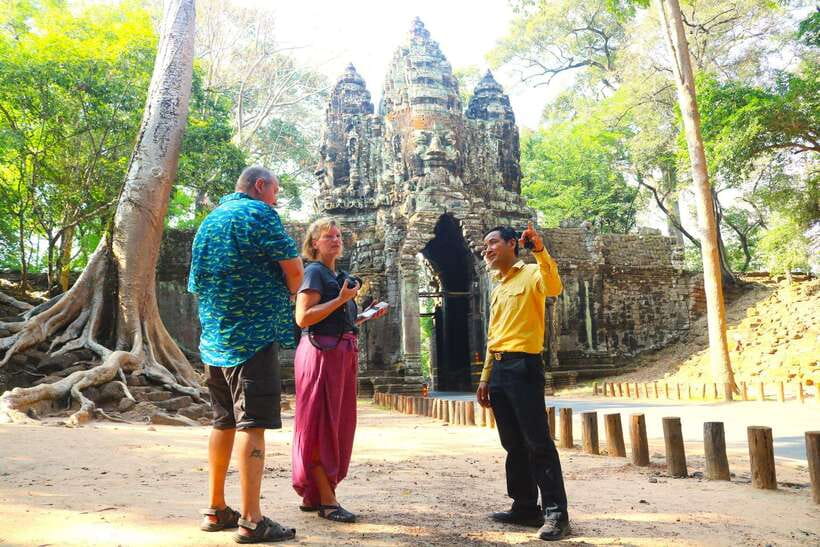
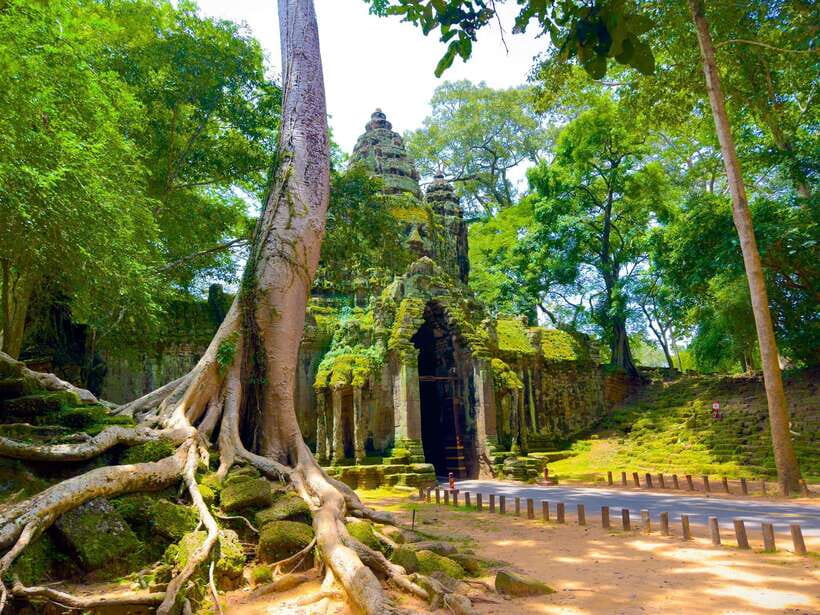
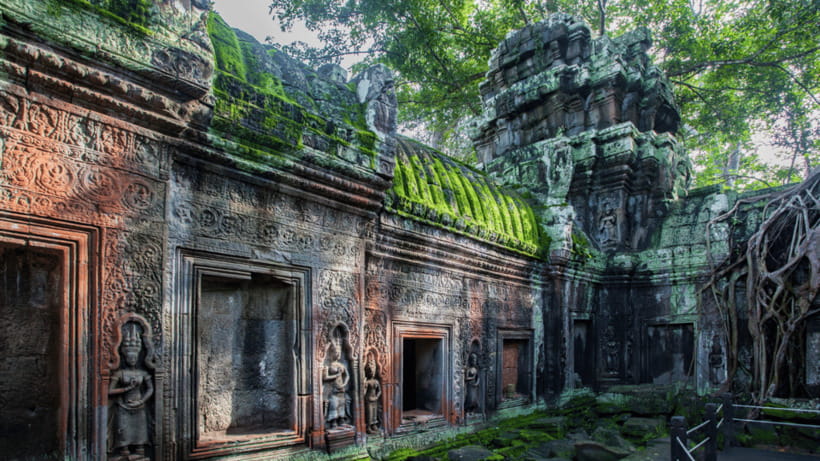
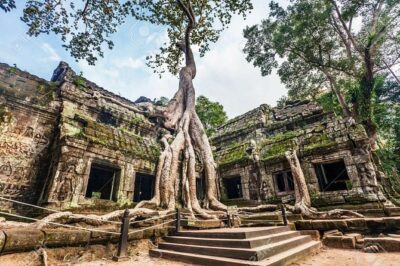
Ta Prohm is the temple many people picture when they think of Angkor in the jungle. Trees grow around and over parts of the structure, with roots pressing against walls and doorways.
The appeal is visual, but the site also rewards a slower look. You can see how vegetation and stone have become part of the same scene, while your guide explains what you are looking at and leads you toward notable details. The ruins feel more enclosed and irregular than Angkor Wat, which makes the visit a welcome change of pace.
Ta Prohm can be especially good for photos, but it is not simply a photo stop. Uneven paving, narrow passages, and tree roots require attention. Stay with the group through the main explanation, then use the free time to look around without blocking passageways.
Many of the guides are also happy to take photos for solo visitors and couples. That is a small service, but it matters when you are traveling alone and want more than a series of arm’s-length selfies. Do ask before handing over your phone, and give clear instructions if you want a particular composition.
Angkor Thom and Bayon’s carved faces
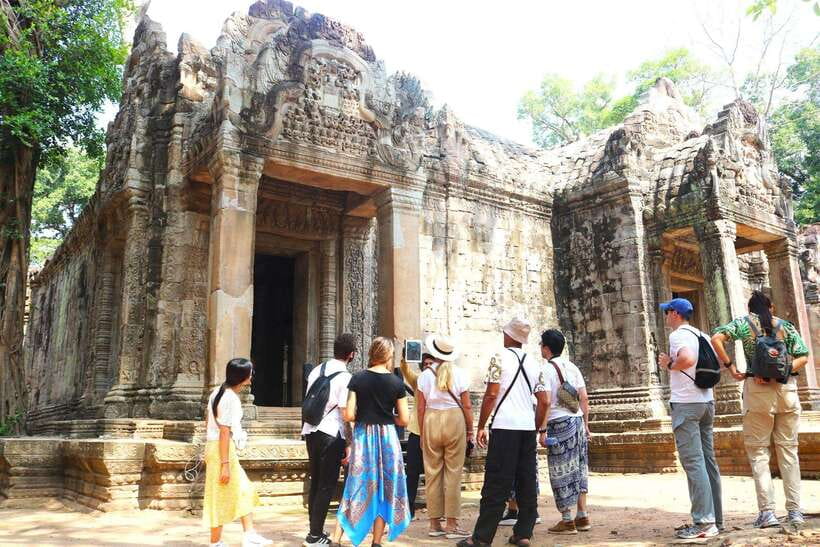
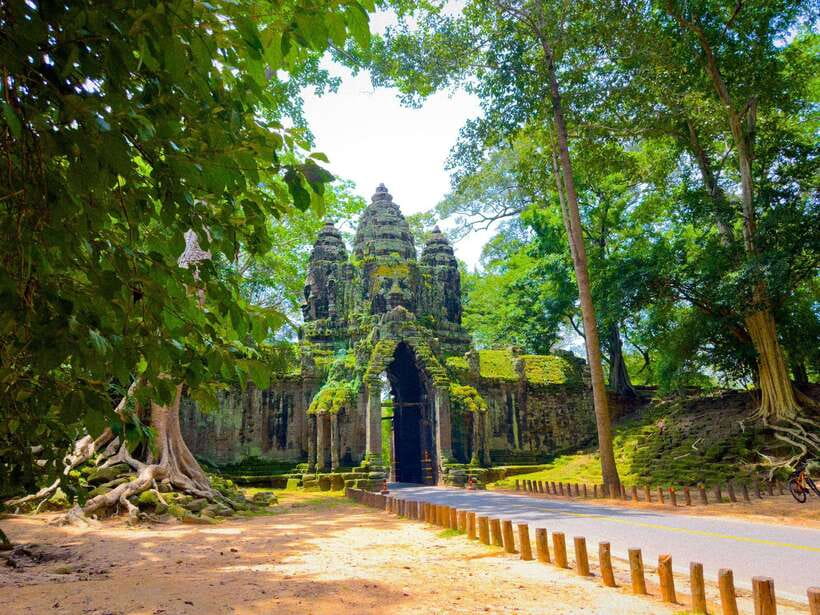
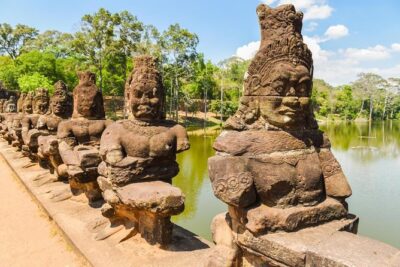
From Ta Prohm, the tour continues to the Eastern Gate of Angkor Thom. The entrance is flanked by a row of stone gods and demons, an arrangement that gives the approach a strong ceremonial feel.
Angkor Thom was a fortified city, not just a temple. Entering through its gate helps you understand the scale of the former urban center before you reach Bayon. The stone figures along the causeway are worth seeing slowly, though the guide may need to keep the group moving to fit the rest of the schedule.
Bayon is the city’s best-known temple, marked by its many large carved faces. They appear on towers and reveal themselves as you move through the structure. From one angle a face seems hidden, then another comes into view around the next passage.
This is where a good guide earns the low tour price. A well-placed explanation can help you distinguish faces, towers, relief scenes, and architectural layers rather than seeing only a pile of gray stone. Guides including Bun, Pal, Sak, and Sokpee have been praised for combining facts with humor and for answering questions about both ancient Cambodia and present-day life.
The route also passes the Terrace of the Elephants and the Terrace of the Leper King. These are not long temple visits, but the carved walls and former ceremonial setting add useful context to Angkor Thom. You may have only a short time to walk and photograph them, so listen for the key points and do not expect the same extended exploration available at Angkor Wat.
The second day ends around 12:30 to 1:30 p.m. That early finish is a real advantage. After a pre-dawn start and several hours on stone paths, you will probably want a shower, lunch, and a quiet afternoon.
What the transport and guiding add
The tour uses an air-conditioned vehicle with hotel pickup and drop-off. Exact pickup details are sent one day before the start, and the cooling routine is one of the most useful features: drivers such as Naro, Mao, Dara, Vichet, Seyha, and Black are repeatedly praised for providing chilled water and cool towels after temple walks.
That is not luxury for its own sake. Cambodia’s heat and humidity can make a short walk feel demanding, especially after climbing stairs. Returning to a cool vehicle gives you a chance to reset before the next site.
The guide quality can vary by individual, as it does on any group tour, but the named guides associated with this experience include Sak, Bun, Pal, Chhay, Sokpee, Samnang, Vantha, and others. The strongest guiding style described by the available feedback is clear site history followed by free time. That balance lets you learn what matters without having every minute narrated.
One useful expectation to set: this is an English-language tour. If you want a highly academic lecture on Khmer architecture or religion, you may need to ask detailed questions. One visitor wanted more explanation of the religious background, while others found the historical and cultural information extensive. I would treat the guide as an interpreter of the site, not a university seminar.
Walking, weather, clothing, and the temple pass
You need comfortable shoes, a hat, sunglasses, sunscreen, and insect repellent. Wear comfortable clothing that also meets temple expectations, particularly at Angkor Wat where shoulders and knees should be covered.
The tour is not suitable for children under eight or wheelchair users. That matches the conditions on the ground: there are long walks, uneven paths, small climbs, and stairs. One family with an eight-year-old found the pace manageable, but younger children may struggle with the early start and heat.
Bring some cash for meals and drinks. Food is not included, and neither is the temple pass. The stated cost of a two or three-day pass is $62 per person, which you must add to the $16 tour price.
The package includes bottled water, but you should still carry your own bottle if you drink often. Pets are not allowed. Free cancellation is available up to 24 hours before departure, and you can reserve now and pay later, which helps if your Siem Reap plans are still moving around.
Who should book this Angkor tour?
I would choose this tour if you have two days in Siem Reap and want the major Angkor sights arranged without hiring a private guide. It suits solo visitors especially well because the group gives you company, transport, explanations, and help with photos.
It is also a sensible choice for couples and families with older children who can handle early mornings, heat, and stairs. The day-two finish before lunch makes the schedule less punishing than a full-day sunrise outing.
I would hesitate if you dislike fixed departure times or want to linger for hours at one temple. The itinerary covers a lot of ground, and the sunrise pickup is very early. You will get free time at the sites, but not unlimited time.
Should you book it?
Yes, if you want broad coverage and strong practical value. The $16 tour fee is unusually low for two days of transport and guiding, but remember to add the $62 temple pass, meals, and drinks.
The best reason to book is the combination of variety and support: Banteay Srei’s fine carving, Neak Pean’s island setting, Preah Khan’s long corridors, Ta Prohm’s tree roots, Bayon’s faces, and Angkor Wat at sunrise. Choose this tour if you want those highlights explained and connected, with cold water waiting when the heat catches up with you.
FAQ
How long is the tour?
The experience takes two days, with day one running about 7:45 or 8 a.m. to 4 or 5 p.m. Day two begins around 4:20 to 4:35 a.m. and ends around 12:30 to 1:30 p.m.
Can I do the sunrise day first?
Yes. The two days can be swapped if you request the change.
Is hotel pickup included?
Yes. Hotel pickup and drop-off are included. The exact pickup time is provided one day before the tour.
Is the Angkor temple pass included?
No. The temple pass is separate. A two or three-day pass is listed at $62 per person.
Are meals included?
No. Lunch, breakfast, food, and additional drinks are not included.
What language is the tour conducted in?
The live tour guide speaks English.
What temples are visited?
The schedule includes Pre Rup, Banteay Srei, Neak Pean, Preah Khan, Angkor Wat, Ta Prohm, Angkor Thom, Bayon, the Terrace of the Elephants, and the Terrace of the Leper King.
Is the tour suitable for young children or wheelchair users?
It is not suitable for children under eight or wheelchair users.
What should I bring?
Bring comfortable shoes, sunglasses, a sun hat, sunscreen, comfortable clothing, and insect repellent. Clothing should also be suitable for visiting sacred temple sites.
More 2-Day Experiences in Siem Reap
- 2 Days Exclusive Temple Highlights with Sunset and Sunrise Tour
★ 5.0 · 1,157 reviews - Siem Reap: Angkor Sunrise 1- or 2-Day Guided Temples Tour
★ 4.9 · 1,132 reviews - 2 Days Guided Historical Tour in Angkor
★ 5.0 · 855 reviews - 2-Day Angkor Wat With Small, Big Circuit and Banteay Srei Tour
★ 5.0 · 545 reviews
More early starts in Siem Reap
- Angkor Wat Sunrise tour with Small – Group and Guide tours
★ 5.0 · 3,655 reviews - Angkor Wat Highlights and Sunrise Guided Tour from Siem Reap
★ 5.0 · 3,213 reviews - Full-Day Angkor Wat Sunrise Private Tour with Guide from Siem Reap
★ 5.0 · 2,920 reviews - Siem Reap: Angkor Wat Sunrise and Full-Day Sightseeing Tour
★ 4.9 · 2,828 reviews
New around Siem Reap
- Kulen Mountain With Ticket included Plus Banteay Srei Temple Tour★ 5.0 · 7 reviews
- 2 Days Angkor temples with Sunrise & Sunset★ 5.0 · 7 reviews
- Private Siem Reap Airport Transfer to hotel in town★ 5.0 · 7 reviews
- 1-Day private Angkor Temple Tour with Sun Rise by Tuk Tuk from Siem Reap★ 4.5 · 7 reviews
- Siem Reap: Morning Cooking Class & Market Tour★ 5.0 · 7 reviews
- Kulen Mountain, Killing Fields and War Museum Tour★ 5.0 · 7 reviews
- War Museum, Killing Field, and APOPO Hero RATs Tour★ 5.0 · 7 reviews
- Half-Day: Silk Farm, Senteur Angkor, and Satcha Workshop★ 4.6 · 7 reviews
Angkor Wat Tours, compared.
Angkor Wat Sunrise or Sunset Tour with Guide from Siem Reap
Read our review →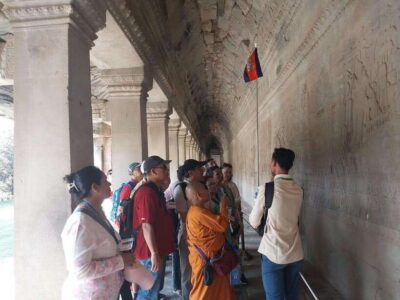
Angkor Wat: Small-Group Sunrise or Sunset Tour
Read our review →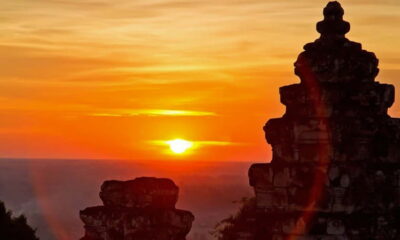
Angkor Wat Sunrise tour with Small – Group and Guide tours
Read our review →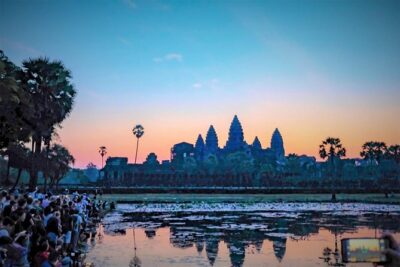
Angkor Wat Highlights and Sunrise Guided Tour from Siem Reap
Read our review →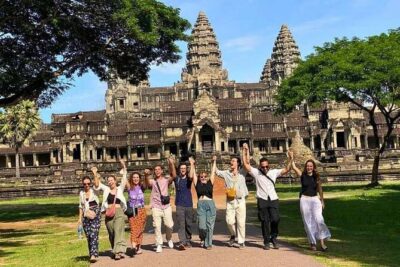
Angkor Wat Sunset Small Group Tour with Lunch Included
Read our review →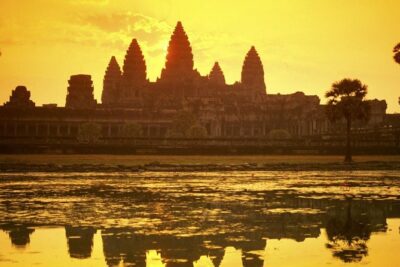
Full-Day Angkor Wat Sunrise Private Tour with Guide from Siem Reap
Read our review →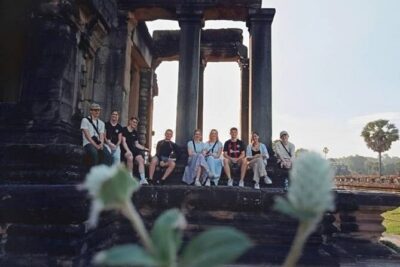
Angkor Wat Sunrise & 3 Main Temples with Breakfast – Small Group
Read our review →Browse the lists this tour appears in