
Reviewed · ANGKOR WAT TOURS
Full-Day Angkor Wat Sunrise and Sunset Private Tour
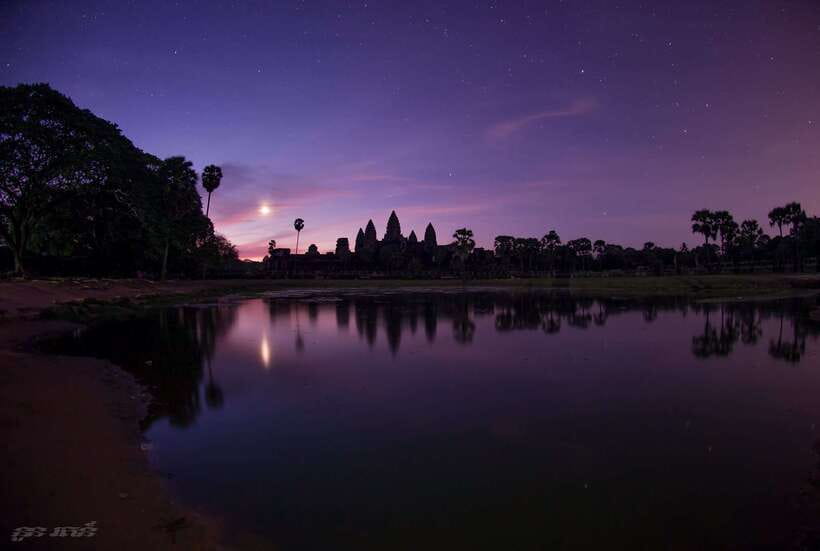
Angkor Wat at sunrise is the hook, but the real strength of this private full-day tour is how much ground you can cover without being tied to a large group. You begin at 4:45am, see the temple complex in the cool morning, then work through Ta Prohm, Pre Rup, Ta Nei, Bayon, Baphuon, and the terraces of Angkor Thom before ending above the trees at Phnom Bakheng.
I like two things here. First, the guide can adjust the day when the heat or crowds become too much. Guides including Jimmy, Thean, Bun, Vanna, and Chhay are praised for clear explanations, good photography spots, and a friendly manner. Second, the air-conditioned vehicle, cold water, and cool towels matter greatly in Cambodia. The main drawback is the length: this is a demanding 4:45am to 6:00pm or 7:00pm day, with plenty of walking and some hill climbing.
Key points at a glance
- Sunrise begins before dawn: Hotel pickup is scheduled for 4:45am, giving you an early start at Angkor Wat.
- A full Small Circle day: You visit major temples including Ta Prohm, Pre Rup, Ta Nei, Bayon, and Baphuon.
- Private means flexible: You can slow down, take a break, change the order, or focus on the sites that interest you most.
- Phnom Bakheng requires patience: You may climb 1.5 to 2 hours before sunset because access to the summit is limited.
- Comfort is built into the day: Transport is by air-conditioned vehicle, with drinking water and towels provided.
- Budget beyond the tour price: The $71 tour fee does not include the $37 temple pass or meals.
A 4:45am start for Angkor Wat sunrise
Your guide picks you up in the hotel lobby at 4:45am. You should be waiting about 10 minutes early, since the day depends on reaching Angkor Wat before sunrise crowds build.
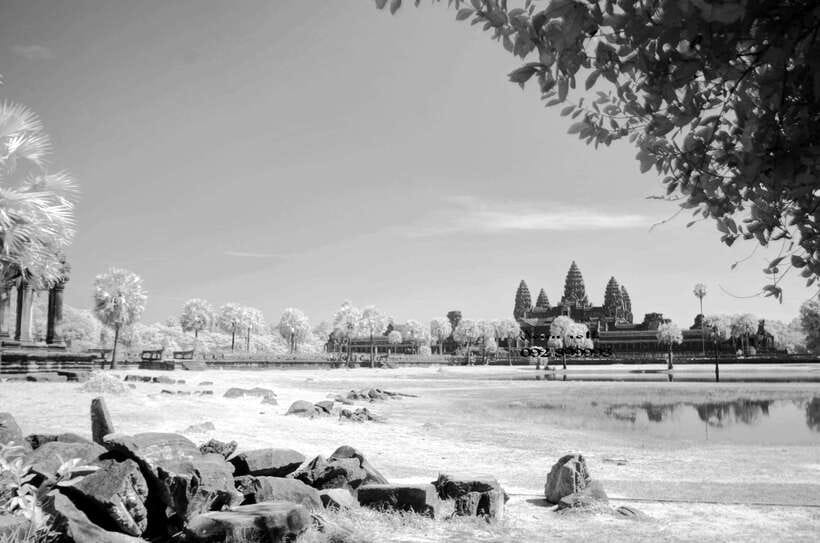
The first stop is Angkor Wat, Cambodia’s best-known temple and the morning centerpiece. In the dark, you make your way toward a viewpoint for sunrise. The guides are familiar with different places for photographs, and several, including Jimmy and Thean, are also praised for taking pictures during the day. That is useful if you want more than hurried phone snapshots.
Sunrise is not a reason to expect silence or solitude. It is one of the most popular times to visit Angkor Wat. Still, starting this early gives you a chance to see the temple in changing light and to get ahead of some of the day’s heat.
After sunrise, you have a choice built into the schedule. If your hotel includes breakfast, the guide can take you back for it. You can also eat at a restaurant near Angkor Wat. This flexibility is practical, since many hotels do not serve breakfast early enough for a standard morning departure.
You then return to explore Angkor Wat properly. This second visit is important. Sunrise offers atmosphere, but the temple deserves time for its galleries, towers, courtyards, and carved details. Your English-speaking guide explains the religious ideas and Cambodian history connected to the site rather than simply pointing out photo spots.
More Angkor Sunrise Tours in Siem Reap:
- Angkor Wat Sunrise or Sunset Tour with Guide from Siem Reap
★ 5.0 · 12,109 reviews - Angkor Wat Sunrise tour with Small – Group and Guide tours
★ 5.0 · 3,655 reviews - Full-Day Angkor Wat Sunrise Private Tour with Guide from Siem Reap
★ 5.0 · 2,920 reviews
Ta Prohm and the power of tree roots
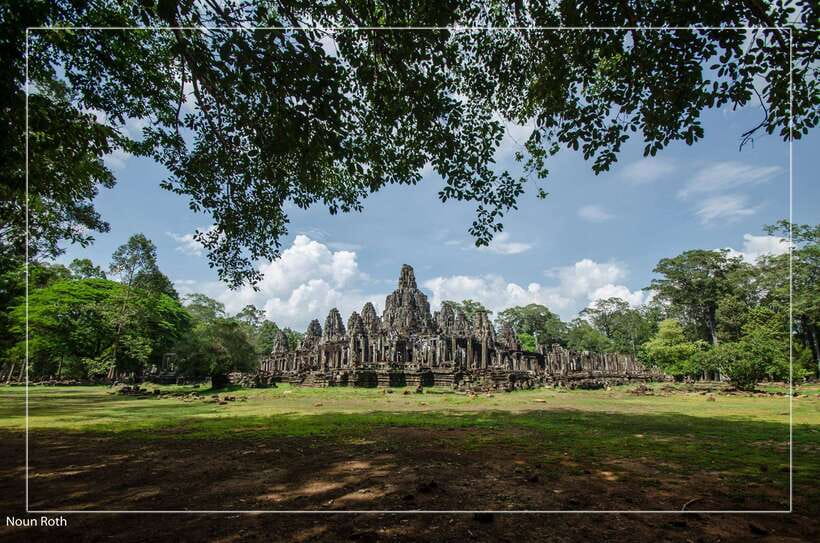
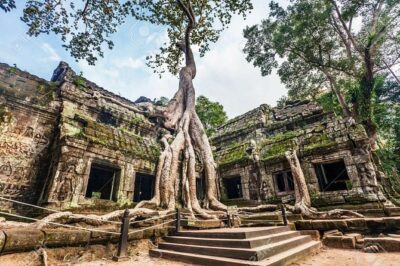
Ta Prohm is one of the day’s most memorable stops. Large tree roots have grown over parts of the temple, giving the site its famous jungle-city appearance. The setting was used for the Hollywood film Tomb Raider, but the temple is more than a film location.
I find Ta Prohm especially good for showing how the jungle and the old stonework now exist together. You can see carved doorways, galleries, and courtyards interrupted by roots and trunks. The damage also raises useful questions about preservation: should the temple be cleared, repaired, or left as it is?
The guide helps you notice details you could easily miss. The route is not just a quick walk to the most photographed doorway. Since this is a private group, you can ask questions and spend more time in places that catch your interest.
The timing can change. The supplied schedule mentions Ta Prohm in the morning and again after Pre Rup, which suggests the guide may adjust the order to manage heat and crowds. That is not a problem, but you should expect the exact sequence to remain flexible.
Lunch, heat, and the value of a private vehicle
By about 12:30pm, you stop for lunch at a local restaurant near the temples. Food is not included, so plan to pay separately. The break gives you a chance to eat, cool off, and reset before the afternoon sites.
This is the point when the private format earns its keep. A full day in the Angkor complex can become tiring, especially in hot weather. Several guides have adjusted the schedule so people could pause for a few hours, return to the hotel for a shower or nap, or change the order of the temples.
The vehicle is air-conditioned, and the driver provides bottled water and cool towels. Those are small services, but they are very welcome after walking through exposed courtyards. Drivers named in the supplied feedback include San, Sreang, Hai, Phat, SoKhom, Sophatt, Det, Lin, and Mr Hay. The descriptions consistently emphasize careful driving and a comfortable car.
You should still treat this as an active sightseeing day. The car takes you between temples, but you walk at each site. Water, sunscreen, a hat, and shoes with a firm sole will make the day easier. The tour provides water and towels, but food and the temple pass are your responsibility.
Pre Rup, a temple linked to funerals
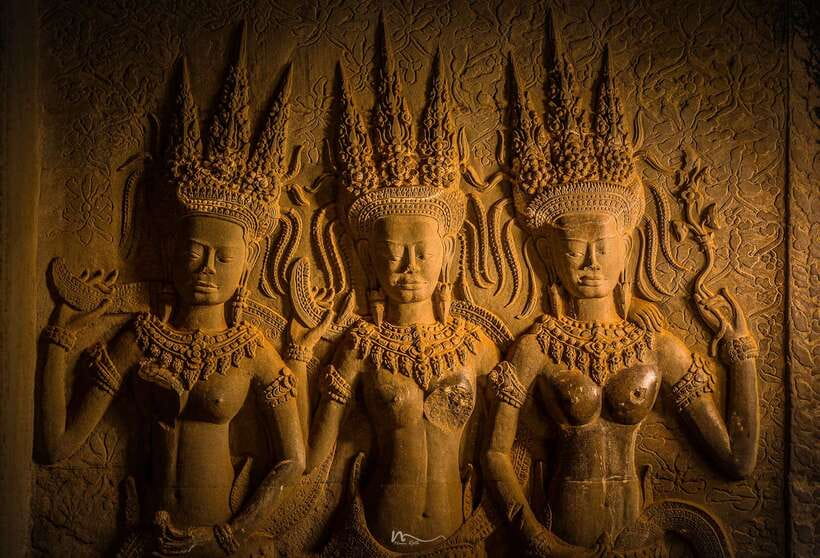
The afternoon plan usually resumes around 1:30pm or 2:00pm at Pre Rup. Built in the late 10th century and dedicated to Hindu gods, this temple has a different feel from Ta Prohm and Angkor Wat.
Pre Rup is made from laterite and brick, with a strong stepped form that rises above the surrounding area. The climb helps you understand how temple design could create a sense of ascent toward a sacred center. Your guide can also explain the belief that funerals were conducted at the temple, an idea tied to the site’s name and religious use.
This stop is not as instantly recognizable as Angkor Wat or Ta Prohm, but that is part of its value. It gives the day a broader view of Khmer architecture. You are not seeing one famous temple repeated several times. You are comparing different periods, materials, layouts, and religious purposes.
The steps can be steep, and the heat may still be strong in mid-afternoon. If your legs are tiring, tell your guide. The advantage of a private tour is that you can discuss how much time to spend rather than follow a fixed group timetable.
More Angkor Wat Tours in Siem Reap:
- Siem Reap: Angkor Wat: Small-Group Sunrise or Sunset Tour
★ 5.0 · 9,444 reviews - Siem Reap: Angkor Wat 2-Day Tour with Sunrise and Sunset
★ 4.9 · 4,429 reviews - Siem Reap: Full-Day Angkor Wat Guided Tour with Sunset
★ 4.9 · 3,803 reviews - Angkor Wat Highlights and Sunrise Guided Tour from Siem Reap
★ 5.0 · 3,213 reviews
Ta Nei and the quieter side of the circuit
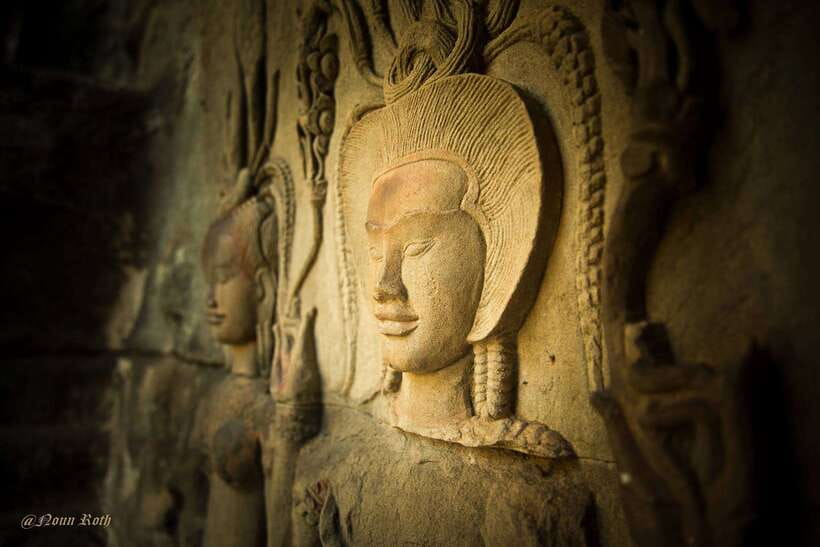
Ta Nei is included as a smaller stop on the Small Circle. It is less famous than Angkor Wat and Ta Prohm, and the visit helps break up the better-known monuments.
The exact amount of time here depends on the pace of your day. If you are trying to see every major point before sunset, Ta Nei may be a shorter visit. If you prefer quieter ruins and more time to look closely at stonework, your guide may give it greater attention.
This is one of the reasons I would choose a private tour for a one-day Angkor visit. You can tell the guide if your priority is photography, architecture, religious symbolism, or simply seeing as many sites as possible. Guides such as Jimmy and Vanna have been praised for changing the route to avoid heavy crowds and for adding less familiar places when time allows.
Bayon and the many faces of Angkor Thom
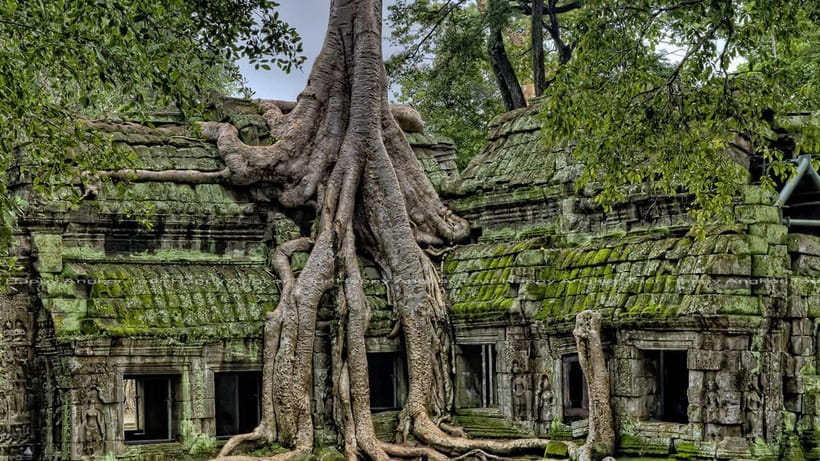
The tour then enters Angkor Thom, the large ancient city area that contains Bayon at its center. Bayon is one of the essential stops in the complex.
Its towers carry faces of Bodhisattva Avalokitesvara. The itinerary describes 49 towers, each with four faces, for a total of 196 faces. The exact numbers are useful, but the visual effect is what stays with you: faces appear at different heights and angles, watching over the temple corridors.
Bayon can feel confusing without a guide. Passages cross in several directions, and the faces are not always visible from the first approach. A good guide points out the carved scenes and explains how the temple connects Buddhist and royal ideas.
This is also a good place to ask questions. The guides are described as explaining Cambodian culture, religion, and history in plain English, with enough detail to answer follow-up questions. Some, including Thean, are also noted for a light sense of humor, which helps during a long day.
Baphuon and the terraces of royal Angkor
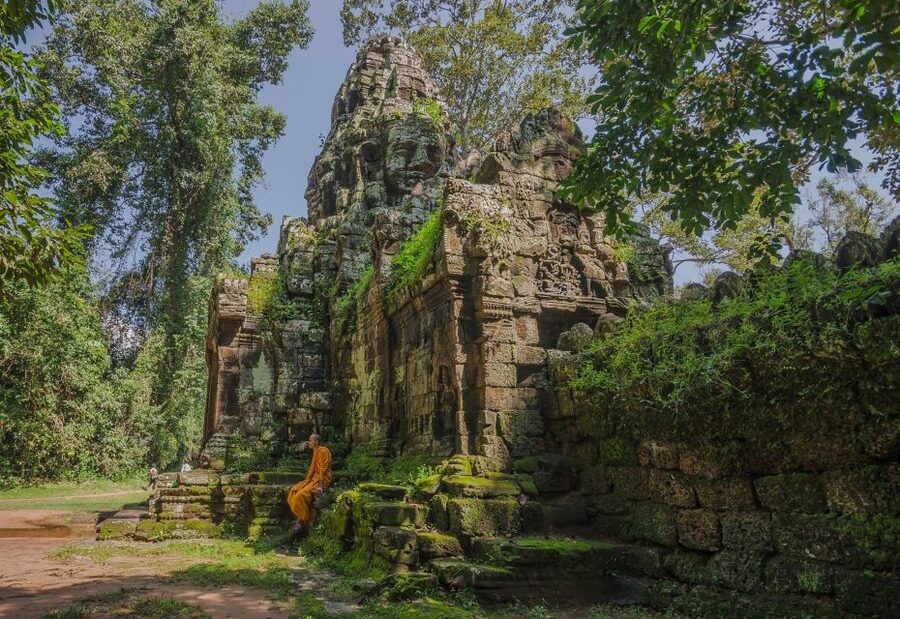
After Bayon, you walk to Baphuon, a Hindu temple built before Angkor Wat in the 11th century. Its structure is different again, and its location within Angkor Thom shows how the city changed across different rulers and religious traditions.
Behind Baphuon is a large reclining Buddha added later, in the 16th century. That detail is a useful reminder that the Angkor monuments were not frozen in one moment. Later generations continued to use, alter, and reinterpret these places.
The route continues past the Royal Enclosure Wall, the Elephant Terrace, the Leper King Terrace, and Phimeanakas. These sites are close enough to combine in one walking section, but they can blur together if you are tired.
Here, the guide’s explanations are particularly useful. The terraces make more sense when you understand their connection to ceremonies, royal display, and the former city. Rather than rushing from one stone structure to the next, ask your guide to identify what each site was used for and how it fits into Angkor Thom.
The walking is steady. If you want to linger over carvings, say so early, since the sunset climb at Phnom Bakheng has a firm practical constraint.
Phnom Bakheng sunset and the final climb
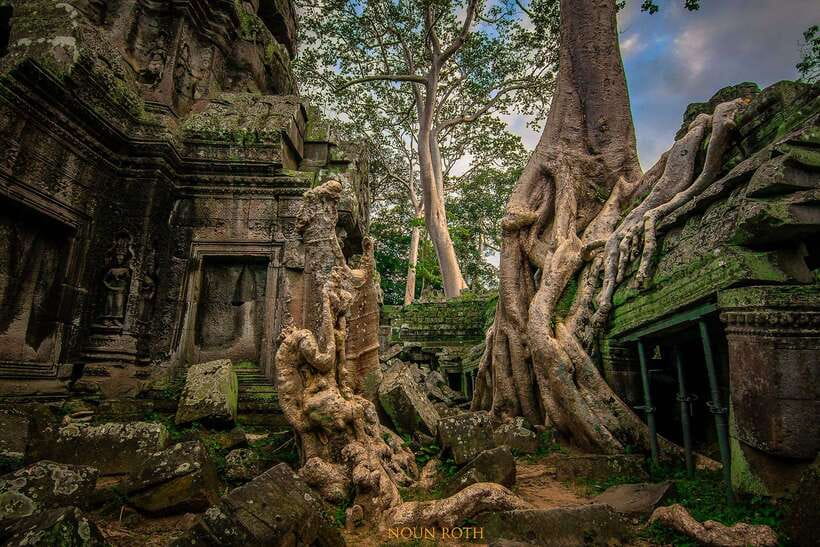
The last stop is Phnom Bakheng, a hilltop temple used for sunset views. The climb is the final physical test of the day, coming after hours of temple walking.
Access to the upper area is limited at the busiest time. For that reason, the guide may take you up 1.5 to 2 hours before sunset. This is an important expectation to set. You are not arriving at the last possible minute, watching the sun drop, and leaving immediately. You may spend a considerable amount of time waiting for the view.
The reward is the change of pace. After the enclosed galleries and courtyards of the temples, you get an open view from above. The sunset is weather dependent, of course, but the hilltop setting gives the day a fitting finish.
The climb and early arrival may not suit every visitor. If you dislike hills, have limited stamina, or would rather have a relaxed afternoon, discuss that with the guide. The tour is private, so the guide can help you understand the timing and make sensible adjustments when possible, but Phnom Bakheng access rules still shape the visit.
You return to your hotel between approximately 6:00pm and 7:00pm. By then, you will have had a very full day, from pre-dawn pickup to evening return.
What the $71 price really covers
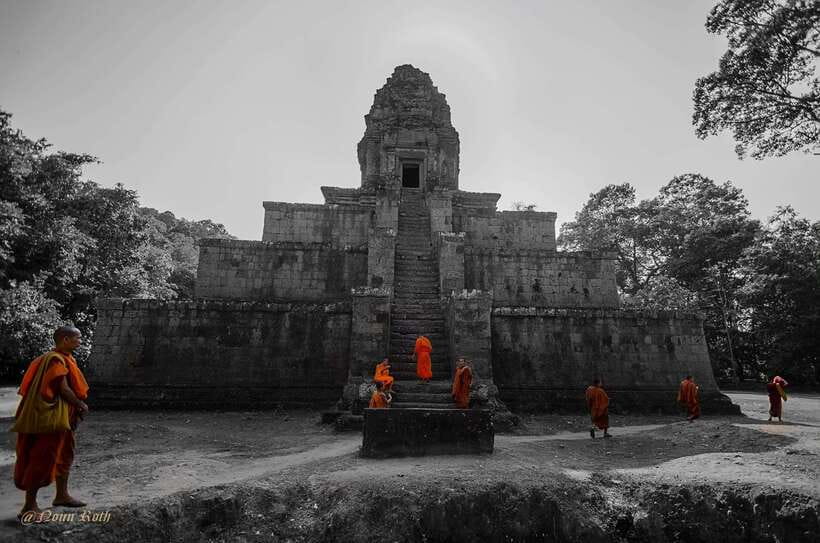
The tour costs $71 per person. That includes hotel pickup and drop-off, an English-speaking guide, transportation in an air-conditioned vehicle, drinking water, and towels.
The temple pass costs an additional $37 per person. Food is also extra, including breakfast if you do not return to a hotel breakfast and lunch near the temples. Your basic cost is therefore $108 per person before meals.
That price is reasonable if you value a private guide and want to see the main Small Circle sites in one day. You are paying not only for transport but also for someone who can explain the monuments, adjust the order, help with photographs, and keep an eye on the clock.
The value is weaker if you only want a driver or prefer to explore without commentary. It is also a demanding day for the money because you start before dawn and finish in the evening. I would see this as a practical choice for a short stay in Siem Reap, not as the most relaxed way to visit Angkor.
Guides, photography, and personal attention
The strongest part of the experience is the guide-driver team. Jimmy is repeatedly praised for his calm explanations, flexibility, local knowledge, and skill with photographs. Thean is noted for clear English, a strong grasp of Cambodian culture and history, humor, and excellent photo locations.
Bun, Vanna, Chhay, Chanra, Mao, and other guides are also described as friendly and able to explain the temples in an easy-to-follow way. You may not receive a particular guide, so do not book on the assumption that one named person is guaranteed. Still, the pattern is clear: the service is designed around a licensed English-speaking guide rather than a simple transfer between temples.
The driver matters just as much. You spend plenty of time moving between sites, and the air-conditioned vehicle becomes your resting place. Cold water and towels are especially useful after each walk. Safe, patient driving is another practical benefit when the day is long.
Who should book this one-day Angkor tour?
I would choose this tour if you have only one full day in Siem Reap and want the major temple highlights in a single outing. It also suits families and couples who want their own pace, since the schedule can be adapted and the vehicle is private.
It is a good fit for photographers. Guides know useful viewpoints, and several are praised for helping create better pictures while also explaining the places. It works well for first-time visitors who want cultural and historical context instead of simply collecting temple names.
I would hesitate if you dislike early mornings, have difficulty with long walks, or want a slow visit with generous time at every monument. The sunrise and sunset combination sounds efficient because it is efficient, but you pay for that efficiency with a very long day.
Free cancellation is available up to 24 hours before the tour for a full refund, and you can reserve now and pay later. Pickup is available from hotels and other accommodations, but you need to provide the address, hotel name, phone number, and website so the team can locate you.
Should you book the sunrise and sunset tour?
Book it if your time is tight and you want a well-supported introduction to Angkor. The private format, flexible schedule, air-conditioned transport, cold towels, and strong guide service make the packed itinerary more manageable.
Before booking, budget for the $37 temple pass and meals, and be honest about the 4:45am start, afternoon walking, and early wait at Phnom Bakheng. If you can handle the pace, this tour gives you sunrise at Angkor Wat, the roots of Ta Prohm, the faces of Bayon, the terraces of Angkor Thom, and a hilltop sunset in one ambitious day.
FAQ
What time does the tour start?
Hotel pickup is scheduled for 4:45am. You should wait in the hotel lobby 10 minutes before the planned pickup time.
Is the Angkor temple pass included?
No. The temple pass costs US$37 per person and is paid separately.
Are meals included?
No. Food is not included. You may return to your hotel for breakfast if it is available, or eat at a restaurant near Angkor Wat. Lunch is planned at a local restaurant near the temples and is also paid separately.
What temples are included?
The route includes Angkor Wat, Ta Prohm, Pre Rup, Ta Nei, Bayon, Baphuon, the Royal Enclosure Wall, Elephant Terrace, Leper King Terrace, Phimeanakas, and Phnom Bakheng.
Is the tour private?
Yes. It is arranged for a private group, so the guide can adjust the order, pace, and breaks to suit your preferences.
What is included in the transportation?
Hotel pickup and drop-off, transport in an air-conditioned vehicle, drinking water, and towels are included. The tour uses an English-speaking guide.
More things to do after dark in Siem Reap
- Siem Reap Floating Village Kampong Phluk Sunset with Boat
★ 5.0 · 1,962 reviews - Full-Day Guided Sunset Tour of Angkor Wat
★ 5.0 · 1,507 reviews - Kompong Phluk Floating Village Half-Day Tour ( Morning / Sunset )
★ 5.0 · 1,494 reviews - Siem Reap: Full Day Angkor Wat Temple Experience with Sunset
★ 4.9 · 1,490 reviews
More Sunset Tours in Siem Reap
- Sunset tour of Kampong Phluk stilts home village on the Tonle Sap
★ 5.0 · 4,865 reviews - Angkor Wat Sunset Small Group Tour with Lunch Included
★ 5.0 · 3,059 reviews - Angkor 2-Day Sunset & Sunrise Small-Group Tour
★ 5.0 · 2,567 reviews - Siem Reap: Angkor Wat Sunrise or Sunset Guided Tour
★ 4.9 · 2,123 reviews
New around Siem Reap
- Kulen Mountain With Ticket included Plus Banteay Srei Temple Tour★ 5.0 · 7 reviews
- 2 Days Angkor temples with Sunrise & Sunset★ 5.0 · 7 reviews
- Private Siem Reap Airport Transfer to hotel in town★ 5.0 · 7 reviews
- 1-Day private Angkor Temple Tour with Sun Rise by Tuk Tuk from Siem Reap★ 4.5 · 7 reviews
- Siem Reap: Morning Cooking Class & Market Tour★ 5.0 · 7 reviews
- Kulen Mountain, Killing Fields and War Museum Tour★ 5.0 · 7 reviews
- War Museum, Killing Field, and APOPO Hero RATs Tour★ 5.0 · 7 reviews
- Half-Day: Silk Farm, Senteur Angkor, and Satcha Workshop★ 4.6 · 7 reviews
Angkor Wat Tours, compared.
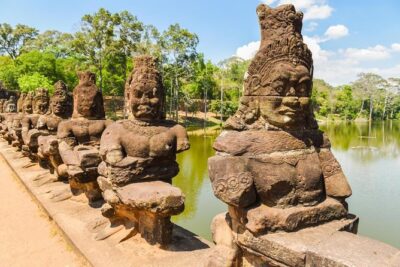
Angkor Wat Sunrise or Sunset Tour with Guide from Siem Reap
Read our review →
Angkor Wat: Small-Group Sunrise or Sunset Tour
Read our review →
Angkor Wat Sunrise tour with Small – Group and Guide tours
Read our review →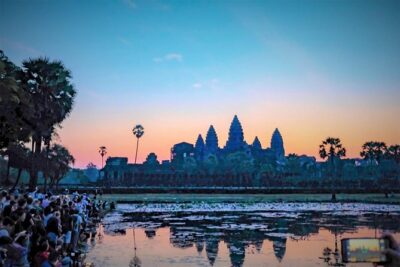
Angkor Wat Highlights and Sunrise Guided Tour from Siem Reap
Read our review →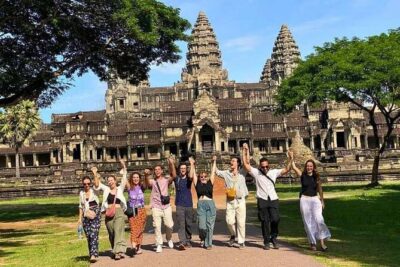
Angkor Wat Sunset Small Group Tour with Lunch Included
Read our review →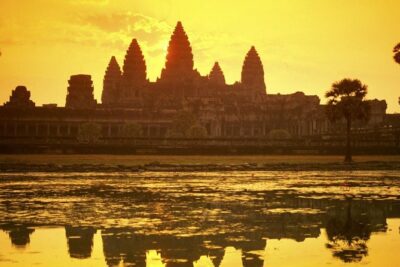
Full-Day Angkor Wat Sunrise Private Tour with Guide from Siem Reap
Read our review →
Angkor Wat Sunrise & 3 Main Temples with Breakfast – Small Group
Read our review →Browse the lists this tour appears in