
Reviewed · ANGKOR WAT TOURS
2 Days Angkor Wat Sunrise and Sunset Private Tour
Angkor is best seen in two carefully paced days, and this tour gives you the big names plus smaller temples that many quick visits skip. You begin with Angkor Wat at sunrise, then work through Angkor Thom, Bayon, Ta Prohm, and Ta Nei before finishing near the Terrace of the Elephants.
I like the private format, since you can focus on your own group and travel in an air-conditioned vehicle between temple stops. I also like the mix of grand monuments and quieter sites such as Ta Nei and Ta Som. The main catch is cost: the $134 tour price does not include the required $62 three-day Angkor Pass, meals, drinks, or tips.
Key points at a glance
- Sunrise at Angkor Wat: Begin with the site’s most famous morning view, then allow about two hours to explore the temple.
- Private transport and guide: Your group travels by air-conditioned vehicle with an English-speaking guide, bottled water, hotel pickup, and drop-off.
- The major Angkor temples: Angkor Thom, Bayon, Ta Prohm, Preah Khan, and Banteay Srei all appear over the two days.
- Smaller temples included: Ta Nei, Neak Pean, Ta Som, and Eastern Mebon add variety beyond the standard highlights.
- Sunset at Phnom Bakheng: The second day ends at a hilltop temple dedicated to Shiva, with about an hour scheduled there.
- Extra costs matter: The Angkor Pass costs $62 per person, while breakfast, lunch, drinks, insurance, and guide and driver tips are separate.
Two days gives Angkor the time it deserves
The Angkor archaeological site is too large for a rushed single outing. This tour divides the visit into two long sightseeing days, covering both the major central temples and several outlying monuments.
The plan is ambitious. You will spend about six hours at named sites on the first day and more than five hours at listed temples on the second, not counting driving, pickup, meal breaks, or time spent buying the pass. That makes this a full program, not a gentle stroll with plenty of free time.
For me, the strongest feature is the balance between famous sights and less-visited corners. Angkor Wat, Bayon, Ta Prohm, and Banteay Srei draw the most attention, but Ta Nei, Neak Pean, Ta Som, and Eastern Mebon help you see how varied Khmer temple design can be.
The tour is private, so only your group participates. That matters here. You can ask questions, spend longer at a carved doorway, or move along when the heat catches up without waiting for a large coach party. The tour information names Tann as a guide who provides especially attentive service, though you should confirm your assigned guide when booking.
More Angkor Sunrise Tours in Siem Reap:
- Angkor Wat Sunrise or Sunset Tour with Guide from Siem Reap
★ 5.0 · 12,109 reviews - Angkor Wat Sunrise tour with Small – Group and Guide tours
★ 5.0 · 3,655 reviews - Full-Day Angkor Wat Sunrise Private Tour with Guide from Siem Reap
★ 5.0 · 2,920 reviews
Sunrise at Angkor Wat sets the tone
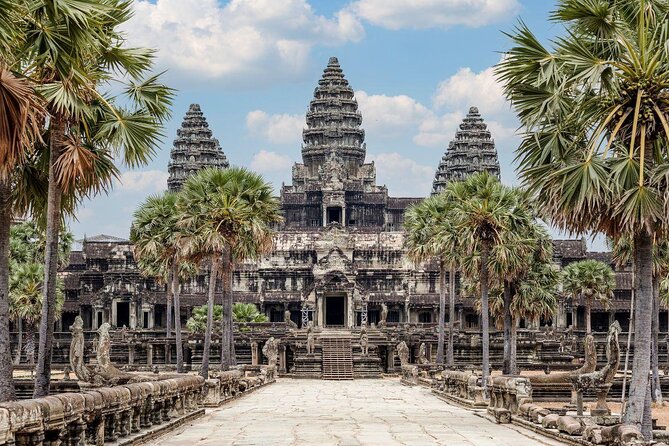
Day one begins at Angkor Wat, the largest religious monument in the world. The temple was originally built as a Hindu shrine dedicated to Vishnu, and its scale is difficult to grasp until you walk through the outer areas and approach the central towers.
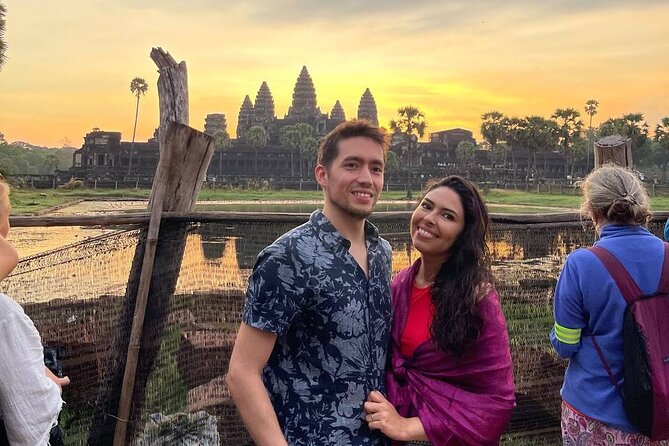
The scheduled visit lasts about two hours. Sunrise is the reason to arrive early, but the temple deserves more than a quick photograph in the morning light. Use the first part of the visit for the famous view, then turn your attention to the galleries, towers, courtyards, and carved surfaces.
Your hotel may be able to prepare a breakfast pack if breakfast is included with your room. That is a useful tip because the tour recommends eating after sunrise at Angkor Wat rather than trying to return to the hotel before the next stop.
The pass is not included. A three-day Angkor Pass costs $62 per person, so add that to the advertised $134 price. The temple entrance fee can be bought on the day of the tour just before sunrise, and Visa cards are accepted. Still, do not leave your payment plan until the last second. A very early start is easier when you already know how you will pay.
Angkor Thom and Bayon: faces at the center of the old city
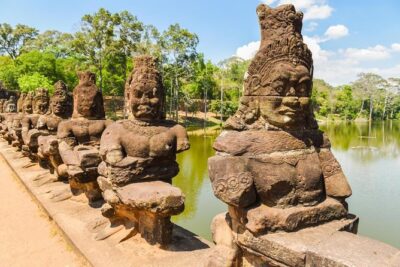
After Angkor Wat, the route moves to Angkor Thom, the last and longest-lasting capital of the Khmer Empire. The South Gate receives about 15 minutes, enough to take in the approach and the sculpture around the entrance, but not enough for a long lecture or slow photography session.
The gate works as an introduction to the scale of the old capital. You pass into a walled city rather than simply arriving at one isolated temple. That change in setting helps make the next stop, Bayon, more meaningful.
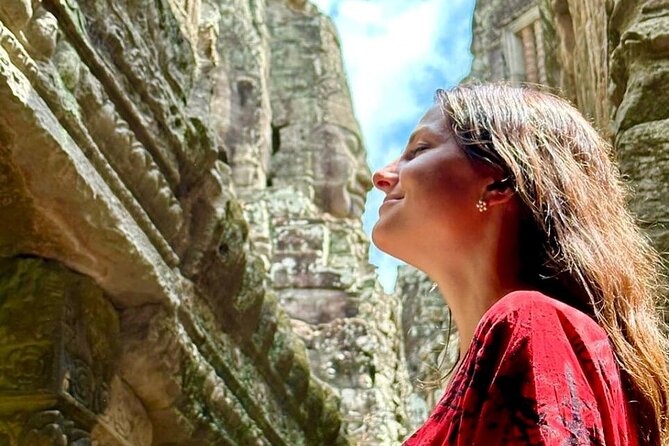
Bayon gets about an hour. Built in the late 12th or early 13th century during the reign of King Jayavarman VII, it was a state temple connected with Mahayana Buddhism. Its towers and carved faces create a very different mood from the long, balanced lines of Angkor Wat.
I would use your time here to look up and around, not just ahead. Bayon can feel confusing at first, with passageways, galleries, and towers crowding together. A guide is useful for pointing out what you are seeing and explaining how the temple fits within Angkor Thom.
The route also includes the Terrace of the Elephants, with about 15 minutes there. This is a brief stop, but it gives you a chance to see one of the great city’s ceremonial edges and its elephant carvings. Do not expect a full exploration of Angkor Thom in this short visit.
Ta Prohm and Ta Nei show two sides of Angkor
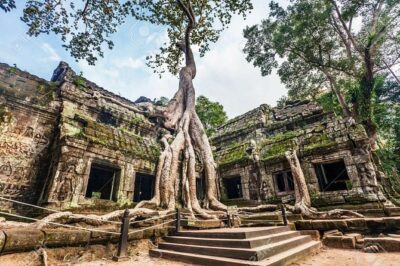
Ta Prohm receives about an hour and is built in the Bayon style, mainly in the late 12th and early 13th centuries. Its original name was Rajavihara, and it was built during the reign of Jayavarman VII.
Ta Prohm is one of the tour’s essential stops because the temple feels less orderly than Angkor Wat and Bayon. Stone corridors, towers, courtyards, and tree roots create a more enclosed experience. The famous photographs are only part of the appeal. I find the broken edges and partially overgrown sections useful reminders that Angkor is an archaeological site, not a restored theme park.
The tradeoff is time and attention. Ta Prohm is visually dramatic, so you may want to linger. The one-hour schedule gives you a solid visit, but you will need to keep moving if you want to see the key areas.
Ta Nei follows, with about 40 minutes. This late 12th-century temple was built under Jayavarman VII and dedicated to the Buddha. It is a smaller, quieter stop than Ta Prohm, and that contrast is valuable after a major highlight.
Ta Nei may appeal most to you if you want more than the standard photo stops. It is not presented as the star of the day, but it adds texture to the route and shows another scale of Khmer temple building. The shorter visit should be enough to look around without exhausting yourself before the next day.
More Angkor Wat Tours in Siem Reap:
- Siem Reap: Angkor Wat: Small-Group Sunrise or Sunset Tour
★ 5.0 · 9,444 reviews - Siem Reap: Angkor Wat 2-Day Tour with Sunrise and Sunset
★ 4.9 · 4,429 reviews - Siem Reap: Full-Day Angkor Wat Guided Tour with Sunset
★ 4.9 · 3,803 reviews - Angkor Wat Highlights and Sunrise Guided Tour from Siem Reap
★ 5.0 · 3,213 reviews
Banteay Srei rewards the longer drive
Day two begins with Banteay Srei, a 10th-century temple dedicated to Shiva. The scheduled visit is two hours, the longest stop of the day.
Banteay Srei is known for its detailed stone carving and smaller scale. After the imposing masses of Angkor Wat and Bayon, this temple gives you a different lesson in Khmer design. The longer time here is well judged because the details reward slow looking.
I would not treat Banteay Srei as a quick add-on. It is one of the reasons to choose a two-day plan rather than a central-temples-only outing. You trade some time in the main Angkor area for a temple with its own character, and the schedule gives you enough time to appreciate that difference.
The tour description does not state exact driving times or pickup times, so confirm those details before departure. A two-day private plan is easier to manage when you know how early you will leave and how much time is expected between your hotel and the temples.
Preah Khan, Neak Pean, and Ta Som form a strong middle section
Preah Khan receives one hour. Built in the 12th century for Jayavarman VII to honor his father, it lies northeast of Angkor Thom near the Jayatataka baray.
The temple is a good follow-up to Banteay Srei because it returns you to the larger, more complex temple style associated with Jayavarman VII. Look for the changing arrangement of halls, galleries, and courtyards as you move through the site. An hour gives you time to see the main areas, though not every corner.
Neak Pean gets about 30 minutes. This artificial island temple sits on a circular island in the Jayatataka baray and was built during Jayavarman VII’s reign. The approach across the water gives the stop a different feel from the enclosed ruins at Ta Prohm and Preah Khan.
Thirty minutes is a short visit, but the site is compact. You are mainly coming for the setting and the central temple rather than a long interior exploration.
Ta Som follows with 35 minutes. This small late 12th-century temple was built for Jayavarman VII and dedicated to his father. Its size makes it a pleasant change after Preah Khan, and the shorter schedule fits the stop.
This middle section is where the itinerary earns its keep. You are not simply repeating the same kind of monument. You move between a large temple, an island shrine, and a smaller sanctuary, each with a distinct layout.
Eastern Mebon adds an earlier chapter
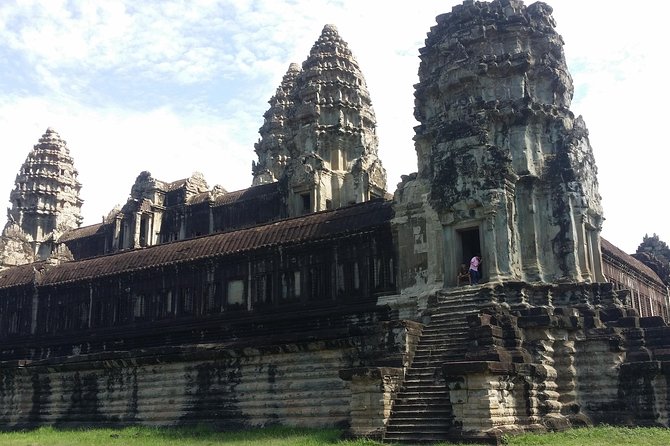
Eastern Mebon receives 40 minutes. This 10th-century temple was built during the reign of King Rajendravarman on what was once an artificial island in the now-dry East Baray.
Its former island setting is important. The surrounding water is gone, but the temple’s position helps you understand how Angkor’s reservoirs shaped royal building projects. The stop also brings an earlier period into a route otherwise heavily focused on Jayavarman VII’s temples.
Forty minutes should give you enough time to walk through the main area, see the layout, and take in the stonework without turning the stop into a tiring lecture. By this point on day two, the varied schedule matters. You have already seen large monuments, detailed carving, and water-linked architecture, so Eastern Mebon broadens the picture.
Phnom Bakheng closes the second day with a sunset view
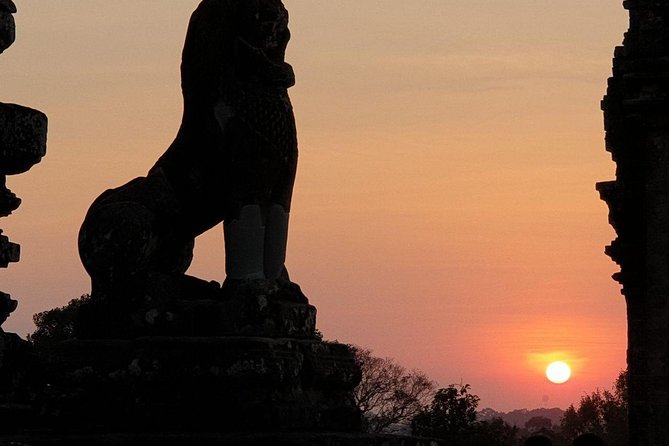
The final stop is Phnom Bakheng, a temple mountain dedicated to Shiva and built near the end of the ninth century during the reign of King Yasovarman. About one hour is planned here.
The tour overview places sunset at Phnom Bakheng on the second evening. That gives the two days a pleasing shape: sunrise at Angkor Wat first, sunset from a hilltop temple at the end.
The schedule does not promise a particular viewing platform, crowd level, or guaranteed sunset conditions. Weather can change the view, and access conditions at a popular sunset site may affect how much time you get in the best position. Treat the stop as a scenic finish, not a guarantee of a perfect sky.
The hilltop location also means you should wear practical footwear and keep your clothing respectful. Angkor requires shoulders and knees to be covered, and a real dress scarf is not accepted as a substitute. Plan your clothing before leaving the hotel rather than trying to improvise at the gate.
What the $134 price really covers
At $134 per person, this is not the cheapest way to see Angkor, especially after adding the $62 three-day pass. Your effective sightseeing cost becomes $196 per person before meals, drinks, tips, and travel insurance.
The price is easier to justify if you value a private vehicle, hotel pickup and drop-off, an English-speaking guide, bottled water, and a route that covers many major temples over two days. You are also paying for planning. The route connects the central temples with Banteay Srei and several smaller sites that can be harder to organize on your own.
The value drops if you want a slow schedule with long café breaks or independent wandering. This is a busy program with many stops. You will see a lot, but you will also spend substantial time walking, getting in and out of the vehicle, and moving through large temple grounds.
Meals are not included, so budget for breakfast, lunch, and drinks. If your hotel provides breakfast, ask for a packed breakfast to eat after sunrise at Angkor Wat. Bottled water is supplied, which is a small but useful comfort in Siem Reap’s heat.
Who should choose this private Angkor plan?
I would recommend it to first-time visitors who want the principal Angkor temples explained in English and prefer not to arrange transport between widely separated sites. It also suits couples, families, and small groups who want their own vehicle rather than a shared coach.
It is a good match for photographers who want both sunrise and sunset, though the schedule may feel brisk if you need a long time at every viewpoint. It also suits history-minded visitors who appreciate seeing different building periods, from Eastern Mebon and Phnom Bakheng to the temples of Jayavarman VII.
I would be more cautious about recommending it to anyone with limited walking stamina. The program covers large sites over two days, and the listing says most people can participate, but it does not promise a reduced walking route or special accessibility arrangements.
The free cancellation policy allows a full refund when you cancel at least 24 hours before the local start time. Changes or cancellations inside that window are not accepted for a refund.
Should you book the two-day Angkor tour?
Book it if you want a private, well-packed introduction to Angkor with both sunrise and sunset built into the plan. The mix of Angkor Wat, Bayon, Ta Prohm, Banteay Srei, and smaller temples gives you more than a basic highlight loop, while air-conditioned transport and hotel pickup keep the long days manageable.
Before paying, add the $62 pass and your food and tip budget to the total. Confirm the pickup time, assigned guide, and exact sunset arrangements, then prepare clothing that covers your shoulders and knees.
For a first visit, I like this tour’s scope and structure. For a slower experience, you may prefer a shorter private plan with fewer temples. But if your priority is seeing a broad selection of Angkor in two days, this is a strong and practical choice.
FAQ
How long is the Angkor Wat sunrise and sunset tour?
The experience lasts approximately two days.
Is the tour private?
Yes. Only your group participates in the activity.
Is hotel pickup included?
Yes. Free pickup and drop-off are provided at city hotels.
Is transportation included?
Yes. Transportation is provided in an air-conditioned vehicle.
Is an English-speaking guide included?
Yes. A professional English-speaking tour guide is included. Guide Tann is specifically named in the tour information.
Is the Angkor Pass included in the price?
No. The three-day Angkor Pass costs $62 per person and is paid separately.
Can I buy the temple pass on the day of the tour?
Yes. The entrance fee can be purchased on the day just before sunrise, and Visa cards are accepted.
Are meals and drinks included?
No. Breakfast, lunch, and drinks are not included. Bottled water is included.
What clothing is required?
You must wear respectful clothing that covers your shoulders and knees. A real dress scarf is not accepted as a substitute.
Can I cancel for a full refund?
Yes, if you cancel at least 24 hours before the experience start time. Cancellations made less than 24 hours before the start time are not refunded.
More things to do after dark in Siem Reap
- Siem Reap Floating Village Kampong Phluk Sunset with Boat
★ 5.0 · 1,962 reviews - Full-Day Guided Sunset Tour of Angkor Wat
★ 5.0 · 1,507 reviews - Kompong Phluk Floating Village Half-Day Tour ( Morning / Sunset )
★ 5.0 · 1,494 reviews - Siem Reap: Full Day Angkor Wat Temple Experience with Sunset
★ 4.9 · 1,490 reviews
More Sunset Tours in Siem Reap
- Sunset tour of Kampong Phluk stilts home village on the Tonle Sap
★ 5.0 · 4,865 reviews - Angkor Wat Sunset Small Group Tour with Lunch Included
★ 5.0 · 3,059 reviews - Angkor 2-Day Sunset & Sunrise Small-Group Tour
★ 5.0 · 2,567 reviews - Siem Reap: Angkor Wat Sunrise or Sunset Guided Tour
★ 4.9 · 2,123 reviews
New around Siem Reap
- Kulen Mountain With Ticket included Plus Banteay Srei Temple Tour★ 5.0 · 7 reviews
- 2 Days Angkor temples with Sunrise & Sunset★ 5.0 · 7 reviews
- Private Siem Reap Airport Transfer to hotel in town★ 5.0 · 7 reviews
- 1-Day private Angkor Temple Tour with Sun Rise by Tuk Tuk from Siem Reap★ 4.5 · 7 reviews
- Siem Reap: Morning Cooking Class & Market Tour★ 5.0 · 7 reviews
- Kulen Mountain, Killing Fields and War Museum Tour★ 5.0 · 7 reviews
- War Museum, Killing Field, and APOPO Hero RATs Tour★ 5.0 · 7 reviews
- Half-Day: Silk Farm, Senteur Angkor, and Satcha Workshop★ 4.6 · 7 reviews
Angkor Wat Tours, compared.
Angkor Wat Sunrise or Sunset Tour with Guide from Siem Reap
Read our review →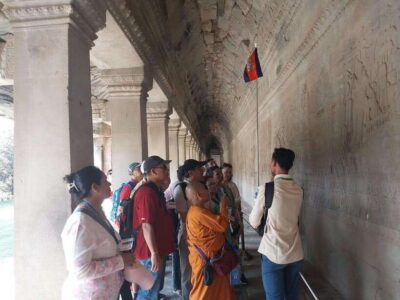
Angkor Wat: Small-Group Sunrise or Sunset Tour
Read our review →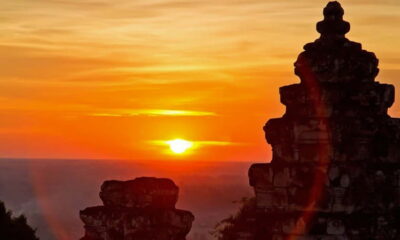
Angkor Wat Sunrise tour with Small – Group and Guide tours
Read our review →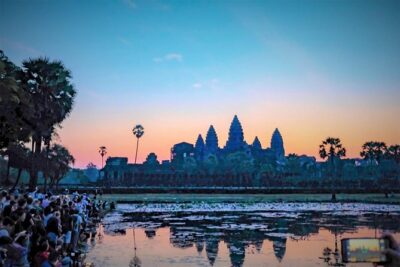
Angkor Wat Highlights and Sunrise Guided Tour from Siem Reap
Read our review →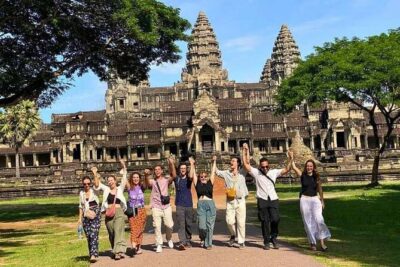
Angkor Wat Sunset Small Group Tour with Lunch Included
Read our review →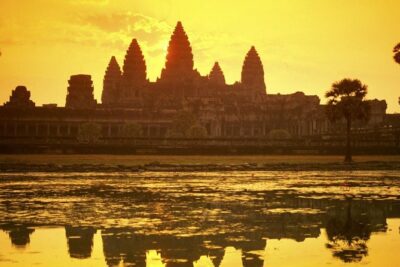
Full-Day Angkor Wat Sunrise Private Tour with Guide from Siem Reap
Read our review →
Angkor Wat Sunrise & 3 Main Temples with Breakfast – Small Group
Read our review →Browse the lists this tour appears in