
Reviewed · ANGKOR WAT TOURS
3-Days Private Angkor Wat Sunrise/Sunset Tours & Floating Village
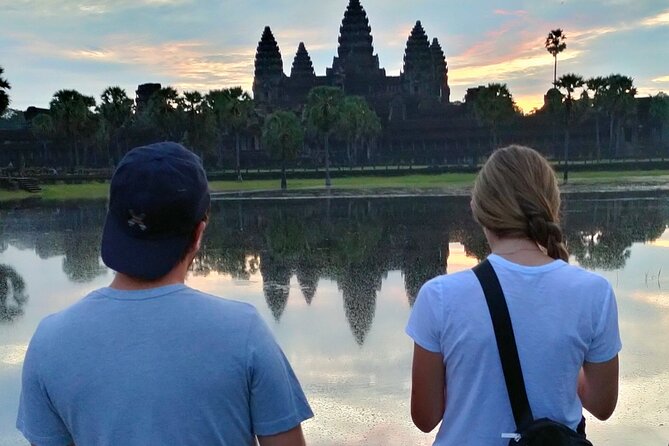
Angkor Wat is far better when you do not force the whole ancient city into one rushed morning. This private tour gives you time for the temple’s sunrise, the jungle-wrapped ruins of Ta Prohm, the carved faces of Bayon, and the fishing community of Kampong Phluk. I especially like the three-day pace and the private guide with photography help.
The main catch is the extra cost of admission. The $370 group price sounds tidy, but a two-person booking adds $100 each for the Angkor pass, plus fees for Beng Mealea and Kampong Phluk. Also, day three begins before sunrise and includes a long drive, so you should be ready for an early start and a full final day.
Key points to know before booking
- Three days instead of one: The schedule spreads Angkor’s major temples across several days, giving you more time to look closely at carvings and ruins.
- Private air-conditioned transport: Your group travels by private SUV or minivan, with hotel pickup, fuel, parking, tolls, cold water, and wipes included.
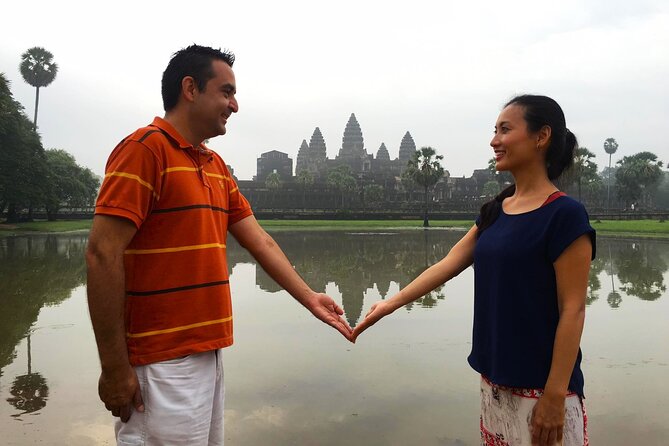
- Strong photo focus: The guide is also described as a photographer, with practical help for sunrise, sunset, and temple pictures.
- Sunrise and sunset included: You visit Angkor Wat at sunrise on day three and Phnom Bakheng for sunset on day one.
- Beng Mealea adds adventure: This partly ruined jungle temple sits about 68 kilometers away and involves three hours at the site.
- Fees are not all included: The three-day Angkor pass costs $50 per person. Beng Mealea costs $12 per person, and Kampong Phluk costs $20 per person.
Why three days works better at Angkor
Angkor is not one temple. It is a huge former capital filled with religious monuments, gates, terraces, reservoirs, roads, and forest. Trying to see the headline sites in a single day can leave you with plenty of photographs but little sense of how the city fits together.
This itinerary spreads the visits over three days. Day one covers the essential central monuments. Day two moves through the eastern temples and out to Banteay Srei. Day three combines a second look at Angkor Wat with the remote ruins of Beng Mealea and a boat visit to Kampong Phluk.
That structure gives you room to stop for carvings, ask questions, and take photographs without treating every temple as a quick photo stop. It is still a busy program, but it is less punishing than a one-day circuit.
Your guide travels with you in a private air-conditioned SUV or minivan. That matters in Siem Reap, where heat, dust, and repeated climbs can wear you down. Hotel pickup and drop-off are included, as are gasoline, parking, toll roads, cold water, and wipes.
The guide is described as a professional historian and photographer. No individual guide name is provided, so you cannot request a named guide from the information available. The photography angle is useful if you want help with framing or timing, and one review specifically praised the photo tips and assistance with getting better pictures.
More Angkor Sunrise Tours in Siem Reap:
- Angkor Wat Sunrise or Sunset Tour with Guide from Siem Reap
★ 5.0 · 12,109 reviews - Angkor Wat Sunrise tour with Small – Group and Guide tours
★ 5.0 · 3,655 reviews - Full-Day Angkor Wat Sunrise Private Tour with Guide from Siem Reap
★ 5.0 · 2,920 reviews
Day one: Angkor Wat, Ta Prohm, and the royal city
The first morning begins with hotel pickup at 8:30 am. The first practical stop is to buy the three-day Angkor temple pass, which costs $50 per person and is not included in the tour price.
Angkor Wat follows. Built in the early 12th century, it is the largest religious monument in the world and the main reason many people come to Siem Reap. The planned visit lasts about three hours, giving you time to see the major galleries, towers, courtyards, and carved walls.
The temple is not only a grand silhouette for photographs. Its bas-reliefs and long galleries reward slow looking. A good guide can help you understand the stories and symbols rather than leaving you to wander from one famous view to the next.
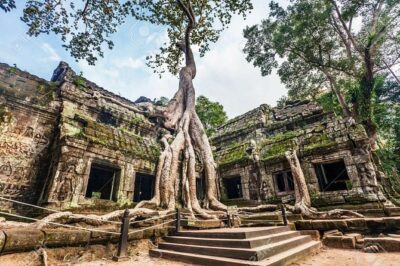
After Angkor Wat, you continue to Ta Prohm. Allow about an hour here. Its fame comes from the way tree roots and vegetation have grown through the stone, leaving the monument in a partly ruined state.
Ta Prohm is the Tomb Raider temple, but the film connection is only part of its appeal. The site shows what happens when architecture and forest occupy the same space. It can also be one of the most crowded stops, so a private tour does not mean you have the ruins to yourself. What it does give you is control over your pace and the chance to move on when you have seen enough.
After a lunch break, the route enters Angkor Thom, the ancient city built in the late 12th century. The program lists South Gate, Bayon, Baphuon, the Terrace of the Elephants, and the Terrace of the Leper King. These are separate stops, but they belong to one large royal complex.
Bayon is scheduled for about 45 minutes. Its defining feature is the collection of large carved faces looking out from the towers. The faces create a strange, watchful feeling as you walk among the narrow passages and stacked stone levels.
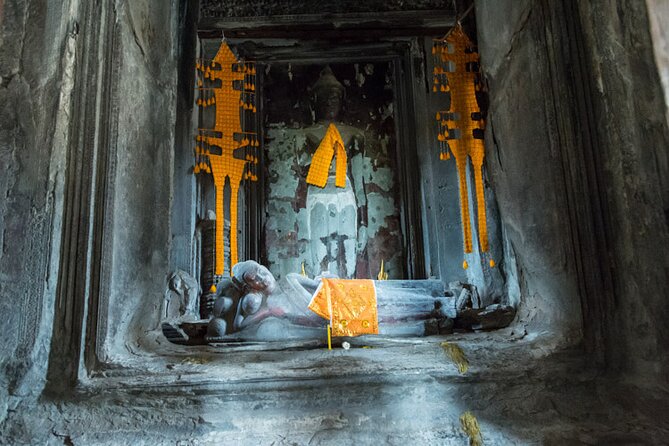
Baphuon receives another 45 minutes. This tall Hindu temple can be climbed to the upper levels, subject to the site’s access rules. From above, you get a calmer view over the surrounding area. The rear of the temple also contains a large reclining Buddha shape formed from later stonework.
The Terrace of the Elephants takes about half an hour. It once formed part of a ceremonial arena and is decorated with elephant carvings and other scenes connected with royal display. It is a good place to think about Angkor as a functioning capital, not just a collection of isolated ruins.
The Terrace of the Leper King is a shorter 20-minute stop. Its high reliefs include serpent imagery and tightly packed carved figures. The name comes from a statue associated with the local story of a leper king, not from a clear description of the original purpose of the terrace.
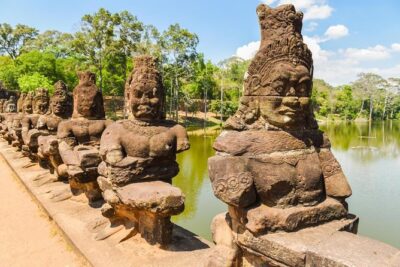
The South Gate is planned as a 15-minute visit. It is one of Angkor Thom’s most memorable entrances, with rows of gods and demons pulling on a serpent in a symbolic tug of war. Massive stone faces watch from the gate structure.
The day ends at Phnom Bakheng, with about an hour for the temple and sunset view. This late ninth-century Hindu temple is older than the main Angkor Wat complex. Its hilltop position offers views toward Angkor Wat and nearby monuments.
Sunset access can be popular, and the climb can feel tiring after a full day of temples. Still, the stop gives day one a clear finish and a change from close-up stonework to a wider view.
Day two: quiet eastern temples and Banteay Srei
Day two begins with Preah Khan, a large Buddhist temple dedicated to the king’s father. Give it about an hour. The site combines long corridors, courtyards, carved details, and vegetation that has returned around the stone.
Preah Khan can feel more spacious than the headline temples, although its size means you should pay attention to the route. The private format helps here because your guide can point out details you might otherwise pass without noticing.
Next comes Neak Pean, reached by a long wooden bridge across the ancient reservoir known as Jayatataka. The temple is associated with healing water and was once linked to the idea of a hospital. The planned visit lasts about 50 minutes.
The bridge is part of the experience. Neak Pean itself is compact, and the approach gives the stop a different rhythm from the enclosed temple corridors. Water levels and weather can affect the appearance of the setting, so keep expectations flexible.
Ta Som follows for about 40 minutes. This 13th-century Buddhist temple is smaller than Preah Khan, but it has one of the area’s most appealing tree-and-stone scenes. A tree has grown over the east gate, framing the carved faces and creating a memorable photograph.
Eastern Mebon is next, with around 45 minutes. This brick-and-sandstone temple once stood on an island in the Eastern Baray reservoir. The reservoir has since dried, and villages and rice fields now occupy the surrounding area.
The eight elephant statues are the main visual draw. Their placement around the temple helps you read the monument as a carefully planned religious island, even though the water is gone.
Pre Rup comes after Eastern Mebon, with roughly 50 minutes. This 10th-century brick temple was dedicated to Shiva and has a strong vertical shape, with five main towers still visible. You can climb toward the upper level for views and a better sense of the temple’s layered design.
The brickwork is especially interesting here. Pre Rup feels older and more severe than the later Buddhist temples, and the warm color of the stone can look different as the light changes.
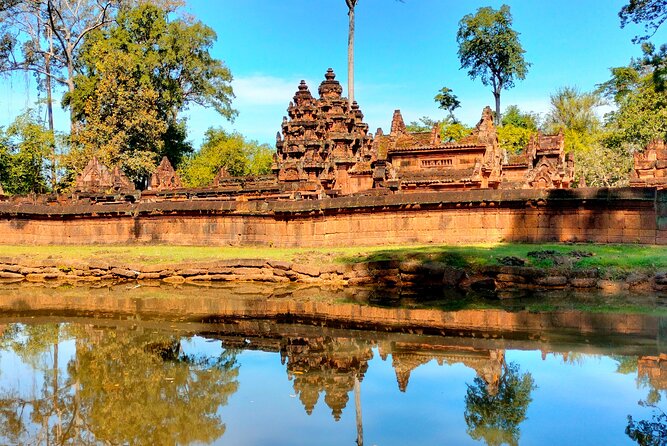
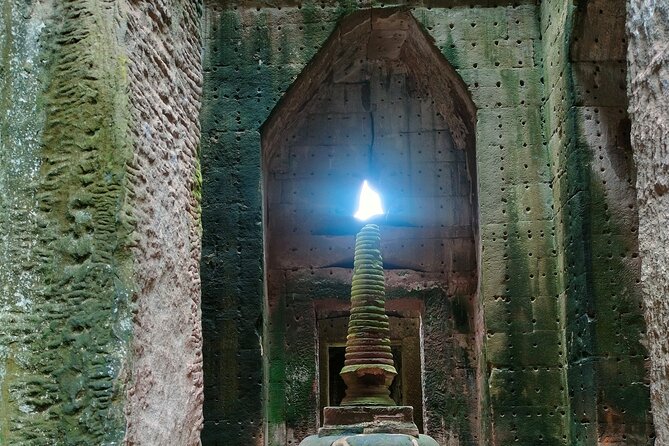
The final stop is Banteay Srei, about 40 minutes from the main Angkor area and scheduled for two hours. This small pink sandstone temple is famous for unusually fine carvings and detailed decoration.
Banteay Srei is not large, so the two-hour allowance is generous compared with the shorter stops. That is useful if you like to study reliefs closely or take time with photographs. It is also a reminder that size does not determine artistic interest.
The long drive each way makes this a substantial day. If you prefer only short transfers, Banteay Srei may feel like a detour. If you want a different style of carving and a temple outside the central circuit, the drive earns its place.
Day three: sunrise, Beng Mealea, and life on Tonle Sap
Day three begins before sunrise. You return to Angkor Wat for about two hours, aiming to see the temple in early golden light and, when conditions cooperate, reflected in the water.
This is one of the tour’s strongest features, but it requires discipline. Breakfast is not included, and the listed start time for the first day does not describe the exact pickup time for the sunrise morning. Confirm that detail when booking and arrange your own breakfast plan.
Seeing Angkor Wat at sunrise also gives you a second look at a monument you first visited during daylight. The changing light can make familiar towers and galleries feel different. Weather controls the quality of the sunrise, and the tour states that poor weather may lead to a new date or a full refund.
After sunrise, the route travels about 68 kilometers to Beng Mealea. The temple visit lasts around three hours. The entrance fee is separate at $12 per person.
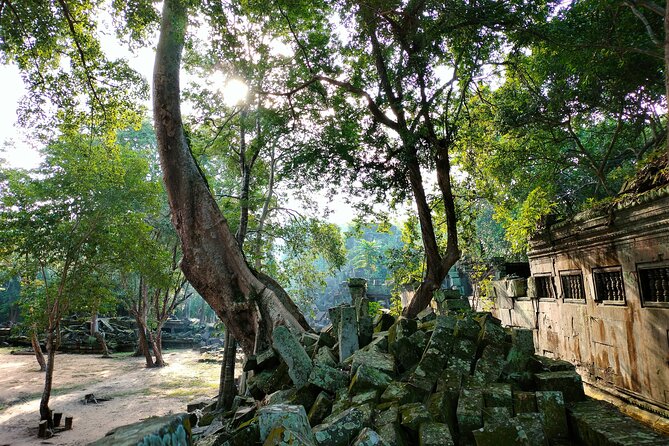
Beng Mealea is known for its collapsed stone, vegetation, and less restored appearance. You walk over and around rubble, which gives the stop a more exploratory feel than the carefully organized central temples. The site is a good match for anyone who prefers broken walls and forest growth to polished viewpoints.
That rougher setting also means you should take the physical demands seriously. The tour calls for moderate fitness, and uneven ground can make three hours here tiring. Wear secure shoes and use care around the ruins.
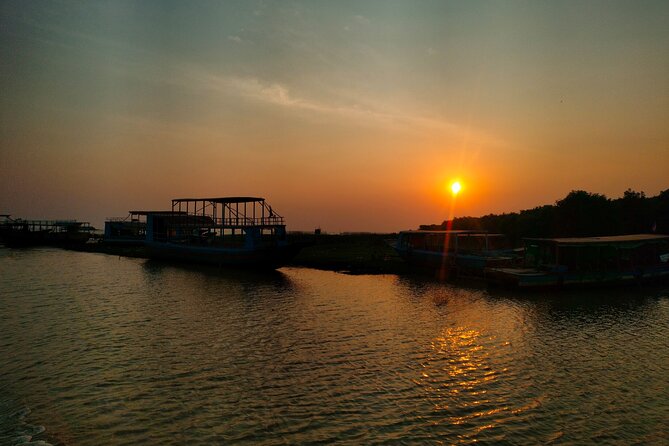
The last stop is Kampong Phluk, a fishing village on Tonle Sap. The visit lasts about three hours and includes the entrance fee. The village includes homes, a pagoda, schools, rice fields, cattle, mangrove forest, and water-based livelihoods.
This adds a human dimension to the temple program. You are not only looking at royal buildings from centuries ago. You are also seeing a community shaped by the lake and its changing water conditions.
Kampong Phluk is called a floating village in the tour title, but the description also refers to a fishing village on the bank of Tonle Sap. That distinction matters because water levels and the season can affect what you see. The outing is more than a quick boat photograph, with enough time to observe the village and surrounding mangrove areas.
The final day packs a lot together. Sunrise, a long road transfer, three hours at Beng Mealea, and three hours at Kampong Phluk can make it the most tiring part of the experience. In exchange, you see three very different sides of Cambodia in one day: monumental architecture, overgrown ruins, and present-day lake life.
More Angkor Wat Tours in Siem Reap:
- Siem Reap: Angkor Wat: Small-Group Sunrise or Sunset Tour
★ 5.0 · 9,444 reviews - Siem Reap: Angkor Wat 2-Day Tour with Sunrise and Sunset
★ 4.9 · 4,429 reviews - Siem Reap: Full-Day Angkor Wat Guided Tour with Sunset
★ 4.9 · 3,803 reviews - Angkor Wat Highlights and Sunrise Guided Tour from Siem Reap
★ 5.0 · 3,213 reviews
What the $370 group price really buys
The advertised price is $370 for a private group of up to 12 people. That is a reasonable structure for a larger family or friend group because the base cost is shared. For two people, the price per person is much higher.
The main inclusions are valuable: private transportation, hotel pickup and drop-off, a professional historian and photographer guide, fuel, parking, toll roads, cold water, and wipes. You are paying for a dedicated vehicle and guide rather than joining a fixed bus route.
Budget separately for these required fees:
- Three-day Angkor temple pass: $50 per person
- Beng Mealea entrance: $12 per person
- Kampong Phluk entrance: $20 per person
- Breakfast, lunch, dinner, and soft drinks
For two people, the known tour and entrance costs come to $534 before meals. For a full group of 12, they total $1,354 before meals. That makes the tour much better value for a group than for a solo visitor or couple, although the private format still has advantages for couples who care about timing and personal attention.
The package includes lunch breaks in the schedule, but not the meals themselves. Plan your food budget and ask how meal stops are handled before departure.
Clothing, walking, and daily comfort
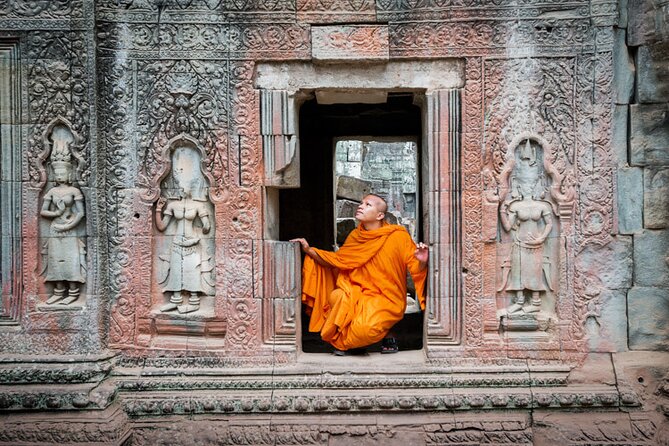
The dress guidance is strict because the itinerary includes active places of worship. Knees and shoulders must be covered for men and women, and shorts or sleeveless tops may lead to refused entry.
The information also lists both formal and smart-casual dress. In practical terms, choose modest clothing that covers your shoulders and knees, works in hot weather, and allows you to walk and climb. Bring footwear suited to uneven surfaces, especially for Beng Mealea and the upper levels of Baphuon and Pre Rup.
A moderate fitness level is required. You do not need to be an athlete, but three days of temple walking, steps, heat, and an early sunrise can be demanding. The private vehicle helps because you can return to air conditioning between sites.
The tour offers mobile tickets and confirmation at booking. Pickup is offered from your hotel, with the listed meeting time at 8:30 am for the first day. Because day three starts before sunrise, confirm the exact pickup time for that morning.
Who will get the most from this tour
I would choose this for a first visit to Siem Reap if you want the main Angkor temples plus several sites beyond the standard loop. The private setup suits families, small groups, and anyone who wants a guide to adjust explanations and photo stops to the group.
It also works well for people who care about pictures. The sunrise at Angkor Wat, sunset at Phnom Bakheng, tree-covered Ta Prohm, tree-framed Ta Som, and pink sandstone Banteay Srei give you varied subjects. The guide’s photography role is a useful extra, especially if you want help with composition.
This is less suitable if you dislike early mornings, long drives, uneven ground, or tightly packed sightseeing days. It is also not the cheapest option for one or two people once admission fees are added.
The 4.8 rating from 27 reviews and 96 percent recommendation indicate a strong overall response. The clearest praise centers on dependable service, photo assistance, and a guide who explains the temple engineering and history well. Those are the qualities I would value most here, since they affect the experience at every stop rather than only one viewpoint.
Should you book the three-day Angkor tour?
Book it if you want a private vehicle, a guide focused on history and photographs, and a wide itinerary that reaches beyond Angkor Wat. The three-day plan is the key advantage. You get sunrise, sunset, major temples, Banteay Srei, Beng Mealea, and Kampong Phluk without trying to force every stop into one day.
Before paying, check the exact sunrise pickup time, confirm how lunch stops work, and add all entrance fees to your budget. If you are traveling with several people, the $370 group rate becomes much more attractive.
Skip it if you want a slow, unstructured holiday or only care about the central temples. For most first-time visitors with three full days in Siem Reap, though, this is a well-rounded private plan with enough variety to justify the long final day.
FAQ
How much does the private tour cost?
The tour costs $370 per group for up to 12 people. This does not include the Angkor temple pass, Beng Mealea admission, Kampong Phluk admission, or meals and drinks.
How much are the required entrance fees?
The three-day Angkor Park admission costs $50 per person. Beng Mealea costs $12 per person, and Kampong Phluk costs $20 per person.
Is hotel pickup included?
Yes. Hotel pickup and drop-off are included, with the listed first-day start time at 8:30 am.
Is transportation private?
Yes. Your group travels in a private air-conditioned SUV or minivan, and only your group participates in the activity.
Is the guide also a photographer?
The tour includes a professional historian and photographer guide. Photography tips and help with taking better pictures are part of the experience.
Are meals included?
No. Breakfast, lunch, dinner, soft drinks, and other meals are not included.
What should I wear to the temples?
You must cover your knees and shoulders. Shorts and sleeveless tops are not allowed at places of worship and selected museums, and entry may be refused if you do not follow the dress rules.
Can I cancel for a refund?
You can cancel at least 24 hours before the start time for a full refund. Changes or cancellations made less than 24 hours before the experience are not accepted for a refund. If poor weather causes the tour to be canceled, you will be offered another date or a full refund.
More Sunset Tours in Siem Reap
- Sunset tour of Kampong Phluk stilts home village on the Tonle Sap
★ 5.0 · 4,865 reviews - Angkor Wat Sunset Small Group Tour with Lunch Included
★ 5.0 · 3,059 reviews - Angkor 2-Day Sunset & Sunrise Small-Group Tour
★ 5.0 · 2,567 reviews - Siem Reap: Angkor Wat Sunrise or Sunset Guided Tour
★ 4.9 · 2,123 reviews
More Floating Village Tours in Siem Reap
- From Siem Reap: Kampong Phluk Floating Village Tour by Boat
★ 4.9 · 6,979 reviews - Siem Reap: Kampong Phluk Floating Village Tour with Boat
★ 4.9 · 3,843 reviews - Siem Reap Floating Village Kampong Phluk Sunset with Boat
★ 5.0 · 1,962 reviews - Kompong Phluk Floating Village Half-Day Tour ( Morning / Sunset )
★ 5.0 · 1,494 reviews
New around Siem Reap
- Kulen Mountain With Ticket included Plus Banteay Srei Temple Tour★ 5.0 · 7 reviews
- 2 Days Angkor temples with Sunrise & Sunset★ 5.0 · 7 reviews
- Private Siem Reap Airport Transfer to hotel in town★ 5.0 · 7 reviews
- 1-Day private Angkor Temple Tour with Sun Rise by Tuk Tuk from Siem Reap★ 4.5 · 7 reviews
- Siem Reap: Morning Cooking Class & Market Tour★ 5.0 · 7 reviews
- Kulen Mountain, Killing Fields and War Museum Tour★ 5.0 · 7 reviews
- War Museum, Killing Field, and APOPO Hero RATs Tour★ 5.0 · 7 reviews
- Half-Day: Silk Farm, Senteur Angkor, and Satcha Workshop★ 4.6 · 7 reviews
Angkor Wat Tours, compared.
Angkor Wat Sunrise or Sunset Tour with Guide from Siem Reap
Read our review →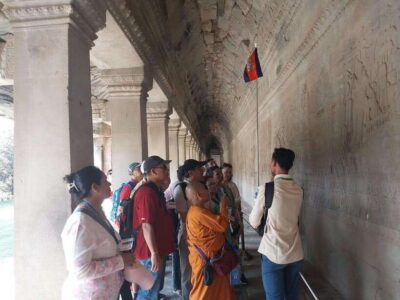
Angkor Wat: Small-Group Sunrise or Sunset Tour
Read our review →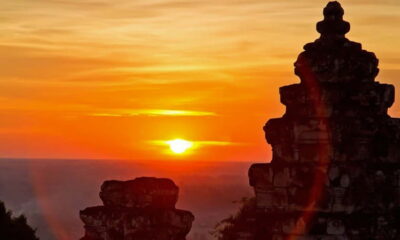
Angkor Wat Sunrise tour with Small – Group and Guide tours
Read our review →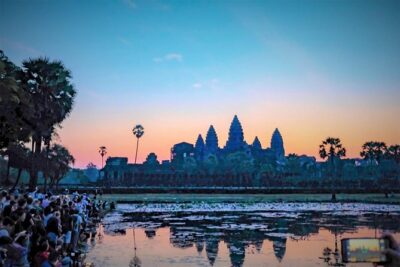
Angkor Wat Highlights and Sunrise Guided Tour from Siem Reap
Read our review →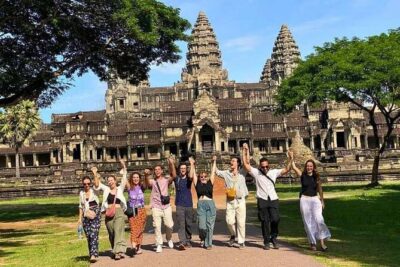
Angkor Wat Sunset Small Group Tour with Lunch Included
Read our review →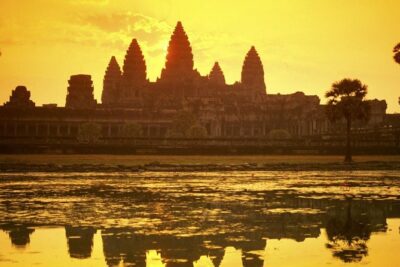
Full-Day Angkor Wat Sunrise Private Tour with Guide from Siem Reap
Read our review →
Angkor Wat Sunrise & 3 Main Temples with Breakfast – Small Group
Read our review →Browse the lists this tour appears in