
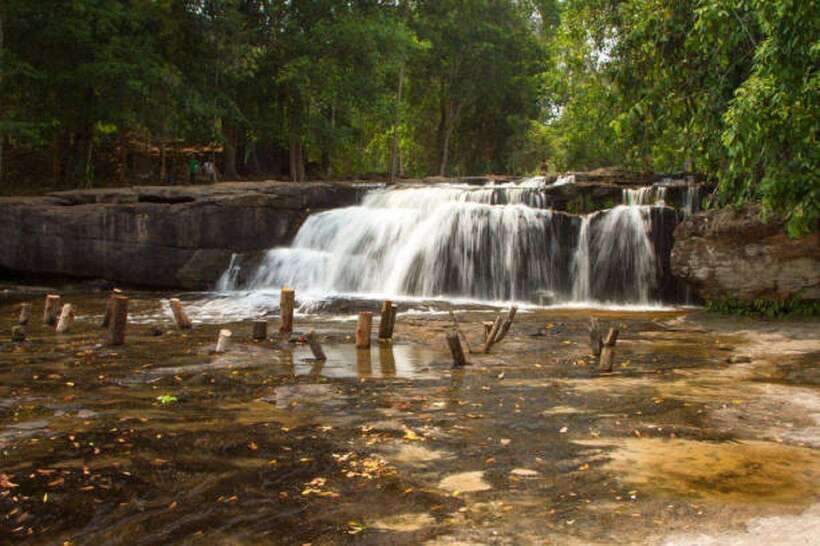
Reviewed · KULEN MOUNTAIN TOURS
Siem Reap: Kulen Waterfall by Private Tour
Phnom Kulen is where Cambodia’s Khmer Empire began, and this full-day trip brings together its most striking sights: ancient carvings in a riverbed, hilltop ruins, a huge reclining Buddha, and a waterfall where you can swim. The mountain also remains important to both Hindu and Buddhist worshippers.
I like the way this tour joins archaeology with nature, rather than giving you another temple-only day around Siem Reap. I also like the village stop, where palm sugar production gives you a small look at everyday rural work. The main drawback is the extra cost: the tour is $65 per person, but the national park entry fee adds $20, and lunch is not included.
Key points to know before you go
- The 1000 Lingas sit in a riverbed, where carved symbols remain tied to the sacred role of the water.
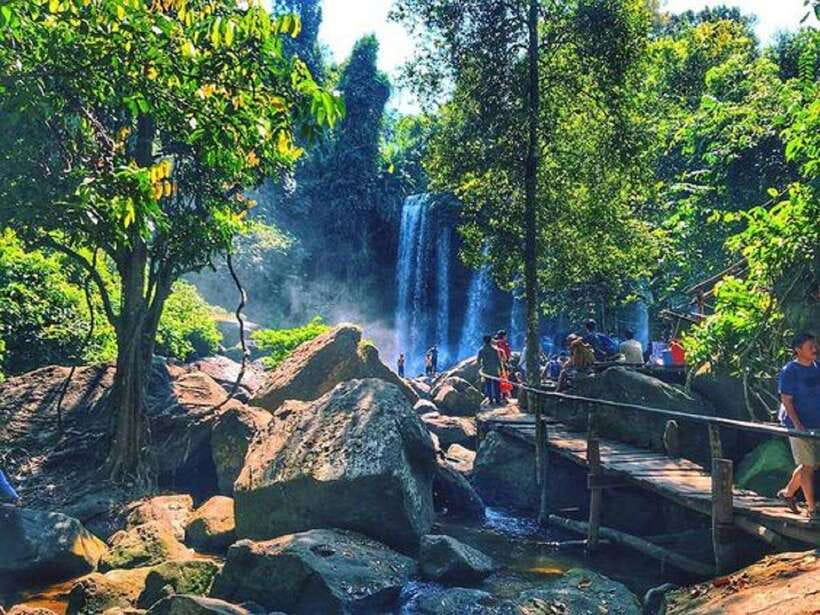
- Kulen Waterfall is the day’s refreshing reward, with time set aside for swimming.
- Guide Lok can add personal depth, explaining Cambodian history and how it shaped his own life.
- The road trip lasts about nine hours, so expect a full day outside Siem Reap.
- The Cambodia Landmine Museum is an optional extra stop, worth considering if you want a more serious look at Cambodia’s recent past.
- The $20 park fee is separate, and you should bring money for lunch and personal expenses.
Why Kulen Mountain is worth a full day from Siem Reap
Many people base their temple days around Angkor, but Phnom Kulen gives you a different piece of Cambodia. This is the mountain traditionally linked with the beginning of the Khmer Empire, and its importance is not only archaeological. Hindus and Buddhists both regard the area as sacred, so the ruins and carvings are part of a living religious setting, not simply old stones in the forest.
The journey from Siem Reap takes much of the day. That matters because Kulen is not a quick side trip you can squeeze between two Angkor temples. You leave in the morning, spend several hours moving between sites, swimming, and walking, then return to town later.
I think the best reason to choose this trip is its variety. In one day, you see stone quarries, river carvings, temples, a religious statue, a waterfall, and a village producing palm sugar. The sights are connected by the mountain, but each stop feels different.
The tour uses an air-conditioned car or van, with hotel pickup and return in Siem Reap. Water and a cold towel are included, which will be welcome after time outside. You should wait in your hotel lobby about 10 minutes before the scheduled pickup.
More Kulen Mountain Tours in Siem Reap:
- Kulen Waterfall Join-in Tour (local Picnic lunch)
★ 5.0 · 2,434 reviews - Kulen Mountain: Small-Group Tour and Picnic lunch
★ 4.9 · 1,802 reviews - Siem Reap: Kulen Mountain, Beng Mealea and Tonle Sap Tour
★ 5.0 · 1,483 reviews
The stone quarry and the work behind the temples
The first stop is a quarry where stones were cut for temple construction in the area. It is not as famous as the waterfall or the reclining Buddha, but it helps you understand the scale of Khmer building work.
When you see a completed temple, it is easy to focus only on carvings and towers. A quarry shifts your attention to the hard physical work behind those monuments. Stone had to be found, cut, shaped, and moved before an architect or sculptor could create anything.
This is a short but useful opening stop because it gives the rest of the day some context. Ask your guide how the stone relates to the temples you will see later. The English-speaking guide is there to explain the sites, and a personal guide can make a simple quarry visit more meaningful than a quick photo stop.
Do not expect a polished museum or a long formal presentation here. The value is in seeing the source of the building material and beginning to picture how the mountain supported Khmer construction.
Reading the 1000 Lingas in the river
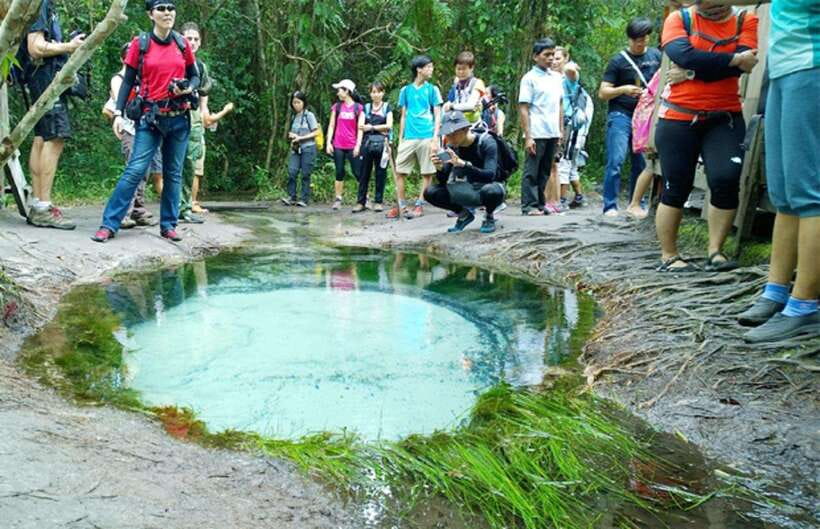
The 1000 Lingas are the archaeological centerpiece of the first half of the trip. They are carved into the riverbed, where water passes over or around the sacred symbols. This is an unusual site because the river itself is part of the setting. You are not looking at carvings displayed behind glass. You are seeing them where they were made to function.
The linga is associated with the Hindu god Shiva, and its placement in the water gives the site religious meaning. Your guide can explain how the river and carvings fit together, while the low, worn forms ask you to look closely rather than expect a towering monument.
The site is especially valuable if you have already seen the grand temples of Angkor. Angkor’s scale can be overwhelming. Here, the focus is smaller and more intimate: stone, water, symbols, and the natural setting around them.
Wear shoes that can handle a walk over uneven ground. Comfortable footwear is listed as essential, and that advice applies throughout the day. You should also protect your phone or camera around the river and waterfall areas. The tour provides water, but you still need to bring anything else you personally require.
More than 30 ruins on the sacred hilltop
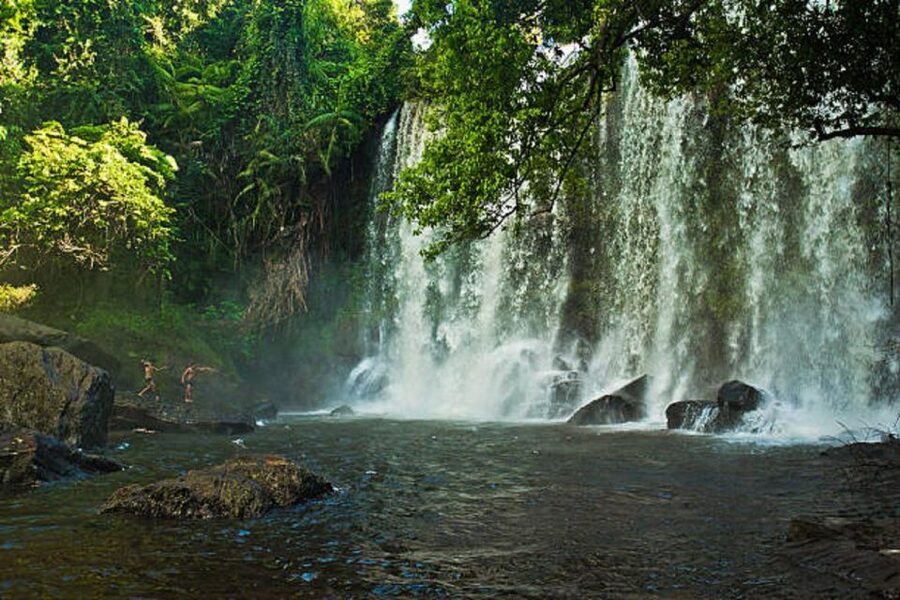
The next section takes you up to a sacred hilltop with more than 30 temple ruins. That number gives you an idea of the area’s importance, but do not picture a single, fully restored temple complex. You will find broken structures, scattered remains, and a sense of an old religious center spread across the hill.
The ruins are interesting because they feel less arranged for easy sightseeing than the best-known Angkor sites. You may need to pay attention to your guide’s explanation to understand what you are seeing. Without that context, some of the stones can look like a random pile of weathered blocks.
This is one reason the private format has value. A guide can adjust the pace and answer questions as you move among the remains. The tour is described as private, while one booking experience also describes a small group and a personable guide, so group arrangements may vary. If having the vehicle entirely to yourself is important, confirm that point before booking.
The hilltop also adds a physical element to the day. Comfortable clothes and shoes are more useful than smart sightseeing clothes. Pregnant women are advised not to take this activity, and anyone who dislikes long days with walking and uneven ground should consider that warning carefully.
More Waterfall Tours in Siem Reap:
- Phnom Kulen Waterfall & the Sacred 1000 Lingas (with Lunch)
★ 4.8 · 974 reviews - Guided Small-Group Tour in Kulen Mountain Park Waterfall
★ 5.0 · 480 reviews - Kulen Mountain Waterfall Tour with Picnic Lunch from Siem Reap
★ 5.0 · 238 reviews - Kulen Waterfall & 1000 Linga River Small-Group Tours
★ 5.0 · 234 reviews
The reclining Buddha at Phnom Kulen
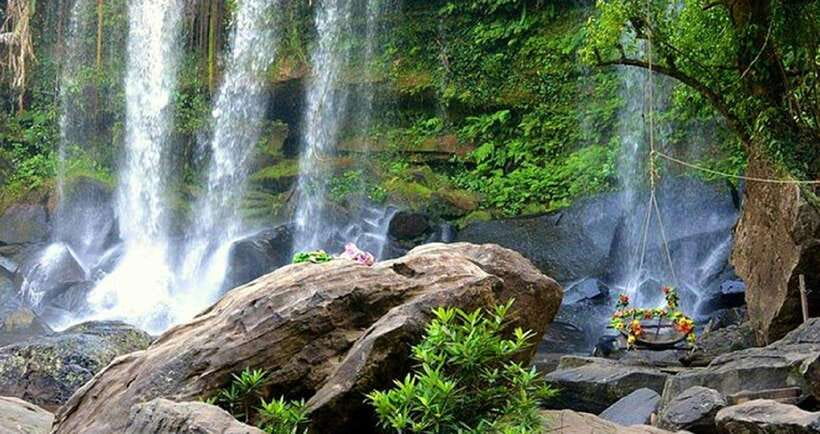
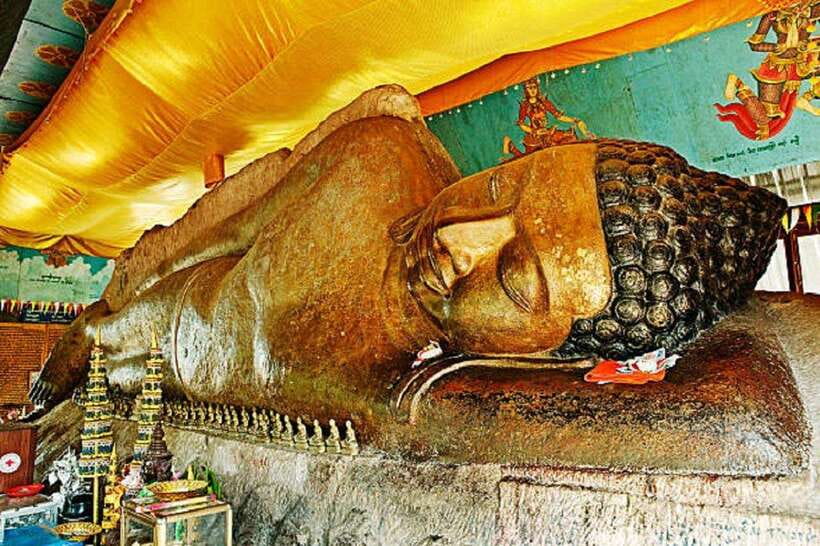
A large reclining Buddha is another major stop on the hill. The statue is a powerful change of mood from the Hindu carvings at the river. Phnom Kulen’s religious importance crosses traditions, and this statue makes the Buddhist side of the mountain clear.
Take time to notice the way the statue is placed within the sacred hilltop setting. The visit is not just a chance to photograph a large figure. It shows how the mountain continues to serve as a place of worship and pilgrimage.
Your guide can help explain the difference between the various religious sites. That explanation is useful because the day moves between Hindu symbols, Buddhist worship, old temple remains, and natural water sites. The mountain makes more sense when you see these parts together.
The route can feel demanding by this point. You have already traveled from Siem Reap and visited several stops. Keep some energy for the waterfall, which is usually the most physical and playful part of the day.
Swimming at Kulen Waterfall
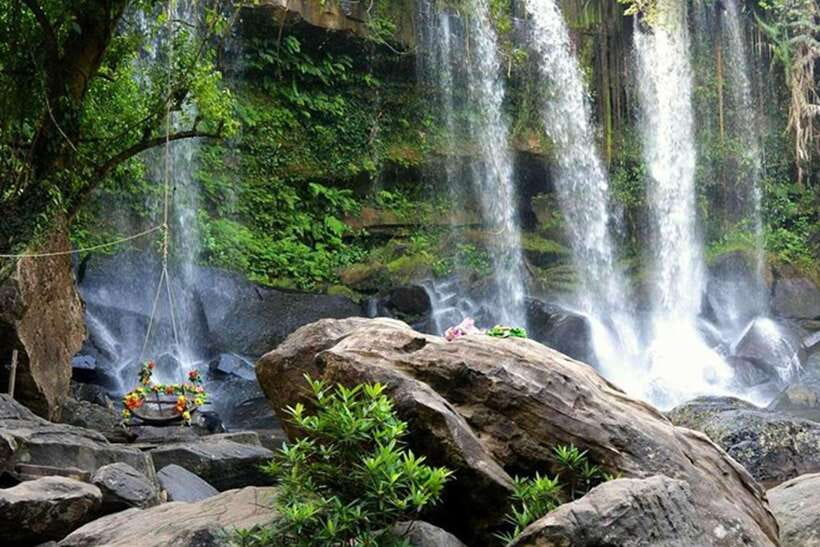
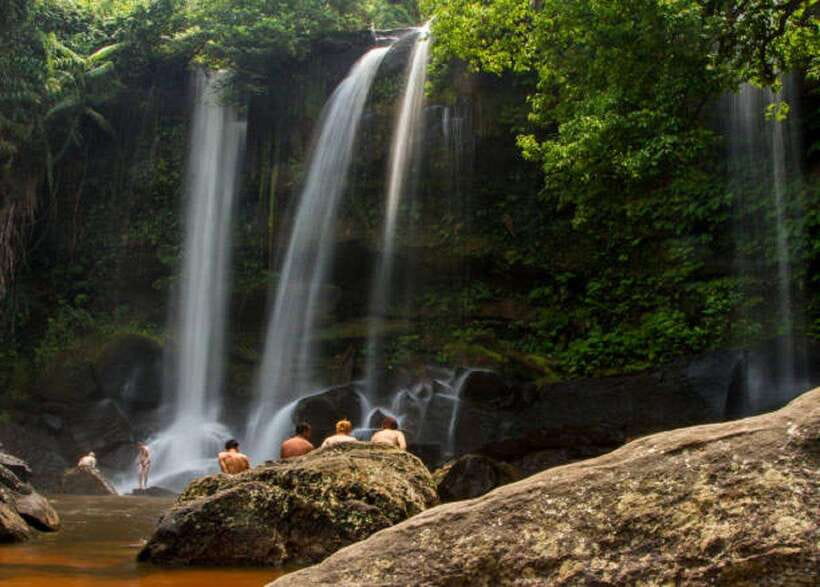
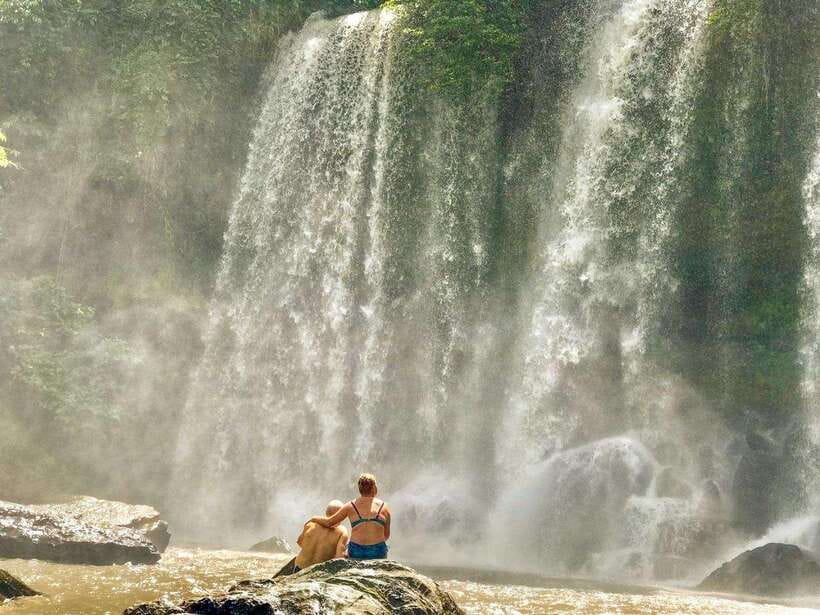
Kulen Waterfall is the stop that breaks up the history and walking. You trek to the falls, then have the chance to swim in the water. After a warm day outdoors, this is a practical pleasure, not just another viewpoint.
Bring comfortable clothes that work for getting wet, and pack whatever dry clothing you need for the ride back. The supplied information specifically asks you to bring comfortable clothes and shoes, but it does not state that towels or changing facilities are included. The cold towel provided by the tour is helpful, though you should not assume it replaces a swim towel.
The waterfall is also where the tour becomes less structured. You can cool off and enjoy the setting instead of listening to another historical explanation. If swimming is important to you, check the available timing with your guide on the day, since the overall schedule includes several stops and a long return journey.
The main limitation is that the waterfall will not satisfy every kind of visitor. If you want only major monuments and air-conditioned sightseeing, the trek and swim may feel like extra effort. If you like mixing culture with outdoor time, it gives the day a welcome change of pace.
A palm sugar village on the way home
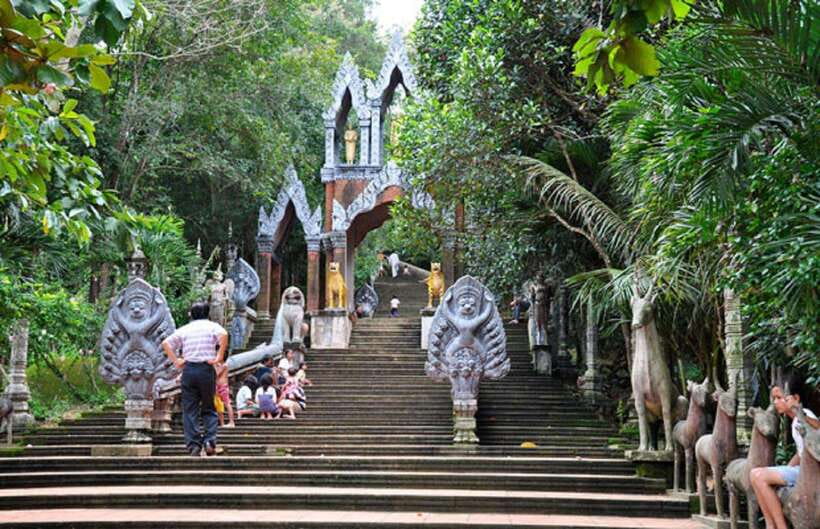
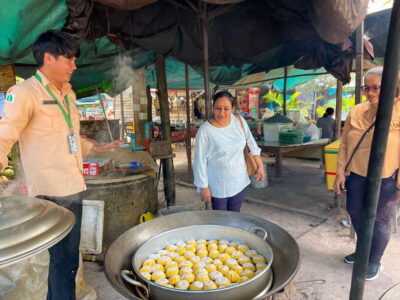
The stop at a local palm sugar village is brief, but it may be one of the most useful parts of the tour for anyone interested in daily life beyond the major sights. Palm sugar is made from the sap of palm trees, and seeing the process connects the rural setting to a real source of food and income.
This is not a grand attraction with layers of interpretation. That is precisely its appeal. You get a small window into local production, rather than spending the entire day around ancient monuments. Ask questions about how the sugar is prepared and sold, and take the chance to observe rather than rush through it.
The village stop also makes the return trip feel less like a simple drive back to Siem Reap. You finish with a modern rural scene after spending the day among ancient sacred sites. For me, that contrast is a strong part of the tour’s value.
Do not expect a long shopping visit unless the guide explains otherwise. The information describes it as a quick stop, so treat it as a short cultural visit, not the main event.
Should you add the Cambodia Landmine Museum?
The Landmine Museum is an optional final stop. It is not part of the essential Kulen route, but it can give the day a more serious connection to Cambodia’s recent past.
One guide named Lok is described as warm and open, with a willingness to explain Cambodia’s history and how it shaped his own life. At a visitor’s request, he added the Landmine Museum, where meeting Aki Ra, known for dismantling landmines by hand, became a particularly meaningful part of the day.
You should understand the tone of this stop before adding it. After a waterfall swim and a palm sugar village, the museum shifts the subject toward war, landmines, and personal loss. That may feel heavy, but it also prevents the trip from presenting Cambodia as only temples and pretty scenery.
Because the stop is optional, ask your guide about the time available and any extra arrangements before the day begins. The supplied tour details do not list a separate admission price or guarantee the stop, so do not assume it is automatically included.
What the $65 price really covers
The advertised price is $65 per person. The national park entrance fee is an additional $20 per person, and lunch, personal expenses, and any other unlisted costs are not included. That puts the basic outing at $85 per person before lunch and purchases.
For a nine-hour private tour, the price can be reasonable if you value door-to-door transport and a live English-speaking guide. You are not simply paying for a ride to a waterfall. The day combines several archaeological locations, religious sites, nature, and a village visit.
The value depends heavily on your group size and priorities. A private vehicle or small-group arrangement gives you more flexibility than a large coach, especially at the waterfall and optional museum. If you are traveling alone, the per-person price may feel high once the park fee is added. For a small private party, the comfort and direct transport make the calculation easier.
Lunch is not provided, so plan for that cost. The tour includes water and a cold towel, but you should bring money for food and personal expenses.
Practical planning for a nine-hour outing
Start with the right clothes. Comfortable shoes matter because the day includes walking around archaeological sites, moving through the hilltop ruins, and trekking to the waterfall. Comfortable clothing is also important if you plan to swim.
Expect a full day, not a quick morning trip. The exact starting time depends on availability, and the route includes pickup from and drop-off at Krong Siem Reap. Keep your schedule clear in the evening so you are not hurrying back for another fixed booking.
The tour is conducted in English, and pickup is included from hotels in Siem Reap. Wait in the lobby 10 minutes before pickup. The transport is described as a comfortable air-conditioned car or van, which matters during the long drive and after time in the heat.
Alcohol and drugs are not allowed. The activity is not suitable for pregnant women. Beyond those stated limits, you should judge your own comfort with walking, swimming, and a long day away from town.
Free cancellation is available up to 24 hours before departure for a full refund. You can also reserve and pay later, which is useful when your Siem Reap plans are still shifting.
Who will enjoy this Kulen Mountain tour most?
I would choose this trip if you want more than the standard temple circuit. It suits you especially well if you like combining ancient sites with a swim, prefer a guide who can explain local history, and want to see a little rural life.
It is also a good choice for anyone who has already seen Angkor and wants a different side of the province. The 1000 Lingas, hilltop ruins, and reclining Buddha offer cultural depth, while the waterfall keeps the day from becoming a sequence of stone monuments.
Families and mixed-interest groups may appreciate the variety, though the walking and swimming portions require suitable clothing and reasonable mobility. A private or small-group setting also makes it easier to adjust the pace.
I would skip it if you have only a short time in Siem Reap, dislike long road trips, or want a carefully restored temple complex at every stop. The ruins at Kulen are scattered and weathered, and the appeal comes from the whole setting rather than one perfect monument.
My verdict: a strong day trip with a few added costs
You should book this Kulen Mountain tour if you want a full, varied day that links Cambodia’s early Khmer history with present-day rural life. The 1000 Lingas and reclining Buddha give the trip genuine cultural weight, while the waterfall adds the fun and refreshment that many temple days lack.
The $20 park fee and separate lunch make the true cost higher than the headline price. Still, the included hotel transport, air conditioning, water, cold towel, and English-speaking guide make the package practical, especially for a private party or small group.
I would also ask about guide Lok if he is available, particularly if you want more personal discussion of Cambodia’s past. Add the Landmine Museum only if you are ready for a sober final stop. For the right visitor, this is not just a waterfall outing. It is a well-rounded look at sacred mountain sites, local work, and the country’s difficult recent story.
FAQ
Where does the Kulen Mountain tour start and finish?
Pickup and drop-off are provided from Krong Siem Reap. You should wait in your hotel lobby 10 minutes before the scheduled pickup time.
How long does the tour last?
The tour lasts nine hours, including travel from Siem Reap and the return to town. Starting times depend on availability.
Is the Kulen Mountain entrance fee included?
No. The Phnom Kulen National Park entry fee is an additional $20 per person.
Is lunch included?
No. Lunch and personal expenses are not included, so you should budget separately for food.
What should I bring?
Bring comfortable shoes and comfortable clothes. If you plan to swim at the waterfall, bring suitable swimwear and anything you need to change afterward.
Is the Cambodia Landmine Museum included?
The museum is an optional final stop on the way back to Siem Reap. The tour details do not list it as a guaranteed included visit, so ask the guide about adding it during the day.
New around Siem Reap
- Siem Reap Temple and Waterfall 3-Day Tour★ 4.5 · 3 reviews
- Siem Reap: Guided Day Trip to Local Village & Cooking Class★ 5.0 · 3 reviews
- Savor the Countryside: Tours with Authentic Cooking Classes”★ 5.0 · 3 reviews
- Siem Reap Private Tour: Angkor Wat Sunrise And Banteay Srei★ 5.0 · 3 reviews
- Angkor Wat Sunset In Private and Small-In-Group★ 4.3 · 3 reviews
- Angkor Wat Sunrise TukTuk Tour★ 5.0 · 3 reviews
- Angkor Wat: Highlights and Sunrise with Spanish Guide★ 4.8 · 3 reviews
- Full Day to Banteay Srei, Kulen National Park and Beng Mealea★ 5.0 · 3 reviews
Kulen Mountain Tours, compared.
Kulen Mountain: Small-Group Tour and Picnic lunch
Read our review →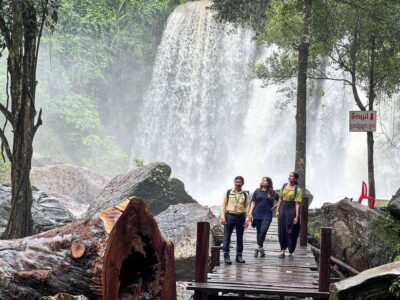
Kulen Mountain, Beng Mealea and Tonle Sap Tour
Read our review →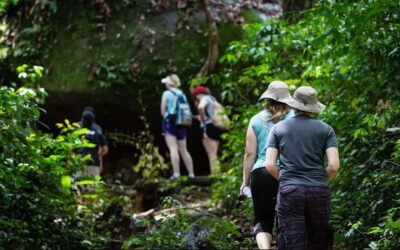
Phnom Kulen Waterfall & the Sacred 1000 Lingas (with Lunch)
Read our review →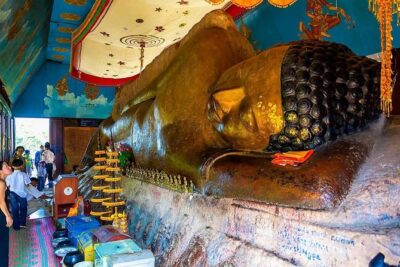
Guided Small-Group Tour in Kulen Mountain Park Waterfall
Read our review →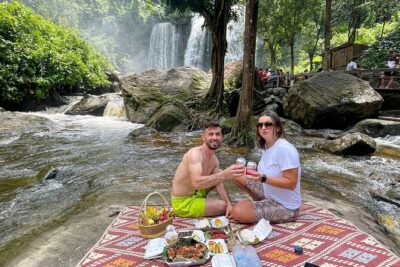
Kulen Mountain Waterfall Tour with Picnic Lunch from Siem Reap
Read our review →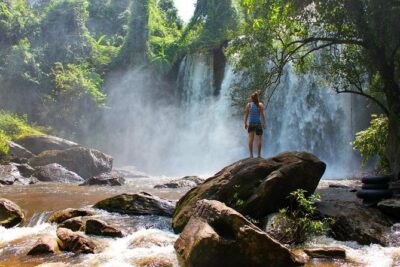
Kulen Waterfall & 1000 Linga River Small-Group Tours
Read our review →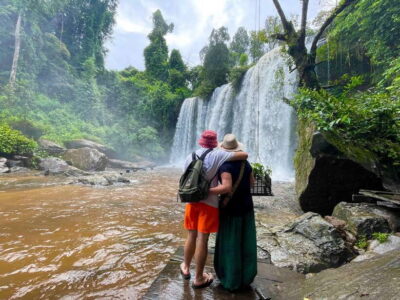
Banteay Srei, Kulen Waterfall & Beng Mealea Exploration
Read our review →
Kulen Elephant Forest Tour with Hotel Pick-up & Drop off
Read our review →Browse the lists this tour appears in