Reviewed · SIEM REAP TOURS
Siem Reap: 1-Hour Cambodian Buddhist Water Blessing
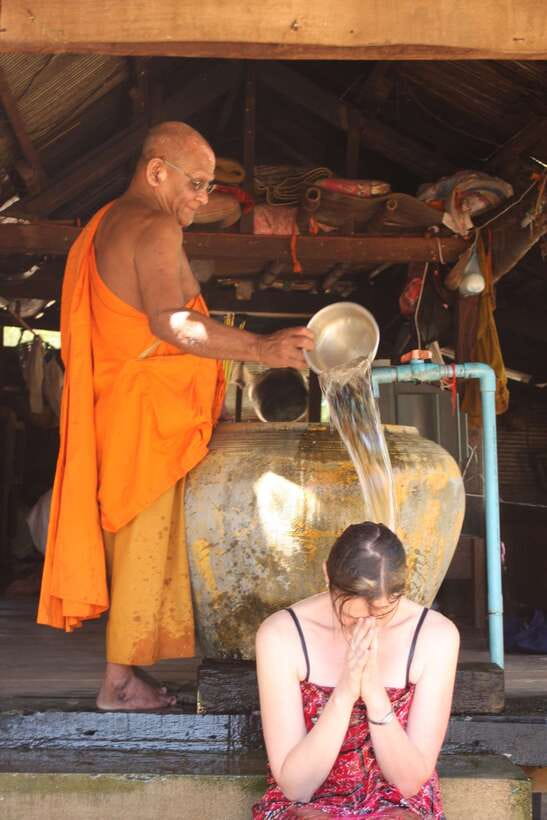
The most memorable part of this Siem Reap outing is not a temple ruin. It is the living ceremony at Wat Arang Pagoda, where a monk chants prayers for good luck, safe travel, and long life while blessing you with water. You can choose a light sprinkling or a much wetter ritual in which blessed water is poured over your head.
I like the genuine local setting and the guides who explain the Buddhist customs before you take part. I also like that the price includes a donation to the pagoda and a visit to a local market. The main thing to consider is that the experience may feel brief for $37, especially if you choose the shorter blessing or expect a full temple tour.
Key points to know before you go
- Two blessing styles: Choose a gentle sprinkling with chanting or a longer ceremony that leaves you completely soaked.
- Wat Arang Pagoda: The ritual takes place at an active countryside pagoda south of Siem Reap, not at the Angkor temples.
- Helpful English-speaking guides: Guides including Sokha and Lee have explained the ceremony, answered questions, and taken photos during the ritual.
- A useful market stop: Visit a local market selling food, vegetables, fish, meat, and other daily goods, with time to see ordinary Cambodian life.
- Bring dry clothes: A sarong is supplied for the full blessing, but extra underwear and a towel can make the wet ritual easier.
- Short but meaningful: The full outing lasts about two hours, while the actual blessing may take only several minutes.
What this Siem Reap blessing really is
Cambodian water blessings are a long-standing Buddhist practice tied to wishes for well-being, protection, and a long life. At Wat Arang Pagoda, you are not watching a staged show built around the temples of Angkor. You are taking part in a ceremony held at a working religious site.
Your English-speaking guide prepares you first. This matters because the ritual has its own etiquette, and you will want to know where to sit, how to receive the blessing, and what the monk is doing. Guides named Sokha and Lee have been especially praised for clear explanations, warm manners, and help with photography.
The ceremony is open to people from any faith. You do not need to present yourself as a Buddhist, and the experience is described as suitable for anyone with an open mind. Your guide may explain Buddhist beliefs, Cambodian customs, the role of monks, and the difference between Buddhist practice and older animist ideas connected with the soul and spiritual protection.
That context gives the water more meaning than a simple splash on a hot day. At the same time, you should decide for yourself how much spiritual significance you want to attach to it. The guide can explain the tradition, but the experience is personal rather than a formal lesson in Buddhist theology.
Other Siem Reap mornings worth putting in the same trip:
- Angkor Wat Sunrise or Sunset Tour with Guide from Siem Reap
★ 5.0 · 12,109 reviews - Siem Reap: Angkor Wat: Small-Group Sunrise or Sunset Tour
★ 5.0 · 9,444 reviews - From Siem Reap: Kampong Phluk Floating Village Tour by Boat
★ 4.9 · 6,979 reviews
The tuk-tuk ride south of Siem Reap
Pickup is included from your hotel at the time shown when you book. You travel by tuk-tuk, a practical choice for a short trip outside the center and part of the Cambodian feel of the outing itself.
The pagoda lies in the countryside south of Siem Reap. Earlier accounts put the ride at about 15 minutes, although the total timing can vary with your hotel and traffic. The ride is not a major sightseeing route, but it moves you away from the familiar hotel and temple circuit and toward a place used for daily religious life.
The arrangement is simple: driver pickup, transfer to the pagoda, time with the monk, a walk around the grounds, and a market visit. The complete activity is listed as two hours, while the water blessing itself is described as one hour. In practice, the actual chanting and water portion may be much shorter, sometimes only several minutes, with the rest used for explanations, changing, questions, and exploring the area.
That difference is worth understanding before you pay. If you want a long guided visit, the experience may seem compact. If you want a focused cultural activity between temple visits, its modest length works well.
Arriving at Wat Arang Pagoda
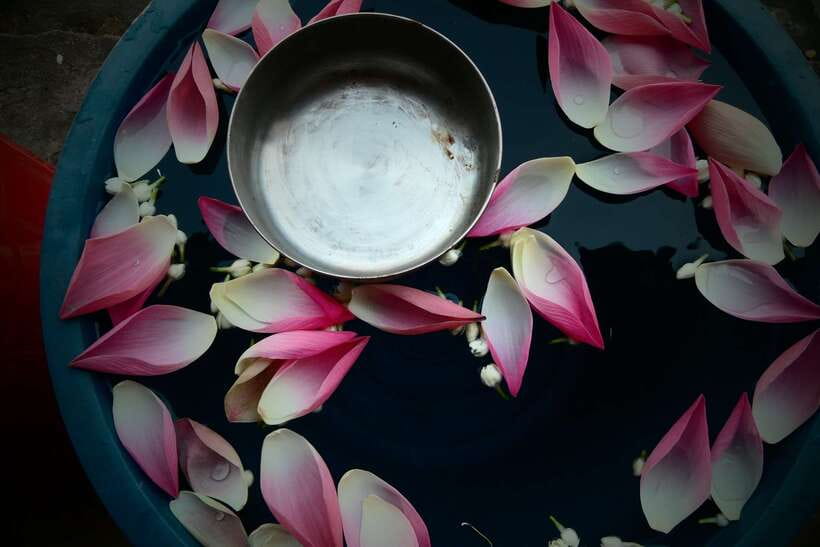
Your guide introduces the pagoda and explains how the monastery functions. The grounds offer a chance to see a functioning religious community rather than another archaeological monument. You may learn about monks living at the pagoda and about the help monasteries can provide to older people, sick people, and others who rely on them.
An offering is included in the arrangement, so you do not need to organize one yourself. A donation to the pagoda is also included in the price. One useful detail is that foodstuffs connected with the offering may help the monk support people who depend on the monastery for shelter or assistance.
You should dress and behave respectfully at the pagoda. Your guide will tell you what to do, but modest clothing is the sensible choice for any Cambodian religious site. Listen closely to the instructions before the ceremony begins. The blessing is intimate, and the small details of posture and timing matter more than rushing to take pictures.
The pagoda visit is also a good point to ask questions. Past guides have explained Buddhist practice, Cambodian culture, monastery life, and the particular site. Some guides have personal experience with monastic life, which can make their explanations more grounded, though the exact guide depends on availability.
Choosing between the two water blessings
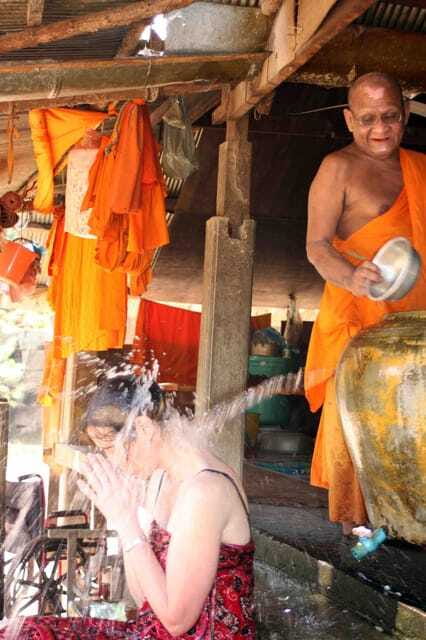
You have two forms of blessing to choose from.
The first is the lighter option. Monks chant while wishing you good luck, safe journeys, and a long life. Water is sprinkled lightly as part of the prayer. This choice suits you if you want to keep your clothes dry, have limited time, or prefer a quiet ceremony without a dramatic physical element.
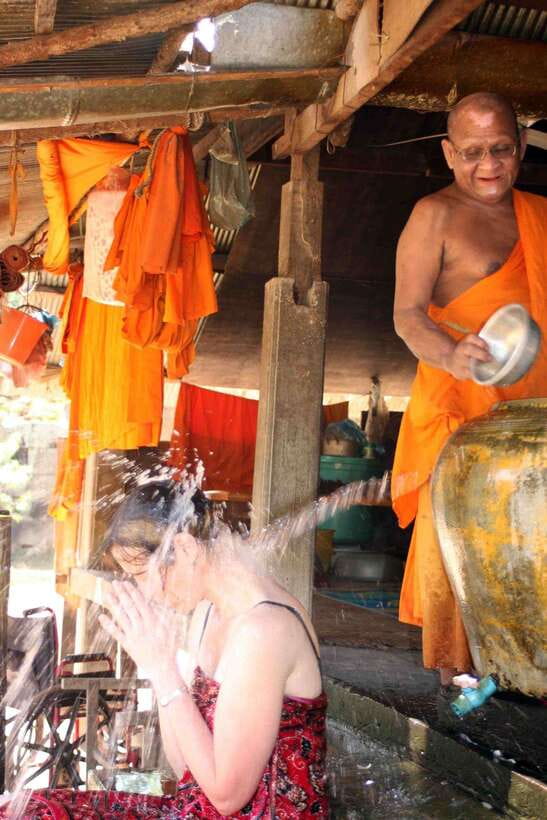
The second is the full water blessing. Blessed water is poured over your head while the monks chant. You change into a provided sarong first, then sit on steps or in the place directed by the guide. Your normal clothes remain dry, but you should expect to get thoroughly wet.
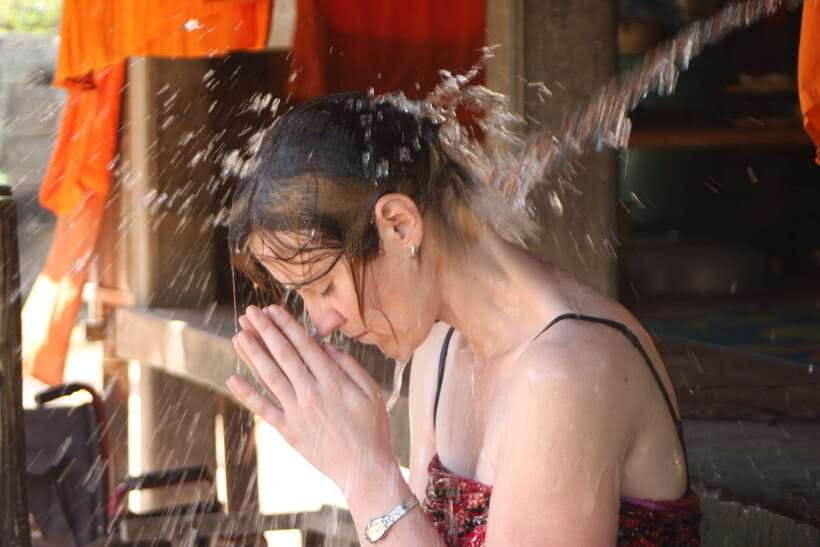
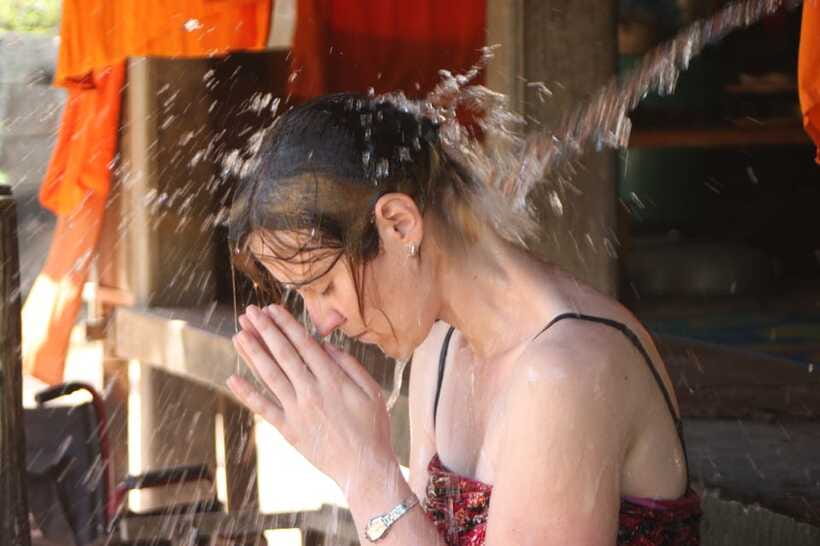
This is not a delicate misting. One person described the experience as being completely doused, and another was surprised by the buckets that followed the initial sprinkling. That may be funny and refreshing in Siem Reap’s heat, but it also means you should prepare properly.
Bring extra underwear, especially if you choose the full ritual. A towel is supplied, but an additional towel is useful if you have long hair or want to dry more thoroughly. A change of clothing is also sensible, even though the sarong protects your main outfit.
One practical concern is choice. The advertised format says you can choose your blessing, but one participant said the preferred form was not offered. Confirm your choice with the guide before the ceremony starts, and ask exactly how wet you will become.
A few more Siem Reap half-days to weigh up
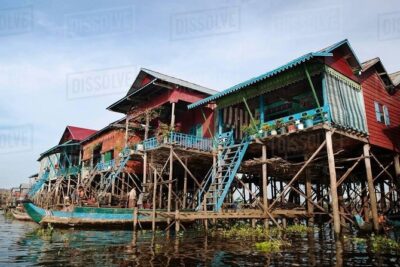
- Sunset tour of Kampong Phluk stilts home village on the Tonle Sap
★ 5.0 · 4,865 reviews - Siem Reap: Angkor Wat 2-Day Tour with Sunrise and Sunset
★ 4.9 · 4,429 reviews - Siem Reap: Kampong Phluk Floating Village Tour with Boat
★ 4.9 · 3,843 reviews - Siem Reap: Full-Day Angkor Wat Guided Tour with Sunset
★ 4.9 · 3,803 reviews
The chanting, water, and red wrist ties
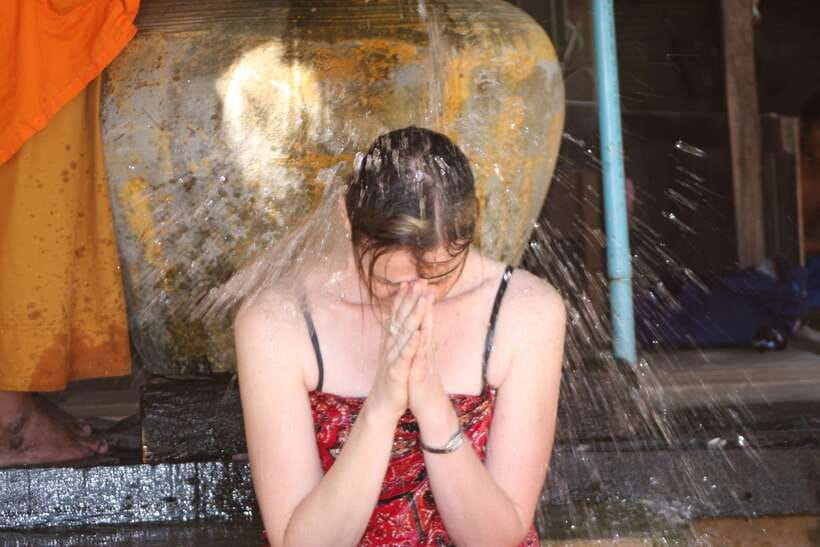
The monk’s chanting is the heart of the visit. The sound gives the ritual its shape, while the water represents blessing and cleansing. During the lighter ceremony, you receive a gentle sprinkling. During the longer version, the water comes from vessels poured over your head.
You may hear the chanting clearly during the light ceremony. With the full pouring, the sound of water can overpower the monk’s voice. That is a practical limitation, not a failure of the ritual, but it is useful to know if hearing every word matters to you.
At the end, the monk ties special red threads around your wrist. These red ties mark the blessing and give you a small physical reminder to take home. You may also have time to speak with the monk through your guide. In one account, the guide translated the monk’s comments about spiritual observations, though you should not assume every visit includes a personal reading or extended conversation.
The best approach is to treat the ceremony with respect and attention. Put your phone aside while the monk is working, follow the guide’s instructions, and let the guide handle pictures. Guides have taken many photos and videos during the ritual, which is helpful because you cannot easily photograph yourself while receiving the blessing.
Walking the pagoda grounds after the ritual
Once you dry off and change back, your guide walks with you around the pagoda grounds. This adds useful context to what could otherwise be a seven-minute ceremony followed by a quick departure.
You can ask about the buildings, monks, Cambodian religious life, and the work carried out at the monastery. The visit is not a major architectural tour, so you should not book it expecting Angkor-style carvings or a long list of historical monuments. Its value is in seeing a place that continues to serve a local purpose.
I like this part because it gives the blessing a setting. You are not simply receiving water in an anonymous room. You are learning where the monk lives, how the pagoda fits into the community, and why offerings and donations matter.
The walk also gives you a chance to slow down after the ceremony. Several people found the ritual peaceful or moving, while others treated it as an interesting cultural activity. Both responses are reasonable. You do not need to force a spiritual reaction, and you should be comfortable with the experience remaining simple and personal.
The local market stop
The market visit is included and adds a second side to the outing. Instead of seeing only a religious site, you also visit a market used by local people for everyday shopping.
You might see meat, fish, vegetables, gold, and other ordinary goods. The market is not presented as a tourist attraction with a staged performance. It is a chance to watch daily commerce and ask your guide how people use the market.
This stop works best if you enjoy small, ordinary details. You can learn more about Cambodian food and buying habits here than from another polished souvenir shop. Your guide can help explain what you are seeing, which is important because unfamiliar products and customs can be hard to read on your own.
Keep in mind that markets can be active and crowded at times, though the supplied details do not promise a set market schedule. The stop may be fairly short, and personal purchases are not included. Bring some cash if you want to buy something, but do not feel you need to shop for the visit to have value.
Is $37 a fair price?
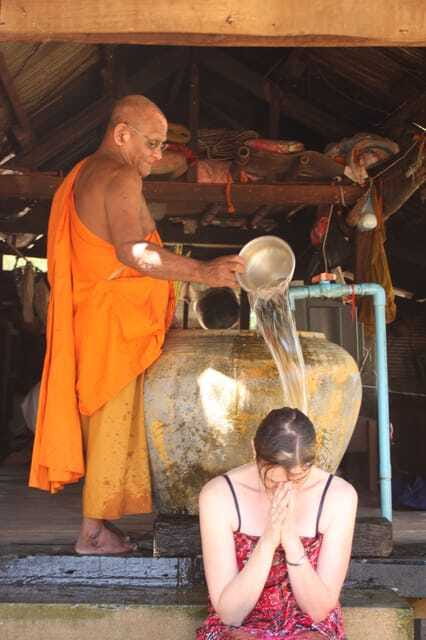
The cost is $37 per person. That covers the English-speaking guide, tuk-tuk transfer, sarong, donation to the pagoda, and market visit. Personal expenses are extra.
For a simple water ceremony alone, that price may feel high. The blessing can be short, and one person found the activity expensive for what was provided. You are paying for more than water, though. The price includes transport, translation, instruction, cultural explanation, a supplied offering or donation arrangement, changing cloth, and help documenting the ceremony with photos.
The guide is a major part of the value. A good guide prevents awkward mistakes, explains what the monk is doing, translates questions, and helps you understand the pagoda. Guides such as Sokha and Lee have been praised for these duties, but service can vary with the person assigned.
The market stop also makes the price easier to justify than a ceremony with no added visit. Still, I would book this for the cultural access and personal experience, not for the quantity of sightseeing. If your priority is covering major sights at the lowest possible cost, spend the money on another shared tour. If you want a short, distinctive activity away from the ruins, $37 is reasonable.
Who will enjoy this most?
I would recommend the blessing to you if you want a calm cultural experience, enjoy asking questions, and are comfortable participating in a religious tradition without needing to adopt its beliefs.
It suits couples, solo visitors, and anyone who feels ready for a change after several hours of temples. One person described it as a welcome alternative when another ruin felt like too much. The ceremony also works for people interested in photography, since the guide can take pictures while you take part.
You should think twice if you dislike getting wet, feel uneasy around religious ceremonies, or want a long, highly structured tour. The full blessing is physical and can leave you soaked. The light version is less demanding, but you still need to follow the customs of the pagoda.
It is also worth remembering that the experience is not a wedding ceremony unless separately arranged. A wedding blessing has been provided through the same company, but the standard activity is the Buddhist water blessing described here.
Booking is flexible: you can cancel up to 24 hours before the activity for a full refund, and you can reserve without paying immediately. The activity is listed as wheelchair accessible, and pickup from your hotel is included.
Should you book the Wat Arang blessing?
Book it if you want meaningful local contact in a compact format and would like a guide to explain the ritual rather than simply send you to a pagoda. The strongest parts are the monk’s ceremony, the red wrist ties, the chance to ask questions, and the market visit.
Choose the light blessing if you want to stay dry. Choose the full blessing if you welcome a memorable, refreshing ritual and can pack extra underwear and a towel. Confirm your choice before the monk begins.
I would not book this as a replacement for Angkor Wat or a full temple tour. I would book it as a thoughtful break from the monuments, especially if Buddhism, Cambodian customs, or ordinary community life interests you. The high rating reflects how personal the experience can feel, but the value depends on your expectations. Come for the ceremony, context, and human connection, not for a long list of sights.
FAQ
How long does the activity last?
The complete activity lasts two hours. The water blessing itself is described as a one-hour experience, although the chanting and water portion may take only several minutes, with the remaining time used for transport, explanations, changing, the pagoda visit, and the market stop.
Where does the blessing take place?
The ceremony takes place at Wat Arang Pagoda in the countryside south of Siem Reap Province.
Can I choose which blessing I receive?
The activity offers two forms: a light sprinkling of water with chanting, or a longer ritual in which blessed water is poured over your head. Confirm your preferred option with the guide before the ceremony begins.
Is a sarong provided?
Yes. A sarong is provided for the longer blessing so your regular clothing remains dry.
What does the price include?
The $37 price includes an English-speaking guide, tuk-tuk transfer, sarong, donation to the pagoda, and a market visit. Personal expenses are not included.
Is hotel pickup available?
Yes. The driver picks you up from your hotel at the time indicated on your booking.
New around Siem Reap
- Kulen Mountain With Ticket included Plus Banteay Srei Temple Tour★ 5.0 · 7 reviews
- 2 Days Angkor temples with Sunrise & Sunset★ 5.0 · 7 reviews
- Private Siem Reap Airport Transfer to hotel in town★ 5.0 · 7 reviews
- 1-Day private Angkor Temple Tour with Sun Rise by Tuk Tuk from Siem Reap★ 4.5 · 7 reviews
- Siem Reap: Morning Cooking Class & Market Tour★ 5.0 · 7 reviews
- Kulen Mountain, Killing Fields and War Museum Tour★ 5.0 · 7 reviews
- War Museum, Killing Field, and APOPO Hero RATs Tour★ 5.0 · 7 reviews
- Half-Day: Silk Farm, Senteur Angkor, and Satcha Workshop★ 4.6 · 7 reviews
Siem Reap Tours, compared.
Angkor Wat Sunrise or Sunset Tour with Guide from Siem Reap
Read our review →
Angkor Wat: Small-Group Sunrise or Sunset Tour
Read our review →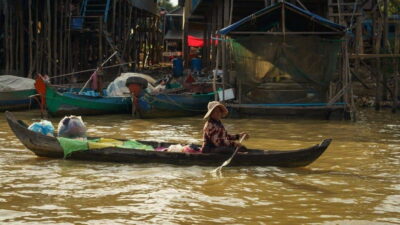
Sunset tour of Kampong Phluk stilts home village on the Tonle Sap
Read our review →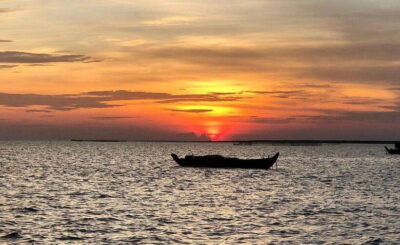
Kampong Phluk Floating Village Tour with Boat
Read our review →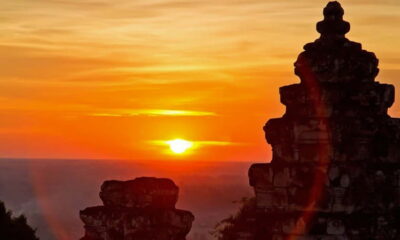
Angkor Wat Sunrise tour with Small – Group and Guide tours
Read our review →