
Reviewed · PHNOM PENH TOURS
Phnom Penh & Kirirom National Park Birds Tour
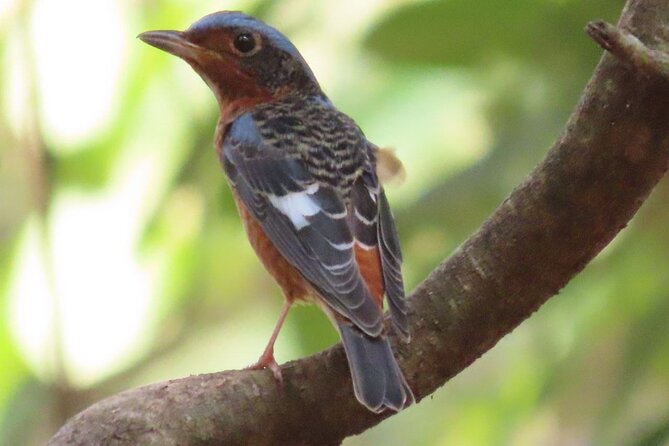
The best part of this two-day outing is the change of scene. You leave Phnom Penh before sunrise, cross the Mekong by ferry, and trade city streets for lotus ponds, rice fields, village cultivation, and forest. By day two, you are watching for Greater Racket-tailed Drongo and White-rumped Shama in Kirirom National Park.
I like the small maximum of eight people, which gives guide Thong room to hear calls and point out birds without turning the walk into a crowd. I also like the overnight at Chambok Community Based Ecotourism, because it puts you close to rural bird habitat instead of sending you back to Phnom Penh between outings. The tradeoff is the early start, humid weather, occasional rain, and a moderate level of walking with some birds that can be hard to locate.
Key points before you book
- Two very different birding settings: Lotus fields, paddies, and cultivated ground on day one, then lowland broad-leaved and tropical moist forest at Kirirom.
- A real early-bird schedule: Pickup begins at 5:30 a.m., with sunrise birding on the second day.
- Thong is the key contact: He speaks good English, follows bird calls well, and brings strong field experience to the outing.
- A small group helps: The maximum is eight people, a useful limit when you need quiet and quick access to good viewing spots.
- Expect roughly 50 to 80 possible species: The list includes Cambodian Tailorbird, Blue-bearded Bee-eater, White-rumped Shama, and Mountain Imperial-pigeon.
- The price covers the basics: At $350 per person, you get transport, local guiding, one homestay night, two lunches, and two breakfasts, but dinner and the $7 Chambok entrance fee cost extra.
Why this is more than a city add-on
Many Phnom Penh outings keep you near markets, monuments, and traffic. This one uses the capital as a starting point, not the main event. The first morning takes you across the Mekong and into open countryside, where the bird habitat changes with every field and water channel.
That change matters. Open country can produce birds that are unlikely in thick forest, including Oriental Pratincole, Brown Shrike, Green Bee-eater, Chinese Francolin, and Black-naped Oriole. Lotus fields and rice paddies also give you wider views, which can make it easier to spot birds moving above the crops or along the edges.
The second day has a different feel. Kirirom National Park brings woodland and tropical moist forest, with more shaded paths and more birds heard before they are seen. You may spend time following a call, waiting quietly, and trying to pick out movement in thick foliage. That can be rewarding, but it is less predictable than watching birds in open fields.
The stated range of 50 to 80 species is best treated as a target range, not a promise. Bird numbers change with weather, season, habitat conditions, and how cooperative the birds are on a particular morning. The tour is designed to give you a strong introduction to Cambodia’s birdlife, not a guaranteed checklist.
More national park visits near Phnom Penh:
- Bokor National Park & Kampot Private Day Trip from Phnom Penh
★ 5.0 · 4 reviews - Kirirom National Park Private Day Tour from Phnom Penh
★ 5.0 · 4 reviews - Kampot Day Tour “Bokor National Park”
★ 5.0 · 82 reviews
Day one: Mekong crossing, lotus fields, and a Chambok night
Your day starts at 5:30 a.m. in Phnom Penh. That is early even by birding standards, but the timing is useful. Birds are generally most active in the cooler hours, and the first light gives you a better chance of hearing calls and seeing movement before the heat builds.
The route includes a ferry crossing of the Mekong. This is not just a transport detail. It marks the shift from city travel to rural Cambodia, and it gives the trip a local rhythm that a direct highway transfer would miss. After the crossing, the birding area includes a natural lake where local farmers grow lotus, paddy rice, and vegetables.
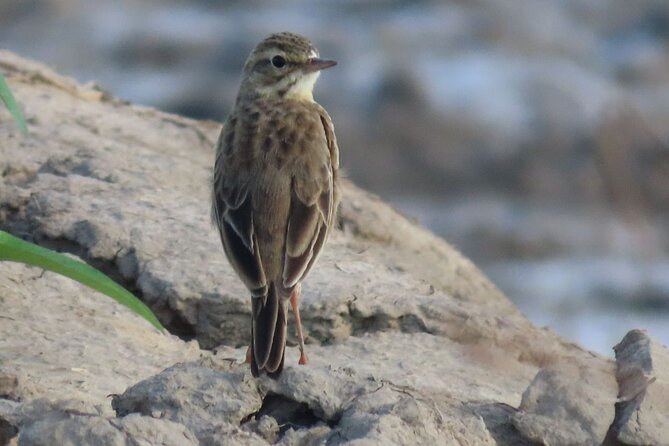
Lotus fields are a good first habitat because they offer water, open views, and a mix of plant cover. You might find birds around the edges of the fields, over the water, or near nearby cultivation. The tour description specifically points to species such as Oriental Pratincole, Cambodian Tailorbird, Brown Shrike, Collared Kingfisher, Asian Brown Flycatcher, and Green Bee-eater.
This part of the day also suits newer birders. Open ground makes it easier to learn basic habits: scan slowly, watch field edges, and listen for repeated calls. Thong’s ability to locate birds by sound is especially useful here. A good local guide can often get your attention before you would have noticed the bird at all.
The habitat is not limited to lotus ponds. You can expect a mixture of woodland, farmland, rice fields, and other lowland areas. That variety is one reason the species list is broad. Birds found in cultivated areas can appear close to species that prefer trees and scrub, giving you several chances to compare calls, shapes, and feeding behavior in one morning.
The day lasts about nine hours, so pace matters. This is not a quick roadside stop followed by a hotel check-in. You will need water, sun protection, comfortable shoes, and patience. Humidity can make a flat walk feel harder than expected, and occasional rain showers are possible.
The overnight stay is at Chambok Community Based Ecotourism. You receive one night at the homestay, along with meals listed as two lunches and two breakfasts. Dinner is not included, and the $7 entrance fee for the Chambok ecotourism community is also separate. Keep those costs in mind when comparing the $350 price with shorter day trips.
The homestay is a practical choice for birding. It avoids another long return journey to Phnom Penh and places you near the next day’s natural setting. It also gives you a more direct connection to a local community project rather than keeping the entire experience inside a hotel and vehicle.
You should not expect resort comforts to be the point here. The value is the location, the overnight access, and the chance to support a community-based ecotourism area. If you want polished accommodation and a relaxed late breakfast, this is probably not the right format.
Day two: sunrise in Kirirom National Park
Day two begins with sunrise birdwatching in Kirirom National Park. The pace is described as easy, but the overall activity level is moderate, so you should be comfortable walking outdoors for a substantial part of the morning. The tour can include some tricky species, especially in forest where birds stay high, move quickly, or remain hidden by leaves.
Kirirom changes the birding game. Open fields let you scan. Forest asks you to listen, wait, and study small gaps in the trees. This is where patience pays off, and where Thong’s ability to follow calls can make a major difference.
The forest list includes Greater Racket-tailed Drongo, Forest Wagtail, White-rumped Shama, Red-whiskered Bulbul, Puff-throated Babbler, White-crested Laughingthrush, Dark-necked Tailorbird, Blue-eared Barbet, Black-naped Monarch, and Mountain Imperial-pigeon. These species give the second day a more woodland-focused character than the first.
A sunrise start also improves photographic conditions. Early light can be softer than midday sun, and forest shade may help with contrast. Still, good photo opportunities do not mean easy photographs. Small birds can vanish behind foliage, and a bird that is easy to hear may be difficult to frame.
You should bring realistic expectations for photography. The tour offers good chances, but it does not promise close views or perfect light. A camera with a useful telephoto reach may help, but binoculars are more important for simply finding and identifying birds. If you are new to bird photography, this setting can be both exciting and frustrating.
The forest walk is also where fitness becomes relevant. The pace may be gentle, yet standing, walking, and looking upward for long periods can tire you in humid conditions. The published guidance calls for moderate physical fitness, so this is not designed as a purely vehicle-based wildlife trip.
The bird list: what you might actually look for
The advertised list is long, but it is more useful when grouped by habitat. In open country, you may look for Oriental Pratincole, Chinese Francolin, Green Bee-eater, Brown Shrike, and Black-naped Oriole. Water and cultivated areas may add Collared Kingfisher, Cambodian Tailorbird, and other birds around the lotus fields.
Woodland and forest bring a different set of possibilities. White-rumped Shama, Red-whiskered Bulbul, Blue-eared Barbet, White-crested Laughingthrush, and Black-naped Monarch are among the more appealing targets for anyone building a Cambodian life list.
The species named for the tour include:
- Cambodian Tailorbird
- Oriental Pratincole
- Brown Shrike
- Collared Kingfisher
- Asian Brown Flycatcher
- Green Bee-eater
- Grey-headed Canary-flycatcher
- Blue-bearded Bee-eater
- White-throated Rock Thrush
- Ashy Drongo
- Chinese Francolin
- Common Flameback
- Black-naped Oriole
- Greater Racket-tailed Drongo
- Forest Wagtail
- White-rumped Shama
- Red-whiskered Bulbul
- Puff-throated Babbler
- White-crested Laughingthrush
- Dark-necked Tailorbird
- Blue-eared Barbet
- Black-naped Monarch
- Mountain Imperial-pigeon
This is a good mix for beginners and experienced birders. A beginner gets colorful, distinctive birds such as bee-eaters, kingfishers, barbets, and orioles. Someone with more field experience has harder goals, including forest species and birds that require careful listening.
Do not judge the trip only by the number of species you tick off. Some of the best moments may come from learning to identify a call, seeing how habitat affects bird behavior, or watching a local guide read the forest. The tour’s moderate difficulty and tricky species make it more satisfying for people who enjoy the search itself.
A few more Phnom Penh half-days to weigh up
- The Killing Field and Toul Sleng Genocide Museum (S21) Tour
★ 5.0 · 1,977 reviews - Phnom Penh: Sunset Cruise with Unlimited Beers & BBQ Buffet
★ 4.5 · 727 reviews - Aroma Therapy Massage, Relaxation therapeutic aromatherapy oil massages.
★ 5.0 · 645 reviews - Killing field and Toul Sleng genocide museum Tour
★ 5.0 · 610 reviews
Guide Thong and the small-group advantage
Thong is the guide name associated with this experience, and he is central to its quality. You need more than a driver who knows where a forest begins. You need someone who can identify calls, keep the group moving at a sensible pace, and explain what you are hearing.
The available information describes Thong as a professional guide with good English and a strong passion for birds. His skill in locating birds by their calls is particularly valuable in Kirirom, where a bird may be present but invisible. That ability can turn a silent patch of forest into an active search.
The group limit is eight people. That is not a private tour, but it is small enough to keep noise and crowding under control. It also gives you a better chance to ask questions and get help with identification than you would on a large coach outing.
There is a practical limit to any group birding tour. If everyone wants a different bird, or if a species appears for only a few seconds, you may need to share the view quickly. The small size reduces that problem, but it cannot remove it completely.
Is $350 a fair price?
The price is $350 per person for about two days. That is not a bargain day trip, but the comparison is not really with a standard Phnom Penh sightseeing tour. The fee covers an air-conditioned vehicle, a local birding guide, a local guide, one night at the Chambok homestay, two lunches, and two breakfasts.
You are also paying for an early departure, rural transport, the Mekong ferry crossing, two distinct birding zones, and the planning needed to connect them. For a dedicated birder, that combination gives the price a reasonable basis, especially with a maximum group size of eight.
Extra costs are modest but should be planned. Dinner is not included, the Chambok ecotourism entrance fee is $7, and personal expenses, tips, and travel insurance are separate. The supplied meal details list two lunches and two breakfasts, so check the final arrangements at booking if you need a precise meal schedule.
The value is weaker if you are only curious about birds and do not want two early mornings or a homestay. You could spend less on a short nature outing, but you would not get the same range of habitats or the overnight setting.
Weather, comfort, and what to pack
Lowland Cambodia is humid, with occasional rain showers. That affects comfort, visibility, and bird activity. A wet morning may bring cooler conditions, but it can also make paths muddy and photography harder.
Wear light clothing that dries quickly, along with sturdy walking shoes. A hat, water, insect protection, and rain cover for optical or camera equipment are sensible choices based on the stated conditions. Bring binoculars if you have them, and keep your gear easy to reach during the walks.
The vehicle is air-conditioned, which is welcome after time outside. Still, air conditioning does not change the demands of the field portions. You should be ready for heat, damp air, long periods of standing, and careful walking on rural or forest paths.
The tour requires good weather and a minimum number of people. If weather or group numbers force a cancellation, you are offered another date or a full refund. For your own plans, avoid placing a flight or fixed connection immediately after the tour.
Who will enjoy this Cambodian birding trip?
I would choose this tour if you want a focused introduction to Cambodian birds and prefer countryside to another day in Phnom Penh. It is especially suitable for beginners because Thong can help you identify birds by sound, while the variety of open and forest habitats keeps the learning curve interesting.
Experienced birders may also like it as a compact way to target species such as Cambodian Tailorbird, Blue-bearded Bee-eater, White-rumped Shama, and Mountain Imperial-pigeon. The 50 to 80 species estimate gives you a broad aim, while the forest setting adds some harder possibilities.
I would think twice if you dislike 5:30 a.m. pickups, humid weather, moderate walking, or simple homestay accommodation. The itinerary is built around bird activity, not sleep-ins or comfort-first travel.
Free cancellation is available if you cancel at least 24 hours before the start time. Changes or cancellations within 24 hours are not refunded, so keep that deadline in mind.
Should you book it?
Book this two-day outing if birds are a genuine priority and you want to see Cambodia beyond Phnom Penh. The combination of lotus fields, rice country, a community homestay, and Kirirom forest gives you more variety than a single urban birding session, while Thong’s call-based guiding and the eight-person limit add real value.
Skip it if you want a casual sightseeing trip with a late start. This is an early, weather-dependent, moderately active experience. For the right person, the reward is not just a long checklist. It is a close look at Cambodia’s rural habitats and the chance to support local ecotourism while learning how to find birds in the field.
FAQ
Where does the tour begin?
Pickup begins in Phnom Penh at 5:30 a.m.
How long does the experience last?
The tour lasts approximately two days, with about nine hours of activity listed for each day.
What habitats does the tour cover?
You visit lotus fields, woodland, cultivated areas, rice fields, lowland broad-leaved forest, and tropical moist forest.
How many bird species might I see?
The expected range is approximately 50 to 80 species, although sightings can vary with conditions and bird activity.
What is included in the price?
The price includes a local birding guide, a local guide, an air-conditioned vehicle, one night at a Chambok homestay, two lunches, and two breakfasts.
What costs extra?
Dinner, the $7 entrance fee to Chambok Ecotourism Community, personal expenses, tips, and travel insurance are not included.
How many people can join the tour?
The maximum group size is eight people.
New around Phnom Penh
- Prasith and Reap Temples Private Day Trip from Phnom Penh★ 4.5 · 3 reviews
- Island Community Life in Phnom Penh★ 4.5 · 3 reviews
- Half Day – Phnom Penh Food Tour★ 4.5 · 3 reviews
- Full-Day Amazing Phnom Penh City Tours★ 5.0 · 3 reviews
- Riverside Walking Tour with Snack, Drinks & Local Ferry Ride★ 5.0 · 3 reviews
- Day Tour In Phnom Penh With Bophany★ 5.0 · 3 reviews
- ( Free eSim) Oudong Mountain Full Day Tour – From Phnom Penh★ 4.5 · 3 reviews
- Phnom Penh to Koh Rong/Koh Rong Sanloem by Car or Minivan & Boat★ 5.0 · 3 reviews
Phnom Penh Tours, compared.

Aroma Therapy Massage, Relaxation therapeutic aromatherapy oil massages.
Read our review →
Sunset Cruise with Unlimited Beer &Fruit platter
Read our review →
Phnom Penh Silk Island Bike Tour/ E-Bike or Tuk Tuk
Read our review →
Sunset Cruise with unlimited beer & soft drinks -English speaking guide on board
Read our review →
Ultimate Phnom Penh Food Tour by Tuk Tuk: 20 Tastings and Drinks
Read our review →
Sunset & Evening Dinner Cruise With One Way Free Pick Up
Read our review →Browse the lists this tour appears in