
Reviewed · KILLING FIELDS TOURS
Killing field and Toul Sleng genocide museum Tour
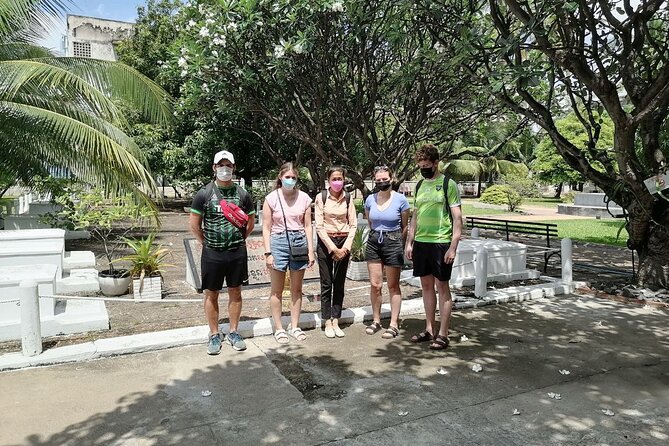
The most important part of this Phnom Penh tour is not the drive or the admissions deal. It is the human explanation of two places that can otherwise feel hard to understand. At Choeung Ek and Tuol Sleng, an English-speaking guide helps connect the evidence to the people caught in Cambodia’s Khmer Rouge years.
I like the combination of both sites. Choeung Ek shows where executions and burials took place, while Tuol Sleng explains how people were arrested, held, and tortured before many were sent away. I also like the comfort of air-conditioned transport and bottled water, especially in Phnom Penh’s heat.
The main caution is emotional, not logistical. This is a grim half-day, with disturbing displays and personal stories. Pickup communication can also be uneven, so confirm the meeting time carefully and allow some flexibility at breakfast or before your departure.
Key points to know before booking
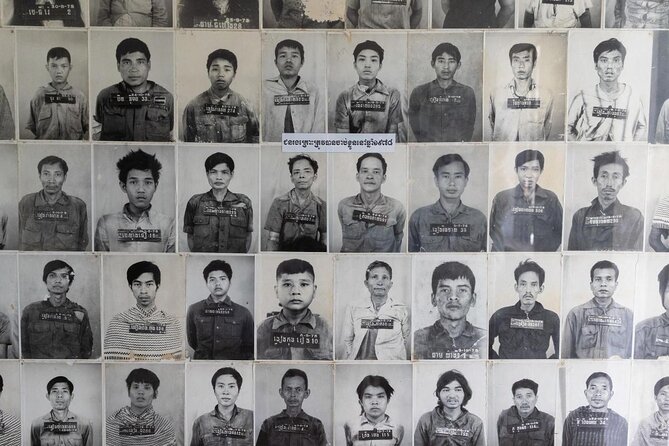
- Two sites explain different parts of the same crime: Choeung Ek focuses on executions and mass graves, while Tuol Sleng covers detention and interrogation.
- Personal storytelling is a major strength: Guides including Chamroeun, Neang, Rouan, and Mr. Ohm have been praised for clear explanations and, in some cases, family memories from the Khmer Rouge period.
- The advertised price is $19 per person: Add $8 for the two entrance fees, bringing the known basic cost to $27 before tips or personal expenses.
- The tour lasts about four hours and 15 minutes: It includes transport between the sites and returns you to the stated meeting point.
- You will not necessarily receive a museum audio guide: The tour depends on the guide explaining and translating the displays.
- Pickup is offered, but timing needs attention: Some pickups have been early or poorly explained, so use the tour company’s messages to confirm the exact arrangement.
Why these two Phnom Penh sites belong together
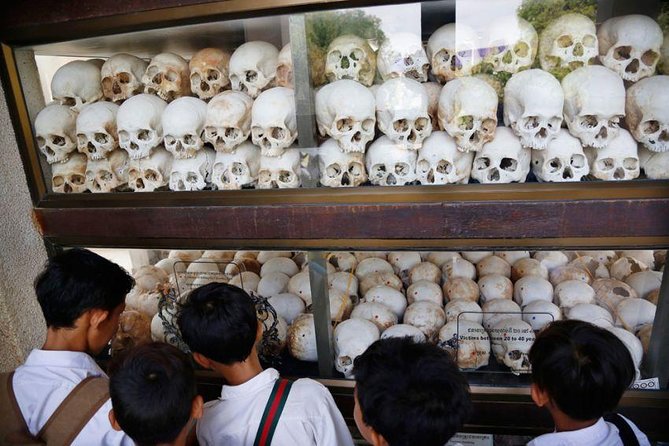
Cambodia’s Khmer Rouge regime ruled from 1975 to 1979 under Pol Pot. At least two million Cambodians died through execution, starvation, disease, forced labor, and brutal prison conditions.
You can visit Choeung Ek and Tuol Sleng separately, but the pairing gives you a clearer picture. One site is outside the city and linked to mass killing. The other is a former school in Phnom Penh turned into a high-security prison known as S-21.
I find the order useful. The tour first takes you south to Choeung Ek, then returns to Tuol Sleng. Starting at the killing field gives you the physical setting. The prison visit then shows the machinery of arrest and interrogation behind it.
The guide matters greatly here. Bare facts can become a blur of dates, numbers, and political names. A good guide gives you the order of events, explains the exhibits, and answers questions without turning the visit into a lecture.
Several guides named in the feedback, including Chamroeun, Neang, Mr. Ohm, Ron, Makara, and Rouan, were praised for clear delivery and personal context. Some were children during the Khmer Rouge years. That can make the history painfully direct, though you should remember that the specific guide assigned to you is not guaranteed.
More Museums in Phnom Penh
- The Killing Field and Toul Sleng Genocide Museum (S21) Tour
★ 5.0 · 1,977 reviews - Private Half Day To Killing Field & S21 Genocidal Museum in Phnom Penh
★ 5.0 · 137 reviews - Tuol Sleng Genocide Museum (S-21) and Choeung Ek Killing Fields Tour
★ 5.0 · 123 reviews
Choeung Ek: an orchard turned killing field
The first stop is Choeung Ek Genocidal Center, about nine miles south of Phnom Penh. The site was once an orchard and a Chinese cemetery. Under the Khmer Rouge, it became one of the places where prisoners from S-21 and elsewhere were executed and buried.
The tour description identifies around 20,000 victims at Choeung Ek. The site is associated with mass graves, executions, and the wider system often called the killing fields. You are not simply looking at an old historic building here. The setting is open, quiet, and tied to the remains of people who were murdered.
That contrast can be difficult. The grounds may look peaceful, but the information explains what happened there. Your guide helps translate and interpret the material, which is especially useful if you do not want to rely only on written displays.
The visit is scheduled for about two hours. That gives you time to absorb the site rather than rush through it, though the exact pace can depend on the group and transport conditions.
Expect a somber stop. The purpose is remembrance, not entertainment. You may find the experience physically straightforward, but emotionally demanding. I would not schedule a loud party or packed activity immediately afterward.
The chance to pay respects is one of the tour’s strongest features. Choeung Ek is not presented as an abstract historical site. It asks you to think about the families and individuals behind the numbers.
Tuol Sleng: from schoolrooms to S-21
After returning to Phnom Penh, the tour continues at Tuol Sleng Genocide Museum. The site was once a popular high school. Pol Pot’s government converted it into S-21, the most notorious of Cambodia’s 189 known interrogation centers.
Between 14,000 and 17,000 prisoners were detained and tortured there, according to the information provided for the tour. Former classrooms became prison spaces, including primitive brick cells. The building itself carries much of the story, and the guide helps explain how an ordinary school was transformed into a place of fear.
This stop is different from Choeung Ek. At Choeung Ek, the setting points to mass burial and execution. At Tuol Sleng, you see the administrative and prison side of the regime: people were arrested, questioned, tortured, and documented.
The tour allows about two hours at the museum. That is helpful because the displays require time and concentration. You can listen to the guide, look at the exhibits, and ask questions instead of trying to process everything at speed.
Do not assume that the standard museum audio guide is part of this booking. One person specifically noted that the usual audio guides were not provided. Here, the English-speaking guide is the main source of explanation, so clear communication matters.
Most feedback praises the guides’ history skills and ability to explain difficult material in plain English. One person found a guide spoke a little too quickly, so do not hesitate to ask for a slower explanation. That is a useful tip at any emotionally heavy museum.
The value of a guide with personal memories
The best part of this experience may be the guide’s voice. The written displays tell you what happened, but a guide can explain how the Khmer Rouge period affected ordinary Cambodian families.
Chamroeun was praised for balancing historical facts, political background, and personal stories. Another guide, Mr. Ohm, spoke about being a small child during the late 1970s. Neang was praised for sharing family insights, while other guides described forced child labor, child soldiers, mass arrests, and the wider fear of the period.
These details can make the visit more understandable. They also require sensitivity. Personal accounts are not an extra show added to the itinerary. They may be difficult for the guide to retell, and you should give them the same respect you would give any survivor testimony.
The operator cannot promise a particular guide. Still, the repeated praise for individual guides suggests that the human side of the tour is central to its appeal. If your guide speaks quickly or you need more context, ask questions directly. The experience is designed around explanation, not just transport to two museums.
More Killing Fields Tours in Phnom Penh:
- Visit 11 Places in One Day including S21 & Killing Field
★ 5.0 · 361 reviews - Half Day Tuol Sleng S21 and Choeung Ek Killing Field Tour
★ 5.0 · 228 reviews - Killing Fields and Prison S21 Bus Tour
★ 4.0 · 206 reviews - Phnom Penh City Tour, Silver Pagoda, Genocide Museum, Killing Fields
★ 5.0 · 123 reviews
What the $19 price really covers
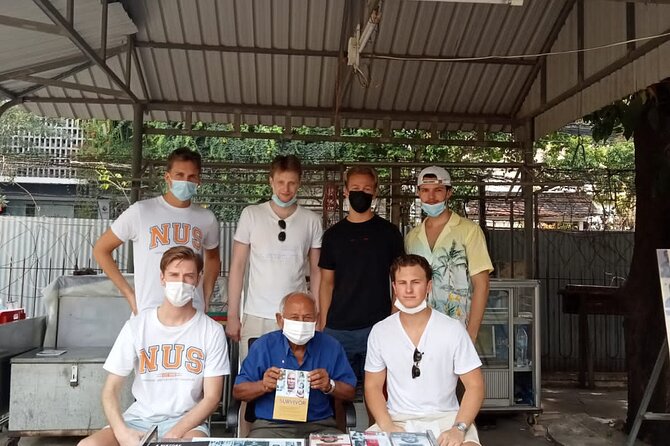
The listed price is $19 per person. That includes a professional licensed English-speaking guide and driver, air-conditioned transport, bottled water, and the organized visit to both sites.
The two entrance fees are extra:
- Choeung Ek Genocidal Center: $3
- Tuol Sleng Genocide Museum: $5
That makes the known cost $27 per person before tips and personal expenses. Travel insurance is also not included.
For a four-hour and 15-minute experience with transport between two locations, I consider that a fair price. You are paying not only for a vehicle but also for a guide who can connect the sites and explain the displays.
The value is strongest if you want context. If you already have a strong understanding of Cambodia’s modern history and prefer to read every display alone, you might find the guided format less necessary. For most people, though, the guide makes the two visits more coherent and helps avoid missing the meaning behind the evidence.
The vehicle is described as clean, hygienic, safe, and air-conditioned. That matters in Phnom Penh, where the ride to Choeung Ek takes you beyond the central city. Bottled water is a small inclusion, but a sensible one for a warm, serious morning or afternoon.
Pickup, group size, and timing
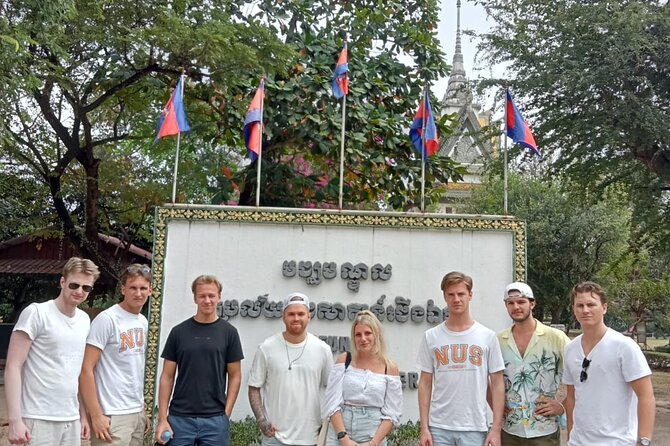
The stated meeting point is Amanjaya Pancam Hotel on Dekcho Damdin Street, also called Street 154, in Phnom Penh. The activity ends back at the meeting point.
The tour has a maximum group size of 20 people. That is not a private tour, and the quality of the experience may depend partly on how well the guide can address the group. If demand is light, you might be placed in a very small group. One booking even had a guide for only two people, which allowed plenty of direct conversation.
Pickup communication deserves a little care. The tour offers pickup, but some people received confusing times or found the vehicle arrived earlier than expected. One person had to walk to meet the car after the pickup details were not clear.
I would confirm the exact pickup time and location through the available contact channel before the day of the tour. Do not plan a tight breakfast, museum booking, or airport transfer around the advertised start time. A little spare time will make the morning easier.
Transport is provided in an air-conditioned vehicle, though one person found the van less comfortable than hoped. That is a minor issue compared with the subject of the tour, but it is worth keeping expectations practical rather than luxurious.
How to prepare for a difficult visit
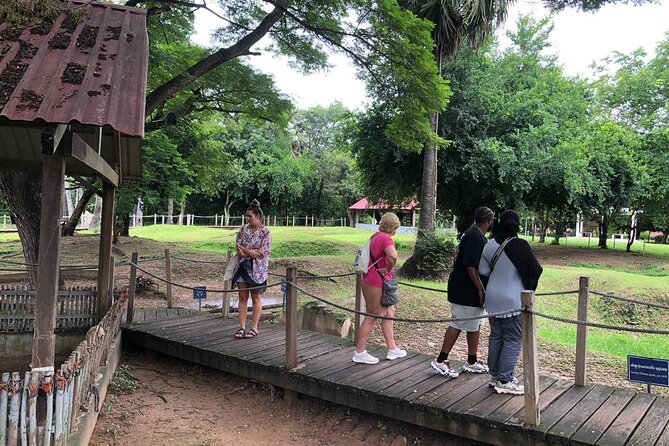
This is not a light sightseeing stop. You will encounter evidence of imprisonment, torture, execution, and mass death. The tour’s purpose is to remember victims and understand Cambodia’s recent past, but you should decide in advance how much detail you are ready to hear.
I recommend reading a short background account before you go, even if you know the broad outline. Understanding the Khmer Rouge period, Pol Pot, and the fall of the regime will make the guide’s explanation easier to follow.
Wear practical clothing and bring water, though bottled water is included. The tour involves two sites and several hours of concentration. Give yourself quiet time afterward if possible.
You can also treat the tour as an act of respect. Listen carefully, avoid treating the most painful displays as photo opportunities, and allow space for people in your group who may be affected in different ways.
The tour is suitable for most people according to the booking information, but that does not mean it is emotionally easy for everyone. Parents should use their own judgment about bringing children, since the information supplied does not specify age guidance or a child-focused format.
Who will get the most from this tour
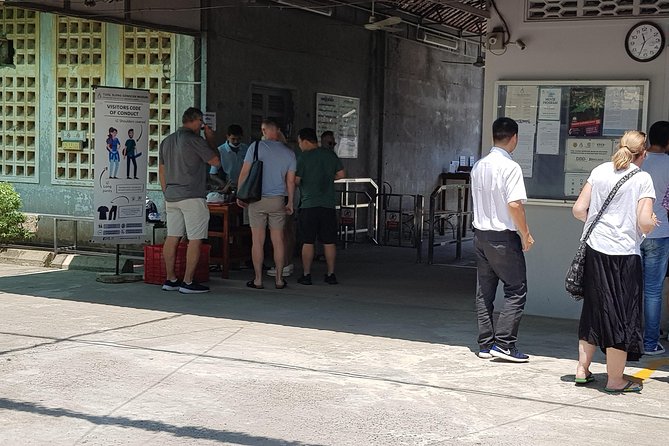
I would choose this tour if you are visiting Phnom Penh for the first time and want a clear introduction to the Khmer Rouge period. It is also a good fit if you value personal explanation and prefer not to work out the connection between two difficult sites on your own.
History-minded visitors will appreciate the chance to ask about the period leading up to Pol Pot’s rule, the prison system, forced labor, and the treatment of political prisoners. The guides praised in the feedback also brought in wider political and geopolitical context.
You may prefer a self-guided visit if you want complete control over your pace or need more private time with the exhibits. You might also choose a private arrangement if you know you will need frequent pauses or detailed discussion.
For most people, the guided format is worthwhile because the sites can be confusing without context. The tour gives you a structure: mass killing and burial at Choeung Ek, detention and interrogation at Tuol Sleng, with an English-speaking guide linking the two.
Should you book the Choeung Ek and Tuol Sleng tour?
I recommend booking it if you want to understand Phnom Penh beyond its restaurants, markets, and temples. The tour is sad by design, but it is also one of the clearest ways to pay respect to Cambodian victims and hear how this period affected real families.
The $19 starting price is reasonable once you add the $8 in admission fees. The strongest reason to book is the guide, especially if you are assigned someone such as Chamroeun, Neang, or Mr. Ohm, whose personal connection may add real weight to the visit.
Book it with two expectations: the subject will be confronting, and pickup timing may need confirmation. If you can make space for both the emotional weight and the practical uncertainty, this four-hour visit is an essential part of understanding Phnom Penh.
FAQ
How long does the tour last?
The tour lasts approximately four hours and 15 minutes, including visits to Choeung Ek and Tuol Sleng and transport between the sites.
How much does the tour cost?
The listed tour price is $19 per person. Entrance fees are separate, costing $3 for Choeung Ek and $5 for Tuol Sleng.
Are entrance fees included?
No. You must pay the $3 admission fee for Choeung Ek and the $5 admission fee for Tuol Sleng separately.
Is hotel pickup available?
Pickup is offered. The stated meeting point is Amanjaya Pancam Hotel on Dekcho Damdin Street, and the activity ends back at the meeting point.
Is transportation air-conditioned?
Yes. The tour includes clean, safe, air-conditioned transportation and bottled water.
How large can the group be?
The maximum group size is 20 people. Smaller groups may be possible depending on bookings.
Can I cancel for a full refund?
Yes, if you cancel at least 24 hours before the experience start time. Cancellations or changes made less than 24 hours in advance are not accepted for a refund. If poor weather or an insufficient number of bookings cancels the tour, you will be offered another date or experience, or a full refund.
New around Phnom Penh
- One Day Private Guide Tours History in Phnom Penh Incl. admission★ 4.5 · 7 reviews
- ( Free eSim) Phnom Penh Historical Full Day Tour★ 5.0 · 7 reviews
- Ground Transfer/ Minivan/ Phnom Penh to Siem Reap★ 5.0 · 7 reviews
- Phnom Penh: Bike & Boat Tour / E-Bike Available★ 4.8 · 7 reviews
- Private Taxi Phnom Penh to Siem Reap or Siem Reap to Phnom Penh★ 5.0 · 8 reviews
- Cambodia 7 Days Private Tour from Angkor Temples to Coastline★ 5.0 · 8 reviews
- Head, Back and Shoulder Massage in Phnom Penh★ 4.5 · 8 reviews
- Private Half-Day Tour of Phnom Penh’s Traditional Markets★ 4.5 · 8 reviews