
Reviewed · FLOATING VILLAGE TOURS
Exploring the Enchanting Kampong Phluk Floating Village
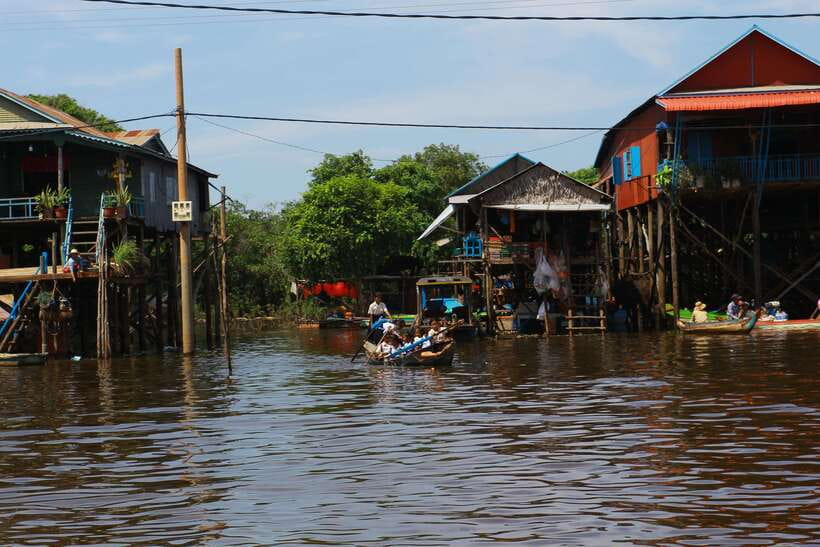
Kampong Phluk is one of those places where the water shapes everything. Houses rise high above the ground, fishing boats replace much of the road traffic, and during the rainy season the flooded forest looks like a half-submerged world. A market stop at Ro Lus adds a useful local touch before you board the boat.
I like the chance to see ordinary lake life, not just temple ruins, and I like that the $26 price includes hotel transport, the boat ticket, a guide, water, and a cool towel. The main caution is that the outing can feel uneven: some visitors find parts too touristy, and one itinerary account found too little time on the water.
Key points to know before booking
- The rainy season changes the whole scene: High water lets the boat pass through the flooded forest and gives Kampong Phluk its floating-village character.
- Ro Lus Market comes first: You have about 15 minutes to walk through a local market before continuing to the village.
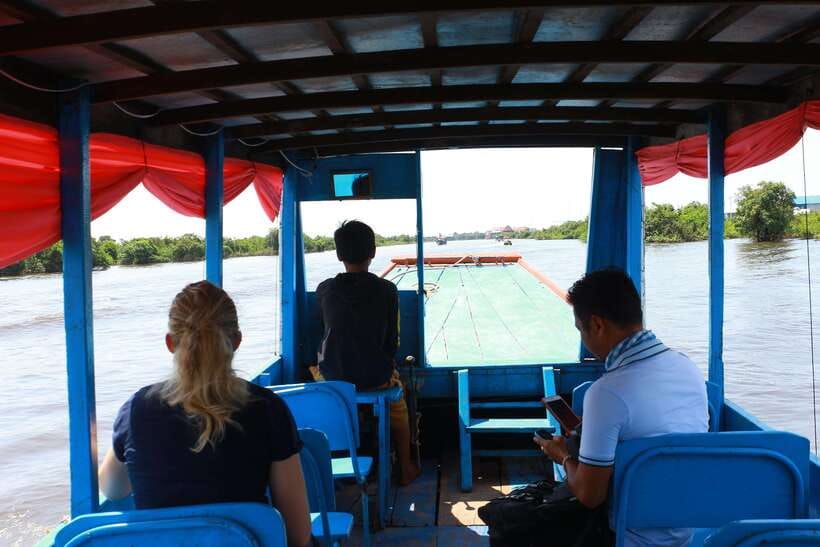
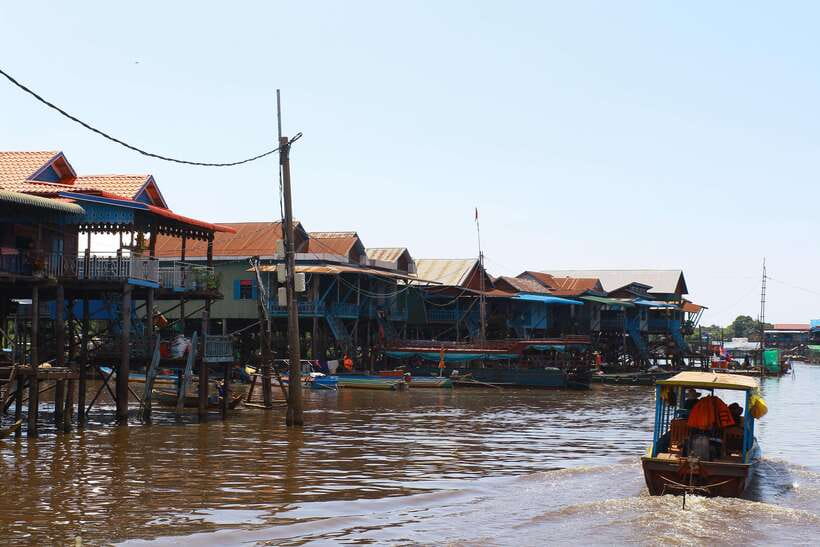
- The boat ride is the heart of the outing: You’ll see stilted houses, fishing activity, and the Tonle Sap shoreline from the water.
- The guide matters: English-speaking guides explain village life and fishing practices. Mr Pip has been singled out for his storytelling and local knowledge.
- This is a small-group half-day: Groups are limited to 10, with pickup and drop-off in Siem Reap and a total duration of about 4.5 hours.
- It is not designed for everyone: Children under 10, pregnant women, and wheelchair users should choose another activity.
Why Kampong Phluk feels so different from Siem Reap
Siem Reap is built around roads, hotels, restaurants, and the great stone temples nearby. Kampong Phluk runs on a different clock. Here, the Tonle Sap determines where people go, how they fish, and how high their homes must be built.
The village sits near Tonle Sap Lake, Southeast Asia’s largest freshwater lake. Its water level changes sharply between the dry and rainy seasons. That seasonal shift explains the tall houses. During the dry months, they can appear to perch above exposed ground. When the rains raise the lake, the lower parts of the village are surrounded by water and the houses seem to float.
That contrast is the main reason to time your visit carefully. The tour operates in both wet and dry conditions, and it goes ahead in sun or rain. If you want the classic image of boats gliding past submerged trees and houses surrounded by water, the rainy season gives you the best chance.
In the dry season, you still see the unusual construction and learn how residents adapt to changing water levels. But the setting can feel less like a floating village and more like a stilted settlement beside a lake. Both versions are worthwhile, but they are not the same experience.
More Kampong Phluk stilt-village trips:
- From Siem Reap: Kampong Phluk Floating Village Tour by Boat
★ 4.9 · 6,979 reviews - Sunset tour of Kampong Phluk stilts home village on the Tonle Sap
★ 5.0 · 4,865 reviews - Siem Reap: Kampong Phluk Floating Village Tour with Boat
★ 4.9 · 3,843 reviews
The ride from Siem Reap to Ro Lus Market
Your morning or afternoon begins with pickup at your hotel in Krong Siem Reap. An air-conditioned vehicle is included, which matters in Cambodia’s heat and gives you a more comfortable way to reach the lake area.
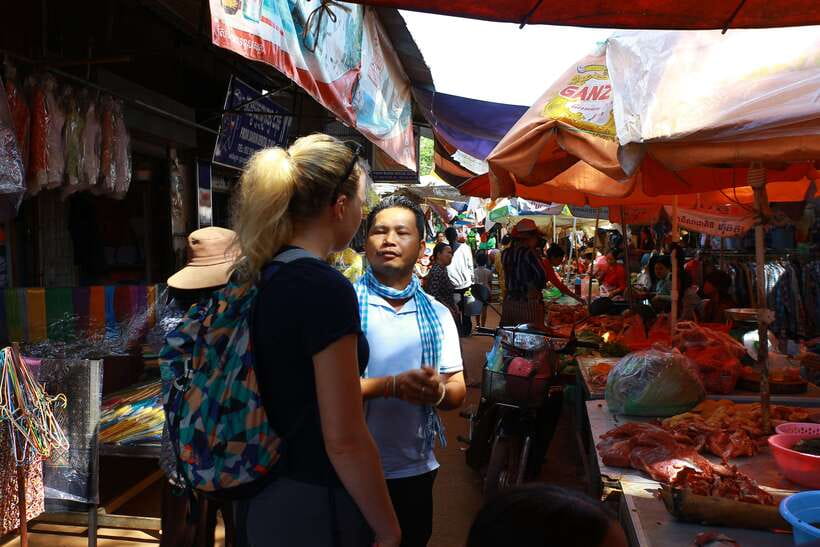
Ro Lus Market is the first planned stop. You spend about 15 minutes walking through it with the guide. This is a short visit, not a long shopping session, but it gives you a quick look at local buying and selling before the lake excursion begins.
I like this stop because it provides a little context. A floating village can seem like a staged attraction if you arrive, board a boat, and immediately follow a fixed route. Seeing a local market first gives you a reminder that Kampong Phluk is connected to everyday Cambodian life, not simply arranged for sightseeing.
Do not expect a major market tour. Fifteen minutes passes quickly, and the point is to get a glimpse rather than study every stall. If you enjoy photographing food, produce, or market colors, have your camera ready and stay close to the guide.
Seeing Kampong Phluk from the boat
The central part of the tour lasts about two hours at Kampong Phluk. You receive a guided visit, sightseeing time, and some walking, followed by the boat experience connected with the village and lake.
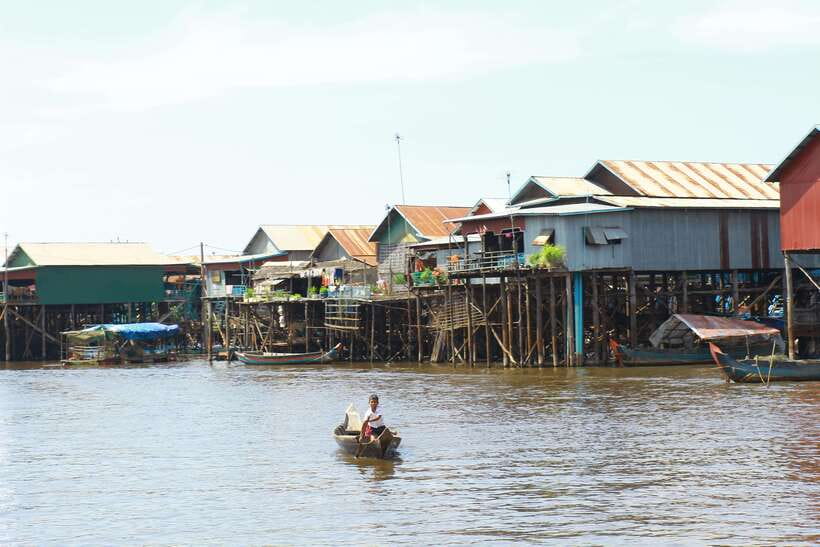
The first thing to notice is the height of the houses. The stilts are not decorative. They are a practical response to Tonle Sap’s annual rise and fall. From the boat, you can understand the village layout in a way that is harder to grasp from a road.
The guide should help explain how residents live with the water and why fishing is central to the local economy. You might see people working from small boats, handling nets, or fishing from the water with simple lines. The experience is less about a single dramatic sight and more about watching how daily tasks fit the setting.
That is where the outing has its greatest value. You are not simply looking at unusual buildings. You are seeing a community built around a changing lake. A good guide links the homes, boats, fishing methods, and seasonal water levels so the scene makes sense.
The flooded forest is the most memorable natural feature. During the rainy season, tree trunks rise from the water and their roots disappear below the surface. The boat moves through a quiet, strange-looking area where familiar woodland becomes almost aquatic.
Bring a camera, but also keep it protected. The tour takes place in sun or rain, and the water environment means that a waterproof bag or phone cover would be sensible, even though only a hat and camera are specifically listed as items to bring. A hat remains useful in open areas, while rain can arrive quickly during the wet season.
Tonle Sap and the pace of lake life
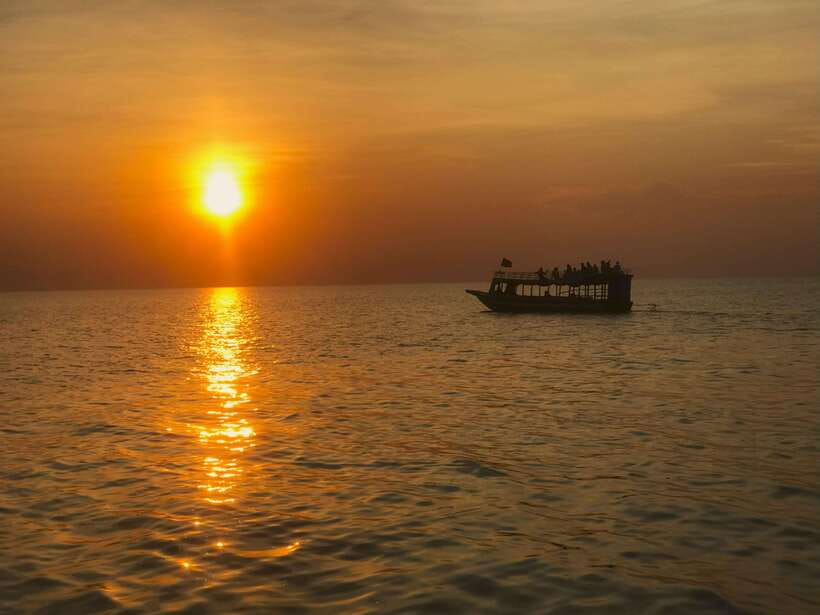
The itinerary gives Tonle Sap about one hour of guided sightseeing. This part helps broaden the view beyond the village itself.
The lake is not just a backdrop. It is the reason Kampong Phluk exists in its present form. Fishing practices, house design, transport, and the village’s seasonal appearance all connect to the lake’s water cycle.
You may find the lake portion calm and reflective rather than packed with scheduled activities. That is a strength if you want a break from busy temple routes and city traffic. It can be a drawback if you expect constant commentary or a long list of stops.
I would treat this as a chance to watch rather than rush. Look for boats, nets, houses, children playing near the water, and the changing relationship between dry ground and lake. One particularly affecting part of the experience can be seeing how naturally children and families move through this watery setting. The scene may look unfamiliar to you, but for residents it is home.
Keep your expectations grounded. This is a living community, not a theme park set. Some parts may feel arranged for visitors, and one account specifically objected to animals kept in cages along the route. That does not erase the value of the village, but it is worth knowing if you prefer tours with no commercial or staged elements.
More Floating Village Tours in Siem Reap:
- Siem Reap Floating Village Kampong Phluk Sunset with Boat
★ 5.0 · 1,962 reviews - Kompong Phluk Floating Village Half-Day Tour ( Morning / Sunset )
★ 5.0 · 1,494 reviews - Kampong Phluk Floating Village Tour by Boat
★ 5.0 · 1,020 reviews - Siem Reap: Kompong Phluk Floating Village Half-Day Tour
★ 4.8 · 966 reviews
How much time do you really spend on the water?
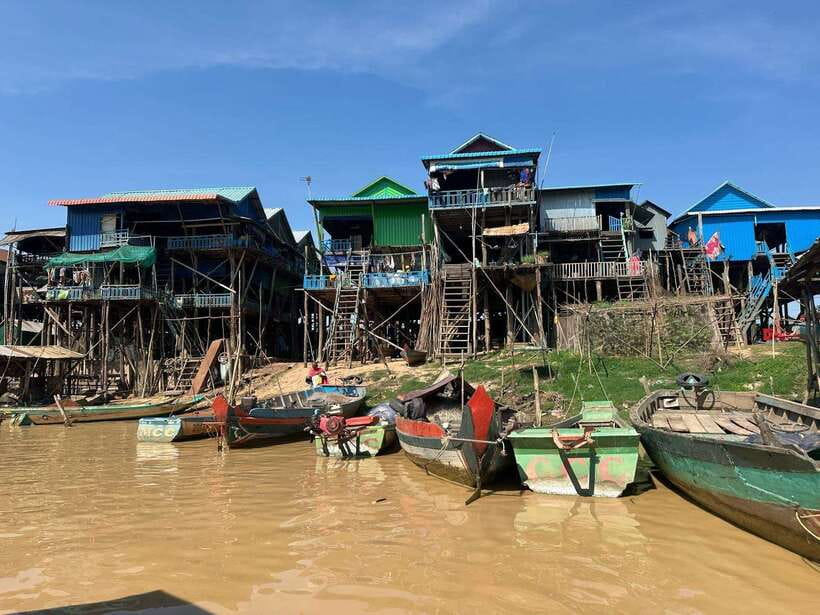
The advertised experience lasts 4.5 hours from pickup to return in Siem Reap. The planned stops include roughly 15 minutes at Ro Lus Market, two hours at Kampong Phluk, and one hour at Tonle Sap. The remaining time allows for road travel, boarding, and returning to your hotel.
The exact boat time can be important. One dissatisfied visitor felt the actual ride lasted only about 15 minutes, followed by a long wait at a bar for sunset. That account does not match the more favorable descriptions of the village and canoe ride, so you should clarify the day’s route and boat schedule before departure if the amount of time on the water is your top priority.
In practical terms, do not book this expecting a full-day lake expedition. It is a compact half-day introduction. The schedule works well if you also want time for another Siem Reap activity, but it leaves less room for a slow, unhurried exploration of every part of the village.
The small-group limit of 10 helps. A group this size is easier to gather around the guide, and boarding or walking should be less awkward than with a large coach party. It also gives you a better chance to ask about fishing, homes, and seasonal changes.
The guide can make or break the experience
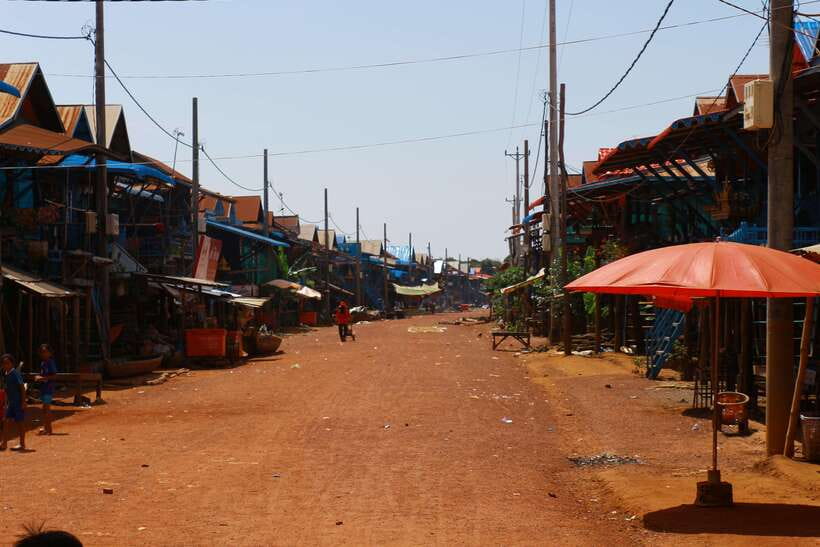
The tour is conducted in English with a live guide. That is important here because the village is not self-explanatory. Without context, you might notice tall houses and boats but miss why the buildings are designed that way or how the lake controls the village’s routines.
A guide named Mr Pip has received especially strong praise for explaining the history of the village and helping visitors understand what they were seeing. If he is available, you may want to request him, though guide assignments can change.
Look for a guide who explains rather than simply points. The best commentary should cover the water level, stilted construction, fishing methods, market life, and the difference between the rainy and dry seasons. It should also leave room for observation. You do not need a lecture at every turn.
The highest praise for this outing has centered on friendly local guidance, clear explanations, and the feeling of being shown around by someone who understands the area. That is a good sign, but it also highlights the tour’s dependence on the individual guide. Your experience can vary with the person leading the group.
Is the $26 price good value?
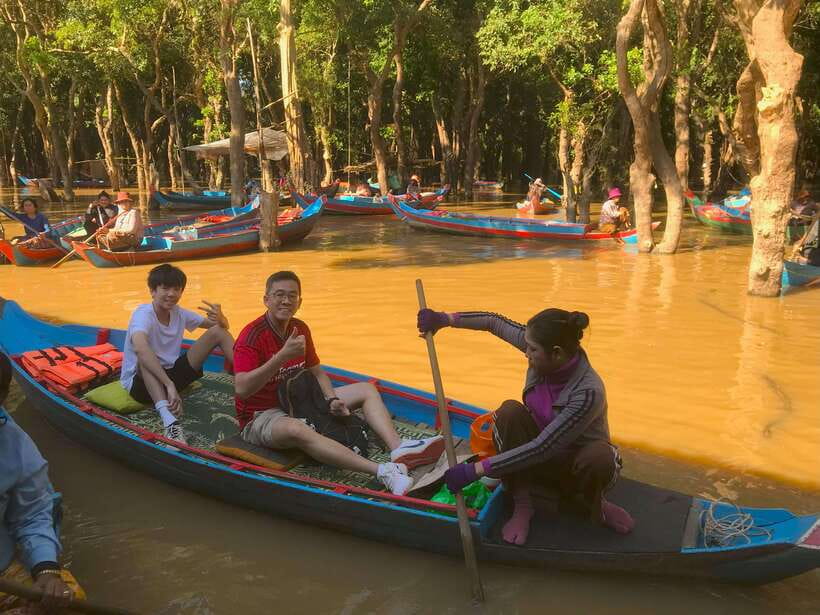
At $26 per person, this is a fair price if you want a guided half-day with transport from Siem Reap. The package includes hotel pickup and drop-off, an air-conditioned vehicle, an English-speaking guide, all listed fees and taxes, the Kampong Phluk boat ticket, bottled water, and a cool towel.
Those inclusions reduce the small costs and planning tasks that can add up when arranging the visit alone. You do not need to find your own transport to the lake or sort out the boat admission when you arrive.
The value is strongest for first-time visitors who want the village explained in context. You are paying not only for the ride, but also for local interpretation and a simple route that combines market, village, and lake.
The price is less attractive if your priority is a long boat journey with little waiting. Since one account found the boat portion too brief, ask what the current route includes before paying if you are comparing several Tonle Sap excursions.
Personal expenses are not included. Keep some money available for anything you may choose to buy, but do not assume shopping is a central part of the tour. The main purpose is seeing the village and lake.
Weather, clothing, and practical comfort
The trip runs in sunshine or rain. That is useful because you do not have to cancel for ordinary wet-season weather, but it also means you should dress for changeable conditions.
Bring a hat and camera, as advised. Lightweight clothing, sandals or shoes that can handle wet conditions, and a small waterproof pouch are practical choices based on the boat setting. These are common-sense additions, not listed requirements.
The air-conditioned vehicle provides relief during the road portions. Once you reach the village, conditions are more exposed. You will be around water, boats, and possibly wet paths, so comfort depends partly on your preparation.
The activity is not suitable for children under 10, pregnant women, or wheelchair users. The combination of walking, boat boarding, and uneven access explains why this may not work for every body or family. Pets are not allowed.
Free cancellation is available up to 24 hours before departure for a full refund, and you can reserve now and pay later. That flexibility helps if your Siem Reap schedule is still shifting, especially during a trip with several temple visits and weather-sensitive plans.
Who will enjoy Kampong Phluk most?
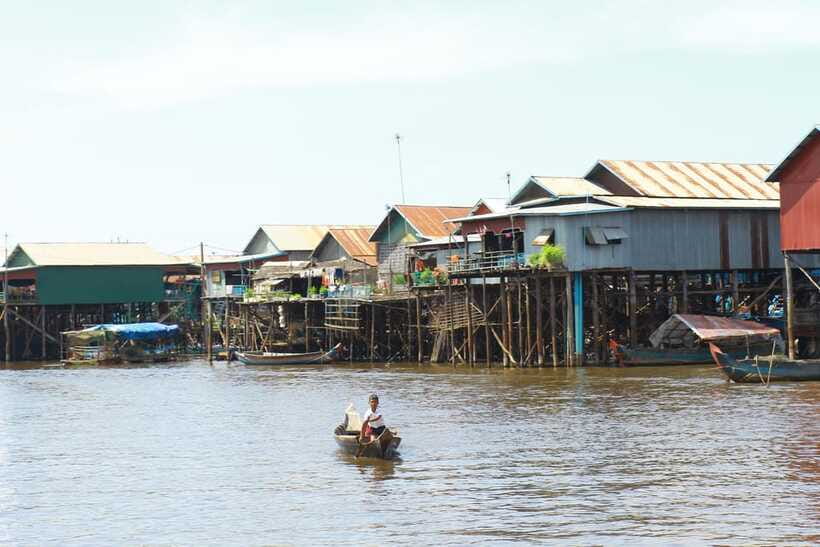
I would choose this outing if you want to see a side of Cambodia beyond Angkor’s stone monuments. It suits you if you enjoy local life, simple scenery, small boats, fishing activity, and learning how people adapt to their surroundings.
It also works well for photographers. The tall houses, boats, market scenes, and flooded trees offer plenty of visual variety. Visit in the rainy season for the most dramatic water scenes, and protect your equipment if storms are possible.
You may be less satisfied if you want an entirely uncommercial experience. Some features can feel tourist-oriented, and the short market visit is guided rather than leisurely. You may also want a different tour if you are looking for a long, quiet cruise with no fixed stops.
Families with older children may find the subject matter fascinating, but the stated age restriction rules out children under 10. Couples, solo visitors, and small groups who want a half-day away from central Siem Reap are a better fit.
My verdict on this Tonle Sap outing
Kampong Phluk gives you a useful, memorable look at Cambodian life shaped by water. The stilted homes and flooded forest are the visual draw, but the real subject is adaptation: people fishing, moving, working, and raising families according to the lake’s changing level.
I especially like the market opening, the small group, and the inclusion of transport and the boat ticket. I would book it during the rainy season if seeing a genuinely water-based village is important to you. In the dry season, I would still go, but I would expect a different setting.
Book this tour if you want a compact, guided introduction to Tonle Sap and you value local explanation over independent wandering. Skip it if you need a long boat ride, dislike any tourist-oriented stops, or have mobility needs that make boarding and walking difficult.
FAQ
How long does the Kampong Phluk tour last?
The experience lasts about 4.5 hours, including pickup and drop-off in Siem Reap.
What is included in the price?
The $26 price includes hotel pickup and drop-off, an air-conditioned vehicle, an English-speaking guide, all listed fees and taxes, the Kampong Phluk boat ticket, bottled water, and a cool towel.
Is hotel pickup available in Siem Reap?
Yes. Pickup is available from hotels in Krong Siem Reap, with return transportation included.
Is the tour conducted in English?
Yes. The tour has a live English-speaking guide.
What should I bring?
Bring a hat and camera. Because the tour operates in sunshine or rain, you may also want to protect your camera and phone from water.
Can I take this tour during the rainy season?
Yes. The tour operates in both sun and rain. The rainy season is the best time to see higher water levels, flooded forest, and the village in its classic floating setting.
Who should not book this activity?
The experience is not suitable for children under 10, pregnant women, or wheelchair users. Pets are also not allowed.
New around Siem Reap
- Kulen Mountain With Ticket included Plus Banteay Srei Temple Tour★ 5.0 · 7 reviews
- 2 Days Angkor temples with Sunrise & Sunset★ 5.0 · 7 reviews
- Private Siem Reap Airport Transfer to hotel in town★ 5.0 · 7 reviews
- 1-Day private Angkor Temple Tour with Sun Rise by Tuk Tuk from Siem Reap★ 4.5 · 7 reviews
- Siem Reap: Morning Cooking Class & Market Tour★ 5.0 · 7 reviews
- Kulen Mountain, Killing Fields and War Museum Tour★ 5.0 · 7 reviews
- War Museum, Killing Field, and APOPO Hero RATs Tour★ 5.0 · 7 reviews
- Half-Day: Silk Farm, Senteur Angkor, and Satcha Workshop★ 4.6 · 7 reviews
Floating Village Tours, compared.
Kampong Phluk Floating Village Tour with Boat
Read our review →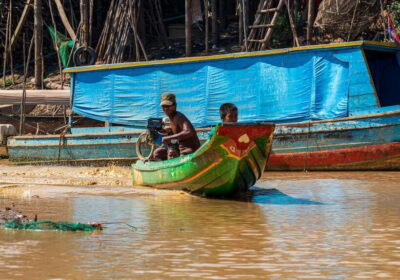
Siem Reap Floating Village Kampong Phluk Sunset with Boat
Read our review →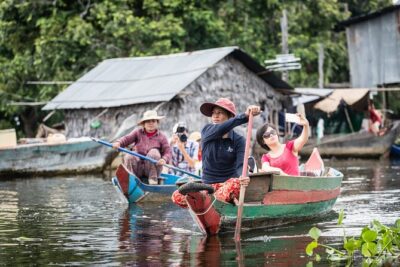
Kompong Phluk Floating Village Half-Day Tour ( Morning / Sunset )
Read our review →
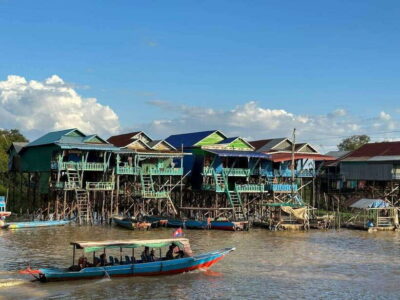

Tonle Sap, Kampong Phluk & Floating Village Tour
Read our review →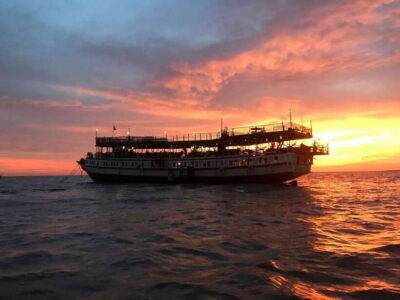
Sunset Dinner Tour: Tonle Sap Lake Floating Village
Read our review →Browse the lists this tour appears in