Reviewed · SIEM REAP TOURS
Cambodia 7 Days Tour from Siem Reap to Battambang and Phnom Penh
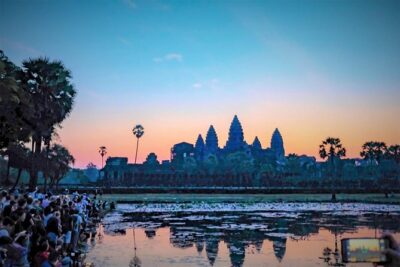
Angkor Wat is only the beginning of this seven-day Cambodia route. You’ll move from the temple roads of Siem Reap to floating villages, colonial Battambang, royal Udong, and the sobering Khmer Rouge sites of Phnom Penh. The route gives you a broad look at Cambodia instead of keeping you in one resort town.
I like the private transport and the chance to see smaller places such as Banteay Chhmar and Ek Phnom. I also like the mix of grand sights and ordinary life, from Tonle Sap fishing villages to Battambang’s bamboo train. The main drawback is the pace: several days are packed, and the Phnom Penh sightseeing day is especially demanding.
Key points to know before booking
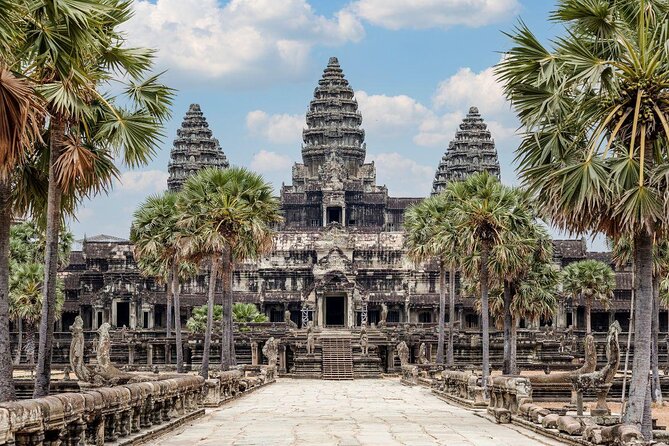
- Angkor in one full day: You’ll cover Angkor Thom, Bayon, Ta Prohm, Angkor Wat, and Phnom Bakheng, along with several smaller monuments.
- A wider view of Cambodia: The route connects Siem Reap, Battambang, Udong, and Phnom Penh instead of focusing only on Angkor.
- Private touring: Only your own group participates, with transport, an English-speaking guide, bottled drinking water, and entrance fees included.
- Local life beyond temples: Tonle Sap, Kampong Phluk, Artisans Angkor, the bamboo train, markets, and the bat caves add variety.
- Hotels in three price levels: Three-star, four-star, and five-star accommodation options are offered, with a 40 percent single-room surcharge.
- A serious final chapter: Tuol Sleng and Choeung Ek explain the Khmer Rouge period in a direct and emotionally difficult way.
Why this route works for a first Cambodia trip
This tour is designed for you if you want Cambodia’s main sights without arranging several separate transfers. You arrive at Siem Reap Angkor International Airport, travel by private vehicle, and finish in Phnom Penh with airport transfer included on the final morning.
The route has a useful shape. Siem Reap gives you the country’s ancient Khmer monuments. Tonle Sap adds a water-based view of local life. Battambang slows the pace with old buildings, pagodas, countryside, and the famous bat flight. Udong brings Cambodia’s former royal capital into the story. Phnom Penh then shifts the focus to royal Cambodia, modern national identity, and the crimes of the Khmer Rouge.
At $1,025.05 per person, the price is not a backpacker bargain. But it covers six nights of accommodation, private transport, an English-speaking guide, entrance fees, six breakfasts, and drinking water. That can be fair value if you want a ready-made private trip with several hotel levels to choose from. You are paying for convenience and coverage as much as for sightseeing.
A few more Siem Reap half-days to weigh up
- Cambodia 7 Days Private Tour from Angkor Temples to Coastline
★ 5.0 · 8 reviews
Arrival in Siem Reap and three hotel levels
Your guide and driver meet you at Siem Reap Angkor International Airport and take you into the city. The first transfer is described as taking about two hours, with an introduction to local culture along the way.
Accommodation is offered at three levels. The listed three-star choice is Royal Crown Hotel & Spa. Regency Angkor Hotel is the four-star option, while Angkor Paradise Hotel represents the five-star level. The exact property can be a similar hotel, so confirm the final name before you travel.
The first day is intentionally light in sightseeing. That is sensible after a flight, especially since the following day begins with a long visit to Angkor. Use the arrival evening to rest, walk around Siem Reap, or sort out local cash and clothing for temple visits.
Angkor Thom and the faces of Bayon
Day two is the tour’s great temple day, and it begins at the South Gate of Angkor Thom. The gate is a popular approach to the ancient royal city, so an early start matters if you want a calmer visit and softer light.
Inside Angkor Thom, Bayon is the main event. Built in the late 12th century, it is known for its monumental carved faces and maze-like upper levels. Give yourself time to look closely. The temple can feel confusing at first, but a good guide helps you understand how the central sanctuary and surrounding galleries fit together.
Baphuon follows. This tall sandstone temple sits on a long raised base and differs from the more familiar pyramid designs at Angkor. Phimeanakas, near the former Royal Palace area, is quieter and more restrained. It helps you picture Angkor Thom as a functioning royal center rather than a collection of isolated ruins.
The Terrace of the Elephants and the Terrace of the Leper King are short visits, but their carved walls add important detail. The elephant imagery connects to royal ceremony and military display. The Terrace of the Leper King is especially rewarding for its layered bas-reliefs, including carvings in areas that are easy to miss.
Ta Prohm and Angkor Wat
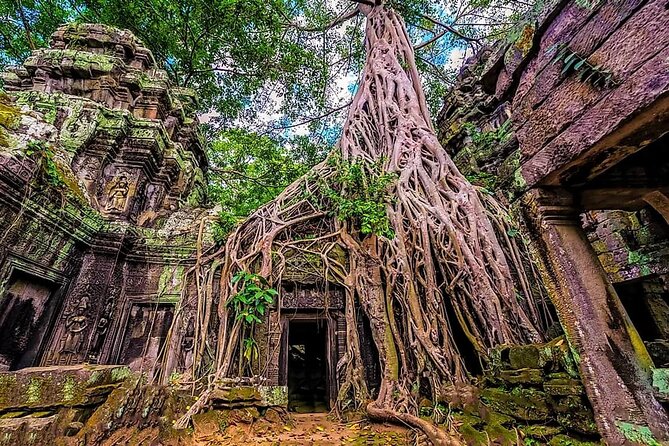
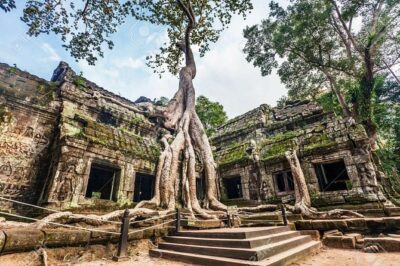
Ta Prohm is one of the most atmospheric stops in the Angkor complex. Trees grow around and over parts of the temple, while later conservation work has kept paths open and structures safe. You get the famous combination of stone, roots, galleries, and shadow, but the site is not simply untouched. It has been cleared and strengthened so people can enter.
The schedule allows two hours at Ta Prohm, which is useful. You can study the carvings, move beyond the first photo stops, and avoid treating the temple as a quick backdrop.
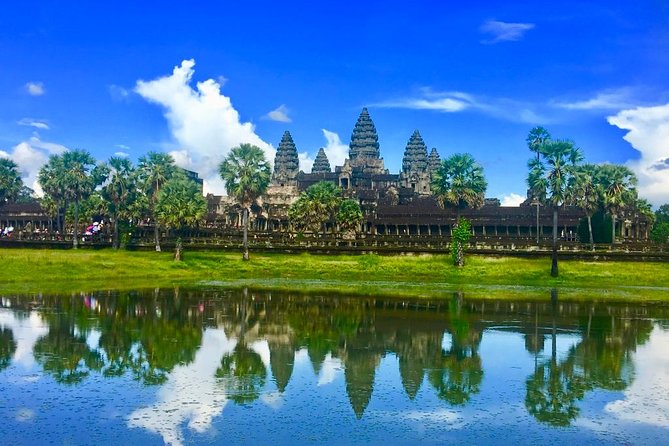
Angkor Wat receives another two hours. This is enough for a meaningful introduction, though not enough to inspect every gallery in detail. The monument is the largest and best-preserved in the Angkor group, with carefully balanced towers, long corridors, reliefs, and sculpture.
A guide matters most here. Angkor Wat is enormous, and without context you can spend your time walking from one famous view to another. Ask your guide to point out the relief panels and explain the religious purpose of the temple, rather than only taking you to the standard viewpoints.
The day ends at Phnom Bakheng, an old hilltop temple associated with Shiva. The climb gives you a higher view across the Angkor area. Timing can affect how much you enjoy this stop, since sunset visits are popular and the schedule is already full. Treat it as an optional-feeling final stop if your energy is fading.
A completely different sort of day from the same base:
- Angkor Wat Sunrise or Sunset Tour with Guide from Siem Reap
★ 5.0 · 12,109 reviews - Siem Reap: Angkor Wat: Small-Group Sunrise or Sunset Tour
★ 5.0 · 9,444 reviews - From Siem Reap: Kampong Phluk Floating Village Tour by Boat
★ 4.9 · 6,979 reviews - Sunset tour of Kampong Phluk stilts home village on the Tonle Sap
★ 5.0 · 4,865 reviews
Tonle Sap, Kampong Phluk, and Siem Reap’s living culture
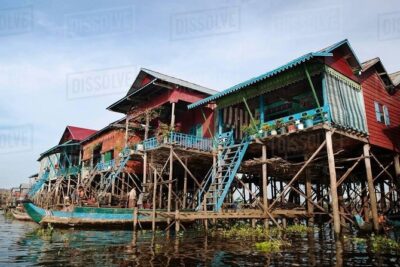
Day three shifts from ancient stone to present-day Cambodia. Tonle Sap is Southeast Asia’s largest freshwater lake, and its seasonal rhythms support fishing communities around the water. The tour includes a visit to Kampong Phluk Floating Village, with time on Tonle Sap and in the village area.
Kampong Phluk also includes a mangrove forest. The setting gives you a different picture of Cambodia, but keep expectations grounded. This is a community visit, not a polished theme park attraction. Water levels and village conditions can affect what you see.
Back in Siem Reap, Artisans Angkor introduces traditional Khmer crafts and a social enterprise that creates rural jobs while helping preserve local skills. It is a useful stop for you if you want to understand how heritage can support present-day work. It is also a natural place to consider buying a craft, but ask about shipping before making a large purchase.
Wat Bo is one of Siem Reap’s older pagodas. Its 19th-century wall paintings are notable because they include both Buddhist subjects and scenes connected to everyday and royal life. The Royal Residence, still used by the Cambodian king during visits to Siem Reap, is a brief exterior-oriented stop rather than a long palace tour.
This day has a more relaxed character than the Angkor circuit, though the three-hour Kampong Phluk visit and additional city stops still make it a full outing.
Battambang by bamboo train and countryside road
Day four takes you to Battambang, Cambodia’s second-largest city. The city has colonial buildings and traditional Cambodian houses, including wooden homes more than a century old. It feels different from Siem Reap, with a less temple-centered rhythm.
The bamboo train is the day’s most playful experience. Known locally as the norry, it is a simple platform mounted on wheels and powered along the railway line. The ride lasts about two hours and is included. It is not a luxury railway journey. That is precisely the point. The appeal is the unusual design, the open setting, and the glimpse of transport adapted to local conditions.
Battambang Central Market offers a look at daily commerce. The schedule gives this stop an unusually long time allocation, so confirm the day’s timing with your guide. Markets are best approached slowly: look at produce, snacks, household goods, and the flow of local shoppers rather than treating the visit as a quick purchase stop.
Wat Tahm-rai-saw, also called the White Elephant Pagoda, adds a religious and architectural stop inside Battambang. The Cambodia Peace Gallery then offers a different kind of museum visit. Its focus is recovery and Cambodian participation in peace work, not only the country’s years of war. That balance is valuable on a route that later visits genocide sites.
Ek Phnom, Phnom Sampeau, and the evening bat flight
Outside Battambang, Ek Phnom is a partly collapsed 11th-century temple. It measures about 52 by 49 meters and is surrounded by remains of a laterite wall and an ancient reservoir. The site has a worn, open-air feel that contrasts with the more carefully managed monuments at Angkor.
Phnom Sampeau is a roughly 100-meter-high mountain with a shape compared to a ship. The visit lasts about two hours and may include steep or uneven walking, so sensible footwear is useful. The mountain carries both natural and historical importance, and your guide can help connect the different parts of the site.
At sunset, millions of bats stream from the caves at Battambang Bat Caves. The sight is brief but remarkable: a dark ribbon of bats moving into the evening sky. The experience depends on timing, weather, and the animals’ behavior, so it is best enjoyed as a natural event rather than a guaranteed performance.
The Ta Dumbong Kro Aung statue closes the day. The figure is tied to the legend behind Battambang’s name, involving a cow herder, a magical black stick, and a displaced king. It is a small stop, but local legends help give the city a character that temple facts alone cannot provide.
Your Battambang hotel choices are Classy Hotel & Spa at three-star level, Cambana La Riviere Hotel at four-star level, or Maisons Wat Kor at five-star level, with similar properties possible.
Udong, Cambodia’s former royal capital
Day five connects Battambang with Phnom Penh, stopping at Pursat along the way. The main historical stop is Udong Mountain, northwest of Phnom Penh.
Udong served as Cambodia’s royal capital from the 17th to the 19th centuries. Its two hills are linked by a ridge, and the site gives you a chance to think about Cambodia before the capital moved to Phnom Penh. The visit lasts about an hour, so it works best as a focused stop rather than a full archaeological day.
The itinerary also includes a meditation center whose main purpose is teaching Vipassana meditation. You are welcome to walk through the grounds and enter the main temple. The setting offers a quieter pause after several busy sightseeing days, though the stop is relatively short.
In Phnom Penh, the listed hotel choices are Mahasakor Inn Phnom Penh, Sun & Moon Urban Hotel, and Sun & Moon Riverside, corresponding to three-star, four-star, and five-star levels.
Phnom Penh’s royal center and national symbols
Day six is the most crowded day on paper. It combines the Khmer Rouge period with the Royal Palace, major monuments, religious sites, and Central Market. You will see a lot, but you should expect an emotionally and physically demanding schedule.
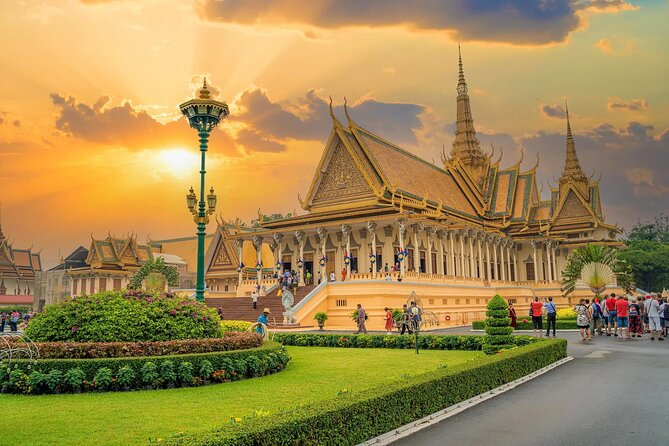
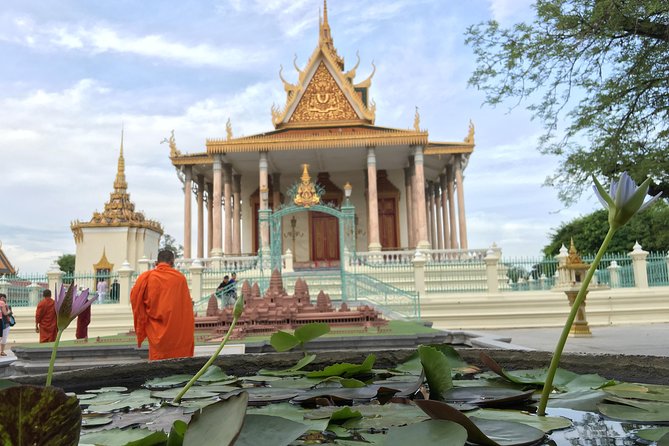
The Royal Palace was begun in 1886 after King Norodom moved the royal capital to Phnom Penh. The Silver Pagoda sits beside it, inside a garden compound. Together, these stops show the ceremonial and religious side of the Cambodian state. Dress modestly for palace and pagoda visits, and follow any instructions about photography.
Wat Phnom sits on a 27-meter-high wooded hill and is linked to the foundation legend of Phnom Penh. Wat Ounalom, one of the city’s five original monasteries, is near the riverfront and close to the Royal Palace. These pagodas bring religious life into a day otherwise filled with national monuments and museums.
The Independence Monument commemorates independence from France in 1953. Nearby, the statue of King Father Norodom Sihanouk honors the former king. These short stops help place Cambodia’s modern political story between the royal past and the trauma of the 1970s.
Central Market is housed in a large domed structure built in 1937. Its four arms lead to stalls selling a wide range of goods. It is a good place for a final look at Phnom Penh’s commercial life, though after a full day you may prefer browsing briefly rather than shopping at length.
Tuol Sleng and Choeung Ek
The Khmer Rouge section of the tour requires a different mood. Tuol Sleng Genocide Museum occupies the former school used as Security Prison 21. The displays document imprisonment, torture, and the Cambodian genocide. It is a difficult place, and you should allow yourself time to process what you see.
Choeung Ek, about 17 kilometers south of Phnom Penh, was an orchard and mass grave site used between 1975 and 1979. The visit lasts about 90 minutes. Taken together, Tuol Sleng and Choeung Ek explain how the prison system and killing fields were connected.
I consider these essential stops for understanding modern Cambodia, but they are not light sightseeing. If you are traveling with children or anyone who finds atrocity museums especially difficult, discuss the schedule with the guide in advance. The tour includes both sites on the same day, so there is little emotional space between them and the palace visits.
Guides, driving, and the private format
The private format is one of the strongest practical features. You are not tied to a large group, and only your own party participates. That gives you a better chance to ask questions, adjust the pace, or pause when a temple or museum needs more attention.
Guides assigned to this route have included Sara, Vany, Chany, and Meng. Sara is paired with driver Art in one account, with Art receiving particular praise for careful driving. Other guide accounts describe Vany as fluent in English and flexible, while Chany and Meng are also named for their friendly, patient approach.
Those names do not guarantee who will lead your departure, so confirm the assigned guide before arrival. The driver matters here. Long road transfers, temple access roads, and busy Phnom Penh streets make careful driving a real part of the tour’s value.
Six breakfasts are included, but other meals are not listed as included. You should budget separately for lunch and dinner. Drinking water is provided, and tipping for the guide and driver is not included.
Who should book this seven-day Cambodia tour?
I would choose this route if you want Cambodia’s major cultural sights with the hard work of transport and hotel planning handled for you. It suits first-time visitors, couples, families, and solo participants who prefer private touring to a fixed group.
You should also be comfortable with early starts, long road days, temple walking, hot conditions, and a full final day in Phnom Penh. The itinerary is not designed for slow travel. If you want two leisurely days at Angkor or several unplanned afternoons in Phnom Penh, this route will feel compressed.
The three hotel categories are useful, but the price changes the value calculation. At $1,025.05 per person, the trip makes the most sense when you value a private vehicle, guide, entrance fees, and a connected route through four major destinations. Solo occupancy costs 40 percent more than the shared double or twin arrangement.
Booking is usually done well ahead, with an average booking point of about 104 days before departure. The stated cancellation terms allow a full refund up to six full days before the start time, a 50 percent refund two to six days before, and no refund inside two days. Last-minute changes are not accepted inside those cutoffs.
Should you book it?
Book this tour if you want a well-covered first visit to Cambodia that includes more than Angkor Wat. The combination of private transport, a local English-speaking guide, Battambang’s bat caves and bamboo train, Tonle Sap, Udong, and Phnom Penh’s difficult modern history gives you a strong range of experiences.
Think twice if you prefer a slow schedule or want to choose every hotel and meal yourself. The best reason to book is the route itself: it links Cambodia’s ancient monuments, rural communities, royal centers, and modern capital in one organized week.
FAQ
Where does the tour begin?
The tour begins with pickup at Siem Reap Angkor International Airport in Siem Reap, Cambodia.
Where does the tour end?
The tour ends with a transfer to Techo International Airport, listed as KTI, on the morning of day seven.
How long is the experience?
The tour lasts approximately seven days and includes six nights of accommodation.
Is this a private tour?
Yes. Only your own group participates in the private tour or activity.
Is an English-speaking guide included?
Yes. Transport and an English-speaking tour guide are included.
Are entrance fees included?
Yes. The included services list entrance fees, and the itinerary marks admission as included at the main paid sights.
Is accommodation included?
Yes. Accommodation based on double or twin occupancy is included. Three-star, four-star, and five-star options are offered at different locations.
Is breakfast included?
Yes. Six breakfasts are included.
Is tipping included?
No. Tips for the guide and driver are not included.
Is there an extra charge for a single room?
Yes. A single-room stay carries an additional charge of 40 percent of the total tour price per person.
New around Siem Reap
- Kulen Mountain With Ticket included Plus Banteay Srei Temple Tour★ 5.0 · 7 reviews
- Private Siem Reap Airport Transfer to hotel in town★ 5.0 · 7 reviews
- 2 Days Angkor temples with Sunrise & Sunset★ 5.0 · 7 reviews
- 1-Day private Angkor Temple Tour with Sun Rise by Tuk Tuk from Siem Reap★ 4.5 · 7 reviews
- Siem Reap: Morning Cooking Class & Market Tour★ 5.0 · 7 reviews
- Kulen Mountain, Killing Fields and War Museum Tour★ 5.0 · 7 reviews
- War Museum, Killing Field, and APOPO Hero RATs Tour★ 5.0 · 7 reviews
- Half-Day: Silk Farm, Senteur Angkor, and Satcha Workshop★ 4.6 · 7 reviews
Siem Reap Tours, compared.
Angkor Wat Sunrise or Sunset Tour with Guide from Siem Reap
Read our review →
Angkor Wat: Small-Group Sunrise or Sunset Tour
Read our review →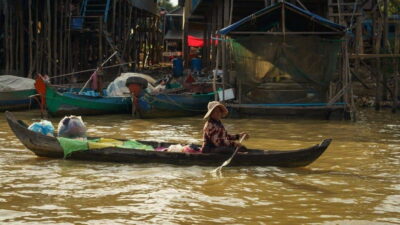
Sunset tour of Kampong Phluk stilts home village on the Tonle Sap
Read our review →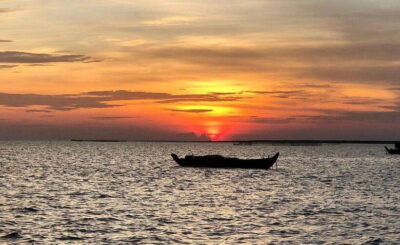
Kampong Phluk Floating Village Tour with Boat
Read our review →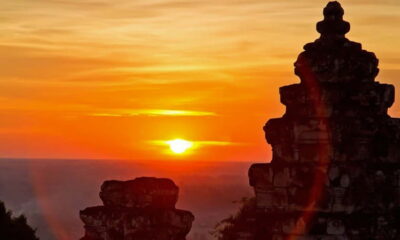
Angkor Wat Sunrise tour with Small – Group and Guide tours
Read our review →