
Reviewed · FLOATING VILLAGE TOURS
Siem Reap: Floating Village Tour
Tonle Sap is not simply a lake with boats on it. It is a huge seasonal water system where homes, schools, shops, and churches must adjust to water that can rise from about 1.5 meters to more than 10 meters. This three-hour floating village tour gives you a close look at that unusual way of life, with local guides such as Mr Friday and Vanna explaining what you see.
I like the easy hotel pick-up and the stop at a lotus farm, which adds a slice of Cambodian countryside before the boat ride. I also like that the guides and Queen Tara staff come from the area, giving the tour a local connection. The main drawback is that the village may be viewed mostly from the boat, and the advertised start time should be confirmed before you book.
Key points at a glance
- Tonle Sap changes direction twice a year: Seasonal water flow reshapes the lake, fishing grounds, and floating settlements.
- A lotus farm adds color and context: You learn how the lotus is used in Buddhist culture and daily life.
- Local guides lead the trip: Mr Friday, also known as Mr Poun Poss, and Vanna are named guides associated with especially strong tours.
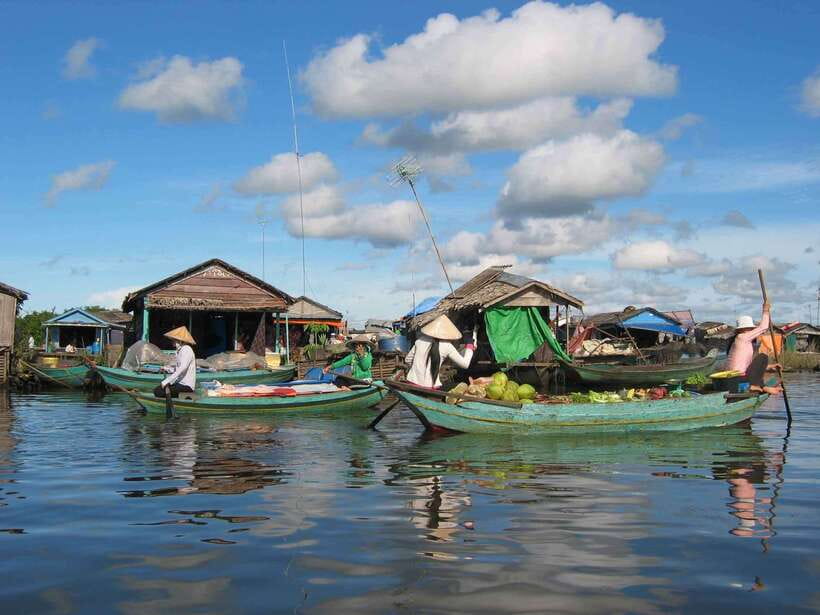
- The village is a floating community: Schools, markets, churches, police facilities, gardens, and sports courts all operate on the water.
- Queen Tara provides a relaxed pause: The former cargo boat is used for drinks and local fresh fruit, though food and drinks are not included in the price.
- Hotel transfers are included: You do not need to arrange separate transport to the boat ramp.
Why Tonle Sap feels unlike an ordinary lake trip
The most interesting part of this excursion is the water itself. Tonle Sap is linked to the Mekong system, and its flow changes direction twice each year. During the dry season, water drains south toward the Mekong and the delta in Vietnam. When monsoon water swells the delta, the flow turns north into Tonle Sap.
That change affects nearly every part of local life. The lake can cover about 2,700 square kilometers at one point in the year and more than 12,000 square kilometers at another. Water depth also shifts sharply, from roughly 1.5 meters near the start of the wet season to more than 10 meters at its height.
You will not get a full lesson in hydrology during a three-hour outing, but a good guide can make this pattern easy to understand. It explains why floating homes are built to move, why fishing communities follow the water, and why the same view can look very different from one season to the next.
The lake is also described as the largest freshwater lake in Southeast Asia and a major fishing center. More than 120 bird species use the lake and surrounding wetlands, which helped earn Tonle Sap UNESCO biosphere reserve status in 1997. You may see large water birds during the ride, although bird sightings depend on conditions and season.
More Floating Village Tours in Siem Reap:
- From Siem Reap: Kampong Phluk Floating Village Tour by Boat
★ 4.9 · 6,979 reviews - Siem Reap: Kampong Phluk Floating Village Tour with Boat
★ 4.9 · 3,843 reviews - Siem Reap Floating Village Kampong Phluk Sunset with Boat
★ 5.0 · 1,962 reviews
From Siem Reap to the lotus fields
The tour begins with pick-up at your hotel, guesthouse, or hostel. Transport may be by air-conditioned minivan, car, or tuk tuk, depending on the arrangement. The lake is about 14 kilometers from Siem Reap, so the road journey is short enough to fit comfortably into a half-day plan.
The first stop is a lotus flower farm. This is more than a quick photo stop. Your guide explains the plant’s place in Buddhist culture and the many uses of the lotus, including the stem. The broad fields of flowers also give you one of the prettiest views on the approach to the lake.
I like this opening because it puts the boat trip in a wider setting. You first see a working part of the countryside, then continue past rice paddies and rural Cambodian scenes. It is a useful contrast to central Siem Reap, where most visitors spend their time around hotels, restaurants, and temple transport.
Allow for changing road conditions and do not treat the three-hour duration as a minute-by-minute promise. The tour includes road travel, stops, the boat ride, and the return transfer. If you have a temple visit or flight booked soon after, leave a sensible buffer.
Boarding the flat-bottomed riverboat
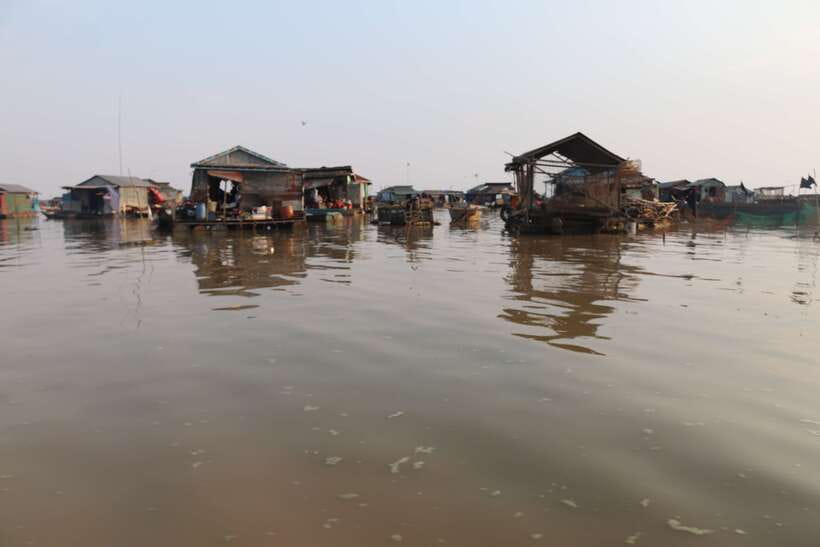
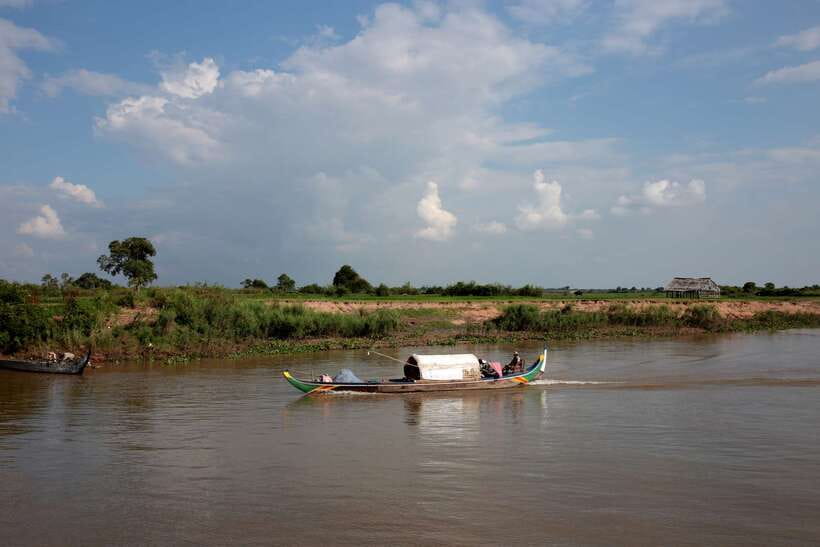
At the river entry point, private boats are waiting for the trip into the floating settlements. The flat-bottomed design suits the shallow, twisting waterways leading toward the open lake. You travel through narrow channels with frequent bends before the view opens out.
This section is often the most atmospheric part of the outing. The waterway carries you into a community that is organized around boats rather than roads. Homes and businesses sit on the water, and the setting changes with the lake level.
The boat is not a luxury cruise vessel. Expect a practical ride designed for access and local sightseeing. You should dress for sun, wind, and spray, and bring protection for your skin and eyes. The tour operates in all weather, so a light rain layer is useful during the wet season.
The supplied details do not state the exact boat capacity or whether every departure uses the same boat. If you care about privacy or want a particular seating arrangement, ask when booking. The experience can be private in the sense of using a dedicated boat while still involving shared road transport, so it is worth checking what your reservation includes.
Seeing a community built on water
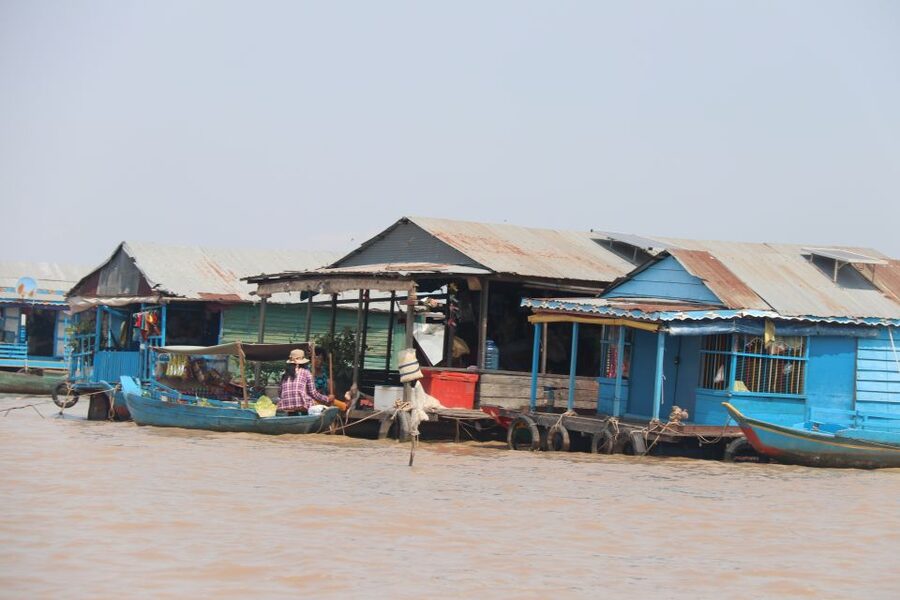
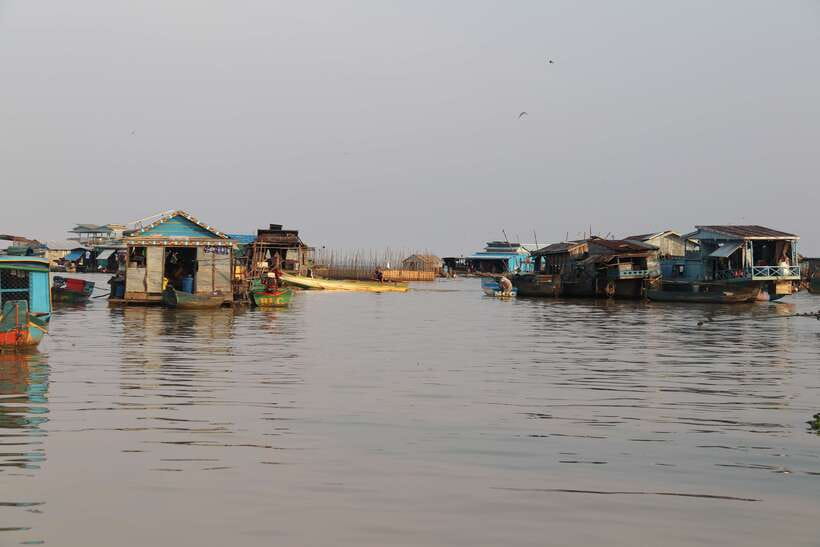
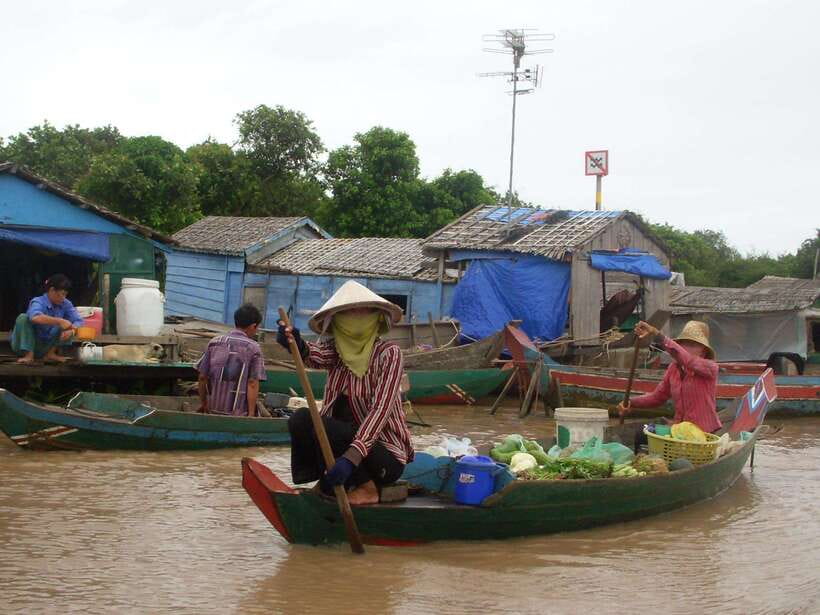
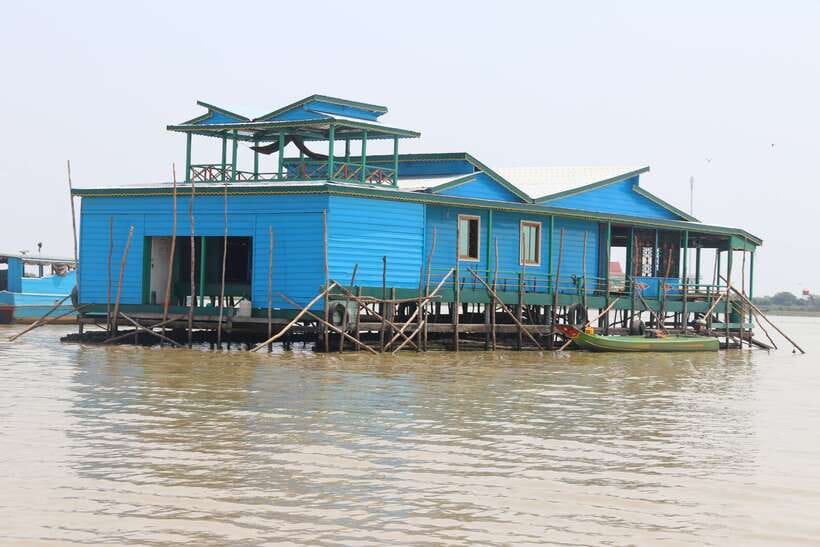
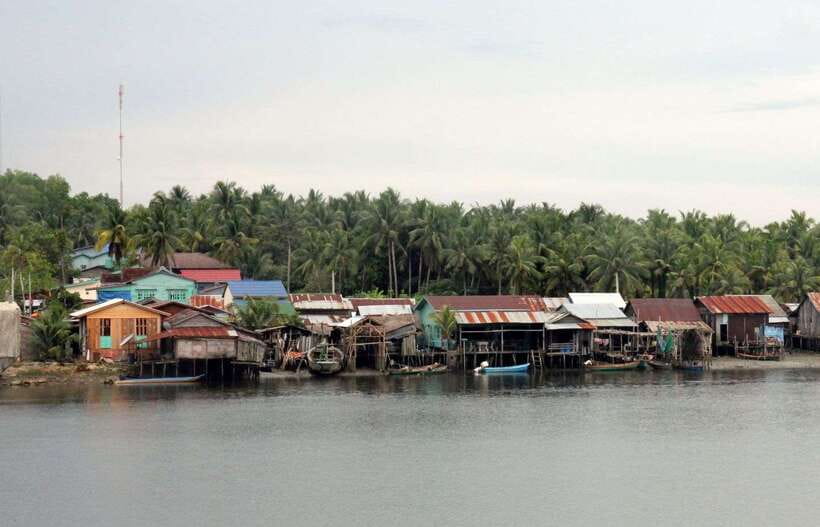
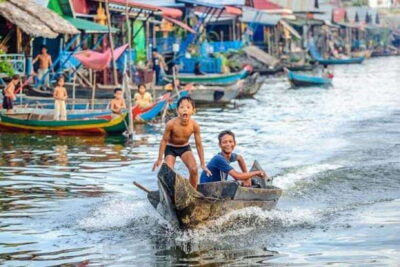
The floating villages are home to about 6,000 people. As the boat moves through the waterways, you may see floating schools, churches, markets, police facilities, a jail, basketball courts, and vegetable gardens. These details matter because they show that this is not a staged collection of boats for sightseeing. It is a functioning community shaped by water levels and fishing.
The key is to watch for how ordinary services have been adapted. A school must float. A garden needs a floating base. A shop must be reached by boat. The lake is not just the setting for daily life, it is the road, workplace, food source, and source of seasonal uncertainty.
Fishing remains central, but stocks have been declining. That puts pressure on fishermen and their families, and the problem is ongoing. The tour presents itself as a way to support local employment through guides, boat crews, and the Queen Tara operation. You should still listen carefully to how your guide describes the local economy rather than reducing the community to a photo opportunity.
Mr Friday, whose formal name is Mr Poun Poss, is a useful name to request if he is available. His tour is described as covering village life, Cambodian history, and wider social issues. Vanna is another guide who has been singled out for clear explanations about the area and Cambodian customs. Guide availability is not guaranteed, but you can ask for either by name.
A few more Siem Reap half-days to weigh up
- Angkor Wat Sunrise or Sunset Tour with Guide from Siem Reap
★ 5.0 · 12,109 reviews - Siem Reap: Angkor Wat: Small-Group Sunrise or Sunset Tour
★ 5.0 · 9,444 reviews - Sunset tour of Kampong Phluk stilts home village on the Tonle Sap
★ 5.0 · 4,865 reviews - Siem Reap: Angkor Wat 2-Day Tour with Sunrise and Sunset
★ 4.9 · 4,429 reviews
When the river opens into the lake
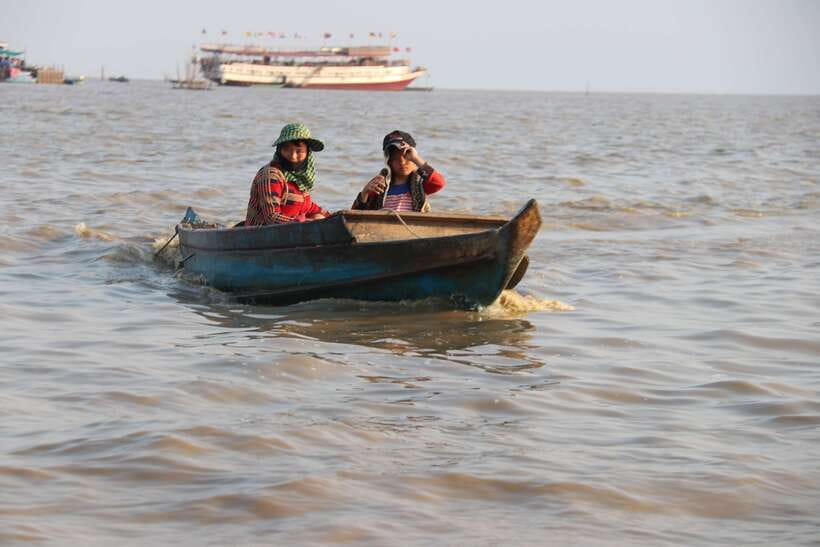
After the tighter river channels, the boat reaches the broad body of Tonle Sap. The change can be striking. Instead of looking at homes and riverbanks, you see open water that can feel more like an inland sea than a lake.
The size of the lake helps explain why communities here cannot simply move onto higher ground and continue as usual. Water levels govern access, fishing, building, and travel. During the wet season, forests can fill quickly and floating villages shift as the water rises.
This is also the best part of the trip for a wider view and, potentially, bird watching. Tonle Sap supports more than 120 bird species, especially large water birds. The tour does not promise a dedicated birding guide or a guaranteed list of sightings, so bring binoculars only if you already have them and can carry them comfortably.
The open lake can feel exposed in strong sun. There may be limited shade on the boat, and food and drinks are not included. Carry water unless you plan to buy something during the stop at Queen Tara.
A pause aboard the Queen Tara riverboat
The tour docks with the Queen Tara, a roughly 100-year-old former cargo boat. It now serves as a stopping point where you can buy or enjoy drinks and local fresh fruit. Since meals and drinks are excluded from the tour price, clarify what is complimentary and what you will pay for on board.
This pause breaks up the boat ride and gives you a steadier place to sit. It can also be a good time to ask your guide about the lake’s seasonal cycle, fishing, or the village facilities you have just seen.
One reported itinerary also includes a stop at a crocodile farm. The supplied tour details do not clearly establish whether this stop appears on every departure, so treat it as a possible part of the route rather than a firm promise. Some visitors may find it interesting, while others may feel it is less meaningful than the village and lake itself.
If your main goal is an in-depth cultural visit, ask how much time will be spent at the village and whether the crocodile stop is included that day. That simple question can help you choose the right tour for your interests.
What the three-hour format really gives you
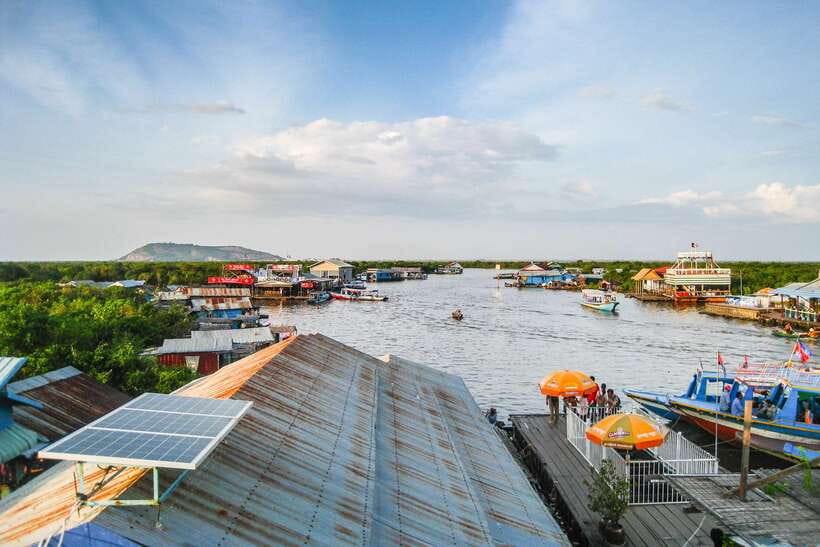
Three hours is enough for a useful introduction, not a long field study. You get hotel transport, a countryside route, the lotus farm, the riverboat, views of the floating community, the open lake, and a Queen Tara stop. That is a good amount of ground for a short outing.
The tradeoff is limited time at each place. You will be moving for much of the trip, and the village is primarily seen from the water. One criticism of the experience is that the village visit can feel like a boat ride with views from a distance and not enough explanation. That is why the guide makes such a difference.
For the strongest experience, stay near the guide and ask questions. A guide born in the village can explain things that are not obvious from the boat, such as why buildings are positioned where they are or how the water level affects movement. If the commentary is brief, you may come away with attractive photos but less understanding.
The start time also needs attention. The activity is listed with availability to check, and one booking was expected to run from 2 to 4 p.m. but began at 9 a.m. Confirm your actual pickup time directly after booking. Early morning and sunset departures are both mentioned as appealing options, but the available schedule may vary.
Is the $65 price good value?
At $65 per person, this is not the cheapest way to see Tonle Sap. The price includes hotel pick-up and return, all transport, the English-speaking local guide, checkpoint fees, boat and driver costs. Those inclusions matter because reaching the lake independently involves arranging a road transfer and boat separately.
I consider the price fair if you value convenience and a local guide. It is especially practical for a first visit to Siem Reap, families, and anyone who does not want to negotiate at the boat ramp. The tour also supports local guides and boat staff connected with the community.
The value is weaker if you want a long, private cultural visit or a serious bird-watching trip. The duration is short, meals and drinks cost extra, and much of the village is viewed from the boat. In that case, compare the price with a longer private excursion before booking.
Children aged 10 and under pay half price, and children aged 5 and under go free. Children must be accompanied by an adult, and unaccompanied minors are not allowed. The tour is therefore suited to families, provided everyone can manage the boat ride and outdoor conditions.
Who should book this experience
I would choose this trip if you have a free morning or afternoon in Siem Reap and want to see more than temples. It gives you a quick look at rural Cambodia, a major ecological system, and a floating community in one outing.
It suits you especially well if you want:
- Hotel pick-up and drop-off without arranging separate transport
- A family-friendly activity outside the city
- A short boat ride rather than a full-day excursion
- A guide who can explain Cambodian life and Tonle Sap’s seasonal changes
- A chance to support local transport and guiding jobs
I would think twice if you expect to walk through the village, visit homes, or spend a long time speaking with residents. The route is mainly from the water, and the quality of the explanation can shape the experience. I would also avoid scheduling it too close to an airport transfer until your pickup time is confirmed.
Wear light clothing suited to hot weather, bring sun protection, and carry water. Since the tour runs in all weather, pack a rain layer when clouds are building. Ask about the exact departure time, the crocodile farm stop, and what refreshments at Queen Tara cost.
Should you book the Tonle Sap floating village tour?
Book it if you want a convenient, compact introduction to Tonle Sap with transport included. The lotus farm, changing lake waters, floating public facilities, and local guides give the trip more substance than a simple boat outing.
Skip it, or choose a longer private tour, if your priority is detailed community contact or extended time on the lake. The strongest reason to book this particular experience is the local guiding, especially if you can request Mr Friday or Vanna. Confirm the schedule and village viewing plan first, then the $65 price can make good sense for a three-hour escape from Siem Reap.
FAQ
Where does the floating village tour take place?
The experience takes place in Siem Reap Province, Cambodia, with the boat portion on Tonle Sap and its nearby floating villages.
How long does the tour last?
The stated duration is three hours. This includes hotel transportation, the route to the lake, the stops, the boat ride, and the return transfer.
Is hotel pick-up and drop-off included?
Yes. Pick-up and return to your hotel, guesthouse, or hostel are included.
What transport is used?
The road journey may use an air-conditioned minivan, car, or tuk tuk. The lake portion uses boats with a boat driver, including flat-bottomed riverboats for the village waterways.
Are food and drinks included?
No. Meals and drinks are not included. The tour docks at the Queen Tara riverboat, where drinks and local fresh fruit are available as part of the stop.
Are children allowed on the tour?
Yes. Children must be accompanied by an adult. Children aged 10 and under pay half price, while children aged 5 and under are free. Unaccompanied minors are not allowed.
What languages does the guide speak?
The tour provides live guiding in English and Cambodian. Guides named in the available information include Mr Friday, also called Mr Poun Poss, and Vanna.
New around Siem Reap
- Kulen Mountain With Ticket included Plus Banteay Srei Temple Tour★ 5.0 · 7 reviews
- 2 Days Angkor temples with Sunrise & Sunset★ 5.0 · 7 reviews
- Private Siem Reap Airport Transfer to hotel in town★ 5.0 · 7 reviews
- 1-Day private Angkor Temple Tour with Sun Rise by Tuk Tuk from Siem Reap★ 4.5 · 7 reviews
- Siem Reap: Morning Cooking Class & Market Tour★ 5.0 · 7 reviews
- Kulen Mountain, Killing Fields and War Museum Tour★ 5.0 · 7 reviews
- War Museum, Killing Field, and APOPO Hero RATs Tour★ 5.0 · 7 reviews
- Angkor Explorer by Cambodiajeep★ 5.0 · 7 reviews
Floating Village Tours, compared.
Kampong Phluk Floating Village Tour with Boat
Read our review →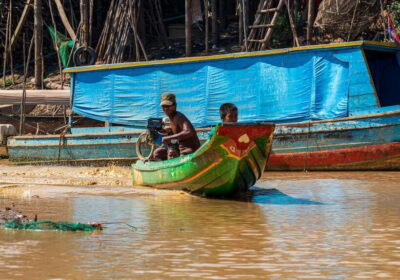
Siem Reap Floating Village Kampong Phluk Sunset with Boat
Read our review →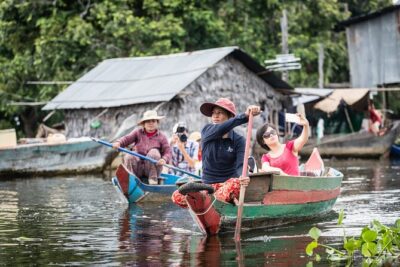
Kompong Phluk Floating Village Half-Day Tour ( Morning / Sunset )
Read our review →
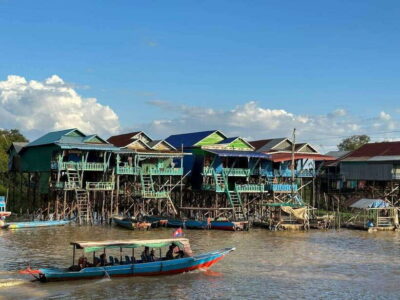
Tonle Sap, Kampong Phluk & Floating Village Tour
Read our review →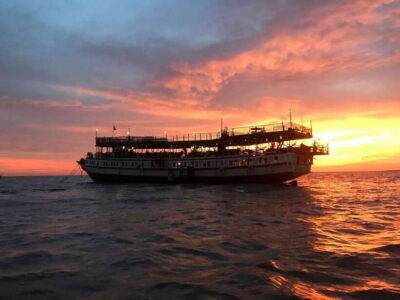
Sunset Dinner Tour: Tonle Sap Lake Floating Village
Read our review →Browse the lists this tour appears in