
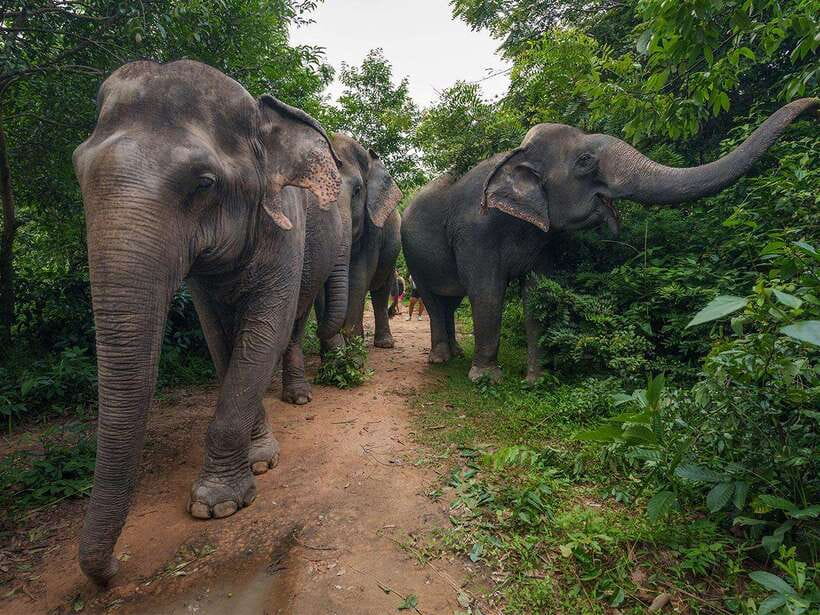
Reviewed · KULEN MOUNTAIN TOURS
Kulen Elephant Forest Tour with Hotel Pick-up & Drop off
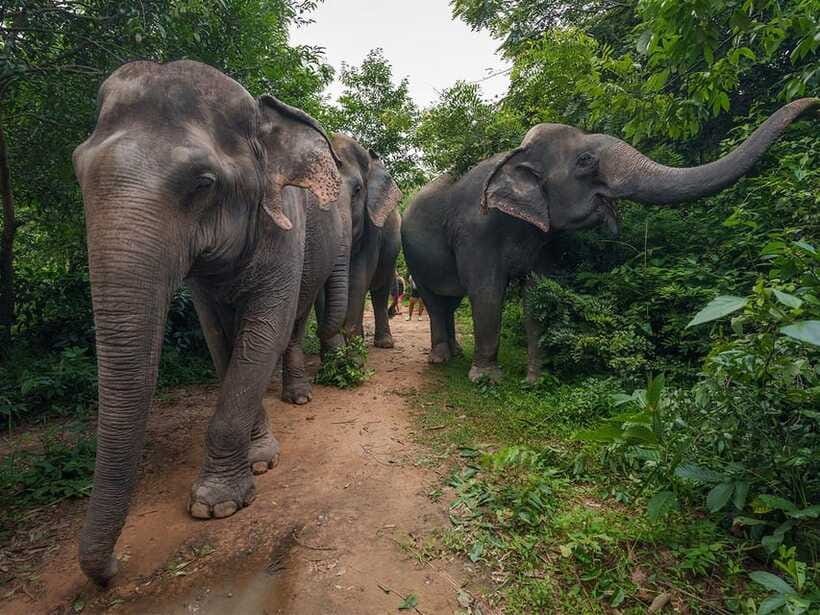
Kulen Elephant Forest gives you something rare in Cambodia: time beside elephants without riding them. You help prepare rice cakes, offer bananas and food by hand, then follow the animals through the forest as they forage, dust themselves, and sometimes enter the water. The elephants set the pace, which makes the encounter feel more like observation than a staged show.
I like the animal-first approach, and I like the small-group feel reported by many people who took the morning trip. Guides including Seth, Kia, Tom, Toho, Doha, and Sath are repeatedly praised for clear English, humor, and care for the elephants. The main drawback is the price: $139 per person is high by Cambodian standards, and you spend about two hours in road transport for roughly three hours at the camp.
Key points to know before booking
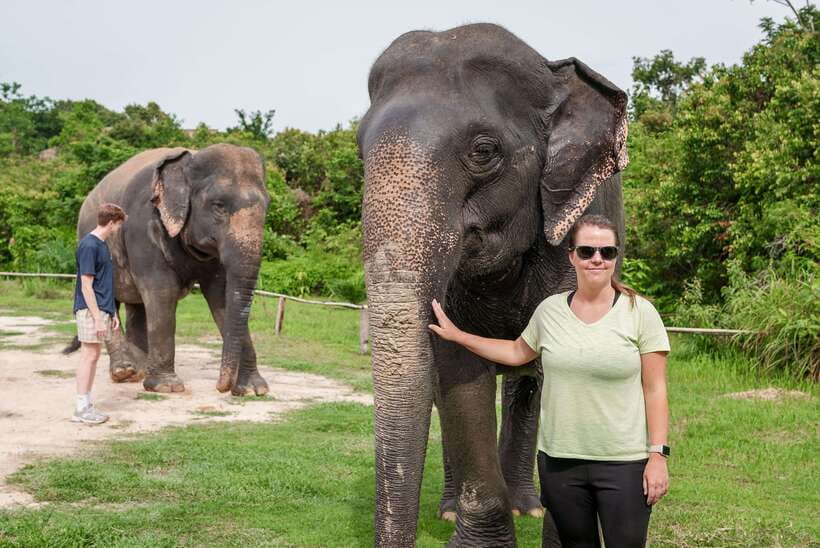
- Retired elephants lead the visit: You follow them rather than asking them to perform.
- Hands-on feeding: You may prepare rice cakes and feed the elephants bananas and other food.
- No elephant riding: The experience is built around walking, watching, and gentle contact.
- Two-hour round-trip transfer: A tuk-tuk takes you to the city office, followed by about an hour in an air-conditioned van each way.
- Morning and afternoon options: Morning pickup is around 7:30 am with lunch included; afternoon pickup is around 12:30 pm with a snack.
- Bring protection from the outdoors: Sunscreen, sunglasses, and insect repellent are useful, and a hat is especially sensible in the heat.
Meeting the elephants on their terms
The strongest part of this tour is the change in emphasis. You are not paying for elephants to pose, carry people, or repeat tricks. You spend time watching animals that have been placed in a retirement forest after years of work connected with logging or tourist service.
The forest is described as a retirement home for about 10 elephants, with roughly 400 hectares for them to roam. These are not animals returning to a completely wild life. Some have never lived in the wild, and they still need daily food, care, health checks, and help from their handlers. That makes the visit more honest than the usual promise of seeing animals simply returned to nature.
I especially like the rule built into the day: the elephants decide what happens next. If they walk, you walk. If they stop to eat, rub against a tree, bathe, or play in the water, you watch. The schedule gives you a framework, but the animals do not appear to be pushed through a fixed performance.
You may touch an elephant, but contact is not the whole point. The memorable moments often come from watching the relationships within the herd and seeing how the mahouts understand individual animals. Some handlers have cared for particular elephants for many years, in some cases more than 20. That long connection adds useful context to the experience.
More Kulen Mountain Tours in Siem Reap:
- Kulen Waterfall Join-in Tour (local Picnic lunch)
★ 5.0 · 2,434 reviews - Kulen Mountain: Small-Group Tour and Picnic lunch
★ 4.9 · 1,802 reviews - Siem Reap: Kulen Mountain, Beng Mealea and Tonle Sap Tour
★ 5.0 · 1,483 reviews
The journey from Siem Reap to Kulen
Your day begins with a tuk-tuk pickup at your hotel. The morning departure is scheduled for 7:30 am, while the afternoon departure is around 12:30 pm. Wait in the hotel lobby about 10 minutes early, and look for a driver holding a sign with your last name.
The tuk-tuk takes you to the operator’s office in central Siem Reap. From there, you board a shared, air-conditioned van for the one-hour drive to Kulen Elephant Forest. This handoff is practical, though it means the tour does not begin with a direct hotel-to-sanctuary ride.
The road trip is part of the day’s cost, so consider it when judging value. You get to see the countryside outside Siem Reap, but two of the six hours are spent in transit. The air conditioning matters, especially during Cambodia’s hotter months, and the return transfer avoids the work of arranging separate transport.
The shared van also gives the outing a social side. You may be placed with a mixed group, and several people have enjoyed meeting other visitors over lunch or during the ride. If you prefer a private, quiet animal encounter, this is worth keeping in mind.
Preparing rice cakes and meeting the herd
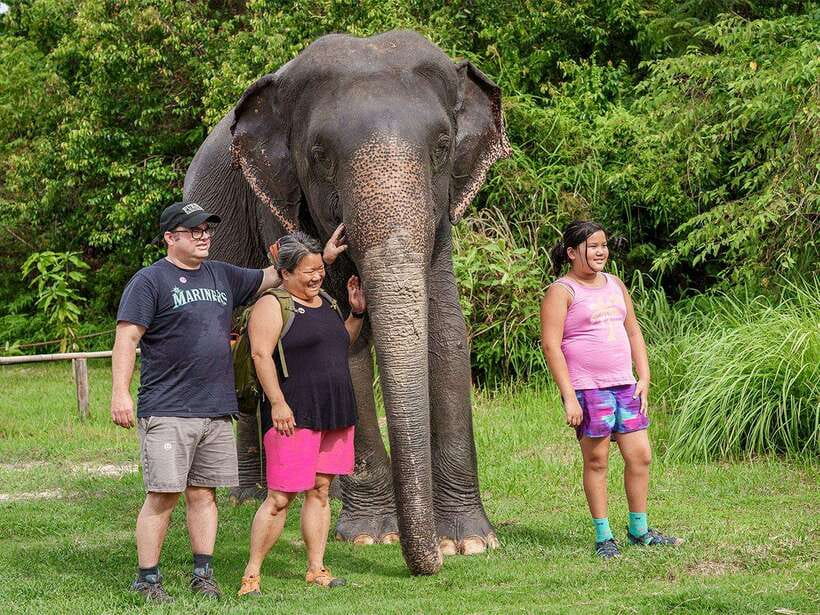
At the camp, the visit begins with an introduction from your English-speaking guide. The guide explains the elephants’ stories, their personalities, and how to behave around them. Names such as Seth, Kia, Tom, Toho, Doha, and Sath appear often among the guides, though your assigned guide depends on the day.
A popular first activity is making rice cakes or sticky rice balls for the elephants. It is simple, messy, and useful because it gives you a better idea of what the animals eat and lets you take part before approaching them.
You then meet the elephants and feed them. Bananas and the prepared rice cakes are mentioned often, with the animals extending their trunks to take food from your hands. This is the closest contact of the day, so listen carefully to the guide and follow instructions about where to stand and how to offer food.
The feeding period can feel busy because everyone wants a photograph. A good guide helps divide attention among the group and explains the names, ages, and habits of the elephants. The strongest part is not simply getting a close photo. It is seeing the animals respond in their own way, sometimes with calm interest and sometimes with no interest at all.
Three hours of walking, watching, and water
The main camp visit lasts about three hours and includes a guided walk into the forest. You do not ride the elephants. Instead, you follow them as they move through their setting, gathering food, covering themselves with dust, and stopping when they choose.
This is a walking experience, not a seated animal encounter. One person described quite a lot of walking, although at an easy pace because the group follows the elephants’ daily saunter. You should still be ready for heat, uneven ground, and time on your feet.
The forest setting gives the visit a calmer rhythm. You may watch the elephants rub against trees, search for food, or interact with one another. Their behavior supplies the entertainment, so this tour works best if you enjoy patient observation rather than a tightly timed sequence of activities.
Water time is often a highlight. The elephants may bathe or play in a pool, and you can watch from nearby. Some sessions also allow you to hose the elephants down afterward. This is a pleasant, memorable finish, but it should be understood as an opportunity rather than a guaranteed performance. The elephants’ mood and choices shape the program.
Photography is possible, and guides may help with pictures when they can. Still, keep your phone ready without letting it take over the visit. The most meaningful details are often small: a trunk reaching for food, an elephant following another through the trees, or a handler recognizing a familiar habit.
More Elephant Sanctuary Tours in Siem Reap:
- From Siem Reap: Elephant Sanctuary Experience with Transfers
★ 4.9 · 282 reviews - Kulen Elephant Forest & Kampong Phluk by Private Tour
★ 5.0 · 79 reviews - Siem Reap: Elephants & Apopo Rat Demining Private Trip
★ 4.6 · 46 reviews - Siem Reap: Kulen Elephant Forest Guided Tour
★ 5.0 · 43 reviews
What the guide adds to the day
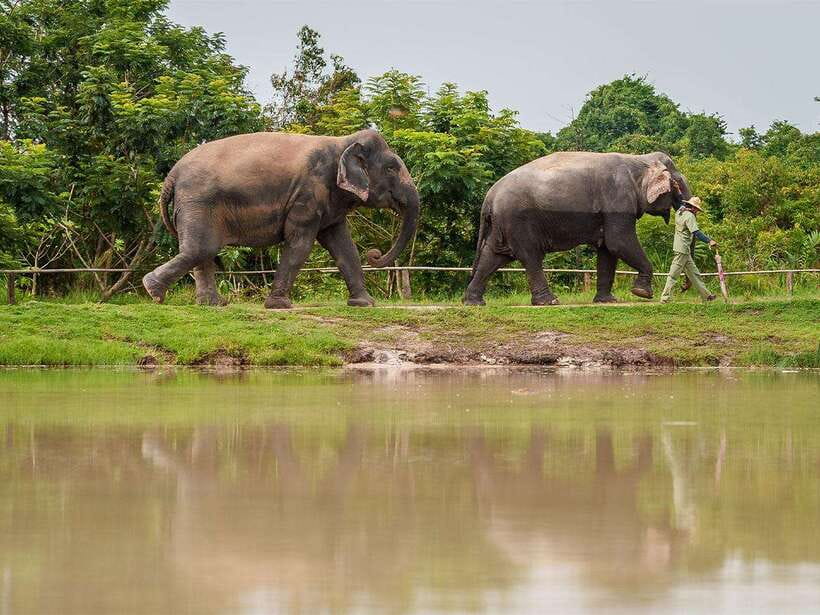
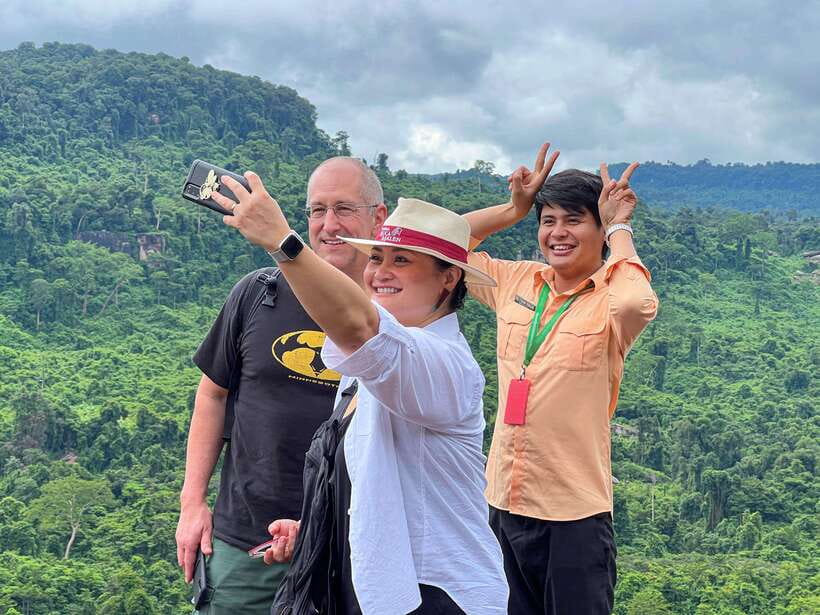
The guide can make or break an animal experience, and this tour has a strong record in that area. Guides are praised for good English, clear explanations, humor, and a warm manner. Seth is often described as funny as well as informative, while Kia is noted for explaining elephant behavior and the sanctuary’s work.
Toho has been praised for handling both driving and guiding with a welcoming attitude. Tom is described as passionate and still learning the elephant-handling side of the work, while Doha is praised for his clear affection for the animals. These details matter because the guide is more than a person who leads the walk.
You want someone who can explain why a particular elephant behaves differently from another, how the herd interacts, and what the animals’ earlier working lives involved. The best guides also help you understand why the sanctuary limits contact and why following the elephants is preferable to directing them.
A small group can make this easier. The morning visit may be divided into two groups, creating a more personal outing. Group size is not stated as fixed, so do not book on the assumption that every departure will be intimate. Still, the available experience points toward a guided group rather than a large, crowded attraction.
Food, timing, and the choice between morning and afternoon
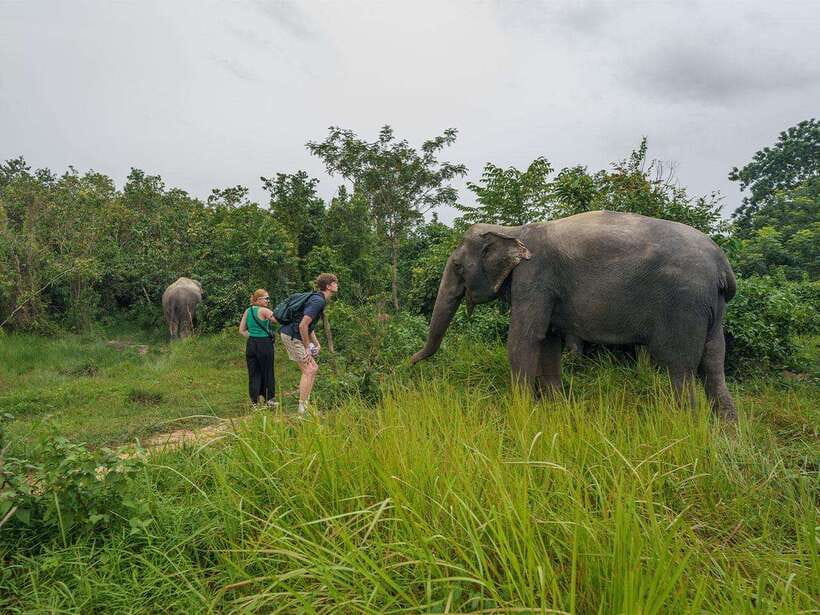
The morning section includes lunch at the reserve. Food has been described as good, with dietary restrictions accommodated, and it gives the group time to sit together after the forest walk. Drinks and fresh fruit may also be available as part of the food service described during the visits.
The afternoon section is listed with a snack rather than lunch. One account describes picnic-style food on an afternoon visit, so the exact refreshment may vary by departure. If a full meal matters to you, choose the morning section or confirm the afternoon arrangement before booking.
The morning schedule is usually better for anyone who prefers cooler conditions and wants lunch included. The afternoon may suit your plans if you want a later start, but Cambodia’s heat can make the outdoor portion feel tougher. A hat, sunscreen, sunglasses, and insect repellent are sensible for either time.
Allow the full six hours. The published route includes about one hour by van each way, plus the tuk-tuk transfer between your hotel and the city office. After returning to the office, the driver takes you back to your accommodation.
Is $139 a fair price?
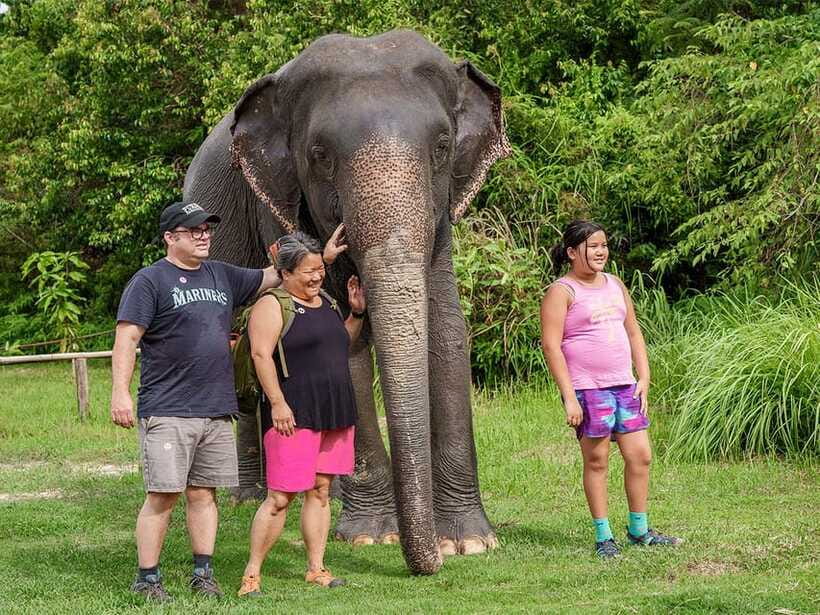
At $139, this is an expensive half-day-plus outing in Siem Reap. You can find cheaper countryside trips and arrange a tuk-tuk independently for less. One person specifically felt the added tuk-tuk arrangement cost more than hiring a driver directly, with a separate ride to the office potentially costing only a few dollars.
That comparison is fair, but it does not tell the whole story. Your fee covers the elephant guide, admission, transport from the city office, hotel pickup and return, water, walking with the elephants, and food depending on the time of day. It also supports the day-to-day care of animals that need food and medical attention.
I would not choose this tour simply because it is the cheapest way to see an elephant. The value lies in the welfare model, the trained staff, and the chance to observe retired elephants without riding or theatrical shows. If the animal-care standards matter to you, the higher price is easier to justify.
Still, the price does not guarantee a private tour, a long session of touching, or a particular water activity. You are paying for access to a protected setting and for responsible care, not for total control over what the elephants do.
Who will enjoy this experience most?
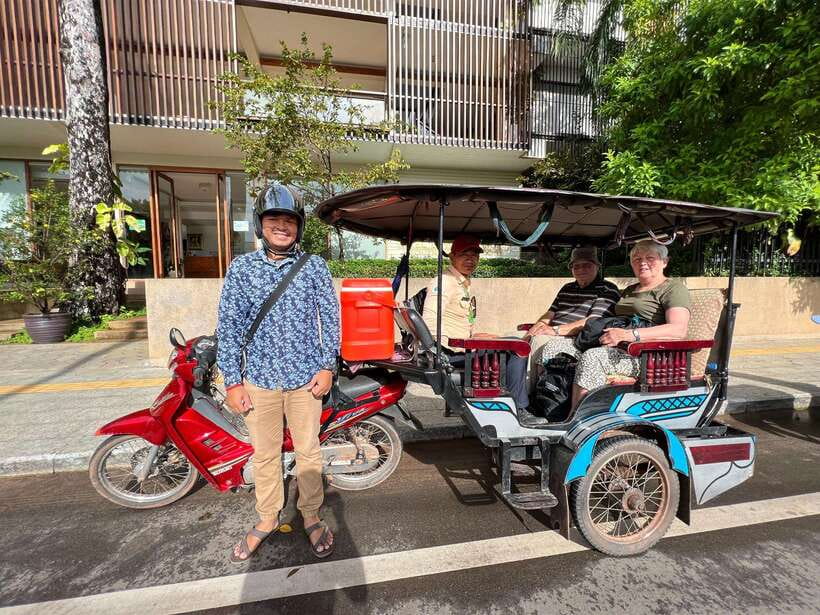
I would recommend Kulen Elephant Forest to you if you care about animal welfare and want a close encounter that is still based on observation. It suits couples, solo visitors, families with older children, and anyone who wants a break from temple sightseeing.
It is also a good choice if you want a guided introduction to elephants rather than simply seeing them from a distance. The explanations about individual animals, their past work, their handlers, and their retirement make the experience more meaningful.
You may want to reconsider if you dislike long road transfers, hot outdoor walking, or shared transport. It is not ideal if your main goal is a guaranteed elephant bath, a particular photo, or constant physical contact. The animals are not there to follow your schedule.
The tour can be emotional. Some elephants show signs of difficult pasts, including tears or holes in their ears, and the stories of their former work are not light entertainment. For many people, that history makes their present care more moving. For others, it may be a heavier experience than expected.
Practical details that improve the day
Book with the cancellation terms in mind: you can cancel up to 24 hours before the start for a full refund, and you can reserve without paying immediately. Check the available start times because the exact schedule may change.
Bring:
- Sunscreen
- Sunglasses
- Insect repellent
- A hat for strong sun
- Comfortable clothes for walking
Wear things you do not mind getting damp if your visit includes hosing or water activity. The provided information does not state a dress code, so practical outdoor clothing is the safest choice.
Pickup is included, but confirm your hotel details carefully. Be in the lobby early and watch for the sign with your surname. The guide language is English, and the transport is air-conditioned for the main road journey.
Should you book Kulen Elephant Forest?
Book this tour if you want a serious elephant encounter built around feeding, walking, and watching rather than riding. The strongest reasons to go are the animal-led pace, the long-term relationships between handlers and elephants, and the chance to see retired animals living with room to move.
I would choose the morning departure for lunch, cooler conditions, and a fuller day. I would also accept the price only if the sanctuary’s welfare approach is important to me. If you are happy to pay for responsible care and can handle the one-hour drive each way, Kulen Elephant Forest is one of the more worthwhile animal experiences available from Siem Reap.
FAQ
How long does the Kulen Elephant Forest tour last?
The tour lasts six hours, including transport between Siem Reap and the elephant forest.
What time is hotel pickup?
Morning pickup is scheduled for around 7:30 am. Afternoon pickup is scheduled for around 12:30 pm. You should wait in your hotel lobby 10 minutes early.
Is hotel pickup and drop-off included?
Yes. A tuk-tuk collects you from your accommodation, takes you to the city-center office, and returns you to your accommodation after the visit.
How long is the drive to Kulen Elephant Forest?
The shared, air-conditioned van takes about one hour from the Siem Reap office to the camp, followed by about one hour back.
Can I ride the elephants?
No. Elephant riding is not included. The experience focuses on feeding, walking beside the elephants, and observing them.
Is lunch included?
Lunch is included with the morning section. The afternoon section includes a snack instead. Check the details for your chosen departure before booking.
What language is the tour conducted in?
The live tour guide speaks English.
New around Siem Reap
- Kulen Mountain With Ticket included Plus Banteay Srei Temple Tour★ 5.0 · 7 reviews
- 2 Days Angkor temples with Sunrise & Sunset★ 5.0 · 7 reviews
- Private Siem Reap Airport Transfer to hotel in town★ 5.0 · 7 reviews
- 1-Day private Angkor Temple Tour with Sun Rise by Tuk Tuk from Siem Reap★ 4.5 · 7 reviews
- Siem Reap: Morning Cooking Class & Market Tour★ 5.0 · 7 reviews
- Kulen Mountain, Killing Fields and War Museum Tour★ 5.0 · 7 reviews
- War Museum, Killing Field, and APOPO Hero RATs Tour★ 5.0 · 7 reviews
- Half-Day: Silk Farm, Senteur Angkor, and Satcha Workshop★ 4.6 · 7 reviews
Kulen Mountain Tours, compared.
Kulen Mountain: Small-Group Tour and Picnic lunch
Read our review →
Kulen Mountain, Beng Mealea and Tonle Sap Tour
Read our review →
Phnom Kulen Waterfall & the Sacred 1000 Lingas (with Lunch)
Read our review →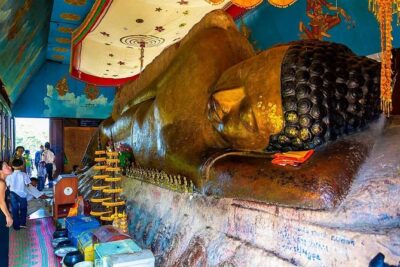
Guided Small-Group Tour in Kulen Mountain Park Waterfall
Read our review →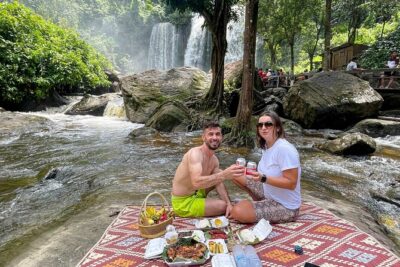
Kulen Mountain Waterfall Tour with Picnic Lunch from Siem Reap
Read our review →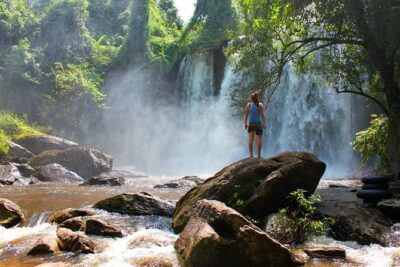
Kulen Waterfall & 1000 Linga River Small-Group Tours
Read our review →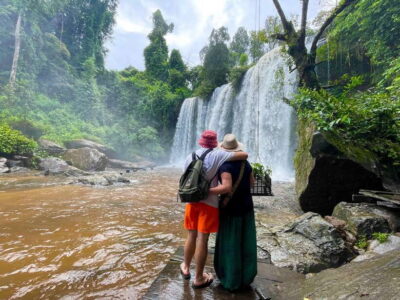
Banteay Srei, Kulen Waterfall & Beng Mealea Exploration
Read our review →Kulen Waterfall, Banteay Srei, and Beng Mealea Tour
Read our review →Browse the lists this tour appears in