
Reviewed · KAMPOT TOURS
Khmer Food Culture Cooking Class in Kampot
Kampot’s food story begins at the market, not at the stove. On this four-hour class, a chef guides you through local ingredients before you cook three Khmer dishes in a traditional colonial house near the river. Kampot pepper gets proper attention, and you leave with recipes you can make at home.
I like the freedom to choose a starter, main dish, and dessert. I also like the small-group format: the class may have up to six people, or you may end up with one-on-one help, as Cate did. The main consideration is that extra drinks and alcohol cost more, and the class is best for people who want hands-on cooking rather than a quick demonstration.
Key points at a glance
- A market visit comes first: Your chef helps you understand the ingredients before you start cooking.
- Choose three Khmer dishes: Pick a starter, main, and dessert instead of accepting a fixed menu.
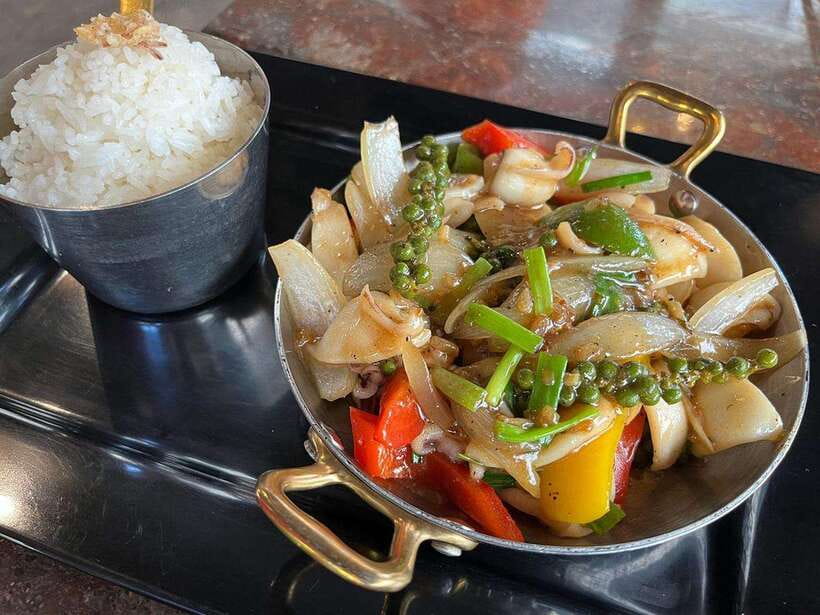
- Kampot pepper takes center stage: The class shows how this famous local ingredient works in Cambodian food.
- Cooking happens in a colonial house: The setting is central Kampot, close to the river.
- Small groups mean useful guidance: The group can be private, with past classes ranging from one person to six.
- The $42 price covers the basics: Transfers, food, ingredients, water, Wi-Fi, VAT, and the market tour are included.
Starting at Kampot’s local market
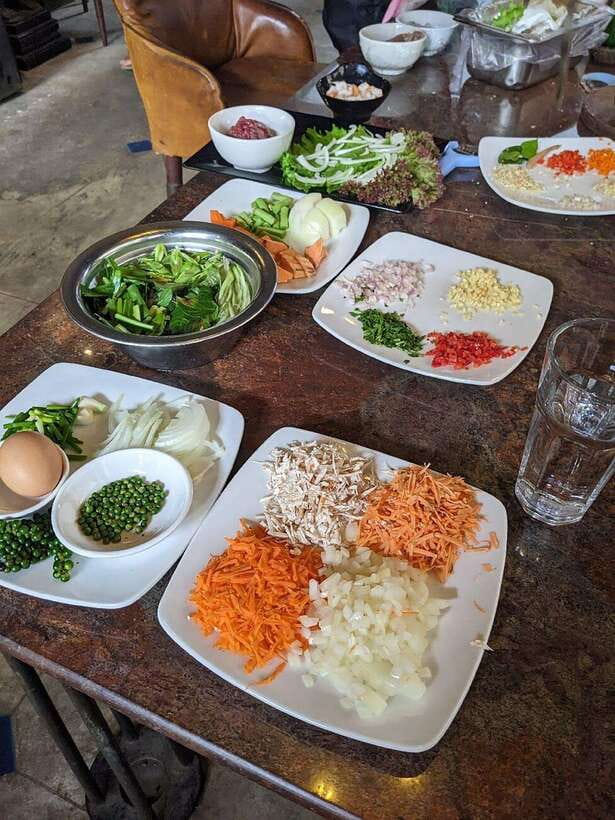
The class begins with a visit to a Khmer local market, guided by your professional chef. This is an important part of the experience because Cambodian cooking depends on knowing the ingredients, not just following a recipe card.
You will see what goes into the dishes before you prepare them. Your chef can explain how ingredients are used and help you connect the fresh market produce with the food you later eat. That makes the class more useful than a simple meal followed by a short cooking display.
The market visit also gives the class a local focus. You are not just cooking generic Southeast Asian food. You are learning about Khmer dishes and the flavors associated with Kampot, including the province’s famous pepper.
The exact market route and the individual ingredients are not specified, so you should expect guidance rather than a fixed sightseeing tour. If you are curious about a particular herb, spice, or vegetable, ask your English-speaking instructor while you are there. The market is your best chance to ask what something is and how it appears in Cambodian cooking.
More Cooking Classes in Kampot:
- Kampot Countryside: Authentic Khmer Cooking Class
★ 4.8 · 21 reviews - Khmer Cooking Class at a Local’s Home in Krong Siem Reap
★ 5.0 · 2,731 reviews - Siem Reap: Khmer Cooking Class at a Local’s Home
★ 5.0 · 1,108 reviews
Choosing your Khmer menu
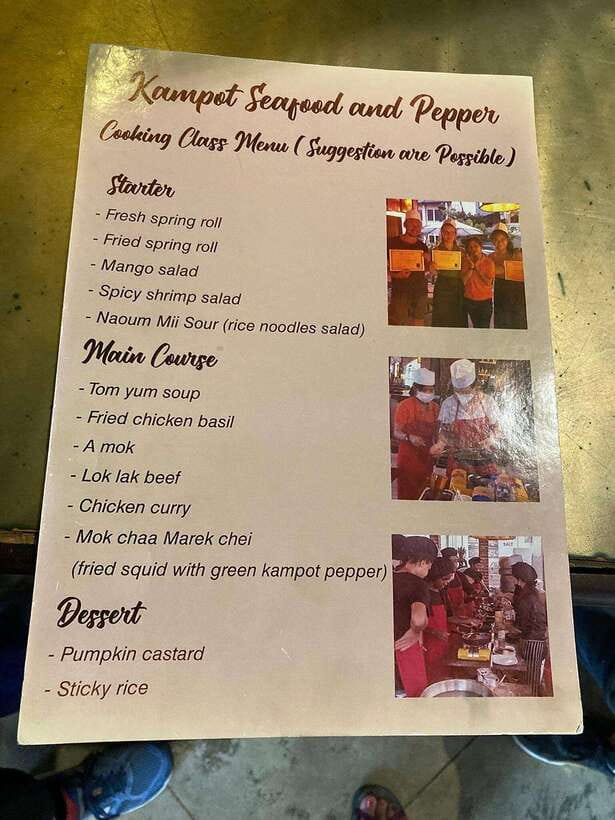
After the market, you choose three dishes: one starter, one main, and one dessert. This flexible menu is one of the strongest features of the class.
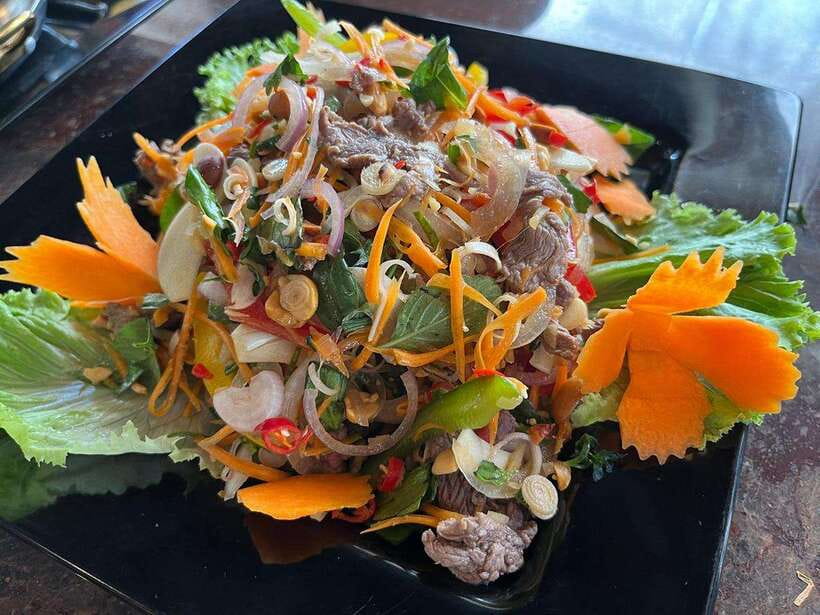
A fixed menu can be easy to organize, but it may leave you cooking something you would not normally order. Here, you have a say in the meal. Past choices have included spicy beef salad, lok lak beef, and mango sticky rice. Other examples connected with the class include larb, papaya salad, and amok.
That range gives you a good sense of Cambodian food. A salad brings fresh, sharp flavors. Lok lak offers a more filling beef dish. Amok introduces one of Cambodia’s best-known preparations, while mango sticky rice gives you a sweet finish.
You should confirm the available choices with the chef on the day. The information gives examples rather than a guaranteed menu, and market availability may affect what can be prepared. Still, the ability to choose is a real advantage, especially if you have food preferences or want to focus on a certain kind of dish.
The three-course structure also gives the four-hour class a clear rhythm. You are not rushed through one recipe, but you are not signing up for a full culinary school day either. You learn several dishes, sit down to eat, and have enough variety to make the meal feel complete.
Cooking inside a colonial house near the river
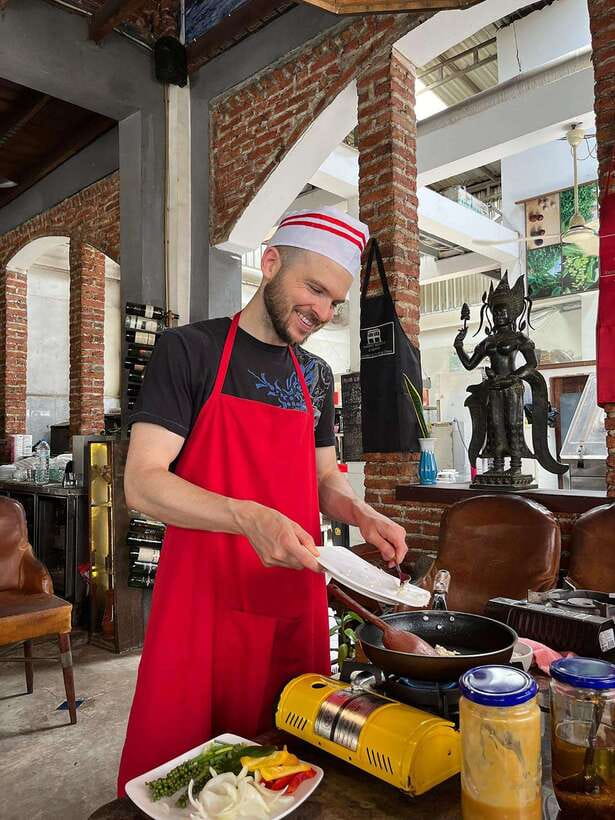
The cooking takes place in a traditional colonial house in central Kampot, near the river. That setting matters. A class held in a home-style building feels more connected to the town than one held in a large commercial kitchen.
You will work with your chef tutor as you prepare the dishes. The instruction is in English, and the class is designed to show you how to use the ingredients rather than simply hand you a finished plate.
The strongest feedback about the teaching is its patience and clarity. Christian described having a friendly and patient cook who explained everything calmly and step by step. That is exactly what you want in a cooking class, especially if you are not used to Cambodian ingredients or cooking methods.
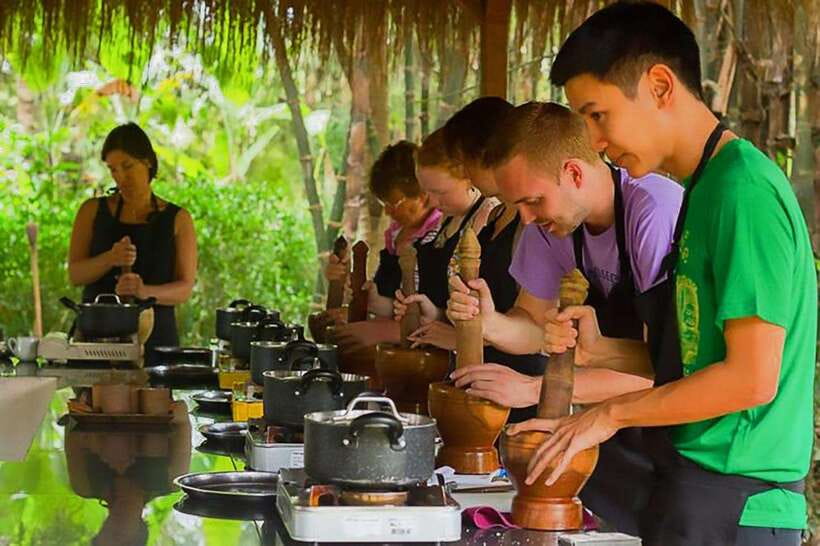
The format can be especially good for solo participants. Cate ended up as the only person in the class and received a one-on-one lesson, with the freedom to choose the recipes she wanted. If the class is fuller, you may share the kitchen with up to six people, which is still a manageable size for a hands-on lesson.
A private group setup also makes the class a sensible choice for friends, couples, or family members who want to cook together. You will not be placed into a large crowd. The trade-off is that the atmosphere can vary depending on the booking. A solo class may offer more personal attention, while a six-person group may feel more social.
Learning the flavor of Kampot pepper
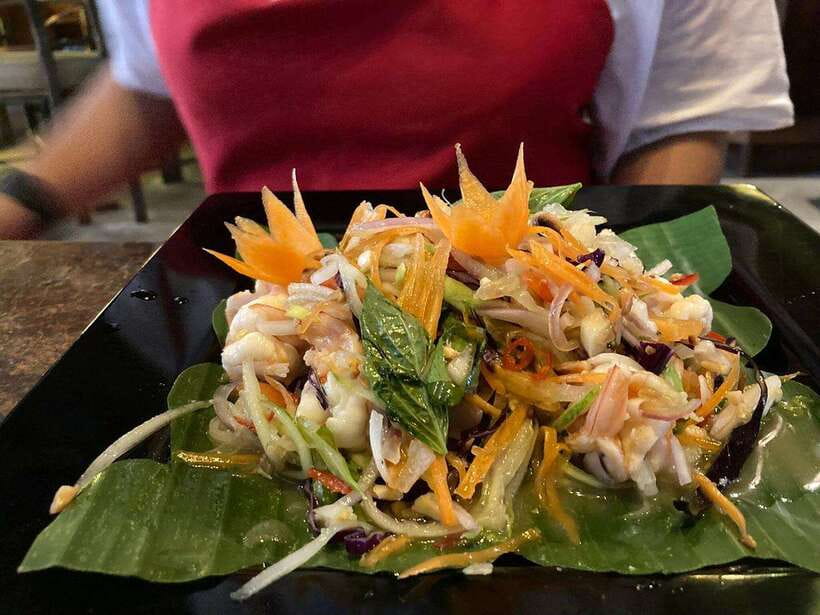
Kampot pepper is the local ingredient to watch. It is not included as a decorative talking point. The class specifically teaches you how to prepare Khmer dishes based on this well-known pepper.
For you, the value is practical. You get to see how pepper works as part of a dish, rather than tasting it on its own or buying a packet at a shop without knowing how to use it. The chef can connect the ingredient to the recipes you prepare.
Do not expect a separate lecture on every aspect of pepper production, since that is not part of the stated program. The focus is cooking. Still, using a signature local ingredient gives the meal a clear sense of place, and it helps distinguish this class from a general Cambodian food lesson.
The class also makes room for adventurous flavors. Cambodian cuisine can combine fresh herbs, sour notes, spice, sweetness, and savory depth in ways that may be new to you. The recipes listed for the experience give you several ways to sample that range.
More Food Tours in Kampot:
- Phnom Penh: Sunset Cruise with Unlimited Beer &Fruit platter
★ 4.7 · 515 reviews - Sunset Cruise with unlimited beer & soft drinks -English speaking guide on board
★ 5.0 · 419 reviews - Ultimate Phnom Penh Food Tour by Tuk Tuk: 20 Tastings and Drinks
★ 5.0 · 409 reviews - Siem Reap Evening Food Tour – Inclusive 5 stops Local Tastings
★ 5.0 · 325 reviews
A meal you prepare yourself
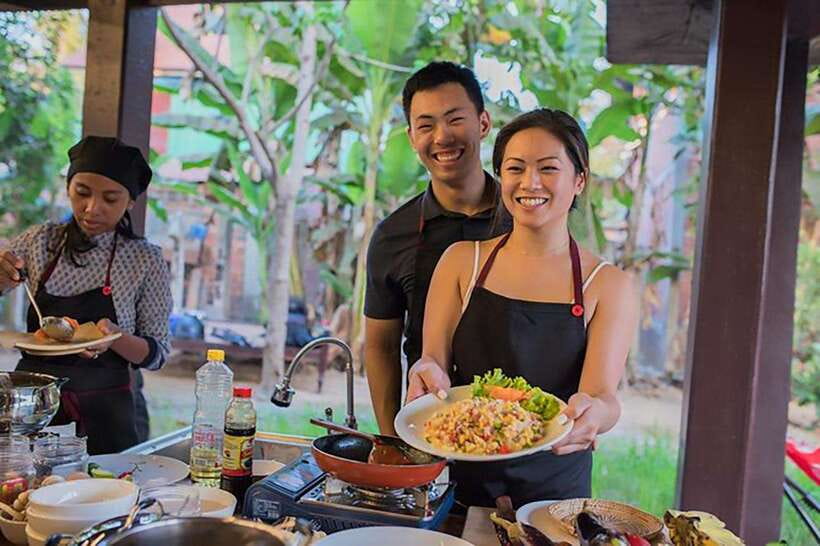
You eat the food you cook, which sounds obvious but changes the experience. Every plate gives you a chance to see how the ingredients came together and decide what you would repeat at home.
This is where I see the best value in the class. You are not paying only for lunch. You are paying for the market visit, instruction, ingredients, transport, and a meal that you help create. The recipes can also give you a small, practical reminder of your time in Cambodia after you leave Kampot.
The class does not promise a printed cookbook or take-home ingredients, so do not assume those are included. What you do receive is the experience of preparing the dishes and learning the process from an English-speaking chef.
If you cook at home, pay close attention to measurements, substitutions, and preparation steps. Ask questions as you work. The more you treat the lesson as a chance to learn rather than simply a meal, the more useful it becomes later.
What the $42 price covers
At $42 per person, the price is reasonable for a four-hour private-group experience that includes both a market tour and a meal. You also get round-trip transfer, all ingredients, food, water, Wi-Fi, VAT, and the instruction itself.
The included transfer is useful in Kampot because you do not need to arrange separate transport to the colonial house. Pickup is included from your hotel, and you should wait in the lobby from 10 minutes before the scheduled time.
The price is less attractive if you only want to eat Cambodian food. A restaurant meal will normally take less time and require less planning. This class earns its price through participation, local food orientation, and the chance to repeat the dishes later.
Extra drinks are not included. Alcoholic drinks are available for purchase, so bring that cost into your plans if you want wine, beer, or another alcoholic drink with the meal. Water is included.
Timing, access, and booking flexibility
The experience lasts four hours, but the starting time depends on availability. Check the available times before booking so the class fits around your other plans in Kampot.
You can cancel up to 24 hours in advance for a full refund. You can also reserve now and pay later, which is handy if your route through Cambodia is still changing.
The class is wheelchair accessible. That is useful information for anyone who needs accessible arrangements, though you may still want to confirm any personal requirements with the provider before booking.
The instructor language is English. The experience provider is Cambo Tours Services, and the class is offered as a private group. The ticket line is skipped, although this is a cooking class rather than a major sight with an entry queue.
Who will get the most from this class
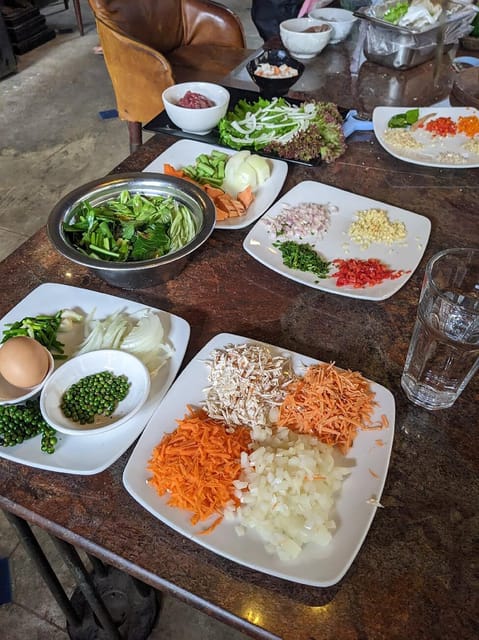
I would choose this class if you want to understand Cambodian food by making it yourself. It suits couples, friends, solo visitors, and small family groups who enjoy a meal with an activity attached.
It is also a good fit if you prefer some control over your menu. Choosing three dishes makes the experience more personal, and the examples show that you can select from salads, beef dishes, traditional preparations, and dessert.
Solo visitors should not worry that a class needs a crowd to work. A one-person booking may give you extra attention, as Cate found. At the other end, a group of six is still small enough for direct instruction.
You may want to skip it if you dislike cooking, have only a short stop in Kampot, or want a formal food history lecture. The class focuses on market ingredients, cooking, and eating. It is practical rather than academic.
Food restrictions are not described in the available details. If you have allergies or follow a special diet, contact the provider before booking and ask what substitutions are possible. Do not assume every listed dish can be changed.
What the feedback tells me about the teaching
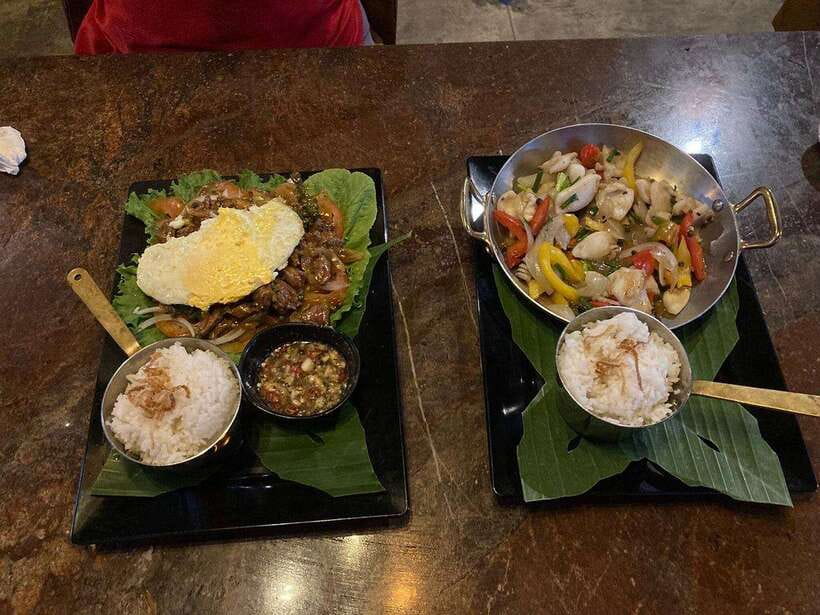
The praise is remarkably consistent on the points that matter most in a cooking class: patience, kindness, clear instruction, and good food.
Lyna is named as a kind and helpful instructor, and the class was recommended for both solo participants and people attending with a friend. Another participant described the cooking as calm and step by step, which suggests the pace is friendly to beginners.
The class also seems to handle different group sizes well. One session had six people and was still described as a comfortable group. Each person could select a starter and main dish, which supports the idea that you will not be forced into a single meal plan.
The written feedback is short, so it does not answer every practical question. You are not given exact recipe sheets, market stall details, or a guaranteed dish list. For those details, ask when you book or when the chef meets you.
Still, a perfect score from seven ratings supports a clear conclusion: the teaching and personal attention are the strongest reasons to book. The class is not selling a grand production. Its appeal is the direct contact with the cook and the food.
Should you book the Khmer Food Culture Cooking Class?
Book it if you want a useful, friendly introduction to Khmer cooking with a local market visit and a meal you prepare yourself. The menu choice and small-group setup make it more personal than a standard demonstration.
At $42, the value is good because transport, ingredients, food, water, the market tour, and VAT are already covered. You will get the most from it if you ask questions, take notes, and pay attention to how Kampot pepper and other ingredients are used.
Think twice if your schedule is tight or if you only want to eat rather than cook. For everyone else, this is a practical four-hour way to turn a Kampot meal into a skill you can carry home.
FAQ
How long does the cooking class last?
The experience lasts four hours.
How much does the experience cost?
The price is $42 per person.
Where does the cooking class take place?
The class takes place in a traditional colonial house in central Kampot, near the river.
Does the experience include a market visit?
Yes. A professional chef guides you through a Khmer local market before the cooking session.
How many dishes will I cook?
You choose three Khmer dishes: a starter, a main course, and a dessert.
Can I choose my own recipes?
Yes. You can choose your dishes from the available options. Examples include larb, papaya salad, amok, spicy beef salad, lok lak beef, and mango sticky rice.
Is Kampot pepper part of the class?
Yes. The class teaches you how to cook Khmer dishes based on Kampot pepper.
Is hotel pickup included?
Yes. Round-trip transfer and pickup are included. You should wait in your hotel lobby from 10 minutes before the scheduled pickup time.
Is the class taught in English?
Yes. The instructor language is English.
Can I cancel for a refund?
Yes. You can cancel up to 24 hours in advance for a full refund. You can also reserve now and pay later.
Are drinks included?
Water is included. Extra drinks and alcoholic drinks are not included, though alcohol is available for purchase.
Is the experience wheelchair accessible?
Yes, the activity is listed as wheelchair accessible.
More hands-on workshops in Kampot
- Award-Winning Cooking Class Experience with Professional Teacher
★ 5.0 · 745 reviews - Siem Reap: Cambodian Pottery Class
★ 4.9 · 339 reviews - Khmer Cooking Class Half Day (AM or PM)
★ 5.0 · 316 reviews - Cambodian Village Cooking Class
★ 5.0 · 265 reviews
More Food in Kampot
- Old Siem Reap Sunset Food Tour by Tuk-tuk
★ 5.0 · 311 reviews - Siem Reap: Street Food Experience by Tuk-Tuk
★ 4.9 · 310 reviews - Phnom Penh’s Culinary Underground: Local Food Tour by Tuk-tuk
★ 5.0 · 234 reviews - Siem Reap: Evening Food Tour with 10 Local Tastings
★ 4.9 · 222 reviews
New around Kampot
- Kampot: Cultural Bike Experience – Local Life & Countryside★ 5.0 · 3 reviews
- Countryside tours include pepper plantations★ 5.0 · 3 reviews
- Kampot Countryside include Pepper farm,Kep crab market beach★ 5.0 · 4 reviews
- Kep: Discover kampot pepper farm/lake & Salt fields…more★ 5.0 · 5 reviews
- Kampot-Phnom Penh include Pepper farm Tour, Salt field, Lake★ 4.8 · 5 reviews
- Bokor mountain, Pepper plantation and Man-made lake★ 5.0 · 6 reviews
- Kep town: Local tuk tuk to Countryside & Pepper farm★ 4.6 · 8 reviews
- Kampot: Sunset Walking Tour★ 4.1 · 9 reviews
Kampot Tours, compared.
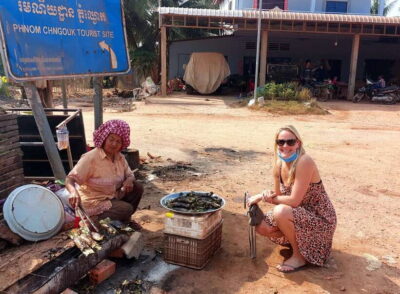
Pepper Farm Tours, Salt, Lake & Phnom Chhngok Temple
Read our review →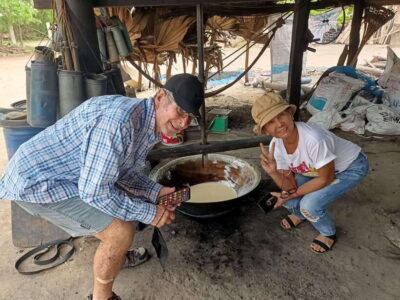
Full-day Countryside Tour with Pepper Farm and Kep
Read our review →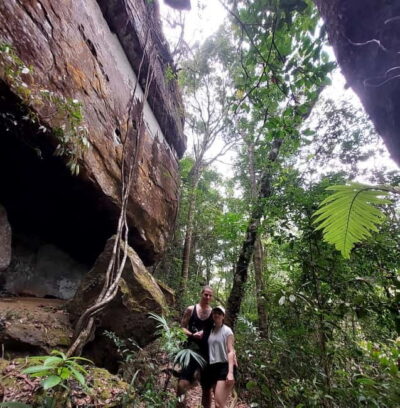
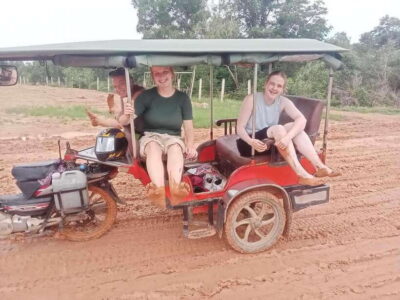
Tuk Tuk Trip to Pepper Farm, Kep, Crab Market & More
Read our review →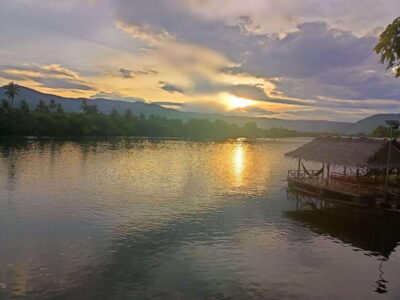
Green Cathedral Kayaking Journey & Reflection River View
Read our review →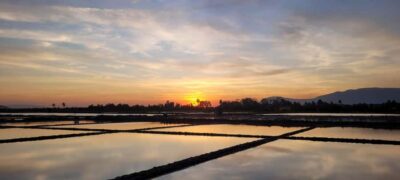
Kampot Countryside include Pepper farm, Salt field & Lake
Read our review →
Kampot’s Countryside & Kayak Tour, Pepper Farm include Lunch
Read our review →
Discover Kampot-Kep for a day trip include Bokor mountain
Read our review →Browse the lists this tour appears in