
Reviewed · BAMBOO TRAIN TOURS
Bamboo Train, Banann Temple, Fruit Bat, Bat Cave, Sunset
Battambang’s best full-day outing combines a bamboo train ride with a sobering visit to the Killing Cave and one of Cambodia’s most memorable natural shows: bats streaming from Phnom Sampov at sunset. Between those headline stops, you’ll see an old wooden house, rice fields, a riverside suspension bridge, fruit orchards, and hilltop temples.
I like the variety. You move from rural daily life to religious sites, then to Cambodia’s recent history and a wildlife spectacle, all in one private day. I also like that hotel pickup, a driver-guide, cold water, snacks, and tasting are included. The main drawback is the guide service can vary. Guanaka is praised as professional and attentive, while one guest found Mr Vatthana more like a driver than a guide, with limited English and explanations.
Key points to know before you book
- The bamboo train crosses Battambang’s rice country, with views of paddies, small markets, villages, and local life.
- Banan Temple requires a climb of 359 steps, so comfortable shoes and some stamina matter.
- Phnom Sampov combines sacred sites with painful history, including the Killing Cave and Khmer Rouge prison areas.
- The bat flight is the grand finale, usually watched around 5PM as millions of bats leave the cave to feed.
- The $36 price is per person, but entrance tickets and the bamboo train ride cost extra.
- This is a long private day, usually about 10 hours, with pickup around 9:30AM and a return to Battambang after sunset.
Why this day works so well in Battambang
Battambang is often described as Cambodia’s rice barn, and this tour gives you a useful look at why. The countryside around the city is open, agricultural, and closely tied to the Sangker River. Rice paddies, vegetable plots, orchards, and simple village roads replace the crowded feel of Cambodia’s larger sightseeing centers.
The day also has a strong rhythm. The morning begins with local landmarks and rural culture. Midday brings the bamboo train and Banan Temple. The afternoon turns toward Phnom Sampov, where the mood becomes more serious before ending with bats and sunset.
That range is valuable if you have only one day in Battambang. You will not get a slow, specialist visit to every stop, but you will see several sides of the province without arranging separate transport.
Because the outing is private, you can ask questions, adjust your pace, and spend more time at a stop that interests you. That advantage depends heavily on the guide assigned to you. Guanaka received especially strong praise for being prepared and responsive, but the quality of guiding is not guaranteed by the price alone. If your guide is quiet or has limited English, ask early for fuller explanations at the temples and caves.
More Bamboo Train Tours in Battambang
- Battambang: Tuk-Tuk, Bamboo Train, Killing/Bat Caves, Sunset
★ 4.9 · 1,436 reviews - Afternoon tour by tuk tuk to bamboo train,bat cave,killing cave,countryside.
★ 5.0 · 344 reviews - Battambang: Bamboo Train, Bat Cave, Killing Cave by Tuk Tuk
★ 5.0 · 182 reviews
Starting at Lok Ta Dambong Kra Nhoung
Pickup is arranged in Krong Battambang, usually around 9:30AM. Your driver is expected to wait about 10 minutes at the hotel, so be ready before the agreed time.
The first stop is Lok Ta Dambong Kra Nhoung Shrine, a symbolic Battambang landmark. You receive an explanation of the local story and how Battambang Province got its name. It is a short visit, around 15 minutes, but it gives you a starting point for understanding the city rather than rushing straight into the countryside.
This stop is especially useful if you know little about Battambang. It is not a major temple visit, and you should not expect a long cultural program. Think of it as a quick orientation with a local symbol.
Wooden homes and the Wat Kor countryside
The next major stop is Mrs. Bun Roeung’s Ancient House in Wat Kor Village. You spend roughly 45 minutes seeing the old house, hearing about its features, and taking in the village setting.
An old wooden home can tell you things a grand monument cannot. It points to family life, building traditions, and the way older rural households were arranged. The stop also breaks up the morning with a quieter look at Battambang’s past.
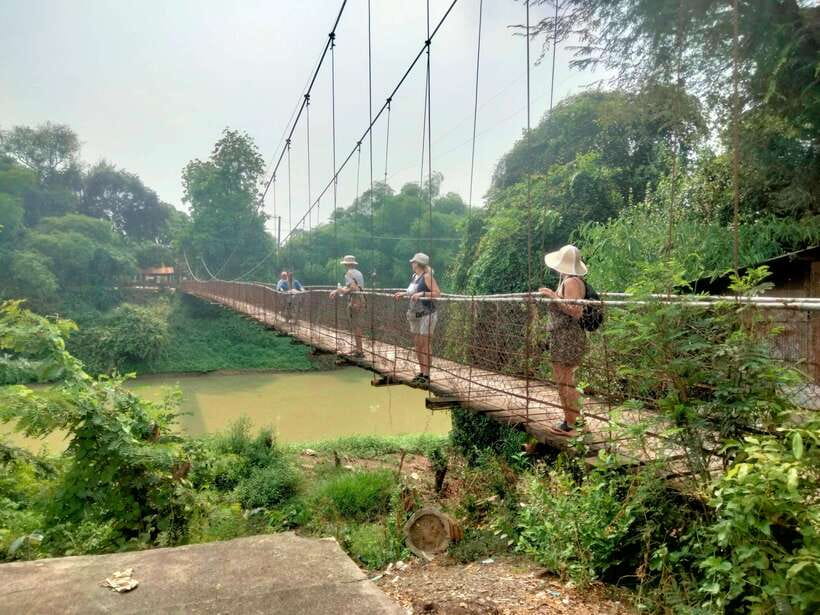
Afterward, the route continues to a suspension bridge along the riverside. You get about 20 minutes to walk and see the river, plantations, and surrounding countryside. This is a simple stop, but it gives you a chance to stretch your legs before the train ride.
Bring your camera here if you like ordinary scenes rather than polished attractions. The value lies in the setting: river movement, planted areas, and village traffic. It is not a large attraction with many facilities.
Riding the bamboo train through the rice fields
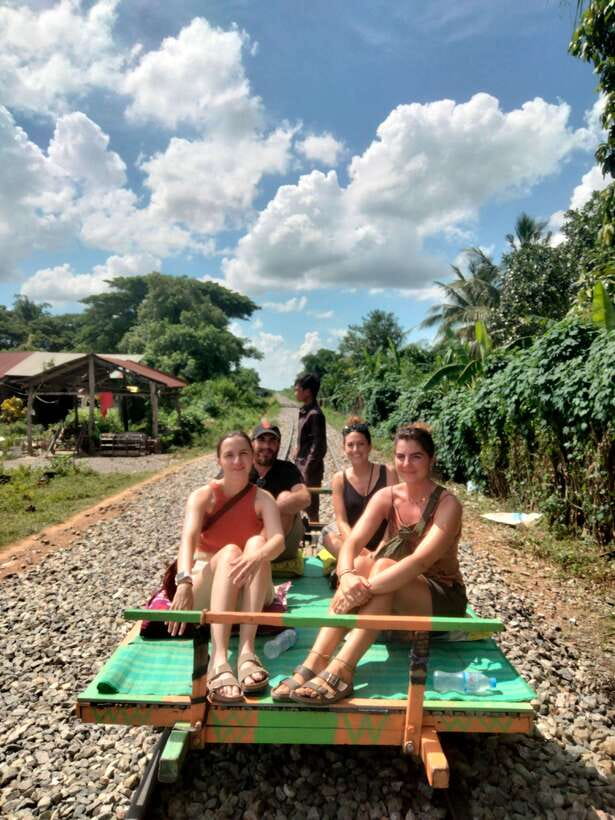
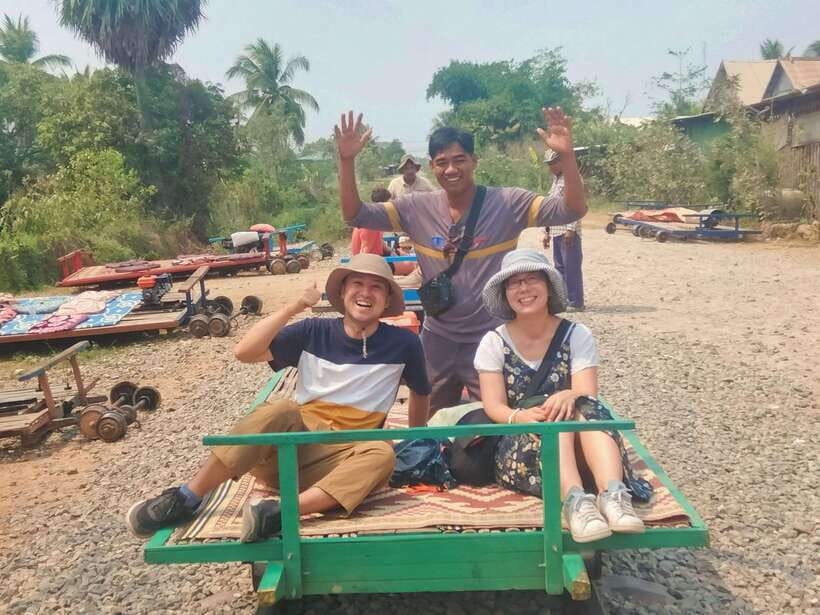
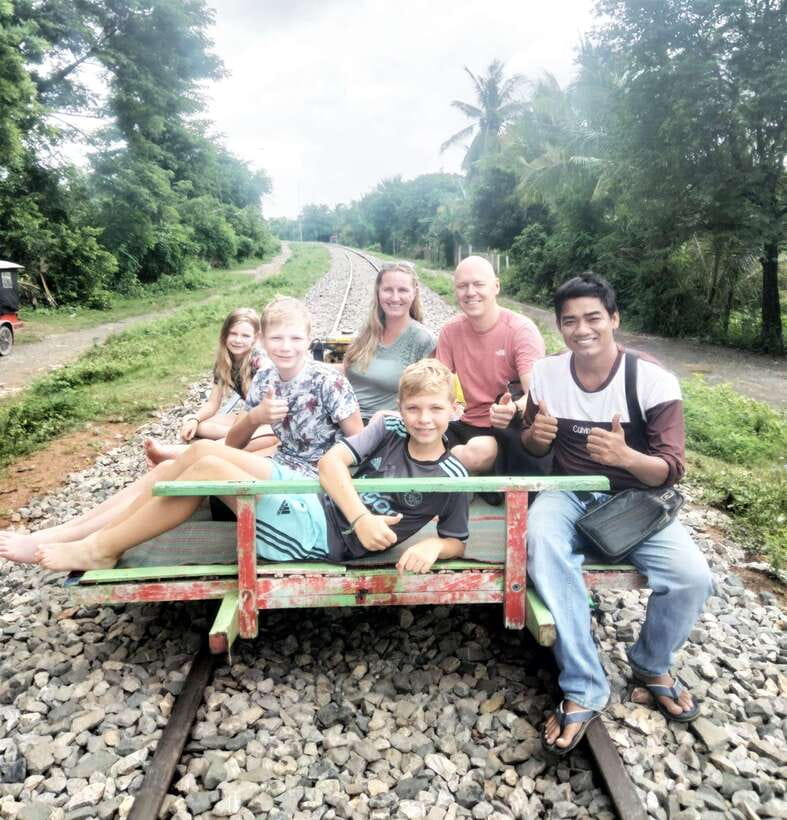
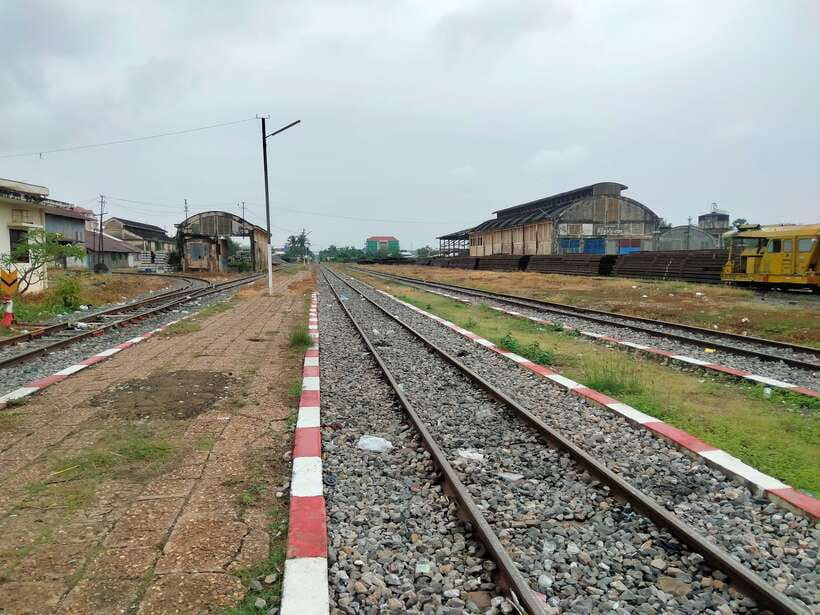
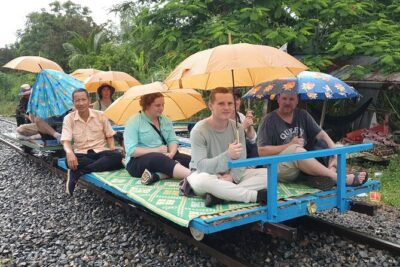
The bamboo train is the day’s most playful stop. The ride lasts about an hour and a half, including scenic views and an explanation of local life. You travel through the rice-growing region, looking across green paddies and passing small market areas.
The original bamboo train system became famous for its basic design: a flat bamboo platform running on a simple rail line. The supplied activity details identify the ride as an extra cost, so check the current fee before you set out. The $36 tour price does not include it.
What makes the ride worthwhile is not luxury. It is the slow view of rural Battambang. You are close to the fields, villages, and everyday activity, rather than sealed inside a larger vehicle. The trip gives you a direct sense of why rice production matters so much here.
The ride may be less appealing if you want a polished attraction or a long historical explanation. It is a straightforward rural outing, and comfort is basic. Still, for most people, this is one of the day’s most distinctive activities.
More Cave Tours in Battambang
- Battambang Tuk Tuk tour: Bambootrain, Killing & Bat Caves,Sunset
★ 5.0 · 799 reviews - Full Day tour .City tour.Countryside.Bamboo Train.Secret Bat Cave
★ 5.0 · 178 reviews - Afternoon Tour: Bamboo Train, Killing Cave &Bat Cave
★ 5.0 · 73 reviews - Battambang: Bamboo Train, Bat Cave and Killing Cave Tour
★ 4.9 · 58 reviews
Fruit orchards, vegetables, and giant bats in the trees
After the train, the route follows the Sangker River and moves through tropical fruit orchards and areas planted with vegetables. The guide also points out giant bats living in trees. They sleep during the day and fly out at night to search for food.
This short wildlife stop lasts about 15 minutes. Do not confuse it with the evening bat show at Phnom Sampov. Here, you are looking up into the trees for resting bats. At the end of the day, you watch a much larger group leave a cave.
The stop adds a useful detail to the rural picture. You see that the area is not only about rice. River water, fruit trees, vegetables, and wildlife all form part of the local environment. If you enjoy small observations, this may be more rewarding than another monument.
Climbing Banan Temple’s 359 steps
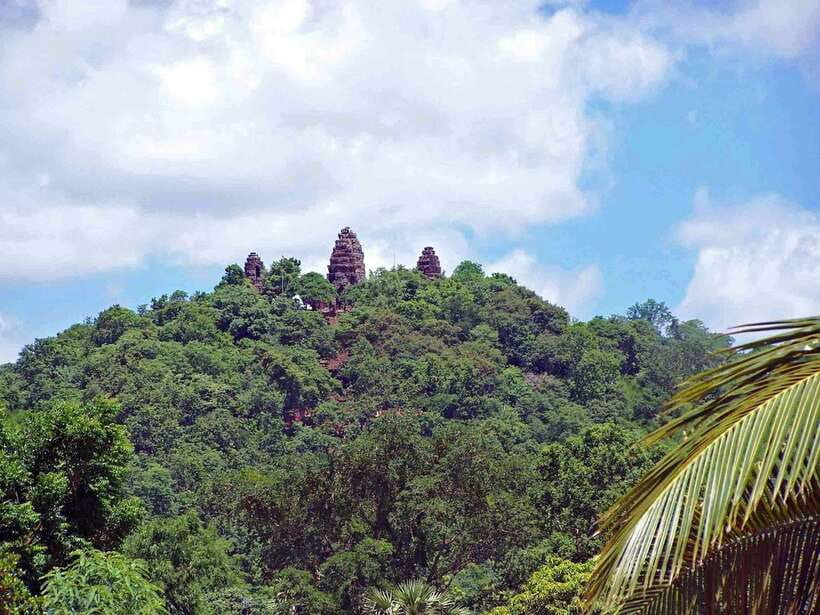
Banan Temple requires a climb of 359 steps to reach the hilltop. The visit takes about two hours, including the walk, sightseeing, and time at the temple.
The steps are the key practical issue. Wear comfortable shoes, carry water, and take your time. The tour includes cold water, but you should still bring your own supply if you know you need frequent drinks. The midday heat can make the climb feel harder than the number suggests.
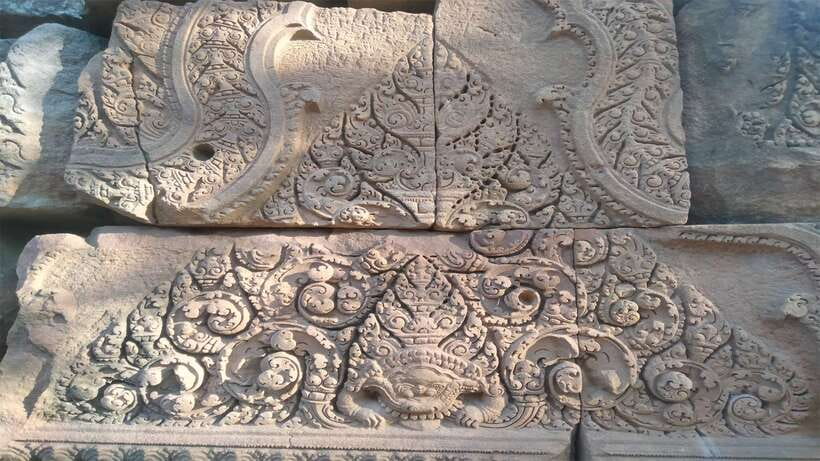
At the top, the reward is a hilltop temple and broad views over the countryside. You are seeing a religious site in its setting, not just a building reached by vehicle. The climb gives the stop a sense of effort and place.
You should not book this day expecting to avoid stairs. The Banan visit is not suitable for anyone who cannot manage a long uphill climb. The description does not provide accessibility details, so ask the provider directly if you have mobility concerns.
After the temple, you spend time beside a lake and have lunch together. Lunch itself is not listed as included, so plan to pay for your own meal and other personal expenses. The lakeside pause is welcome because it gives your legs a break before the afternoon drive to Phnom Sampov.
The long road to Phnom Sampov
The drive through the countryside toward Phnom Sampov takes about 30 minutes after the Banan area. This is where the day shifts from rural sightseeing to Cambodia’s painful modern history.
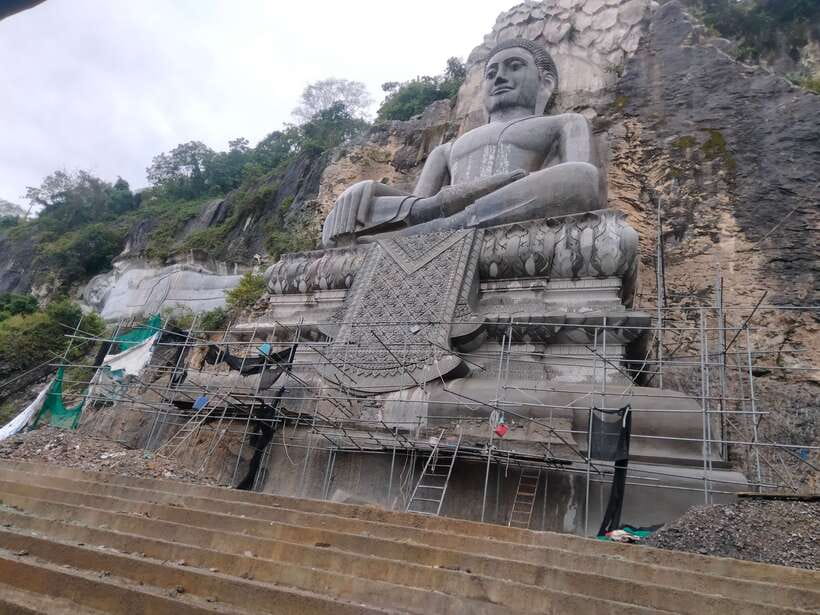
Phnom Sampov is a hill with temples, caves, viewpoints, and important sites connected to the Khmer Rouge period. The full visit takes about three hours, with walking, hiking, sightseeing, and time for sunset.
Your guide is expected to explain the former prison areas and the Killing Cave, including places associated with the deaths of babies and women. The exact details of the visit can depend on the route and the time available, but the subject is serious. Listen carefully and give the site the respect it deserves.
The caves are not simply another stop to photograph. They connect the scenery to the violence Cambodia suffered under the Khmer Rouge regime. The hilltop views can be beautiful, but the history beneath them is grim. That contrast is one reason Phnom Sampov can be such a powerful part of the day.
A strong guide matters most here. You will want clear, accurate explanations rather than a few repeated facts. If your guide is Guanaka, the available information describes him as professional, prepared, and attentive to requests. If your assigned guide is Mr Vatthana, one past guest found his English limited and his explanations frustratingly thin. I would confirm the guide’s language ability if detailed history is important to you.
The Killing Cave and a difficult history lesson
The Killing Cave is scheduled as a separate part of the Phnom Sampov visit and takes around an hour. You walk and hike to the site while learning about the prison and executions connected with the Khmer Rouge.
The tour also identifies a baby killing cave and a women’s killing cave. These names are direct and disturbing because the history is direct and disturbing. You should be prepared for an emotionally heavy stop, especially after a full day in the sun.
This part of the tour is worthwhile for anyone who wants more than scenic Cambodia. It helps you understand why memorial sites matter and why a guide’s explanation is important. At the same time, it is not light sightseeing. Families with young children and anyone who prefers to avoid sites of violence may want to consider a different afternoon.
Take care on the paths and steps. The day includes both Banan Temple and Phnom Sampov, so your legs may be tired by this point. Good walking shoes are not optional if you want to stay comfortable.
Sunset and the Phnom Sampov bat cave
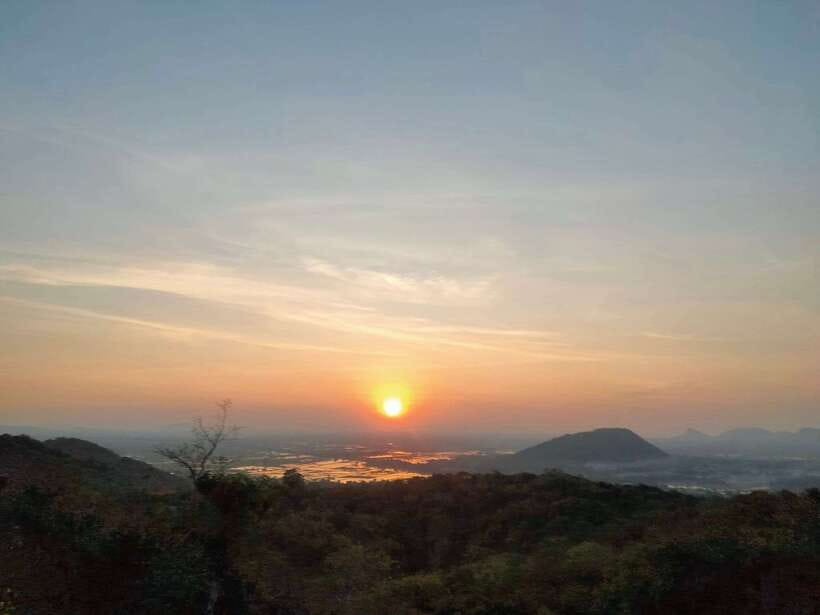
Around 5PM, you come down from the hilltop and wait near the Bat Cave. The final viewing period lasts about 45 minutes and includes sunset and wildlife watching.
The main event is the stream of bats flying from the cave to feed after dark. The activity describes the group as reaching about seven million bats. Numbers can be difficult to verify in a natural setting, and the timing or size of the flight may vary, but the sight is clearly intended to be the day’s grand finish.
This is a smart time to end the tour. After temples and difficult history, you get a quiet natural spectacle as the light fades. Bring your camera, but do not spend the whole time staring at a screen. The movement of the bats against the evening sky is the kind of scene you remember better than a hurried photograph.
Sunset timing matters. The schedule places the final descent and bat viewing around 5PM, but exact conditions can affect what you see. Leave room for the tour to run longer than 10 hours, especially if the group takes its time at the caves or waits for the bat flight.
What the $36 price really covers
At $36 per person, the tour offers good value if you want a private vehicle, a full day of transport, and several major Battambang sights in one package. Hotel pickup and drop-off remove the need to arrange separate transport to Banan and Phnom Sampov. Cold water, snacks, and tasting are also included.
But the headline price is not the full cost. You pay separately for:
- The bamboo train ride
- Entrance tickets
- Lunch
- Personal expenses
That makes it important to carry cash. The tour information specifically recommends cash, and rural stops may not be the place to rely on a card.
Value also depends on what you want from a guide. If you mainly need transport and a basic introduction, the price is attractive. If you want detailed history at the Killing Cave and strong answers to questions, the guide’s English and preparation become a major part of the decision.
Who should book this private day
I would recommend this tour to you if you want a broad introduction to Battambang and prefer a private group. It suits people who enjoy countryside views, short cultural stops, light adventure, temple climbing, difficult history, and wildlife in the same day.
It is also a good choice if you have limited time. Instead of arranging the bamboo train, Banan Temple, and Phnom Sampov separately, you have one pickup and one return transfer.
You may want to choose another plan if you dislike long days, stairs, basic transport, or emotionally heavy historical sites. The combination of 359 steps, hiking at Phnom Sampov, and a late return can be tiring.
Wear comfortable clothes and shoes. Sleeveless shirts are not allowed, so choose shoulders-covered clothing for the temples and sacred sites. Bring a camera, cash, and anything you need for a full day outside.
The activity offers free cancellation up to 24 hours before departure and allows you to reserve now and pay later. Starting times are subject to availability, but the stated meeting time is around 9:30AM.
Should you book it?
Book this day if you want Battambang in broad strokes: old homes, river gardens, rice paddies, a bamboo train, hilltop temples, Khmer Rouge memorial sites, and bats at sunset. The mix is the real strength, and the private format gives you more flexibility than a large group outing.
Before paying, ask who your driver-guide will be and how comfortable they are explaining the Khmer Rouge sites in English. Guanaka is specifically praised for professional, attentive guiding, while the experience with Mr Vatthana was much less satisfying. That difference could shape your entire day.
For a first visit to Battambang, the tour is a strong value at $36 before add-on costs. Just budget for tickets, the train, lunch, and cash expenses, and be ready for a long, active day.
FAQ
How long does the Battambang tour last?
The activity lasts about 10 hours. Pickup is scheduled around 9:30AM, and the day ends after the sunset and bat viewing at Phnom Sampov.
What is included in the price?
Hotel pickup and drop-off, a driver and guide, cold water, a snack, and tasting are included.
Are the bamboo train ride and entrance tickets included?
No. The bamboo train ride, entrance tickets, lunch, and personal expenses are not included in the stated price.
Is the tour private?
Yes. The activity is arranged for a private group with an English- or Cambodian-speaking guide.
How difficult is the Banan Temple visit?
You need to climb 359 steps to reach the hilltop temple. Comfortable shoes and suitable clothing are recommended.
What should I bring?
Bring comfortable shoes, comfortable clothes, a camera, and cash. Sleeveless shirts are not allowed.
More train rides around Battambang
- AfternoonTour.Bamboo train.killing cave with Secret bat cave
★ 5.0 · 41 reviews - Full Day-Tour: Handicraft, Bamboo train, Killing cave. Bat cave
★ 5.0 · 29 reviews - Full day tour by bicycle & tuk tuk,bamboo train,bat cave,villages
★ 5.0 · 27 reviews - Afternoon tour to Original Bamboo train. Bat cave. Killing cave
★ 5.0 · 25 reviews
More Sunset Tours in Battambang
- A Day TukTuk Handicrafts Bambootrain Killing&BatCaves,Sunset
★ 4.9 · 78 reviews - A Day TukTuk Bambootrain, Banan, Killing & Bat Caves, Sunset
★ 4.9 · 48 reviews - Angkor Wat Sunrise or Sunset Tour with Guide from Siem Reap
★ 5.0 · 12,109 reviews - Siem Reap: Angkor Wat: Small-Group Sunrise or Sunset Tour
★ 5.0 · 9,444 reviews
New around Battambang
- Morning Tour Bamboo Train, Ancient House, Local, Countryside★ 5.0 · 3 reviews
- Battambang Private Full-Day Tour★ 5.0 · 3 reviews
- Private Boat from Battambang to Siem Reap via Tonle Sap Lake★ 4.5 · 3 reviews
- Battambang Private afternoon tour bamboo train bat cave & village★ 5.0 · 3 reviews
- Battambang City and Country side Full day Tour★ 5.0 · 4 reviews
- Private Taxi Transfer From Battambang – Siem Reap City★ 5.0 · 4 reviews
- From Siem Reap: Battambang Day Trip Bamboo Train & Bat Cave★ 5.0 · 4 reviews
- Full-day: Handicraft, Bamboo train, Killing cave, Bat Cave★ 5.0 · 5 reviews
Bamboo Train Tours, compared.
Tuk-Tuk, Bamboo Train, Killing/Bat Caves, Sunset
Read our review →
Afternoon tour by tuk tuk to bamboo train,bat cave,killing cave,countryside.
Read our review →
Full Day tour .City tour.Countryside.Bamboo Train.Secret Bat Cave
Read our review →
Battambang Full Day Tour from Siem Reap – Bamboo Train, Killing Cave & Sunset
Read our review →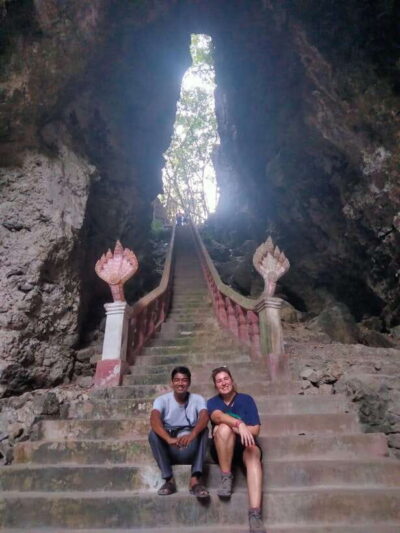
Afternoon Tour: Bamboo Train, Killing Cave &Bat Cave
Read our review →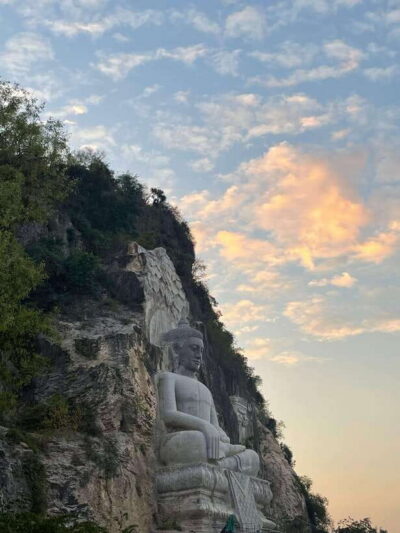
Full Day From Siem Reap – Bamboo Train, Killing Cave & Sunset
Read our review →Browse the lists this tour appears in