Reviewed · SIEM REAP TOURS
Siem Reap: Traditional Spiritual Water Blessing in Monastery
At an ancient pagoda outside Siem Reap, monks chant while blessed water is sprinkled over you or poured over your head. The ceremony is meant to wash away bad luck and bring health, peace, safe travel, and a fresh start. It is a quiet change of pace from temple circuits and souvenir stalls.
I like the personal monk blessing and the short tuk-tuk ride through the countryside. I also like that the $45 price includes your guide, transport, pagoda donation, and sarong for the full ritual. One thing to consider: this is a religious ceremony, not a staged show, so you need modest clothes, patience, and a respectful attitude.
Key points to know before you book
- Two forms of blessing: Choose gentle sprinkling or a full holy-water cleansing.
- A red bracelet remains with you: The sacred string is worn until it falls off naturally.
- Private tuk-tuk transport: Pickup and drop-off are provided at your Siem Reap hotel.
- English guidance matters: Guides such as Sopheak and John explain the ceremony and its meaning.
- Bring dry clothes and a towel: The full blessing can soak you from head to toe.
- $45 covers the main costs: Guide, tuk-tuk, sarong, pagoda donation, and a short local stop are included.
Leaving Siem Reap for a quieter kind of experience
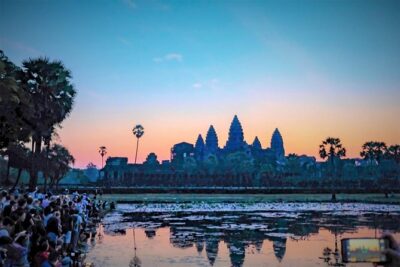
Siem Reap is best known for Angkor Wat, but Cambodia offers more than monumental stone temples and sunrise alarms. This 2.5-hour experience takes you away from the busy sightseeing rhythm and into a calmer setting, where the focus is not on photographing a building but on taking part in a living tradition.
Your hotel pickup begins the outing. From central Siem Reap, the tuk-tuk ride takes about 20 minutes to reach the monastery. That ride is part of the pleasure. You are not sealed inside a coach or rushed from one attraction to another. You hear the road, feel the air, and watch the town give way to the quieter Cambodian countryside.
The private-group format is useful here. A blessing can feel awkward if you are squeezed into a large crowd, especially when you are unsure how to sit, where to place your hands, or when to move. With an English-speaking guide beside you, you can ask questions and take your cues from the people at the pagoda.
The experience is also a good fit if you have already spent several days visiting major temples and want something slower. It does not replace a full cultural tour of Cambodia, but it gives you a direct connection to a ceremony that many visitors would otherwise never encounter.
A few more Siem Reap half-days to weigh up
- Angkor Wat Sunrise or Sunset Tour with Guide from Siem Reap
★ 5.0 · 12,109 reviews - Siem Reap: Angkor Wat: Small-Group Sunrise or Sunset Tour
★ 5.0 · 9,444 reviews - From Siem Reap: Kampong Phluk Floating Village Tour by Boat
★ 4.9 · 6,979 reviews
Understanding the monastery before the blessing
On arrival, your guide leads you through the monastery and explains the background of the ceremony. The visit to the pagoda and guided cultural portion lasts about 1.5 hours, although the exact pace can depend on the ceremony and your questions.
This introduction is important. Without context, holy water and chanting can look like a colorful photo opportunity. With context, you understand that the ceremony is linked to purification, protection, good fortune, health, and peace. The water is not simply poured for effect. It represents the washing away of negative influences and the start of a cleaner spiritual path.
Guides such as Sopheak have been praised for clear English and a thoughtful manner. John has also led visitors through the ceremony and helped explain the personal side of the blessing. Guide assignments can vary, so you should not book on the assumption that one particular person is guaranteed. Still, the experience depends heavily on good explanation, and that is worth keeping in mind.
You will need to behave as you would in any active religious place. Keep your voice low, follow your guide’s instructions, and avoid treating the ceremony like a performance. You may take photographs only if permitted, but the ceremony itself deserves your attention more than your phone.
Choosing between sprinkling and full cleansing
You can choose between two forms of blessing. Both involve monk chants and blessed water, but they offer different levels of physical involvement.
Light sprinkling
The lighter option is gentle and simple. The monks sit and chant while lightly sprinkling holy water over you. The chants call for good luck, safe travels, and long life, while the water symbolizes the cleansing of the spirit.
This choice suits you if you want the spiritual meaning without changing clothes or getting soaked. It is also sensible if you are on a tight schedule after the ceremony, since you will not need to dry off before returning to town.
The sprinkling is not a lesser choice. It is a complete form of blessing in its own right. The main difference is the amount of water and the physical sensation. You remain dressed, but you still take part in the ritual and receive the monks’ chant and blessing.
A completely different sort of day from the same base:
- Sunset tour of Kampong Phluk stilts home village on the Tonle Sap
★ 5.0 · 4,865 reviews - Siem Reap: Angkor Wat 2-Day Tour with Sunrise and Sunset
★ 4.9 · 4,429 reviews - Siem Reap: Kampong Phluk Floating Village Tour with Boat
★ 4.9 · 3,843 reviews - Siem Reap: Full-Day Angkor Wat Guided Tour with Sunset
★ 4.9 · 3,803 reviews
Full cleansing ritual
The full ritual is more involved. Monks pour vessels of holy water over your head while continuing their rhythmic chants. The water runs over your body, symbolizing a full cleansing of body, mind, and spirit.
You receive a sarong to change into so your own clothes stay dry. Even so, bring a towel and another change of clothes. The provided sarong handles the ceremony, but you will want something comfortable and dry afterward.
I would choose the full ritual if you are open to a more physical and memorable ceremony. The sensation of water pouring over your head makes the symbolic idea of starting fresh feel immediate. If you dislike getting wet, have limited time afterward, or prefer a quieter ritual, choose the sprinkling instead.
Do not assume the longer ritual is automatically better. The right choice depends on what you want from the experience. The sprinkling offers a calm blessing, while the full cleansing gives you a stronger sense of participation.
What the chants and holy water mean
The heart of the experience is the monk-led chanting. The sound gives the ceremony its rhythm and helps mark it as something separate from ordinary sightseeing. You are not simply receiving water. You are being asked to pause, listen, and accept the blessing with an open mind.
The ceremony is believed to cleanse the spirit, wash away bad luck, and invite good fortune, health, and peace. You do not need to share every religious belief to appreciate its purpose. You can approach it as a meaningful Cambodian custom and as a moment to reflect on a new beginning.
That distinction matters. This is not a wellness treatment, and it is not presented as a promise that specific events will happen. The value comes from the cultural tradition, the atmosphere of the pagoda, and the personal meaning you bring to it.
For some people, the blessing may connect with a new journey, a marriage, recovery, a birthday, or simply the wish to leave behind a difficult period. The ceremony gives those feelings a clear shape. You sit, listen, receive the water, and carry a small reminder away with you.
The red bracelet and what to do with it
At the end of the blessing, the monks tie a red bracelet around your wrist. The string marks the blessing you have received and is believed to offer protection and good luck.
You can wear it until it falls off naturally. That detail gives the bracelet a role beyond a souvenir. It becomes a small, everyday reminder of the pagoda and the ceremony. You may notice it while eating breakfast, exploring Angkor, or heading home, which keeps the experience present after the tuk-tuk ride ends.
Do not remove it simply because it is not part of your usual style. If it loosens or falls away on its own, that is considered the natural end of wearing it. The bracelet is light, but its meaning is personal.
The 20-minute local stop
After the monastery visit, the outing includes a short stop of about 20 minutes at a local market or another nearby point of interest. The available details describe this as a local market stop and a separate visit to a less-visited place, but they do not specify exactly what you will see on every departure.
Treat this part as an added glimpse rather than the main reason to book. It breaks up the return trip and gives you a chance to see something beyond the pagoda. It may be useful if you want a small slice of everyday local life without committing to a full market tour.
Because the stop is brief, you should not expect a long shopping session or a major sightseeing site. Keep your personal spending modest and remember that personal expenses are not included. The value here is the change of setting and the chance to ask your guide about what you are seeing.
The return tuk-tuk ride takes about 25 minutes, bringing you back to your hotel area in Krong Siem Reap. The full timing is compact enough to fit around other plans, though you should avoid scheduling a rushed activity immediately afterward, especially if you choose the full water ritual.
What the $45 price really includes
At $45 per person, this is not the cheapest way to fill a morning in Siem Reap. The price makes more sense when you look at what is bundled into the experience.
You receive hotel pickup and drop-off by tuk-tuk, an English-speaking guide, entry and guidance at the monastery, a sarong for the full cleansing, and a donation to the pagoda. A local stop is also included. You are paying for access to a personal cultural experience as well as the practical pieces that make it possible.
The private-group setup adds value. You are not paying for a large bus tour where the ceremony becomes one short stop among many. The guide can explain what is happening, adjust the pace, and help you choose the type of blessing that suits you.
The donation is another useful inclusion. You do not need to wonder how much to contribute at the pagoda or handle that part on the spot. Personal expenses remain your responsibility, but the main tour costs are clear.
I would consider the price fair for a short, private experience if you care about cultural contact and a well-organized visit. It is less compelling if you only want a quick photo with a monk or if your main goal is to see as many landmarks as possible. This is about meaning and atmosphere, not quantity.
Clothing, comfort, and temple manners
Dress is not a minor detail here. You must cover your shoulders and knees, so wear modest clothing from the start. Short skirts and sleeveless shirts are not allowed.
Bring a change of clothes and a towel, especially if you are considering the full cleansing. The sarong is provided for the ritual, but your own dry clothes will make the return journey more comfortable. If you select light sprinkling, the extra clothes may not be essential, but bringing them is still the safe choice.
A respectful demeanor matters as much as the dress code. Keep quiet during the chants and listen to your guide before approaching the monks. This is a religious ceremony held at a working pagoda, not a theatrical show arranged solely for tourists.
You should also arrive with an open mind. You can be curious without pretending to believe something you do not believe. The best approach is simple: observe carefully, take part respectfully, and let the ceremony speak for itself.
The activity is advertised as wheelchair accessible. If accessibility is important for you, confirm the practical details with the provider before booking, since the visit includes a tuk-tuk ride and a monastery setting.
Who will get the most from this blessing
I would recommend this experience to you if you want to step away from the standard Siem Reap route. It suits solo visitors, couples, families, and anyone marking a personal turning point. The private format also makes it easier to ask questions without feeling self-conscious.
It is particularly good for visitors who value Cambodian culture in its living form. Angkor’s temples show the power of the past, while this ceremony gives you contact with a present-day religious practice.
You may want to skip it if you dislike religious settings, cannot wear modest clothing, or have no interest in participating in a ceremony. The pagoda visit is central, not an optional extra. You should also avoid booking it as a filler activity if you plan to rush through the blessing and leave immediately.
The short duration makes it easy to add to a Siem Reap stay. The outing lasts 2.5 hours, with roughly 20 minutes out, 1.5 hours at the monastery, about 20 minutes at the local stop, and 25 minutes back. Those times leave some flexibility, but Cambodian road conditions and the pace of a religious ceremony can vary.
Should you book this Siem Reap water blessing?
Book it if you want a calm, personal experience with a clear cultural purpose. The monk chants, holy water, red bracelet, countryside tuk-tuk ride, and private guide create something very different from a standard temple visit.
I especially like the choice between a light sprinkling and a full cleansing. That lets you decide how much participation feels right, rather than forcing every person into the same ritual. The inclusion of a sarong, pagoda donation, transport, and guide also makes the $45 fee easier to justify.
The main question is your attitude. If you arrive respectfully and give the ceremony your full attention, this can become one of the more meaningful hours of your Cambodia trip. If you want fast sightseeing, shopping, or entertainment, spend the money elsewhere.
With a perfect rating from the available bookings and repeated praise for the organization and English guidance, this is a strong choice for a private cultural outing. Just confirm your clothing, bring a towel and dry clothes, and leave enough time afterward to enjoy the red bracelet rather than treating it as another item to pack.
FAQ
How long does the Siem Reap water blessing experience last?
The experience lasts 2.5 hours, including tuk-tuk transportation, the monastery visit, the blessing, a short local stop, and the return to Krong Siem Reap.
Is hotel pickup and drop-off included?
Yes. Pickup and drop-off at your hotel in Siem Reap are included, with transportation provided by tuk-tuk.
What blessing options are available?
You can choose light sprinkling, where monks gently sprinkle blessed water over you, or a full cleansing ritual, where holy water is poured over your head while the monks chant.
Do I need to bring a change of clothes?
Yes. You should bring a change of clothes and a towel. A sarong is provided for the full water blessing so your regular clothing can remain dry.
What should I wear to the monastery?
Wear modest clothing that covers your shoulders and knees. Short skirts and sleeveless shirts are not allowed at the religious site.
Is the experience private and wheelchair accessible?
The experience is offered as a private group activity and is advertised as wheelchair accessible. An English-speaking guide is included.
New around Siem Reap
- Siem Reap Temple and Waterfall 3-Day Tour★ 4.5 · 3 reviews
- Siem Reap: Guided Day Trip to Local Village & Cooking Class★ 5.0 · 3 reviews
- Savor the Countryside: Tours with Authentic Cooking Classes”★ 5.0 · 3 reviews
- Siem Reap Private Tour: Angkor Wat Sunrise And Banteay Srei★ 5.0 · 3 reviews
- Angkor Wat Sunrise TukTuk Tour★ 5.0 · 3 reviews
- Angkor Wat Sunset In Private and Small-In-Group★ 4.3 · 3 reviews
- Exclusive Angkor temples and Small group temples tours★ 5.0 · 3 reviews
- Angkor Wat: Highlights and Sunrise with Spanish Guide★ 4.8 · 3 reviews
Siem Reap Tours, compared.
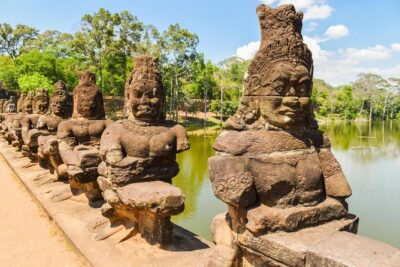
Angkor Wat Sunrise or Sunset Tour with Guide from Siem Reap
Read our review →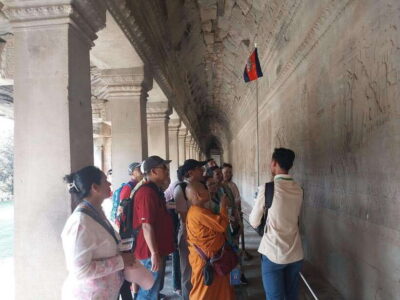
Angkor Wat: Small-Group Sunrise or Sunset Tour
Read our review →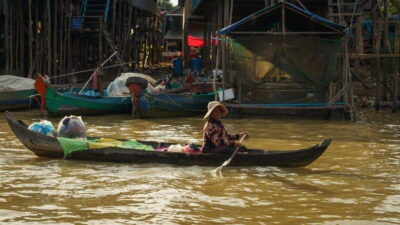
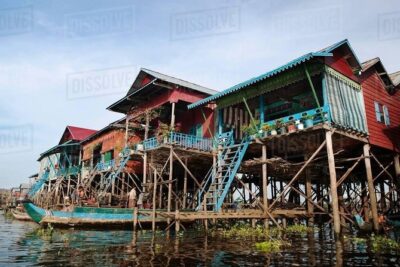
Sunset tour of Kampong Phluk stilts home village on the Tonle Sap
Read our review →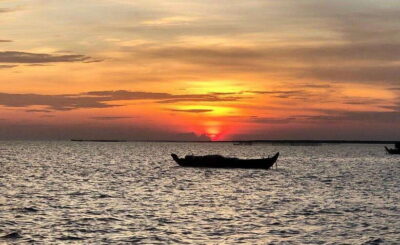
Kampong Phluk Floating Village Tour with Boat
Read our review →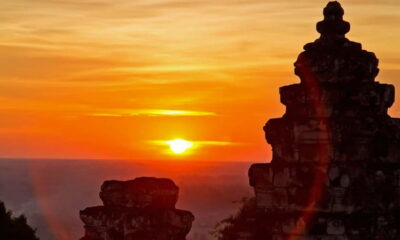
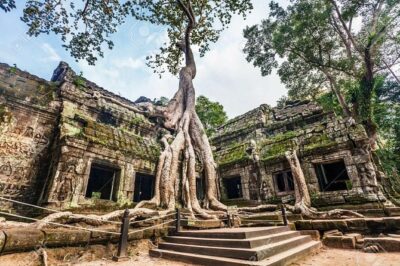
Angkor Wat Sunrise tour with Small – Group and Guide tours
Read our review →