
Reviewed · SIEM REAP TOURS
Full-Day Temples of Angkor Small Group Tour
Angkor Wat is only the beginning. This tour carries you through three of Cambodia’s essential temples, plus the gates, terraces, and jungle ruins that give the Angkor site its scale. With guides such as Sak, Saruon, Chea Sok, and Yuth leading past carvings and stone faces, you get context instead of simply wandering among old walls.
I like the small-group format, which can mean as few as three to five people and no more than 15. I also like the practical care: an air-conditioned minivan, cold water, and cool wet towels after each temple. The main drawback is the pace. You may walk and climb for seven hours in serious heat, so this is a big day, not a gentle sightseeing outing.
Key points at a glance
- Sunrise starts can mean a 4:30 a.m. pickup, putting you at Angkor Wat before the heat builds.
- Three major temples receive the most attention: Angkor Wat, Bayon, and Ta Prohm.
- The $19 tour price is only part of the cost, since the required temple pass is $37 and lunch is extra.
- Groups are capped at 15, though some departures are much smaller and feel almost private.
- Guides add the real value, explaining Khmer beliefs, battles, carvings, and temple design in English.
- Expect stairs, uneven stone, long walks, and strict clothing rules at the sacred sites.
What the $19 Angkor tour really costs
At first glance, $19 for an eight-hour Angkor tour looks remarkably cheap. It is good value, but you should calculate the full outing before booking. The required temple pass costs $37 per person, bringing the known total to $56, before lunch and drinks.
For that amount, you receive hotel pickup and drop-off, transport in an air-conditioned minivan, an English-speaking licensed guide, mineral water, cool towels, and local tax. Lunch is not included, and the meal stop is at a Khmer restaurant near Srah Srang. The food price is separate.
I consider the tour a strong bargain if you want a guide and transport for the main temples. Hiring separate transport and arranging your own route may give you more freedom, but it will not automatically give you the same explanation of the carvings, religious shifts, or Khmer building methods.
The group size matters here. The advertised maximum is 15, but several departures have had only three, five, or similarly small numbers. A small group lets you hear the guide more easily and makes it simpler to ask questions or pause briefly for photographs. You should not assume every departure will be nearly private, though.
More Small Group Tours in Siem Reap:
- Siem Reap: Angkor Wat: Small-Group Sunrise or Sunset Tour
★ 5.0 · 9,444 reviews - Angkor Wat Sunset Small Group Tour with Lunch Included
★ 5.0 · 3,059 reviews - Angkor Wat Sunrise & 3 Main Temples with Breakfast – Small Group
★ 5.0 · 2,857 reviews
The early start and ride from Siem Reap
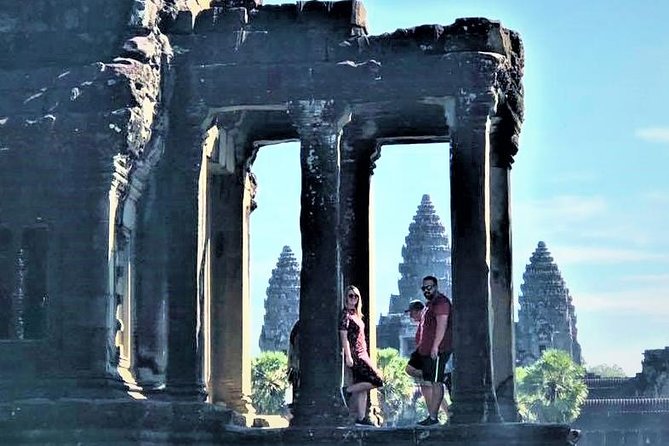
Hotel pickup is included, and some departures begin at about 4:30 a.m. That early hour is not a minor detail. It is the way to reach Angkor Wat for sunrise and to get some time among the stones before Cambodia’s heat becomes punishing.
You will ride from Siem Reap in an air-conditioned minivan. The vehicle provides welcome relief between sites, especially on a humid day. Cold water and a cool wet towel are supplied when you return to the van, a small service that becomes surprisingly important after a long walk over sunlit stone.
The exact morning rhythm can vary. Some accounts describe a sunrise visit followed by a finish around noon, while the published program is described as an approximately eight-hour full-day outing with lunch. Confirm your pickup time and expected return when you book, particularly if you have an evening flight or another appointment.
Bring water even though the tour supplies it. You will also want sunscreen, a hat, and comfortable walking shoes. One account describes temperatures reaching 42 C, and Angkor offers little shade across some exposed sections.
Angkor Wat, two hours among Cambodia’s great carvings
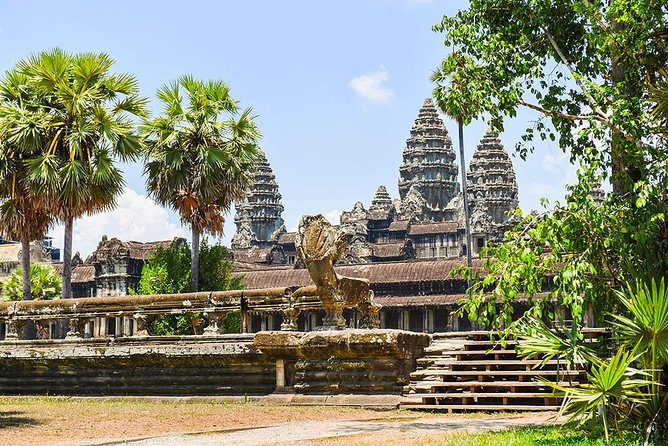
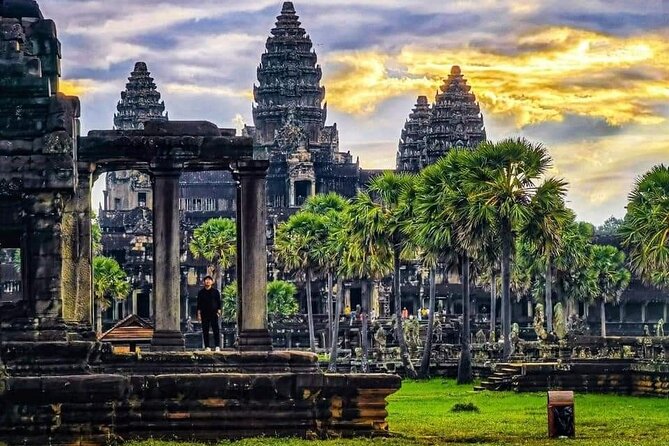
Angkor Wat gets the first major block of time, about two hours. Built as a Hindu temple and later used as a Buddhist place of worship, it is much more than the familiar three-tower silhouette seen on postcards.
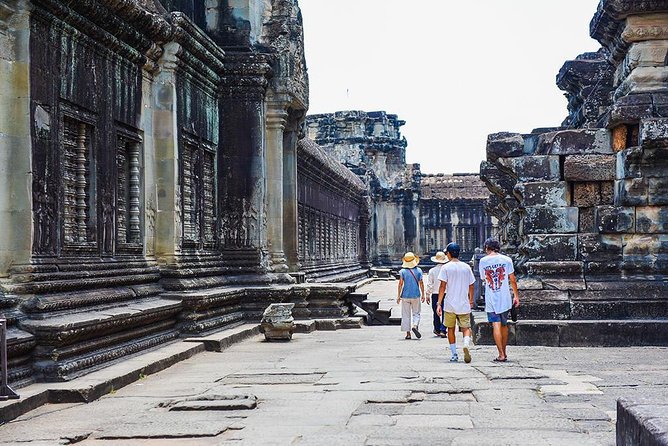
Your guide can help you read the site in layers. Narrow passageways lead past bas-reliefs, shrines, and carved galleries. The stone walls show scenes tied to Hindu belief and Khmer royal power, while the building itself reveals the ambition of the empire that created it.
The central areas include steep stairs and uneven passages. You should take care on the climbs, particularly after the early start when your legs may still be waking up. Respectful clothing is required: shoulders and knees must be covered, and a scarf alone is not accepted as shoulder coverage.
You may see gold-covered statues tended by local monks. That detail reminds you that Angkor is not merely an archaeological park. It remains a sacred place, so keep your voice and clothing respectful and follow your guide’s directions around active shrines.
The guide is especially useful inside Angkor Wat, where it is easy to admire the stonework without understanding what you are seeing. Guides including Sarak, Saruon Pal, Sak, and Mr. Yuth have been praised for explaining the artwork, temple symbolism, and the stories shown in the carvings. Your experience will depend on the individual guide assigned that day, but the tour is built around that interpretation.
Angkor Thom South Gate and the 108 stone guardians
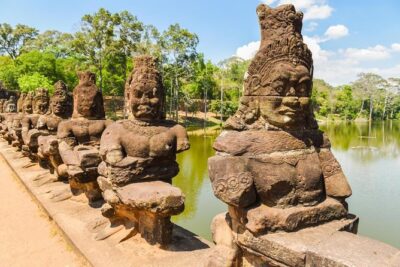
The drive to Angkor Thom changes the scale of the morning. This was once the capital of the Khmer Empire, a fortified city rather than a single temple. The South Gate is approached across a bridge lined with 108 figures, gods on one side and demons on the other.
The figures pull a complicated Hindu story into physical form. They appear to take part in the churning of the ocean of milk, with a great serpent held between opposing groups. Even if you are not familiar with the legend, the long procession creates one of the most memorable approaches in the Angkor complex.
The stop lasts about 30 minutes. That gives you time to study the gate and statues, take photographs, and hear the basic story, but not enough for a slow architectural inspection. This is a short stop by design, since the more substantial exploration comes inside Angkor Thom at Bayon.
A few more Siem Reap half-days to weigh up
- Siem Reap: Full-Day Angkor Wat Guided Tour with Sunset
★ 4.9 · 3,803 reviews - Full-Day Angkor Wat Sunrise Private Tour with Guide from Siem Reap
★ 5.0 · 2,920 reviews - Siem Reap: Angkor Wat Sunrise and Full-Day Sightseeing Tour
★ 4.9 · 2,828 reviews - Full-Day Guided Sunset Tour of Angkor Wat
★ 5.0 · 1,507 reviews
Bayon’s smiling faces and Khmer royal power
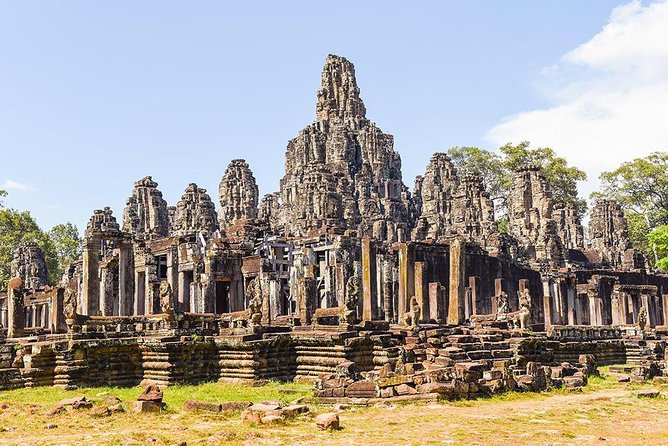
Bayon receives about an hour and a half. It is one of the most distinctive temples in Angkor, with enormous stone faces looking out from its towers. Their calm expressions can feel friendly from one angle and imposing from another.
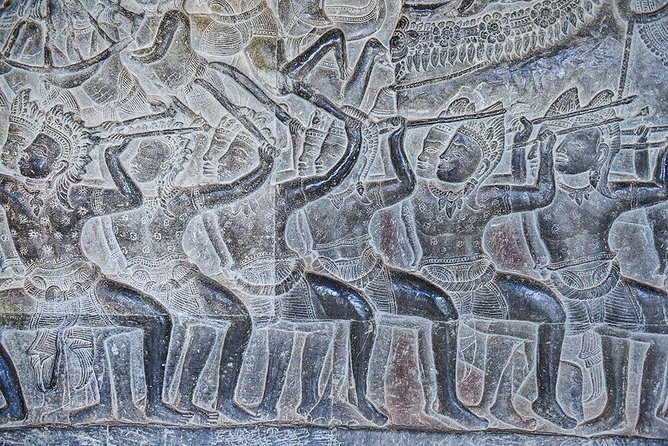
The temple is a maze of galleries, narrow corridors, and stairs. Your guide can point out details that are easy to miss, including the arrangement of the towers and scenes carved into the long bas-reliefs. These panels show daily life as well as military action, including Khmer victories over Cham forces.
This is where a good English-speaking guide earns the fee. Several guides, including Chea Sok, Chhay, Sarak, and Sak, have been praised for clear explanations and for answering questions about the carvings and Khmer culture. Chea Sok in particular has been described as skilled at managing time while explaining the meaning of the artwork.
Bayon can be tiring because the route involves repeated changes in level. You will want shoes with a firm sole, not thin sandals that slide on worn stone. Keep your group in view, since the corridors can become confusing when people stop for photographs.
After Bayon, the route passes the Terrace of the Leper King and the Terrace of Elephants. These are not listed as long walking stops, but they add useful context to Angkor Thom’s ceremonial center. The Terrace of Elephants, in particular, helps you picture royal processions and public events in the old capital.
Lunch near Srah Srang, a needed pause
The lunch stop lasts about an hour at a local Khmer restaurant near Srah Srang. Food and drinks are not included, so budget separately. The restaurant can vary, but the planned break gives you time to sit down, eat, and recover before the final temple.
This pause matters more than it may sound. By this point, you may have been awake since before dawn and spent several hours on stairs and exposed paths. One account describes a clean, air-conditioned dining room and food at a fair price, while another found the restaurant decent. Treat lunch as a practical rest stop rather than a major culinary event.
Srah Srang itself is a reservoir and a pleasant setting for a break, though the listed program centers on lunch rather than a long, separate sightseeing session. Ask your guide how much time is available if you want to look around before returning to the van.
Ta Prohm, where trees press through the ruins
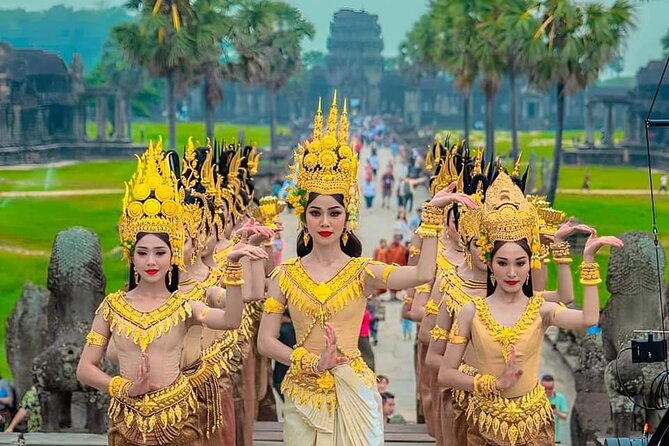
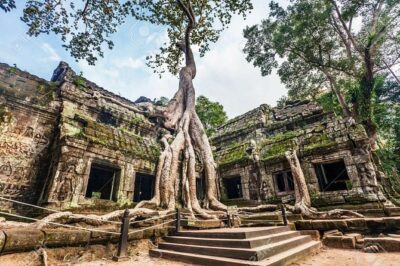
Ta Prohm is the final major stop and receives about an hour and a half. It is the temple most associated with the Tomb Raider film, but its appeal does not depend on cinema. Here, corridors, courtyards, and carved stone are closely tangled with trees and creeping vines.
The contrast with Angkor Wat is striking. Angkor Wat feels ordered and monumental, while Ta Prohm feels more enclosed and unpredictable. Fig trees push through walls, roots grip masonry, and the jungle setting makes the boundary between temple and forest hard to separate.
The site is maze-like, with more steps and uneven surfaces. You will need to watch your footing while also looking up at the roots and carved doorways. Your guide can help you find the best-known sections without wasting time in dead ends, and several guides are also happy to take photographs for the group.
This final stop can be physically demanding. If the day is very hot, you may appreciate the air-conditioned minivan more than another grand monument. Still, Ta Prohm is an excellent ending because it shows a different side of Angkor and leaves you with images that are unlike the formal towers of the morning.
How the guides shape the experience
The temples are extraordinary on their own, but the guide determines how much you understand. A self-guided visit can give you freedom, and spending several days exploring independently has its rewards. This one-day tour gives you a useful historical framework quickly.
The guide team includes people such as Sok, also called Kiss, Saruon Pal, Nuon Chan Sarak, Chansarak, Chhay, Sam, and Yuth. The strongest descriptions focus on clear English, careful timing, local knowledge, temple symbolism, and a willingness to answer questions. Some guides also take group photographs at good viewpoints.
Do not expect every guide to speak with identical fluency. One account appreciated the guide’s kindness and information but noted that his English could improve. That is a fair consideration when booking a group tour. The overall rating is 4.9 from 1,003 reviews, with 99 percent recommending the experience, but the individual guide still shapes your day.
A good guide also manages the heat. You need someone who knows when to pause, where to stand for shade, and how to explain a temple without keeping you exposed longer than necessary. The included water and towels help, but sensible pacing remains important.
Walking, clothing, and the heat
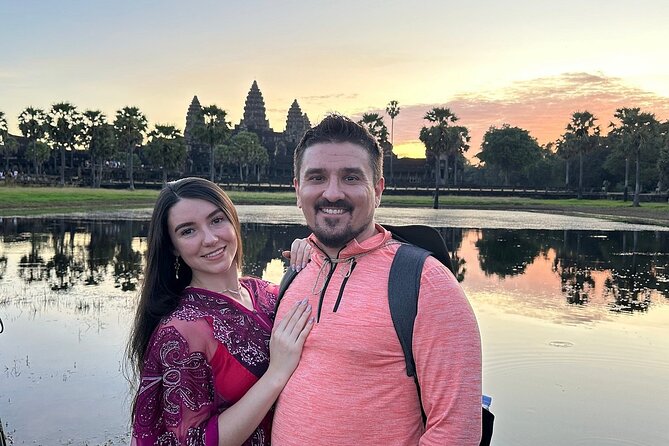
This tour suits most people who can manage extended walking and stairs, and the minimum age is five. The phrase most people should not be read as no effort required. You will cross uneven ground, climb steep or worn steps, and spend time in open areas where the sun reflects off stone.
Wear proper walking shoes. Lightweight clothing is useful, but it must cover your shoulders and knees. A scarf draped over bare shoulders is not accepted, so bring a shirt or top that meets the rule without relying on a wrap.
Carry sunscreen and head protection. The cold towels are a welcome refreshment after each visit, but they do not replace regular water breaks. If you are traveling with children, older family members, or anyone sensitive to heat, the early start and small group are helpful, but the long route still deserves an honest fitness check.
The tour requires good weather. If poor weather cancels the outing, you are offered another date or a full refund. You can cancel for a full refund up to 24 hours before the start time, while cancellations or changes made later are not refunded or accepted.
Who should book this Angkor day trip?
I would choose this tour if you have one full day in Siem Reap and want the major temples explained in a logical order. It is particularly useful for first-time visitors who might otherwise spend the day admiring carvings without knowing the religious and political stories behind them.
It also works well for couples and families who prefer a guide but do not want a large coach group. A departure with three to five people can feel almost private, while the 15-person maximum keeps the format more personal than a mass tour.
You may want something else if you prefer to linger for hours at one temple, avoid pre-dawn starts, or set your own pace. Angkor covers roughly 400 square kilometers, and no one-day route can show everything. This program focuses on the most famous sites, not a quiet survey of the entire archaeological area.
The final verdict on value
At $19 for the tour service, this is an inexpensive way to organize transport, guiding, and a full route through Angkor. Once you add the $37 temple pass and lunch, the real cost is higher, but the package remains good value for a full day with an English-speaking guide and air-conditioned transport.
I especially like the combination of Angkor Wat, Bayon, and Ta Prohm. Each temple offers a different mood and design, and the short South Gate and terrace stops help connect them to the old Khmer capital. Cold water, wet towels, and hotel transfers are practical touches that make a hot day easier.
Book it if you want strong first-day orientation, clear history, and the major highlights without arranging every detail yourself. Skip it if you want a slow, independent exploration. For most first-time visits to Siem Reap, this is a sensible and memorable introduction to Angkor, provided you are ready for the early alarm, the heat, and plenty of stone steps.
FAQ
How long does the Full-Day Temples of Angkor Small Group Tour last?
The tour lasts approximately eight hours. Some sunrise departures begin around 4:30 a.m., and one published schedule describes a finish around noon, so confirm the exact timing for your date.
Which temples and sites are included?
The route includes Angkor Wat, Angkor Thom South Gate, Bayon Temple, the Terrace of the Leper King and Terrace of Elephants as pass-by sights, Srah Srang for the lunch stop, and Ta Prohm.
Is the Angkor temple entrance fee included?
No. The temple pass costs $37 per person and must be paid directly to the site. Visa cards are accepted, and the pass can be purchased on the day of the tour.
Is lunch included?
No. Lunch is taken at a local Khmer restaurant near Srah Srang, but food and beverages are paid for separately.
What does the $19 tour price include?
The price includes hotel pickup and drop-off, an English-speaking licensed guide, transport in an air-conditioned minivan, mineral water, cool towels, and local tax.
How large is the group?
The maximum group size is 15 people. Some departures may be much smaller, with only three to five people.
What clothing should I wear?
You must cover your shoulders and knees. A scarf alone is not accepted for covering the shoulders. Comfortable walking shoes are recommended because the tour includes uneven paths, stairs, and steep climbs.
New around Siem Reap
- Kulen Mountain With Ticket included Plus Banteay Srei Temple Tour★ 5.0 · 7 reviews
- 2 Days Angkor temples with Sunrise & Sunset★ 5.0 · 7 reviews
- Private Siem Reap Airport Transfer to hotel in town★ 5.0 · 7 reviews
- 1-Day private Angkor Temple Tour with Sun Rise by Tuk Tuk from Siem Reap★ 4.5 · 7 reviews
- Siem Reap: Morning Cooking Class & Market Tour★ 5.0 · 7 reviews
- Kulen Mountain, Killing Fields and War Museum Tour★ 5.0 · 7 reviews
- War Museum, Killing Field, and APOPO Hero RATs Tour★ 5.0 · 7 reviews
- Half-Day: Silk Farm, Senteur Angkor, and Satcha Workshop★ 4.6 · 7 reviews
Siem Reap Tours, compared.
Angkor Wat Sunrise or Sunset Tour with Guide from Siem Reap
Read our review →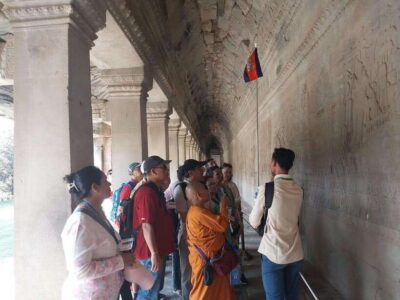
Angkor Wat: Small-Group Sunrise or Sunset Tour
Read our review →
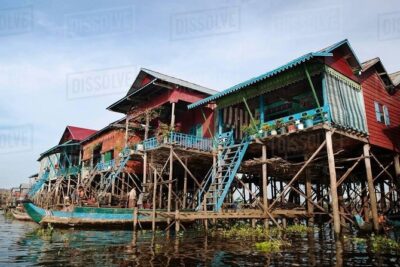
Sunset tour of Kampong Phluk stilts home village on the Tonle Sap
Read our review →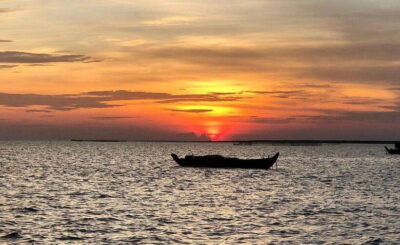
Kampong Phluk Floating Village Tour with Boat
Read our review →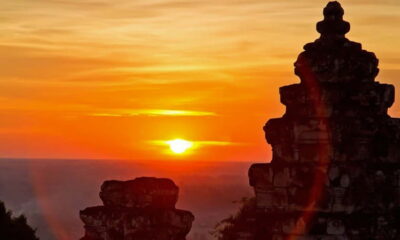
Angkor Wat Sunrise tour with Small – Group and Guide tours
Read our review →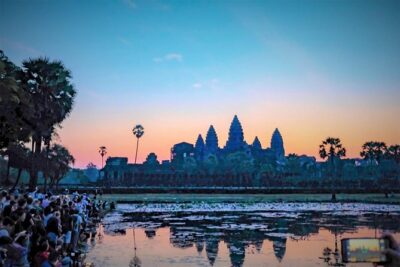
Angkor Wat Highlights and Sunrise Guided Tour from Siem Reap
Read our review →Browse the lists this tour appears in