
Reviewed · SIEM REAP TOURS
Rural Countryside Experience Tour in Siem Reap
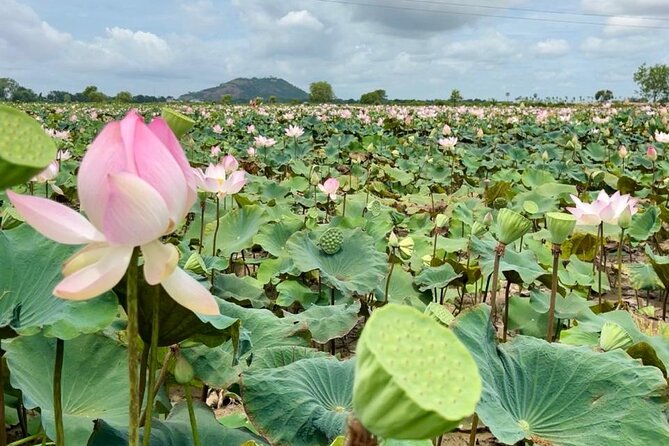
The most interesting part of this Siem Reap tour is the change of pace. Instead of spending another half-day among temples, you ride into the countryside to see farms, villages, rice fields, grazing buffalo, and everyday Cambodian life with local guide Thanut Kean.
I like the private format, which lets your group of up to four ask questions and set a comfortable rhythm. I also like the mix of stops: mushroom growing, vegetable farming, rice wine making, and a Buddhist temple give you several angles on rural life. The main drawback is that lunch is not included, and the tour is built around seeing local places rather than visiting major monuments.
Key points to know before booking
- A private outing for up to four people: The $105 price covers the whole group, not each person.
- Two useful time choices: Book the morning session from 8:30 am to 1:30 pm or the afternoon and evening session from 2:30 pm to 7:30 pm.
- A hands-on look at rural work: The route includes a mushroom farm, vegetable farm, and rice wine distillery.
- A local guide with strong communication skills: Thanut Kean grew up in Siem Reap and speaks English clearly.
- Small comforts included: Hotel pickup and return, drinking water, fresh coconuts, local snacks or beer, and a cold towel are provided.
- A good break from the main sightseeing circuit: You see rice fields, village roads, water buffalo, cows, and a Buddhist temple rather than another crowded attraction.
Leaving Siem Reap for the village roads
This experience begins with pickup at your hotel, so you do not need to arrange a separate taxi or find a meeting point across town. That simple start matters in Siem Reap, where a half-day trip can quickly become awkward if transport is left to the last minute.
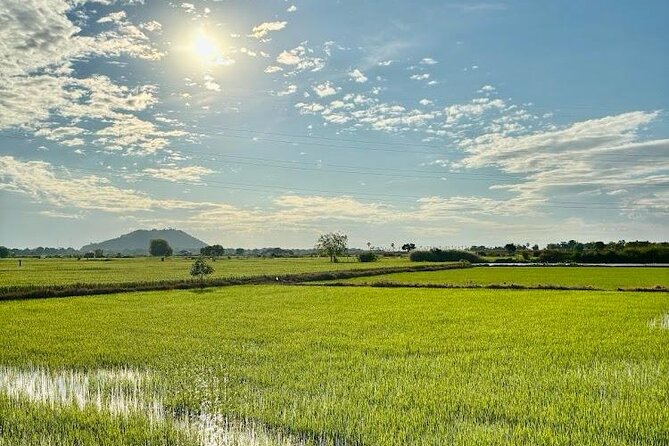
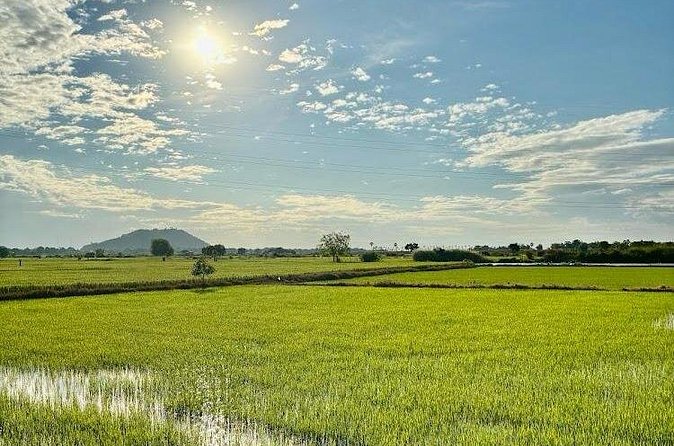
The setting changes as you move away from the city. The tour takes you through open countryside, traditional villages, and broad rice fields. You may see water buffalo and cows grazing beside the road, an ordinary scene in rural Cambodia but one that feels far removed from the hotel district.
Thanut Kean is the named guide for the experience. Information from the tour describes him as a Siem Reap local who grew up in the area and speaks clear English. That combination is useful here because the value of the trip depends less on grand monuments and more on explaining what you are looking at: how crops are grown, how local products are made, and how village communities fit into daily life.
This is also a private activity. Your group is the only group taking part, which gives the tour a more personal feel than a large bus excursion. If you are curious about a particular farming method or want to pause for photographs, you can ask Thanut directly rather than wait for a full group to catch up.
More Countryside Tours in Siem Reap
- Siem Reap Countryside Bike Tour / E-Bike or Tuk Tuk
★ 5.0 · 935 reviews - Siem Reap Countryside Quad Biking Tour
★ 5.0 · 322 reviews - Siem Reap: Guided Countryside Bike Tour
★ 4.9 · 294 reviews
Mushroom farming and the work behind local food
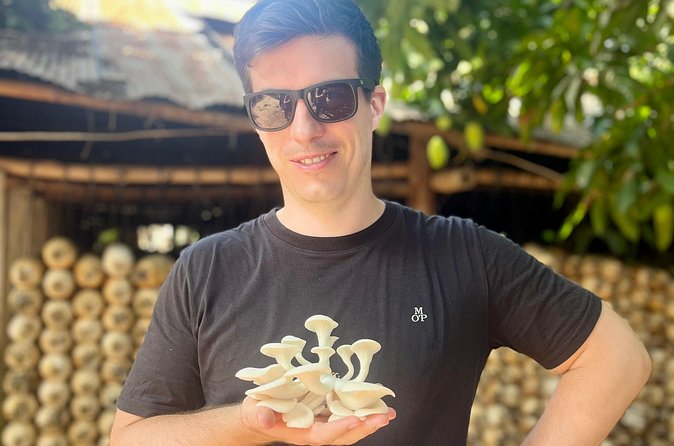
The first agricultural stop is a mushroom farm. This is a small but worthwhile choice because mushrooms are not simply presented as something on a plate. You get to see the cultivation process and learn about the work required before food reaches a market or kitchen.
The stop adds variety to the countryside ride. Rice fields are the classic rural view around Siem Reap, but a mushroom farm shows another side of local food production. It also gives Thanut a practical subject to explain, especially for anyone interested in how Cambodian families and small producers use available land and resources.
Do not expect a polished museum-style attraction. The appeal is the working setting. Conditions may be basic, and the value comes from seeing production in its local context rather than from a formal exhibit with signs and displays.
For photographers, this can be one of the more useful stops. The growing structures, farm tools, and close-up details offer a different subject from the wide views of rice paddies. You should still photograph people respectfully and follow your guide’s lead about what is appropriate.
A vegetable farm with a closer view of village life
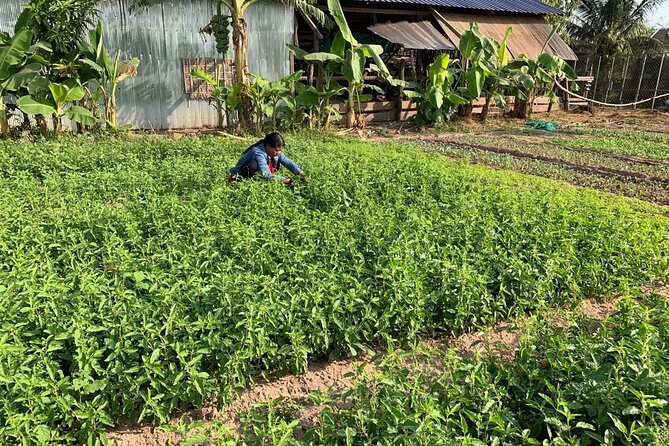
The next stop is a vegetable farm, described as full of fresh produce. It helps connect the countryside scenery with daily meals. The rice fields are easy to admire from the road, but a vegetable farm shows the smaller-scale work that supports local households and markets.
I like this part of the route because it keeps the experience grounded. You are not only looking at pretty fields from a vehicle. You are stopping to see where food is grown and how agricultural work shapes life outside Siem Reap.
The farm visit may be especially useful if you have already spent time at Angkor and want a better sense of present-day Cambodia. The temples explain much about the country’s past, while stops like this help you understand the work and routines of communities living around Siem Reap today.
The tour information does not promise a meal at the farm, so plan on this being a viewing and learning stop, not a farm-to-table lunch. Snacks are included during the outing, but a full meal is not.
Rice wine distillation and a traditional craft
Rice wine distillation brings a local food tradition into the itinerary. You learn how the drink is made and have the chance to sample its flavor. This is one of the more distinctive stops because it focuses on a process rather than a view.
The visit can help you see how rice is used in more than one way. In a region shaped by rice farming, turning the crop into a traditional drink adds a useful cultural and economic detail. Thanut can also provide context that you would likely miss if you passed through the countryside without a guide.
Sampling is included as part of the experience, but you should treat it as a small taste, not a drinking session. If you do not drink alcohol, the tour also includes other refreshments, including local snacks and fresh coconuts.
This stop may not suit everyone equally. If you have little interest in food production or alcoholic drinks, the mushroom and vegetable farms may hold more appeal. Still, the distillation visit gives the day a stronger sense of place than a generic countryside drive.
A completely different sort of day from the same base:
- Angkor Wat Sunrise or Sunset Tour with Guide from Siem Reap
★ 5.0 · 12,109 reviews - Siem Reap: Angkor Wat: Small-Group Sunrise or Sunset Tour
★ 5.0 · 9,444 reviews - From Siem Reap: Kampong Phluk Floating Village Tour by Boat
★ 4.9 · 6,979 reviews - Sunset tour of Kampong Phluk stilts home village on the Tonle Sap
★ 5.0 · 4,865 reviews
A quiet stop at a Buddhist temple
The Buddhist temple adds a spiritual element to an itinerary otherwise centered on farming and village life. It gives you a chance to pause, take in the setting, and connect the countryside with Cambodia’s living religious traditions.
The stop is not presented as a major temple complex or replacement for Angkor Wat. That is important to understand. You are visiting a local place of worship as part of a rural outing, not signing up for a second temple tour.
A respectful attitude is essential at any Buddhist temple. Listen to Thanut’s guidance and follow local expectations while you are there. The tour information does not specify a dress code or named temple, so you should ask the guide if you need particular advice before entering.
For many people, this stop will provide the calmest part of the afternoon. After farm visits and road travel, a temple offers a different kind of experience, one based on stillness and observation rather than activity.
Rice fields, buffalo, and the value of unplanned views
Some of the best moments may happen between the scheduled stops. The route passes through rice fields and village scenery, with water buffalo and cows grazing along the way. These views help explain why a countryside tour works best as a private excursion rather than a tightly packed checklist.
You have time to notice ordinary details: the shape of the fields, the open views, the roads between villages, and the animals used in rural life. The tour is not promising a dramatic attraction at every turn. Its appeal is the chance to see how the area looks when you move beyond Siem Reap’s central sights.
The word authentic can be overused in tourism, but this itinerary earns some of it by focusing on working farms and communities rather than a staged cultural show. At the same time, you should remember that any organized visit affects the places it enters. Follow Thanut’s instructions, ask before taking close photographs, and keep your behavior low-key.
The countryside also makes the tour a good option for photographers. One past solo booking specifically sought everyday village scenes beyond the usual sightseeing areas, and this route fits that goal. The best photographs may be simple ones: fields, animals, farm details, and changing light during the afternoon ride.
Morning or afternoon session: which works better?
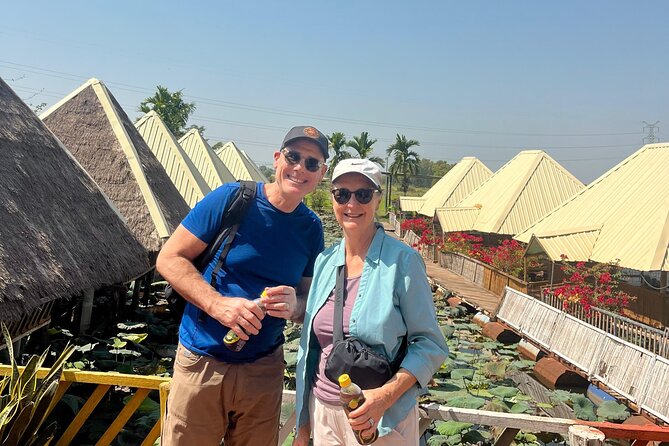
The morning option runs approximately from 8:30 am to 1:30 pm. This is the practical choice if you want the rest of the day for another activity, a meal, or time at your hotel. It also avoids finishing after sunset.
The afternoon option runs from about 2:30 pm to 7:30 pm. Choose this if you prefer cooler late-day conditions or want the countryside portion to extend into the evening. The precise light and weather will vary, but the later session offers a different mood from the morning trip.
The stated duration is four to five hours, while each advertised session covers about five hours. Allow the full five hours in your plans, since pickup and return transport are part of the experience and the countryside roads may affect timing.
Neither session includes lunch. The morning tour ends around the normal lunch period, so arrange your meal afterward. On the afternoon outing, eat before pickup or plan for dinner after you return. Snacks, drinking water, fresh coconuts, and either local beer or snacks are included, but these do not replace a proper meal.
What the $105 group price really means
The price is $105 per private group of up to four people. For four people, that works out to $26.25 each, which is a fair value for roughly five hours of private transport, a dedicated English-speaking guide, and several rural stops.
For two people, the effective cost is $52.50 each. For one person, the full group price becomes a bigger consideration. Solo visitors may still find the personal guidance worthwhile, especially if they want help understanding village life or taking photographs, but the deal improves sharply when shared among three or four people.
The included hotel transfers remove another cost and reduce planning. Water, snacks, fresh coconuts, and cold towels are modest additions, but they matter in Cambodia’s heat. The cold towel in particular is a welcome touch after time on rural roads.
Value depends on what you want from Siem Reap. If your priority is seeing as many famous monuments as possible, spend your half-day elsewhere. If you want context about food production, local communities, and life beyond the main sightseeing zone, the private format makes a stronger case.
Who will get the most from this outing?
I would recommend this tour to solo visitors, couples, and small groups who want a slower look at Siem Reap. It suits people who ask questions, enjoy ordinary scenes, and prefer local context to a polished attraction.
It is also a good match for photographers. The route combines people, farms, animals, village roads, rice fields, and religious buildings. You will need to work with the conditions you find rather than expect a set of guaranteed picture stops, but that is part of the appeal.
Families and mixed-interest groups may appreciate the range of activities. One person can enjoy the farms, another the temple, and someone else the countryside views. Because the tour is private, you do not have to fit into a large group’s pace.
I would hesitate to recommend it if you need a full meal included, dislike rural travel, or want detailed sightseeing at major historic sites. It also depends on good weather. If poor weather cancels the trip, you are offered another date or a full refund.
Booking confirmation is provided at the time of booking, and most people can participate. The experience is listed near public transportation, but hotel pickup and return are included, making that detail less important for most visitors. Free cancellation is available up to 24 hours before the start time. Within 24 hours, changes and refunds are not accepted.
Should you book the Rural Countryside Experience?
Book it if you have already allowed time for Siem Reap’s main temples and want to understand the communities around the city. Thanut Kean’s local background, clear English, and private guiding are central to the experience, while the farms and village roads give the outing real substance.
The strongest reason to choose it is the combination of access and scale. You get picked up at your hotel, travel with only your own group, and spend several hours looking at rural Cambodia rather than rushing through another set of monuments.
Skip it if your schedule is tight or your main goal is archaeology. But if you have half a day to spare, can share the $105 price with others, and want a grounded look at food, faith, farming, and village scenery, this is a sensible addition to a Siem Reap itinerary.
FAQ
How long does the Rural Countryside Experience Tour last?
The experience lasts approximately four to five hours. The available sessions are scheduled from 8:30 am to 1:30 pm or from 2:30 pm to 7:30 pm.
How much does the tour cost?
The price is $105 per private group of up to four people. The cost is not listed per person.
Is hotel pickup included?
Yes. Round-trip transfer from your hotel is included.
What places are visited during the tour?
The route includes a mushroom farm, vegetable farm, rice wine distillation stop, Buddhist temple, traditional villages, rice fields, and countryside roads where you may see water buffalo and cows.
Is food included?
A full meal is not included. The tour does include snacks, bottled drinking water, fresh coconuts, and local beer or snacks.
Can I cancel for a full refund?
Yes, if you cancel at least 24 hours before the experience start time. Cancellations or changes made within 24 hours are not refunded, and poor-weather cancellations may result in another date or a full refund.
New around Siem Reap
- Siem Reap Temple and Waterfall 3-Day Tour★ 4.5 · 3 reviews
- Siem Reap: Guided Day Trip to Local Village & Cooking Class★ 5.0 · 3 reviews
- Savor the Countryside: Tours with Authentic Cooking Classes”★ 5.0 · 3 reviews
- Siem Reap Private Tour: Angkor Wat Sunrise And Banteay Srei★ 5.0 · 3 reviews
- Angkor Wat Sunset In Private and Small-In-Group★ 4.3 · 3 reviews
- Angkor Wat Sunrise TukTuk Tour★ 5.0 · 3 reviews
- Angkor Wat: Highlights and Sunrise with Spanish Guide★ 4.8 · 3 reviews
- Full Day to Banteay Srei, Kulen National Park and Beng Mealea★ 5.0 · 3 reviews
Siem Reap Tours, compared.
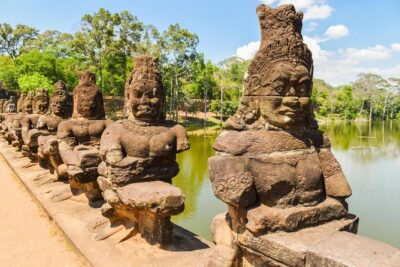
Angkor Wat Sunrise or Sunset Tour with Guide from Siem Reap
Read our review →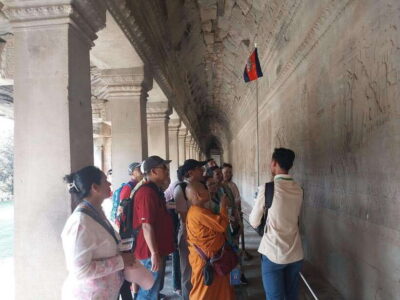
Angkor Wat: Small-Group Sunrise or Sunset Tour
Read our review →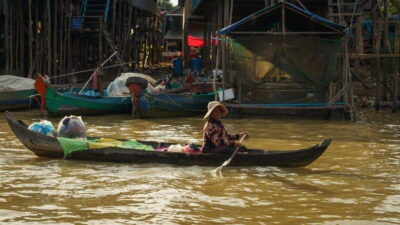
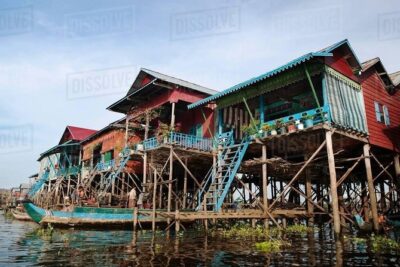
Sunset tour of Kampong Phluk stilts home village on the Tonle Sap
Read our review →
Kampong Phluk Floating Village Tour with Boat
Read our review →
Angkor Wat Sunrise tour with Small – Group and Guide tours
Read our review →
Angkor Wat Highlights and Sunrise Guided Tour from Siem Reap
Read our review →Browse the lists this tour appears in