
Reviewed · SIEM REAP TOURS
Cambodian Cooking Class from Siem Reap
Cambodian cooking makes more sense when you see the ingredients before they reach the plate. This half-day class takes you by tuk tuk from Siem Reap to the countryside, where you may visit a local market, meet a village family, inspect a home garden, and learn how everyday Khmer food is prepared. The class is fully hands-on, with your own station and cooking equipment.
I like the mix of food and daily life. The market visit gives you a useful look at herbs, produce, and spices, while the family-home visit adds context you will not get in a hotel kitchen. I also like the small groups, capped at six, and the quiet outdoor setting beside a pond. The main consideration is heat: the cooking area is covered but open-sided, and the short village walk is more pleasant with a hat, water, and comfortable shoes.
Key points to know before booking
- Market and village context: Learn what Cambodian ingredients look and smell like before cooking with them.
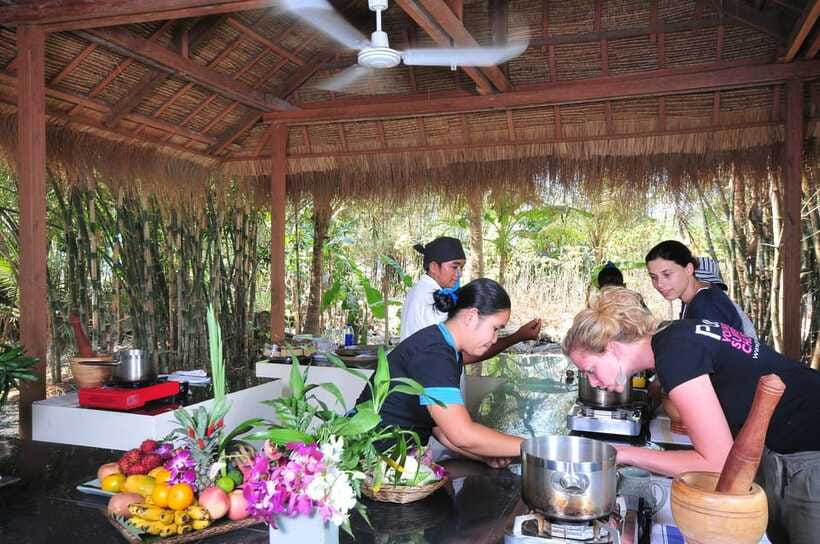
- Three-course, hands-on class: Prepare your own dishes at an individual station with help from an English-speaking chef.
- Peaceful pond setting: Eat your finished meal in a wooden pavilion overlooking water, sometimes with turtles visible in the pond.
- Small groups: The class is limited to six people, so instruction can be personal and relaxed.
- Useful recipes: You receive a recipe booklet with substitutions for ingredients that may be hard to find at home.
- Good value at $32: Transport, instruction, lunch, a drink, and the recipe book are included.
From Siem Reap by tuk tuk to the countryside
The experience begins with hotel pickup in a tuk tuk. The ride outside Siem Reap is part of the appeal. You leave the busy center behind and take quieter roads toward a rural village, with the open-air ride giving you a quick change of pace.
The published outing includes return transport to the centrally located Beyond office at the end. Allow three and a half hours for the whole activity. That is long enough for a real meal and a village visit, but short enough to fit around temple sightseeing or an afternoon at your hotel.
The tuk tuk is practical rather than luxurious. You are exposed to the weather and road dust, so light clothing and a scarf can help. The ride itself has been about 20 minutes in some experiences, though the exact time depends on your pickup point and the day’s route.
More Cooking Classes in Siem Reap
- Khmer Cooking Class at a Local’s Home in Krong Siem Reap
★ 5.0 · 2,731 reviews - Siem Reap: Khmer Cooking Class at a Local’s Home
★ 5.0 · 1,108 reviews - Award-Winning Cooking Class Experience with Professional Teacher
★ 5.0 · 745 reviews
A market lesson before the cooking begins
Many sessions start at a local market, where your guide introduces the produce used in the class. This is one of the strongest parts of the experience because Cambodian ingredients can be hard to understand from a recipe alone.
You might handle leaves, smell herbs, examine vegetables, and see the fish and other foods commonly used in Khmer kitchens. Your guide explains what the ingredients are used for and how they fit into local cooking. Some sessions have also included small tastes of local fruit or snacks.
Guides such as Sophia Lauren have been praised for making this part clear and friendly. She has helped people identify unfamiliar produce and offered alternatives for ingredients that may not be available in Europe, North America, Australia, or New Zealand. That practical information matters. A recipe is far more useful when it tells you what to buy at home.
The market is also a good place to ask questions about spice. Cambodian food uses fragrant herbs and spice pastes, but it is generally milder than much Thai or other neighboring cuisine. You will get flavor from layers of aromatics rather than relying only on chili heat.
The market visit does require a little patience. It is a working local market, not a polished food hall, and conditions may be warm. If you feel overheated, tell the guide. Staff have provided cold towels and water and adjusted the order of activities when someone felt unwell.
Meeting a Khmer family and seeing a home kitchen
The village portion gives the class a wider purpose. Along the way, you learn about herbs and vegetables grown around Khmer homes and used in ordinary meals. The activity then visits a local family, allowing you to see the home, kitchen, and garden rather than only hearing a lecture about rural life.
This is a brief encounter, not a full village tour. That is a good thing. You get a small, respectful look at daily food preparation without turning the visit into a long staged performance.
The class is also connected with an organization that helps local people build skills and earn a living. Some participants have chosen to support the women running the school by buying products offered on site. Personal purchases are not included in the price, but they can be a direct way to support the people involved.
You should approach the family visit with the usual courtesy. Follow your guide’s lead about photographs, gifts, and conversation. The value here comes from seeing how ingredients move from garden and market into a household kitchen.
Your own station, your own Cambodian meal
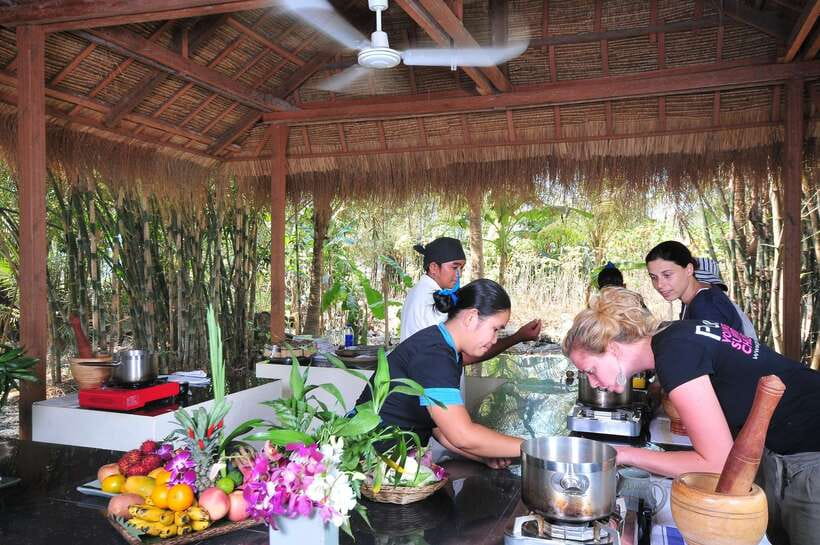
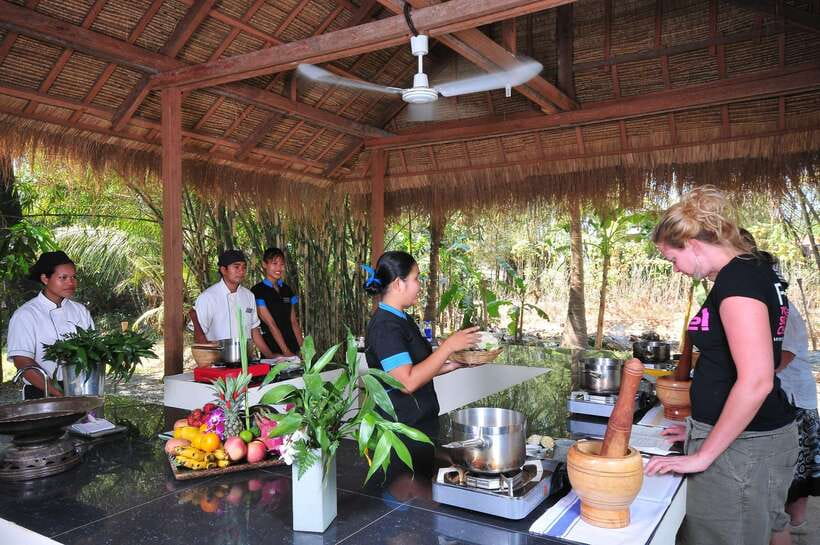
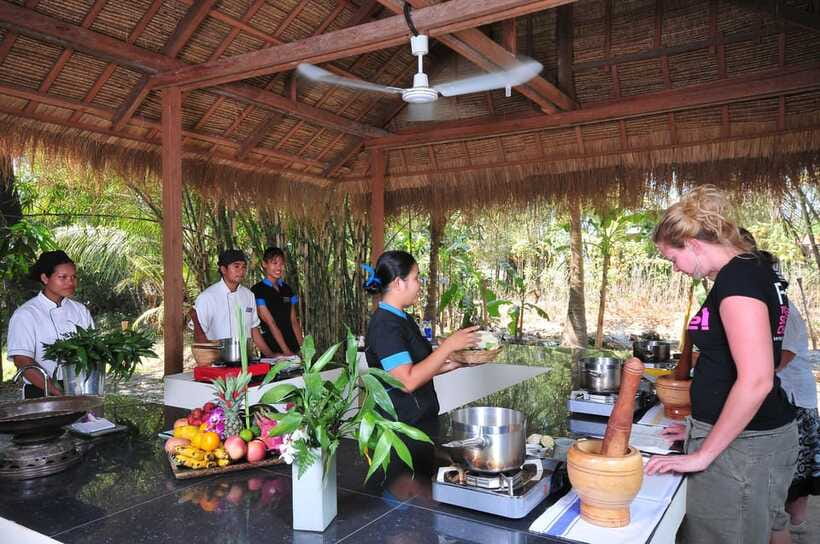
After the village visit, you move to an outdoor cooking pavilion. Each person has an individual cooking station and equipment, so you are not simply watching a chef prepare lunch.
The chef demonstrates each step, then you chop, mix, pound, season, and cook your dishes. The pace is generally calm, and you do not need previous cooking experience. Guides and chefs help if you get stuck, but you still do the work yourself.
The class commonly covers three dishes. The exact menu depends on the session.
A completely different sort of day from the same base:
- Angkor Wat Sunrise or Sunset Tour with Guide from Siem Reap
★ 5.0 · 12,109 reviews - Siem Reap: Angkor Wat: Small-Group Sunrise or Sunset Tour
★ 5.0 · 9,444 reviews - From Siem Reap: Kampong Phluk Floating Village Tour by Boat
★ 4.9 · 6,979 reviews - Sunset tour of Kampong Phluk stilts home village on the Tonle Sap
★ 5.0 · 4,865 reviews
Morning menu
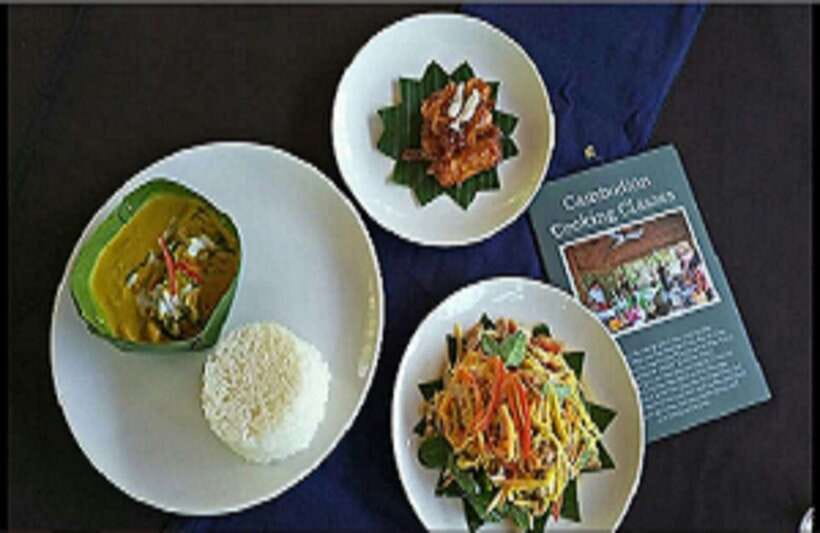
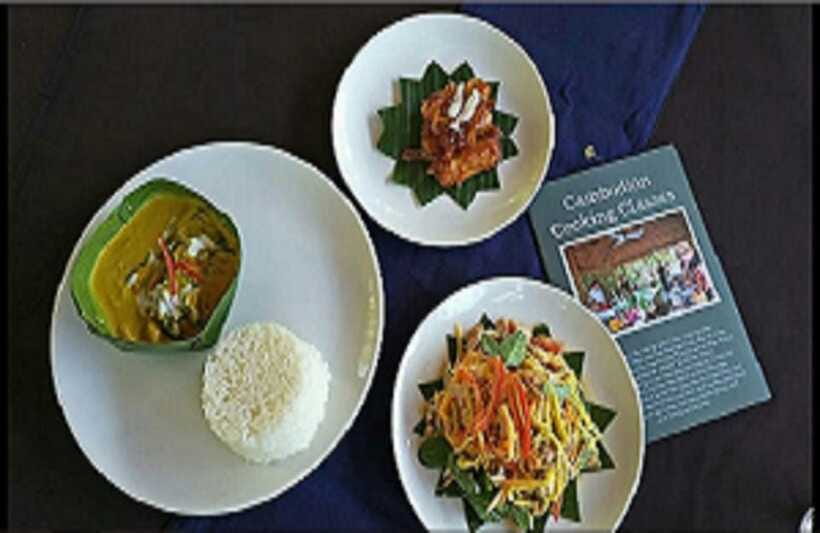
Cambodian mango salad uses fresh, light ingredients and makes an easy introduction to Khmer flavors. It is bright and cooling, with the sort of balance that works well in warm weather.
Fish amok is the star dish for many first-time cooks in Cambodia. This smooth curry is traditionally cooked in a young coconut and may be made with fish, chicken, or tofu. You learn how the curry base is built, rather than merely tasting the finished dish.
Sticky rice balls with palm sugar and grated young coconut provide a sweet finish. The dessert is simple enough to repeat at home, but still feels distinctly Cambodian because of the palm sugar and coconut.
Afternoon menu
Prahet chien is minced fish prepared on sugar cane. It gives you a different texture and presentation from fish amok.
Cambodian curry shows how Khmer curry differs from its hotter Thai neighbor. The emphasis is on fragrant spices and layered flavor, not a blast of chili.
Nom tong noun, described as Khmer brandy snaps, is a slightly sweet dessert with a crisp texture.
Some earlier sessions have included variations such as sticky bananas, so you should check the available menu when booking if a particular dish matters to you. The key point is that you cook several dishes, not one token recipe.
The chefs are patient and explain the process in clear English. One chef often named in past sessions is Prey, while the guiding team has included Sophia Lauren, Sophie, and Sopheap. Staff roles can vary, but the format remains personal because the group is so small.
Why the pond setting changes the mood
The cooking area is in a wooden pavilion beside a pond. After the work is done, your dishes are brought to you one by one, and you sit down to eat what you prepared.
That pause is important. You can compare the dishes, notice how the flavors work together, and ask final questions without rushing straight back into town. The setting is quiet and leafy, with water in front of the pavilion. Turtles have been seen in the pond during some sessions.
This is not a restaurant lunch with a cooking demonstration attached. You have chopped the ingredients, built the curry, and worked through the cooking steps yourself. Even a simple dish feels more memorable when you know exactly how it came together.
A complimentary ice-cold beer, soft drink, or bottled water is included. One older booking had confusion over a beer charge, so it is sensible to confirm the drink arrangement at the start. The stated inclusions provide one beverage, not an open bar.
The portions can be generous. If you cannot finish everything, takeaway containers have been available. That is useful because three dishes can make a substantial lunch, especially when you have been sampling ingredients along the way.
The food is designed for your kitchen back home
A good cooking class should send you home with more than a full stomach. This one provides a recipe book, and the recipes are intended to be repeated outside Cambodia.
The most useful teaching concerns substitutions. Exact Khmer herbs, leaves, and spices may be difficult to find in a local supermarket, but the guide can explain what to use instead. You also learn the basic curry paste method, including the work of chopping and crushing ingredients with a mortar and pestle.
I would make a note of the ingredient names during the market visit. Take photographs only when appropriate, and write down the substitutes that match your own grocery stores. That small bit of preparation will make the recipe booklet much easier to use later.
The food is usually mild by Southeast Asian standards, but you can ask about spice levels and dietary needs. Past sessions have accommodated vegetarian meals, tofu, and several dietary restrictions. Tell the operator about your requirements before the class so the kitchen can plan properly.
Is $32 a fair price?
At $32 per person, this is strong value if you want more than a recipe demonstration. The fee covers tuk tuk transport, an English-speaking guide and chef, the market or village experience, the cooking class, lunch, one drink, and a recipe book.
Compare it with the cost of arranging each part separately. You would need transport to the countryside, someone to explain the ingredients, a suitable kitchen, the food itself, and a meal afterward. Here, those pieces are combined into one organized half-day.
The small group limit adds real value. A six-person maximum means the chef can watch your technique and answer questions. If bookings are light, you may receive a private class or near-private attention. That can mean a lot of food, but it also means more direct instruction.
The main value is cultural rather than financial. You see where ingredients are sold and grown, how a household kitchen works, and how local cooks use familiar produce. If you only want to learn one recipe as quickly as possible, a shorter city demonstration may suit you better.
What to bring and how to prepare
Wear comfortable shoes for the village walk. A hat is recommended, and light clothing will help in the open-air kitchen. Bring water, though bottled water is included as a drink option.
You do not need special cooking skills. The class is built for beginners, and the chef guides you through the steps. Still, expect to do real preparation. You will not spend the entire time sitting at a counter while someone else cooks.
Children over 12 can join the regular class. Private family classes can be arranged on request, so families with younger children should ask about that option rather than assuming the standard class will accept them.
The activity is offered in English and lasts three and a half hours. Free cancellation is available up to 24 hours before the start time, and you can reserve now and pay later. Check the available start time because morning and afternoon menus differ.
Who will enjoy this class most?
I would choose this for you if food is one of the ways you like to understand a place. It suits couples, small groups, solo participants, and families with older children. Solo bookings can work particularly well when the group is not full.
It is also a good break from temple visits. Siem Reap can become a sequence of monuments and tuk tuk rides, while this activity gives you contact with rural life, cooking, and local produce.
You should think twice if you dislike heat, outdoor cooking, market smells, or hands-on food preparation. The pavilion is covered, but it is not an air-conditioned kitchen. The village walk is short, yet the sun can be strong.
People with dietary restrictions should ask in advance. The class has handled different needs, but the practical details depend on the dishes and ingredients available on your chosen day.
Should you book it?
I would book this class if you want a friendly, small-scale introduction to Khmer food with a real village setting. The strongest reasons are the market and family visit, the personal instruction, and the chance to eat a complete meal beside the pond.
At $32, you receive enough food and service to make the price sensible, and the recipe book gives the experience a life beyond your holiday. Book it early if you want a particular morning or afternoon menu, and bring a hat, comfortable shoes, and curiosity. Skip it only if you want air conditioning, a quick demonstration, or a formal restaurant setting.
FAQ
How long does the Cambodian cooking class last?
The experience lasts three and a half hours, including transport, the market or village visit, cooking instruction, and the meal.
How much does the class cost?
The listed price is $32 per person.
What food is prepared in the morning class?
The morning menu includes Cambodian mango salad, fish amok, and sticky rice balls with palm sugar and grated young coconut.
What food is prepared in the afternoon class?
The afternoon menu includes prahet chien, Cambodian curry, and nom tong noun, a Khmer-style brandy snap.
Is transport included?
Tuk tuk pickup from your hotel is included, along with return transport to the centrally located Beyond office at the end of the class.
Is lunch included?
Yes. You eat the dishes you prepare, and one complimentary beer, soft drink, or bottled water is included.
How many people can join the class?
Tours are capped at a maximum of six participants.
Can children join the cooking class?
Children over 12 can join the regular class. Private classes for families can be arranged on request.
More hands-on workshops in Siem Reap
- Siem Reap: Cambodian Pottery Class
★ 4.9 · 339 reviews - Cambodian Village Cooking Class
★ 5.0 · 265 reviews - Siem Reap Cooking Class
★ 5.0 · 170 reviews - Cambodian Pottery Class in Siem Reap
★ 4.5 · 157 reviews
New around Siem Reap
- Kulen Mountain With Ticket included Plus Banteay Srei Temple Tour★ 5.0 · 7 reviews
- 2 Days Angkor temples with Sunrise & Sunset★ 5.0 · 7 reviews
- Private Siem Reap Airport Transfer to hotel in town★ 5.0 · 7 reviews
- 1-Day private Angkor Temple Tour with Sun Rise by Tuk Tuk from Siem Reap★ 4.5 · 7 reviews
- Siem Reap: Morning Cooking Class & Market Tour★ 5.0 · 7 reviews
- Kulen Mountain, Killing Fields and War Museum Tour★ 5.0 · 7 reviews
- War Museum, Killing Field, and APOPO Hero RATs Tour★ 5.0 · 7 reviews
- Half-Day: Silk Farm, Senteur Angkor, and Satcha Workshop★ 4.6 · 7 reviews
Siem Reap Tours, compared.

Angkor Wat Sunrise or Sunset Tour with Guide from Siem Reap
Read our review →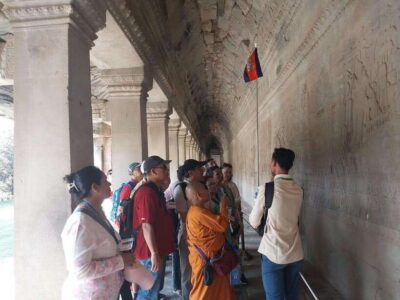
Angkor Wat: Small-Group Sunrise or Sunset Tour
Read our review →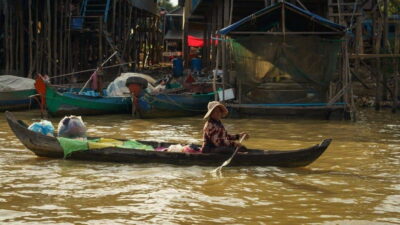
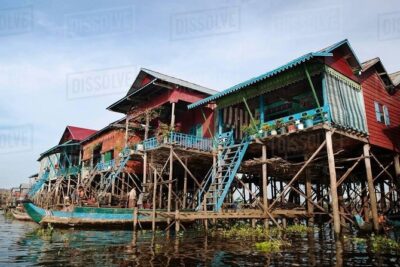
Sunset tour of Kampong Phluk stilts home village on the Tonle Sap
Read our review →
Kampong Phluk Floating Village Tour with Boat
Read our review →

Angkor Wat Sunrise tour with Small – Group and Guide tours
Read our review →
Angkor Wat Highlights and Sunrise Guided Tour from Siem Reap
Read our review →Browse the lists this tour appears in