
Reviewed · ANGKOR WAT TOURS
Angkor Wat Highlights and Sunrise Guided Tour from Siem Reap
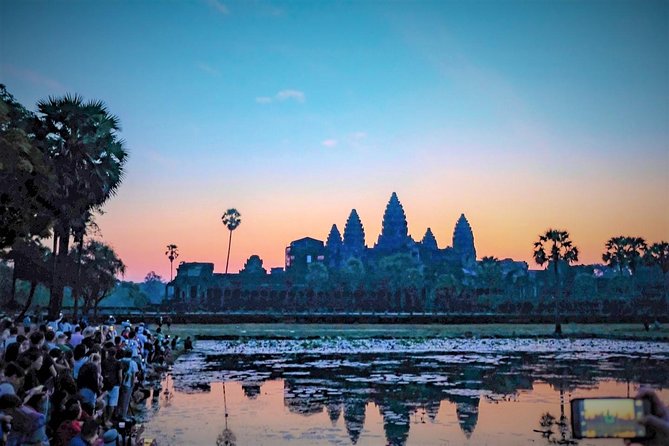
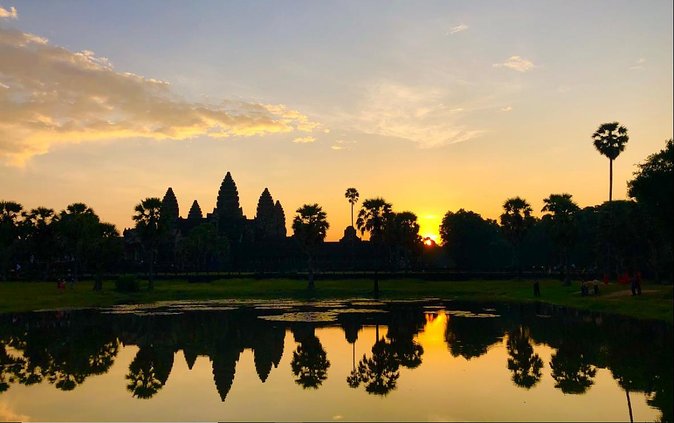
Angkor Wat is at its most haunting before breakfast, when the sky turns pale behind the temple towers and the moat catches the first light. This 4:30am departure gets you there before the day becomes hot and helps your guide steer you toward quieter corners.
I like the mix of major sights: Angkor Wat, Ta Prohm, Bayon, and Angkor Thom in one well-planned morning. I also like the practical touches, including hotel pickup, an air-conditioned minivan, bottled water, and cold towels. The catch is simple: you must pay $37 for the temple pass, and the early wake-up is very real.
Key points at a glance
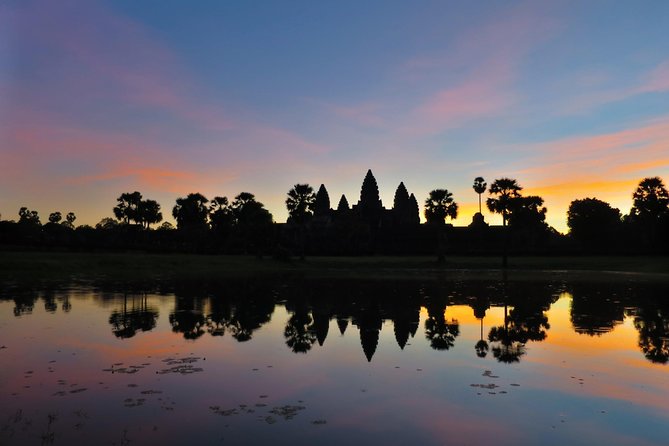
- Sunrise at Angkor Wat: Arrive in darkness and watch the temple glow as daylight builds.
- Four major temple areas: See Angkor Wat, jungle-covered Ta Prohm, Bayon’s giant stone faces, and Angkor Thom.
- Local English-speaking guides: Guides such as Sak, Pal, Yuth, Chhay, and Bun are praised for history, culture, storytelling, and photo help.
- Comfort after the early start: Travel in an air-conditioned minivan with bottled water and cool towels.
- Small-group format: The vehicle holds no more than 15 people, with private and biking options also available.
- Important extra cost: The tour price is $23, but the Angkor temple pass costs another $37 per person.
Why the sunrise start is worth the alarm
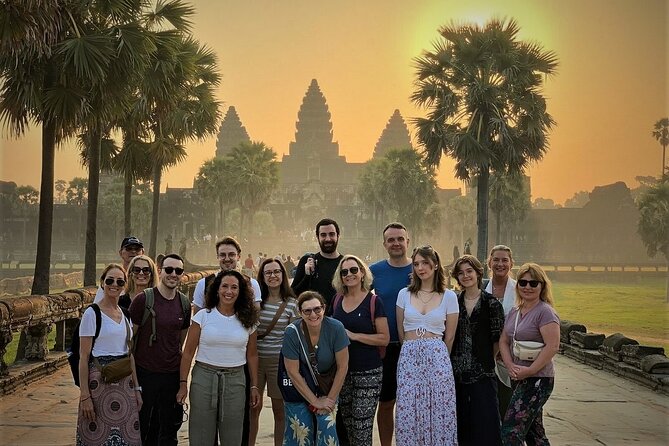
Pickup begins around 4:30am, with the exact time changing slightly by season. That sounds harsh because it is, but sunrise changes the entire mood of Angkor Wat. In the dark, the approach feels quiet and ceremonial. Then the towers appear against the sky, and the famous postcard view gains real atmosphere.
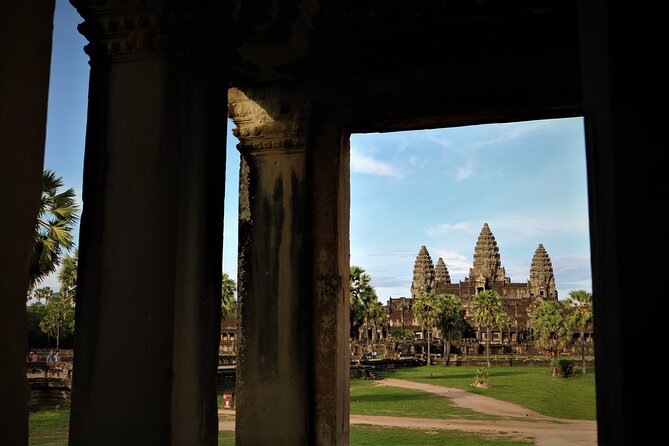
Your guide takes you into the temple complex from the eastern side, an approach described as less visited than the main western entrance. That can help you avoid some of the first rush, though Angkor Wat sunrise is never a private affair. Popular viewing areas can still fill quickly.
Bring your hotel breakfast if you can. The tour stops for breakfast near Srah Srang, but food is not included. Several people have found it easy to request a breakfast box from the hotel the night before, then eat it during the stop. It is a small bit of planning that makes the morning much easier.
The light improves the photographs, but do not treat the sunrise as the whole event. Clouds, haze, and the time of year affect the colors. Even on a less dramatic morning, you still have the temple itself, the moat, and the changing light on the stone.
More Angkor Wat Tours in Siem Reap:
- Angkor Wat Sunrise or Sunset Tour with Guide from Siem Reap
★ 5.0 · 12,109 reviews - Siem Reap: Angkor Wat: Small-Group Sunrise or Sunset Tour
★ 5.0 · 9,444 reviews - Siem Reap: Angkor Wat 2-Day Tour with Sunrise and Sunset
★ 4.9 · 4,429 reviews
Angkor Wat from darkness to first light
You spend about three hours at Angkor Wat, including the sunrise and the temple visit. The early portion is focused on getting a good view, while the later walk lets you study the building rather than simply take a photograph and leave.
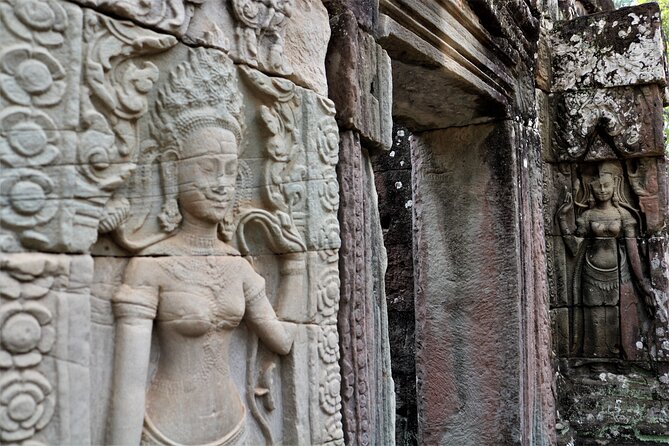
Inside, an English-speaking guide explains the bas-relief carvings, galleries, library buildings, pools, and religious purpose of the complex. This is where the tour earns its modest price. Without context, the scale is impressive but easy to confuse: one carved wall can begin to look like another. A good guide points out the stories and symbols that give the stone a human scale.
Guides named in guest feedback include Pal, Sak, Yuth, Sopheaprath, Serakyuth, Chhay, Bun, and others. You cannot choose a particular guide from the information provided, but the pattern is clear: the strongest part of the operation is its local guiding. Yuth, for example, is praised for explaining history, religion, culture, and even language, while Pal has used an iPad to show images and videos during walks and transport.
Expect a fair amount of walking over uneven ground. Comfortable trainers or hiking shoes are a smart choice. Sandals may work for some people, but they offer less help on worn stone and rough paths.
Dress for both the climate and the temple rules. Your shoulders and knees must be covered, and a scarf alone is not accepted as shoulder coverage. Lightweight clothing that meets those rules will serve you better than heavy fabric in the morning heat.
Srah Srang is a useful breakfast pause
Srah Srang is scheduled for about an hour and serves as the tour’s rest and breakfast break. The pool is a calm place to pause after the first major temple, and the nearby local restaurant gives you a chance to eat something before the hotter part of the morning.
Breakfast is not included in the $23 tour price. You pay for your own meal at the restaurant, or eat the breakfast pack arranged through your hotel. That separate cost is easy to overlook, so budget for it.
I like this stop because it keeps the day from becoming one long march through ruins. The drawback is timing. After waking before dawn, you may want a longer sit-down meal, but the group schedule needs to keep moving to fit in Ta Prohm and Bayon.
Ta Prohm brings the jungle atmosphere
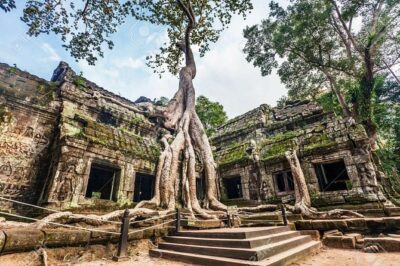
The next major stop is Ta Prohm, with about 90 minutes set aside. This is the temple often linked with the film Tomb Raider, but its appeal goes beyond movie fame. Trees press against the walls, roots coil over masonry, and collapsed sections show how nature and time have worked on the site.
Ta Prohm once housed 2,740 monks. Today, the remains are valued partly because they preserve the look of an overgrown ruin, rather than presenting a fully cleared and restored monument. That makes it visually different from Angkor Wat and gives the morning a useful change of pace.
Your guide can help you notice carved details that are easy to miss among the roots and narrow passages. You may also get help with photographs. Guides such as Sak, Pal, and Chhay are specifically praised for finding good photo spots and helping people capture group pictures.
Ta Prohm can feel crowded around its most famous tree-and-wall views. The guide’s route and timing matter here. You should expect some waiting if you want the classic photograph, but the site has enough corners and galleries to reward looking beyond the best-known frame.
More early starts in Siem Reap:
- Angkor Wat Sunrise tour with Small – Group and Guide tours
★ 5.0 · 3,655 reviews - Full-Day Angkor Wat Sunrise Private Tour with Guide from Siem Reap
★ 5.0 · 2,920 reviews - Angkor Wat Sunrise & 3 Main Temples with Breakfast – Small Group
★ 5.0 · 2,857 reviews - Siem Reap: Angkor Wat Sunrise and Full-Day Sightseeing Tour
★ 4.9 · 2,828 reviews
Angkor Thom explains the scale of the old capital
The route passes the Terrace of the Leper King and the Terrace of the Elephants before reaching Angkor Thom. These terraces once formed part of the ceremonial center of the Khmer Empire’s capital. The tour allows about 30 minutes at the South Gate and about 90 minutes at Bayon.
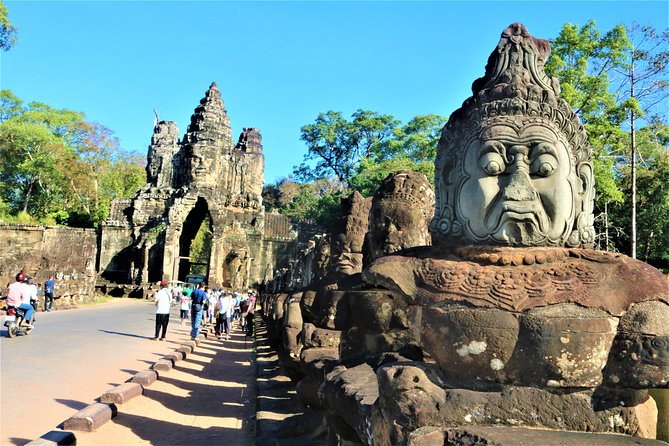
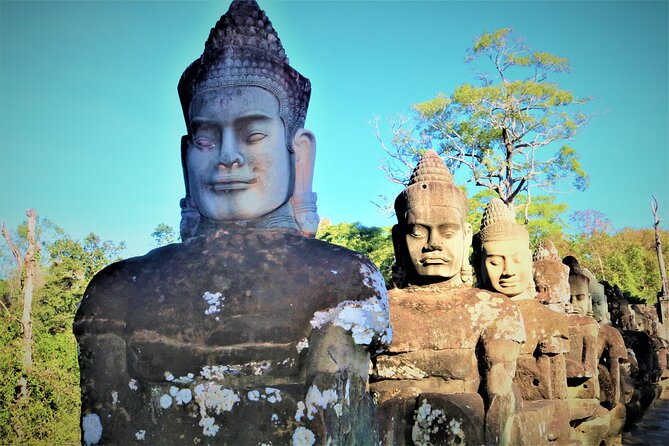
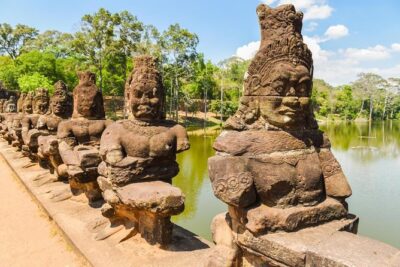
At the South Gate, look at the long line of carved figures pulling a serpent. The gate gives you an immediate sense that Angkor Thom was not just a cluster of temples. It was a planned royal city with grand entrances, processional routes, and an ambition that is hard to grasp from a single building.
The Terrace of the Elephants is especially good for understanding public ceremony and royal display. The Terrace of the Leper King has layered carvings and a more enclosed feel. The itinerary lists these as passing stops, so do not expect a long, separate guided visit at each terrace.
Bayon’s stone faces reward a slower look
Bayon is the final major temple stop and one of the most memorable. Its central towers carry more than 200 enormous faces, each with a calm expression that seems to follow you as you move through the galleries.
The temple is more confusing to navigate than Angkor Wat. Towers, corridors, and carved walls overlap in a tight arrangement, so a guide is particularly useful. I would take a moment to look both up at the faces and down at the bas-reliefs, which show scenes of warfare, trade, daily work, and court life.
The 90-minute allowance gives you time to see the central towers without rushing every photograph. Still, this is a full morning, and heat and tired legs can affect your attention. If you want to examine every carving in detail, you would need a longer visit on another day.
What the transport and service are really like
Hotel pickup and drop-off are included from Siem Reap, which removes the need to arrange a pre-dawn taxi. Exact pickup timing is confirmed around the tour date, and the operator has also used WhatsApp to confirm the final time with travelers the day before.
The vehicle is an air-conditioned minivan. That matters more as the morning progresses, because the temperature and humidity rise quickly around the temples. Drivers such as Keal, Mao, Sung, Mr. K, and Naro are praised for staying on schedule and having water and towels ready when people return to the minivan.
Complimentary bottled water and cool towels are included. They are not luxury extras, but after walking across hot stone they become some of the most useful parts of the day. The service is practical rather than flashy.
The group size is limited to 15 people. That is small enough for a guide to speak with the group and help with pictures, but it is not the same as having a private guide. One negative experience involved cancellations and uneven group dynamics, a reminder that a shared tour depends on the other people in the vehicle.
Three formats are offered: a small-group minivan tour, a private sunrise tour, and a sunrise tour with biking. The supplied details are strongest for the minivan option, so check the exact format and price before booking if you are comparing them.
The real cost is closer to $60 per person
At $23 per person, the tour looks like a bargain. But the temple pass is not included and costs $37 per person, bringing the basic total to about $60 before breakfast and any other personal spending.
That is still fair value for roughly eight hours of transport, hotel pickup, an English-speaking guide, bottled water, cold towels, and visits to the main Angkor sights. A private car and guide would usually cost more, while exploring independently may save money but requires more planning and gives you less context.
The temple pass can be purchased on the day just before sunrise, and Visa cards are accepted. You can also buy it in advance. Since the pass is a separate fee, make sure your budget includes it rather than treating the advertised tour price as the full admission cost.
The tour’s value is highest if this is your first Angkor visit and you want the main monuments in one morning. It is less ideal if you prefer long, quiet hours at one temple or want to focus on lesser-known sites.
Who will enjoy this morning most
I would recommend this tour to first-time visitors who want a clear introduction to Angkor. You get the famous sunrise, the largest temple, the jungle ruin, the stone faces, and the old capital without having to organize the route yourself.
It also suits people who enjoy stories and explanations. The guides are praised for discussing architecture, religion, Cambodian culture, and modern personal experience. One guide, Bun, connected the ancient sites with his own memories of Cambodia’s difficult Khmer Rouge period, showing how a local guide can add meaning beyond dates and building names.
Families can take part if children are at least eight years old. The long day, early start, heat, and uneven paths may test younger children, so consider your family’s energy level before booking.
Photographers will appreciate the sunrise timing and guide help with viewpoints. You should still expect other people around the main temple and bring realistic expectations about getting a completely clear frame.
This tour is not the best choice for anyone who dislikes early mornings, group schedules, or paid site admission. You may also find the pace tiring if you want to sit quietly at every stop.
Small details that make the morning easier
Set out clothing, shoes, and your temple pass money the night before. Ask your hotel for a breakfast pack, and confirm the pickup point carefully if your accommodation has more than one entrance.
Keep your phone or camera ready for the first walk, but do not spend all of sunrise looking at a screen. The best part is watching the temple change from a dark outline into a carved sandstone monument.
Carry only what you need. A small bag, water, phone, camera, and any personal medication are enough. The operator supplies bottled water and cool towels, so you do not need to load yourself down.
Be patient with the group. Pickup can take time if you are not the first stop, and the return may also vary. The full experience is advertised at about eight hours, with reported schedules ranging from roughly 11:30am to 1pm depending on hotel location and the day’s pace.
Should you book the Angkor Wat sunrise tour?
Book it if you want the essential Angkor circuit with a local English-speaking guide and minimal planning. The combination of sunrise at Angkor Wat, Ta Prohm, Bayon, and Angkor Thom is strong, and the price remains reasonable once you understand that the $37 temple pass is extra.
I would choose the small-group option for a first visit, especially if you value explanations and photo help. Pick the private version if you want more control over timing, and think twice about booking at all if a 4:30am alarm sounds worse than missing sunrise.
The practical verdict is favorable: this is a well-priced orientation to Angkor, with excellent guides as its main strength and the early start, extra admission fee, heat, and group schedule as its main limits.
FAQ
What time does the Angkor Wat sunrise tour start?
Pickup begins at about 4:30am. The exact departure time may vary slightly by season, with the stated pickup range around 4:30 to 4:40am.
Is the Angkor temple pass included?
No. The temple pass costs $37 per person and must be paid separately. You can purchase it on the day before sunrise, and Visa cards are accepted.
What temples are included in the tour?
The route includes Angkor Wat, Srah Srang, Ta Prohm, Bayon, Angkor Thom South Gate, the Terrace of the Leper King, and the Terrace of the Elephants.
Is breakfast included?
No. Breakfast is not included in the tour price. You can request a breakfast pack from your hotel or buy breakfast at the local restaurant stop near Srah Srang.
Is hotel pickup provided?
Yes. Hotel pickup and drop-off in Siem Reap are included. The final pickup time is confirmed for the date of the tour.
How large is the group?
The tour has a maximum of 15 people. Private and biking versions are also offered as separate options.
What should I wear to Angkor Wat?
You must wear respectful clothing covering your shoulders and knees. A scarf used alone to cover your shoulders is not accepted. Comfortable walking shoes are recommended because the ground can be uneven.
New around Siem Reap
- Kulen Mountain With Ticket included Plus Banteay Srei Temple Tour★ 5.0 · 7 reviews
- 2 Days Angkor temples with Sunrise & Sunset★ 5.0 · 7 reviews
- Private Siem Reap Airport Transfer to hotel in town★ 5.0 · 7 reviews
- 1-Day private Angkor Temple Tour with Sun Rise by Tuk Tuk from Siem Reap★ 4.5 · 7 reviews
- Siem Reap: Morning Cooking Class & Market Tour★ 5.0 · 7 reviews
- Kulen Mountain, Killing Fields and War Museum Tour★ 5.0 · 7 reviews
- War Museum, Killing Field, and APOPO Hero RATs Tour★ 5.0 · 7 reviews
- Half-Day: Silk Farm, Senteur Angkor, and Satcha Workshop★ 4.6 · 7 reviews
Angkor Wat Tours, compared.
Angkor Wat Sunrise or Sunset Tour with Guide from Siem Reap
Read our review →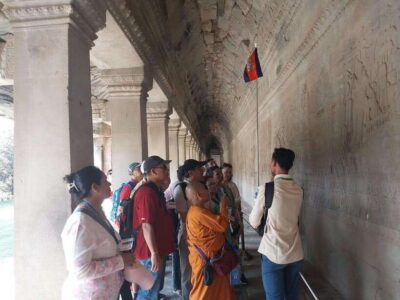
Angkor Wat: Small-Group Sunrise or Sunset Tour
Read our review →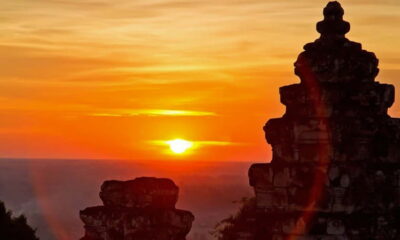
Angkor Wat Sunrise tour with Small – Group and Guide tours
Read our review →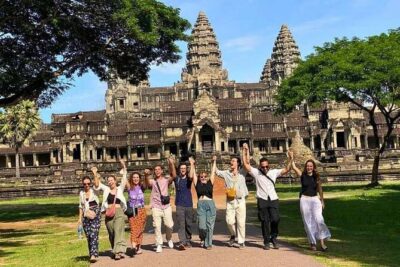
Angkor Wat Sunset Small Group Tour with Lunch Included
Read our review →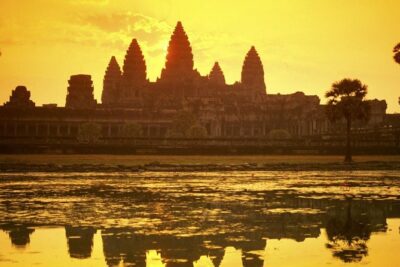
Full-Day Angkor Wat Sunrise Private Tour with Guide from Siem Reap
Read our review →
Angkor Wat Sunrise & 3 Main Temples with Breakfast – Small Group
Read our review →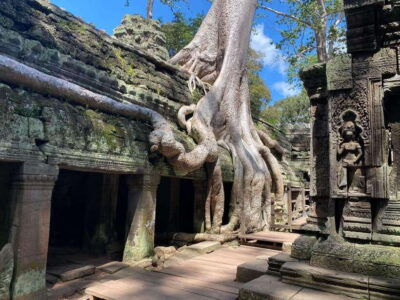
Angkor Wat Sunrise and Full-Day Sightseeing Tour
Read our review →Browse the lists this tour appears in