
Reviewed · SILK FARM TOURS
Silk Island & countryside of Phnom Penh by Tuk Tuk
The best part of this half-day trip is how quickly Phnom Penh gives way to quiet island roads and small villages. You cross the Mekong by local ferry, then ride through farms, pagodas, markets, and family workshops where everyday Cambodian work is still the main attraction.
I like the ferry rides, especially the lively business of taking a tuk tuk onto a small local boat. I also like the family-run stops, from silk weaving to bean curd production, because they show how food and textiles reach Cambodian homes. The main drawback is that this is a simple rural outing, not a polished sightseeing show. A riverside meal may include insects, and the silk workshop is modest rather than a large commercial farm.
Key points to know before you book
- Local ferry crossings: Ride across the Mekong and between island communities, often with your tuk tuk aboard.
- Small family workshops: See silk weaving and bean curd production without a fixed commercial showroom feel.
- Real countryside views: Pass mango, banana, corn, lemongrass, ginger, rice, taro, and water-lily growing areas.
- Flexible timing: Choose a morning or early evening departure, with sunset possible on the later outing.
- Personal guiding: Guides including Thong Chea, Mon, Tida, Narith, and Mr. Pi have led different departures.
- Small-group format: The maximum group size is 12, with hotel pickup and return included.
Leaving Phnom Penh by tuk tuk and ferry
This outing works because it changes the pace of your day. Instead of spending another few hours among Phnom Penh’s traffic and busy streets, you head toward the river, board a ferry, and watch the city thin out.
Pickup is provided at your hotel. Transport is normally a Romork, the Cambodian tuk tuk style with a separate covered passenger carriage, though a minivan may be used when the group is larger. The maximum is 12 people, but the feel of the trip depends on the departure. A small group gives you more room to ask questions and makes village stops less awkward.
The first crossing takes place near the meeting point of the Mekong, Tonle Sap, and Bassac rivers. It is not a grand cruise. It is a working ferry used by local people, and that is exactly why it is useful. You see river transport as part of daily life, not as a staged sightseeing ride.
You may also take smaller ferries later in the day. Getting a tuk tuk on and off these boats can be a funny, slightly clumsy operation, but it is one of the memorable details. Keep your camera ready, but hold on to your belongings during loading and unloading.
More Silk Farm Tours in Phnom Penh
- Phnom Penh Silk Island Bike Tour/ E-Bike or Tuk Tuk
★ 5.0 · 495 reviews - Silk Island Cycling Adventure & lunch with locals
★ 5.0 · 246 reviews - Phnom Penh to Silk Island By Tuk-Tuk with local Expert
★ 5.0 · 165 reviews
Phsar Areyksat market and the first village walk
After the ferry, the route reaches Phsar Areyksat and nearby villages. The market gives you a quick look at the food side of island life, with the usual sights, smells, and activity of a local shopping place.
This is not presented as a formal market tour with a long list of tastings. Instead, your guide helps you read the scene and explains what people buy, grow, cook, and sell. That context matters. Without it, a Cambodian market can seem like a blur of produce, plastic bags, prepared food, and unfamiliar objects.
You then walk through small villages at an unhurried pace. The walking sections let you notice details that disappear from a moving tuk tuk: houses, family yards, roadside work, and the way paths connect one part of the community to another.
The walking is generally manageable for most people, but the route includes sunbaked rural roads and open farmland. Wear practical shoes and bring protection from the sun. The supplied information calls for formal dress, but the actual stops are rural and include a monastery. The safest choice is clean, modest clothing that covers shoulders and knees when visiting religious sites.
Farms, tropical fruit, and the work of growing food
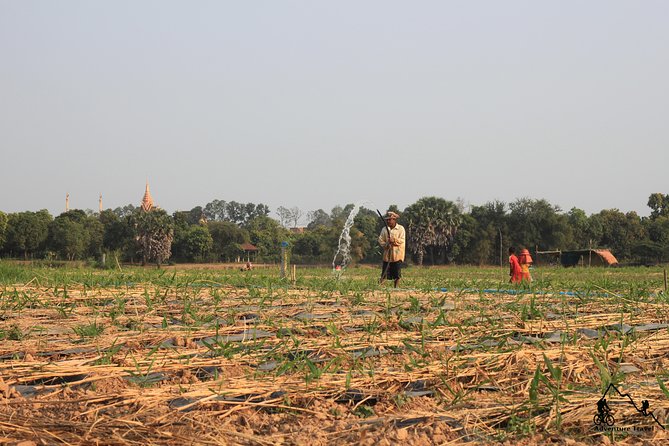
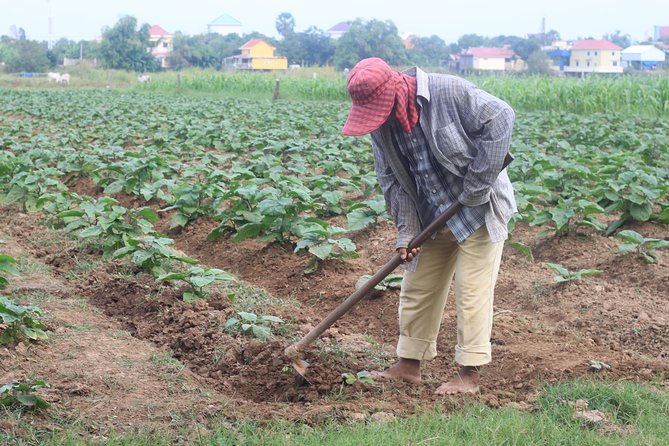
The ride continues through agricultural areas rather than major monuments. You pass plantations and fields growing mangoes, bananas, corn, lemongrass, ginger, rice, taro, and water lilies.
The value here is not a single spectacular farm visit. In fact, one departure may simply pass fields rather than stop for a hands-on farming activity. The point is to see how varied small-scale growing supports island households through the year.
Guides have explained how families manage fields, rotate crops, and use plants such as ginger in Cambodian cooking. You may also stop at a village for a break and sample tropical fruit. Mangoes have been offered as a gift on some outings, and fruit snacks are included in the experience.
The tour description says you can try your hand at farming at a local farm, but the supplied details do not promise a particular farm task on every departure. If planting or harvesting is important to you, ask the operator what that day’s farm stop will involve.
Sedge mats and a family silk workshop
One of the most worthwhile stops is connected with traditional weaving. Along the Mekong, villagers produce sedge mats, and the process gives you a close look at a practical craft rather than a museum display.
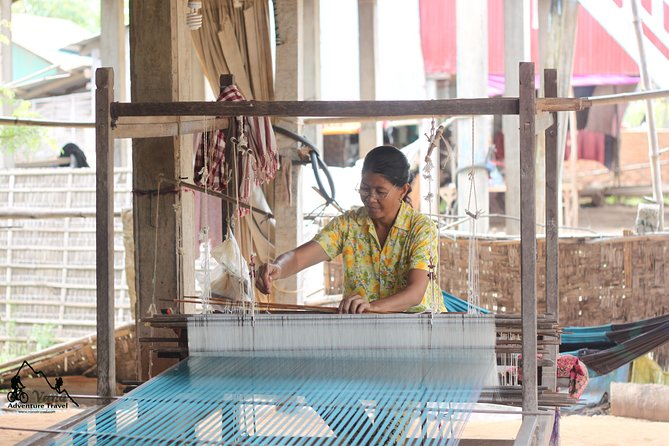
The silk stop is usually a small family operation. You may see silk threads being prepared, spun, and woven, and on some outings you can try the loom yourself. Guides have also explained the full chain from silkworm to scarf or sarong, including the patience and handwork required to make finished cloth.
This is a good place to adjust your expectations. A local silk workshop may have only a few people working when you arrive. It may also display finished scarves or table runners for sale. The purpose of the stop is to observe and ask questions, not to visit a large production center.
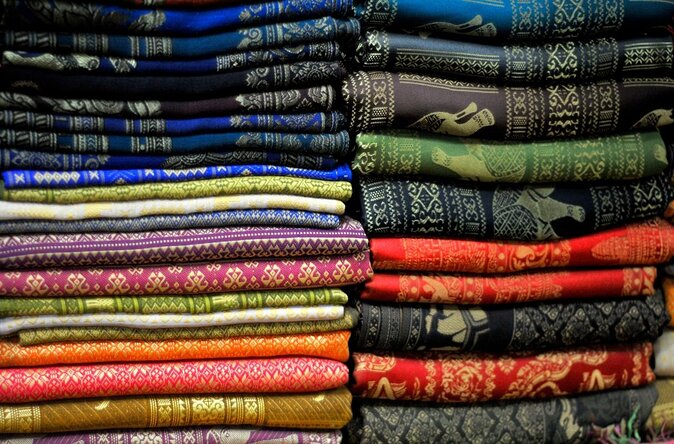
There is no stated requirement to buy anything, and the experience is intended to be low pressure. Still, you should be comfortable with the fact that a family craft business may combine demonstration and retail. If you want a wider choice of Cambodian textiles, Phnom Penh’s Russian Market and Central Market are better suited to shopping, but they will not give you the same view of home-based production.
The silk visit also gives the tour its name, but the outing is about more than silk. Farms, food production, religion, ferries, and village life take up just as much of the day.
More Tuk Tuk Tours in Phnom Penh
- Ultimate Phnom Penh Food Tour by Tuk Tuk: 20 Tastings and Drinks
★ 5.0 · 409 reviews - Phnom Penh’s Culinary Underground: Local Food Tour by Tuk-tuk
★ 5.0 · 234 reviews - Phnom Penh’s Morning Market and Street Art Tour by Tuk tuk
★ 5.0 · 128 reviews - Phnom Penh Silk Island Vespa Tour / Tuk Tuk Available
★ 5.0 · 102 reviews
Bean curd production and Cambodian food
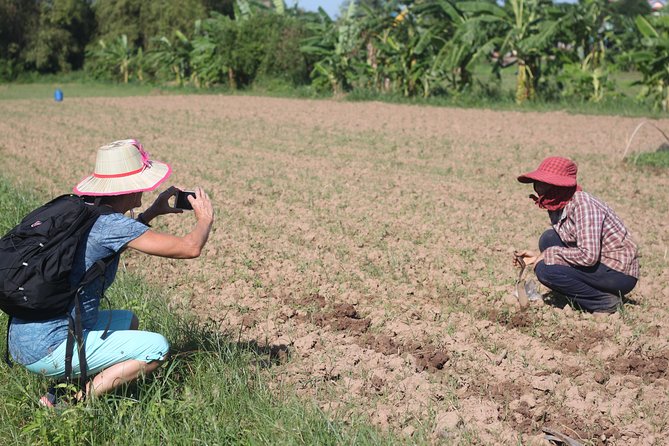
Another distinctive stop is a small business making bean curd, including tofu skin. Bean curd is a common ingredient in Cambodian dishes such as soup and stir-fried noodles, so this visit connects a familiar food with the work behind it.
You may see the preparation process and taste some of the product. It is a brief, practical stop, and it works well because it is not another souvenir shop. It shows how local businesses turn basic ingredients into food used in everyday meals.
Your guide can also explain the crops you have passed and how they appear in local cooking. This is one of the strongest parts of the outing for anyone interested in food. You are not just served a Khmer dish at the end. You spend the day seeing ingredients in fields, workshops, and family businesses before eating them in a local setting.
Vegetarian food is available, but you need to advise the operator when booking. Alcoholic drinks are not included, though they can be purchased.
Buddha monastery and the spiritual side of island life
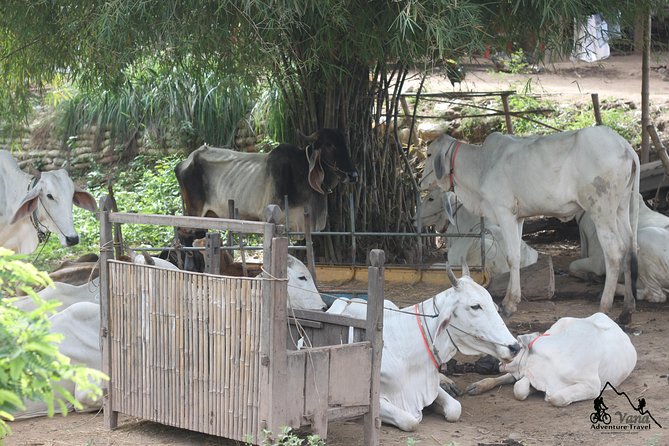
The route includes a stop at a Buddhist monastery, with one departure visiting a beautifully painted temple and a nunnery. This pause breaks up the farm visits and gives your guide room to explain Cambodian religious life.
The monastery is not treated as a rushed photo stop. You have time to look at the painted buildings, grounds, and devotional setting. The exact site may vary, but the purpose is consistent: to help you understand how Buddhism fits into village life.
Dress with care here. The listed dress code says formal, and modest clothing is the practical rule to follow. Avoid treating the monastery as a backdrop only. Keep your voice low, ask before photographing people, and follow your guide’s instructions about where to walk.
This stop may be especially meaningful after seeing the work of farming and weaving. The tour places ordinary labor, family enterprise, and religious practice in the same rural setting, which gives you a fuller sense of the community.
A Khmer meal beside the Mekong
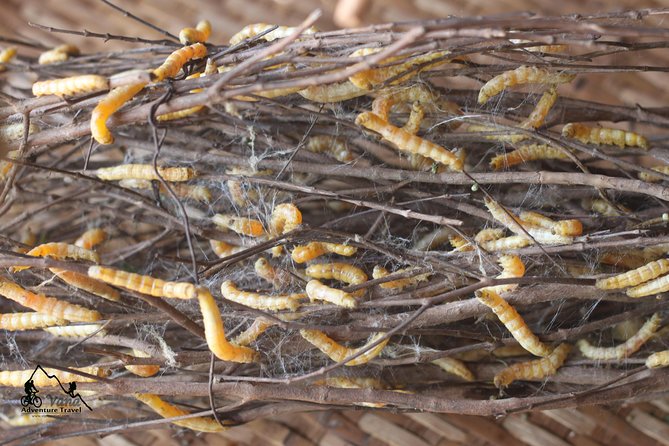
The meal is served at a local Khmer restaurant, sometimes on a floating dining area or at a simple riverside family restaurant. The setting is a major part of the appeal. After several hours on rural roads and ferries, sitting beside the river at lunch or sunset feels calm and unhurried.
The food has generally been described as tasty and plentiful, with vegetarian choices available when requested. The tour includes tropical fruit and lunch or dinner, plus drinking water. Your guide and tuk tuk driver may eat with you, as the provider treats the meal as a shared local experience rather than separating staff from the group.
That arrangement will suit some people and not others. It can make the meal feel more social and give you another chance to ask questions. If you prefer a private restaurant meal with formal service, this is not that kind of outing.
You also need to be realistic about the setting. A simple riverside restaurant can have ants or wasps, particularly at dusk near fields and water. One serious complaint described dirty crockery, insects in the food, and an unpleasant meal. That account is sharply different from the many positive food comments, but it points to a real issue: this is local dining, not a controlled hotel restaurant.
If cleanliness is a high priority, inspect the setting when you arrive and tell your guide promptly if something is wrong. The provider processed a full refund in the case described, but it is better to raise concerns during the meal rather than wait until the trip ends.
Guides, drivers, and the feel of the ride
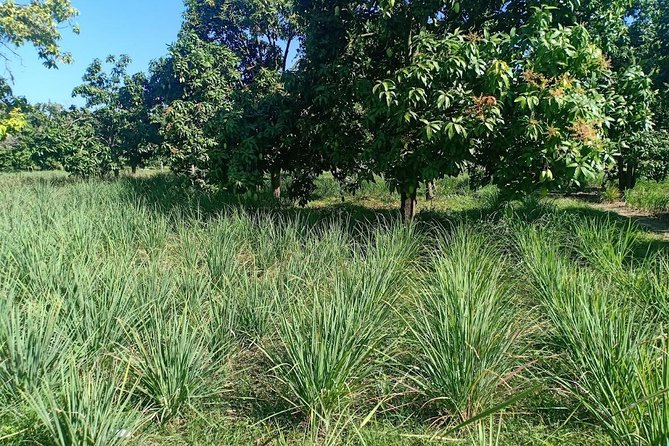
The guide can shape the entire experience. Names connected with different departures include Thong Chea, Mon, Tida, Narith, Mr. Pi, and Mr. Sok Mon. Do not assume a particular guide unless the operator confirms it, but the repeated praise for local guides points to the importance of their explanations and personal manner.
Thong Chea has been described as the founder of Vana Adventure Travel and as a guide who talks about farming, food, local enterprise, and his own family. Mon has been praised for a friendly approach and clear explanations. Tida has been noted for her enthusiasm about local food and small businesses. Mr. Pi has been described as caring and helpful with families.
The guide’s English level may vary. Most of the supplied feedback describes good communication, but one dissatisfied customer found the guide less informed and too focused on questions about the visitor’s home country. This is a useful reminder that the tour is not a nonstop lecture. If you want detailed explanations, ask direct questions about farming, silk, religion, and Cambodian history.
The driver matters too. A careful tuk tuk driver makes ferry loading, narrow roads, and city pickup much easier. Water is carried in the tuk tuk, and the vehicles have been described as clean and well maintained on some departures. You will still feel heat, road dust, and bumps. That is part of the transport, not a fault with the tour.
Morning or early evening: choosing the right departure
The experience lasts about three to five hours. The timing can vary depending on ferry movements, traffic, group size, and how long you spend at the stops.
A morning departure suits you if you want better daylight for markets, farms, and weaving. It also leaves your evening free in Phnom Penh. An early evening departure is appealing if you want a cooler ride and a riverside meal near sunset.
The later option may create a more atmospheric finish, but it also brings more insects around lights and food. The supplied experiences include a peaceful dinner by the river as the sun went down, so the timing can be lovely. Just bring insect repellent and keep your expectations practical.
You may see several islands rather than only the place commonly called Silk Island. That wider route is a strength because it shows how the communities connect by ferry and road. It also means the day is not a single, tightly scripted Silk Island attraction.
What the $45 price covers
At $45 per person, the price includes hotel pickup and drop-off, the English-speaking guide, tuk tuk transport with an experienced driver, ferry fees, a contribution to the villagers, tropical fruit, and lunch or dinner with local people.
That is a fair package if you value transport and interpretation. Hiring a tuk tuk independently would get you around, but it would not necessarily include ferry arrangements, a guide who can explain the workshops, a planned meal, or access to family businesses. The value is strongest for first-time visitors who want to see rural Phnom Penh without arranging several separate rides.
The price is less compelling if you mainly want a quick ferry crossing and a scenic meal. You are paying for the full circuit of villages, crafts, farms, food production, and religious sites. The experience also has a private-feeling quality on small departures, though the maximum group size is 12.
Souvenir photos and alcoholic drinks cost extra. Children receive a child rate only when sharing with two paying adults.
Who should book this Silk Island outing?
I would choose this trip if you want a break from city traffic and prefer local work, food, and daily life to a list of grand sights. It suits curious adults, families, and visitors who enjoy asking questions and accepting a little uncertainty.
The tour is also a good match for people who like gentle adventure. Ferry crossings with a tuk tuk, rougher rural roads, village walks, and a floating restaurant make the day feel more like an outing than a standard bus tour.
You may want to skip it if you need air conditioning, polished venues, strict timing, or restaurant standards similar to an international hotel. It is also not ideal if you want a long, hands-on farm session every time, since some departures mainly pass fields.
Cancellation is free up to 24 hours before the start time. Within 24 hours, the payment is not refunded, and late changes are not accepted.
Should you book it?
Book this tour if you want to see how food, cloth, religion, and farming fit together outside Phnom Penh. The ferry rides and tuk tuk travel give the outing character, while the silk, bean curd, and village stops provide useful contact with local work.
Go in with open eyes. You are visiting small businesses and simple restaurants, not staged attractions. Ask for the morning or early evening time that fits your priorities, request vegetarian food in advance if needed, wear modest clothing, and carry sun and insect protection.
For most people, this is a strong-value half-day escape. It offers a side of Cambodia that is close to Phnom Penh but feels far removed from the city. If that sounds better than another afternoon among urban sights, I would book it.
FAQ
How long does the Silk Island tuk tuk tour last?
The experience lasts approximately three to five hours. The timing can vary with the route, ferry crossings, stops, and meal schedule.
Is hotel pickup and drop-off included?
Yes. Hotel pickup and return to your hotel in Phnom Penh are included. Transport is usually by tuk tuk, with a minivan used depending on group size.
Does the tour include ferry crossings?
Yes. Ferry crossing fees and a contribution to the villager are included in the price. The route uses the Mekong crossing and may include additional local ferry rides between islands.
Is lunch or dinner included?
Yes. The tour includes a local Khmer meal, either lunch or dinner depending on the departure time. Tropical fruit is also included.
Can I request vegetarian food?
Yes. A vegetarian option is available, but you should advise the operator when booking.
How many people can join the tour?
The maximum group size is 12 travelers.
What is the cancellation policy?
You can cancel for a full refund up to 24 hours before the experience start time. Cancellations or changes made less than 24 hours before the start time are not refunded or accepted.
More Countryside Tours in Phnom Penh
- Cambodia Wildlife Sanctuary and Countryside Tour
★ 5.0 · 11 reviews - Phnom Penh Countryside Cycle Tour
★ 5.0 · 9 reviews - Siem Reap Countryside Bike Tour / E-Bike or Tuk Tuk
★ 5.0 · 935 reviews - Afternoon tour by tuk tuk to bamboo train,bat cave,killing cave,countryside.
★ 5.0 · 344 reviews
New around Phnom Penh
- One Day Private Guide Tours History in Phnom Penh Incl. admission★ 4.5 · 7 reviews
- ( Free eSim) Phnom Penh Historical Full Day Tour★ 5.0 · 7 reviews
- Ground Transfer/ Minivan/ Phnom Penh to Siem Reap★ 5.0 · 7 reviews
- Phnom Penh: Bike & Boat Tour / E-Bike Available★ 4.8 · 7 reviews
- Private Taxi Phnom Penh to Siem Reap or Siem Reap to Phnom Penh★ 5.0 · 8 reviews
- Cambodia 7 Days Private Tour from Angkor Temples to Coastline★ 5.0 · 8 reviews
- Head, Back and Shoulder Massage in Phnom Penh★ 4.5 · 8 reviews
- Private Half-Day Tour of Phnom Penh’s Traditional Markets★ 4.5 · 8 reviews
Silk Farm Tours, compared.
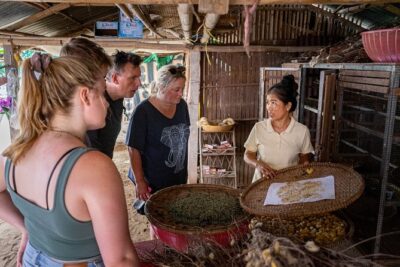
Phnom Penh Silk Island Bike Tour/ E-Bike or Tuk Tuk
Read our review →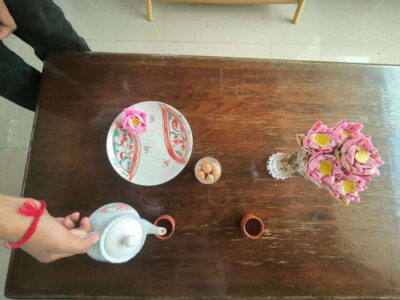
Siem Reap Lotus Silk Farm Discovery tour & Lake experience
Read our review →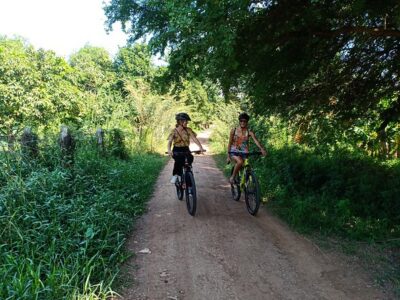
Silk Island Cycling Adventure & lunch with locals
Read our review →Phnom Penh to Silk Island By Tuk-Tuk with local Expert
Read our review →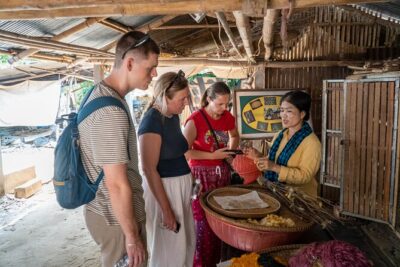
Phnom Penh Silk Island Vespa Tour / Tuk Tuk Available
Read our review →Mekong Silk Island Cruise – Unlimited Beer, Soft Drinks & Fresh Fruit Platter
Read our review →
Angkor Silk Farm & Lotus Silk Farm: Siem Reap Discovery Tour
Read our review →Browse the lists this tour appears in