Reviewed · SIEM REAP TOURS
Siem Reap: Grand circle tour Sun set on bakeang hill & Guide
Preah Khan’s long galleries, Ta Som’s tree-wrapped gate, and Phnom Bakheng’s hilltop sunset give this Grand Circle tour more character than a quick run through Angkor Wat. You visit six major temples, but the best part is the changing mood: carved stone, old reservoirs, jungle growth, sacred pools, then evening light over the plain.
I like the small-group feel and air-conditioned minibus, especially after hours in Cambodia’s heat. I also like the guides’ focus on meaning, not just names and dates. Guides such as Sam, Sary, Sayon, Vone, Sok, and Pip have been praised for clear explanations, humor, patience, and help with photographs.
The main drawback is the pace. Six temples in about eight hours is a full day, and you spend around an hour or more at nearly every stop. Lunch and the Angkor temple pass cost extra, so the $19 price is excellent but not the full cost of the outing.
Key points at a glance
- Six temples beyond Angkor Wat: Visit Pre Rup, East Mebon, Ta Som, Neak Pean, Preah Khan, and Phnom Bakheng in one carefully arranged day.
- A guide-led look at lesser-known Angkor: Learn how temples served royal, religious, ancestral, medical, and political purposes.
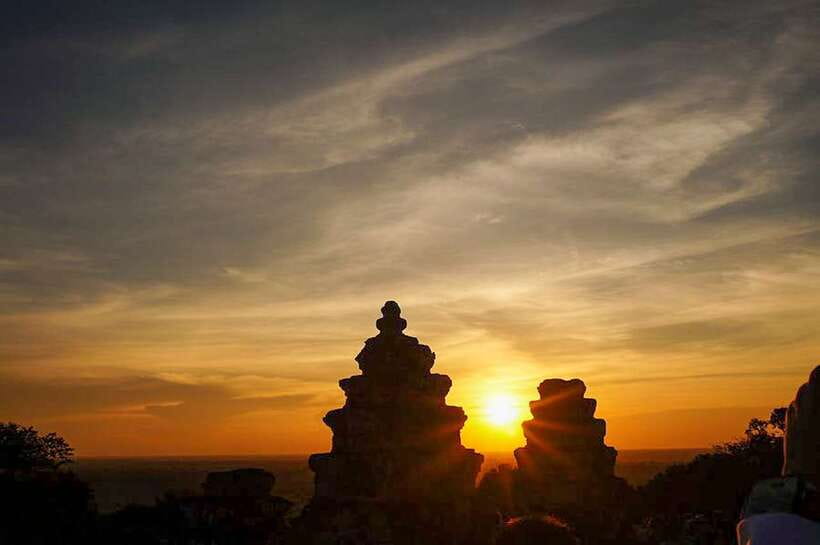
- Sunset at Phnom Bakheng: Finish at a hilltop Hindu and Buddhist temple with 33 towers linked to the heavens.
- Comfort between sites: Hotel pickup, an air-conditioned minibus, chilled bottled water, and wet towels are included.
- Strong guide element: Sam, Sary, Sayon, Vone, Sok, Pip, and others are noted for good explanations, kindness, organization, and humor.
- Good value with extra costs: The $19 tour includes transport and guiding, but you still need to buy the official temple pass and arrange food.
Why this Grand Circle route earns a full day
Many people come to Siem Reap for Angkor Wat and stop there. That is like visiting Paris only for the Eiffel Tower. The Grand Circle route takes you farther into the Angkor complex, where the monuments feel less like a single famous postcard and more like parts of a vast royal world.
You move from the 10th-century East Mebon to the later Preah Khan, seeing how temple design and purpose changed over time. Some stops are grand and formal. Others are atmospheric, with trees, quiet paths, and smaller carvings that reward a slower look.
The tour begins with pickup in Krong Siem Reap, normally about 30 minutes before the scheduled start. From there, the air-conditioned minibus gives you a useful break from the heat. That matters here. Even if the temples are your main reason for coming, you will appreciate every cool ride between them.
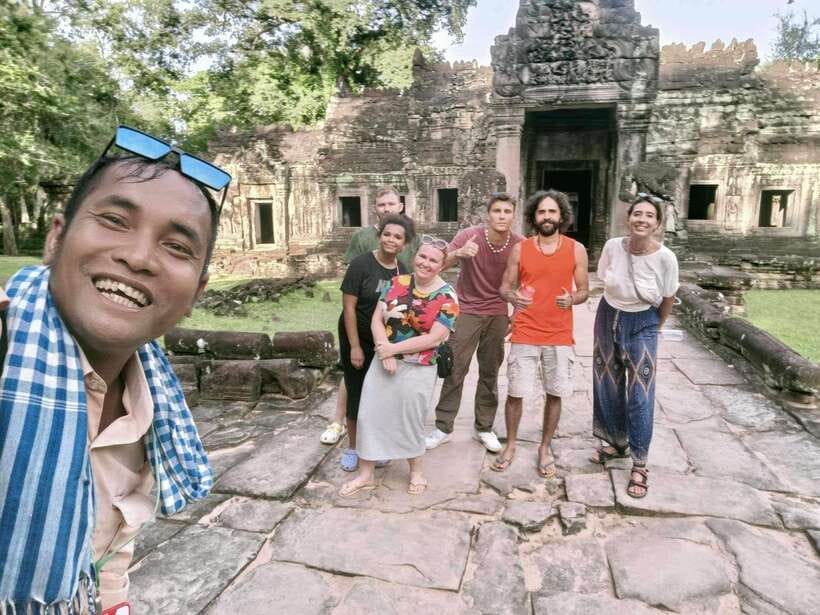
The route is guided in English. Several guides associated with this experience, including Sam, Sary, Sayon, Vone, Sok, and Pip, have been praised for explaining Cambodian culture and temple symbolism in plain terms. Some also help with photographs, which is useful at sites where the best angle is not always obvious.
A few more Siem Reap half-days to weigh up
- Angkor Wat Sunrise or Sunset Tour with Guide from Siem Reap
★ 5.0 · 12,109 reviews - Siem Reap: Angkor Wat: Small-Group Sunrise or Sunset Tour
★ 5.0 · 9,444 reviews - From Siem Reap: Kampong Phluk Floating Village Tour by Boat
★ 4.9 · 6,979 reviews
Pre Rup: a dramatic opening at Shiva’s temple
Pre Rup is a strong first stop because its brick towers and raised terraces immediately show you the mountain-temple style of Angkor. It was dedicated to Lord Shiva and built by a king for himself, giving the monument a personal and royal purpose.
Your guide can point out the temple’s upward design. You climb through several levels toward the central towers, and the structure feels more like a stone mountain than a conventional enclosed sanctuary.
Pre Rup is sometimes called a crematorium, but that label can mislead. A stone structure resembling a coffin was used by Hindus for meditation at the full moon. That detail gives the site a more human dimension. It was not simply a royal monument to admire. It was also a place tied to ritual and contemplation.
Allow about an hour here. Wear shoes with a good grip, since the stone steps and terraces require care. This is an active start to the day, so do not burn all your energy on the first climb.
East Mebon and the vanished reservoir
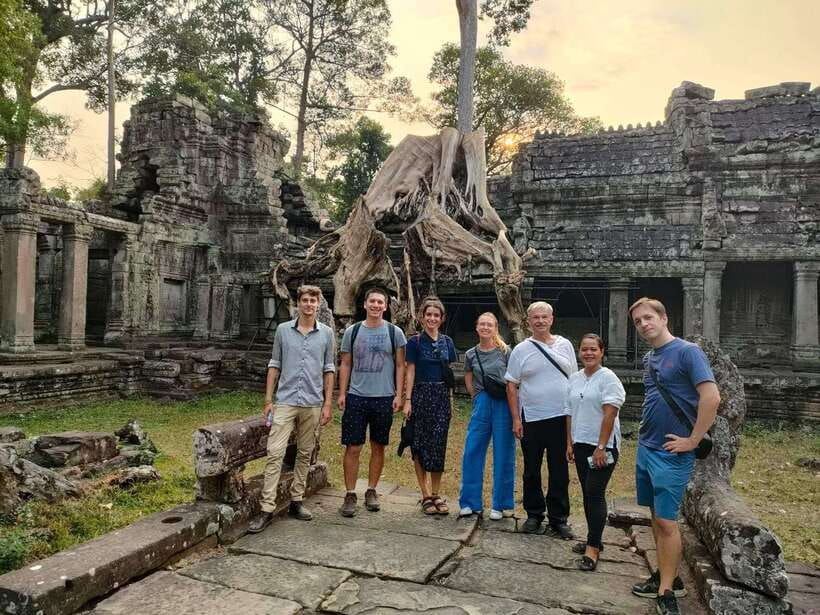
East Mebon was built for the ancestors and dates as early as the 10th century. Its original setting was especially striking: the temple once stood in the middle of a large reservoir.
Today, the water is gone, so it can be hard to picture the temple as an island. This is where a guide adds real value. Without that explanation, you may see only another raised temple. With it, you begin to understand how Angkor’s rulers used water engineering to shape both daily life and royal display.
The temple has a compact, balanced layout, with towers, galleries, and guardian figures. Look closely rather than rushing toward the center. The smaller details help explain how the builders combined religious symbols with protection and ceremony.
The one limitation is that East Mebon may feel less immediately dramatic than Preah Khan or Phnom Bakheng. Its appeal grows when you understand the reservoir that once surrounded it. Give it an hour and let the setting take shape in your mind.
Ta Som: quiet carvings and the famous tree
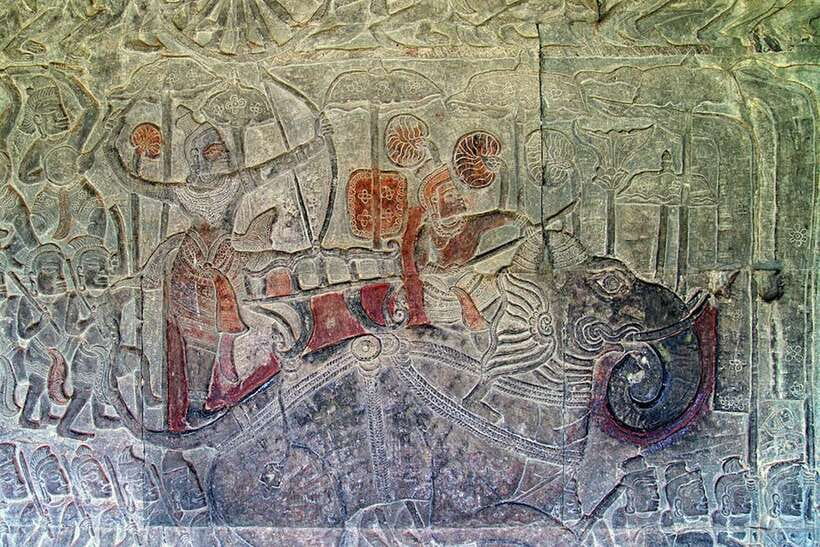
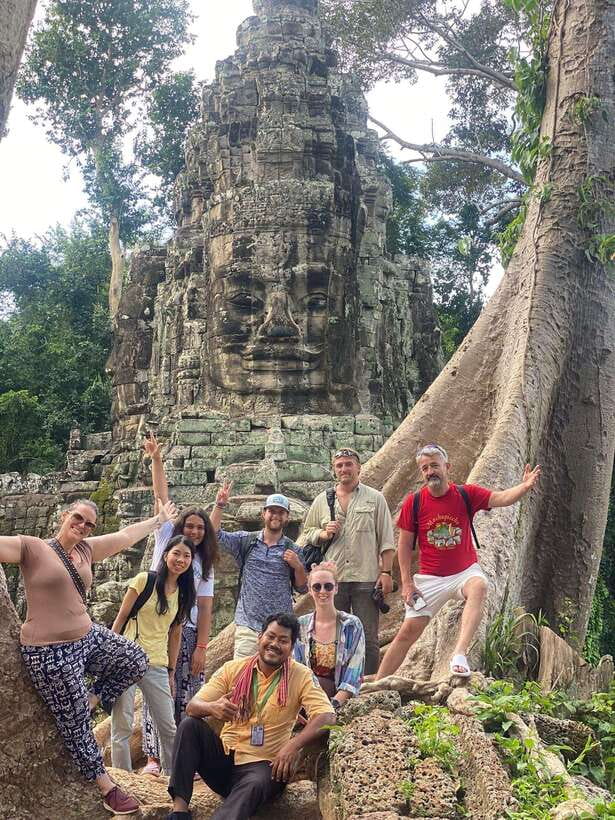
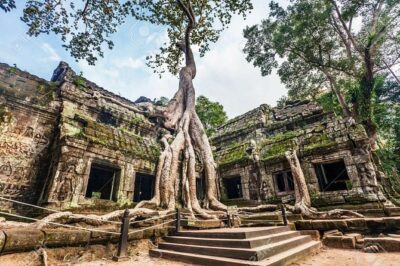
Ta Som is one of the more charming stops on the route. Its east gate is wrapped in a large tree, creating the kind of scene that photographers naturally seek. The roots and stone frame each other, making the temple feel part of the surrounding woodland rather than completely separate from it.
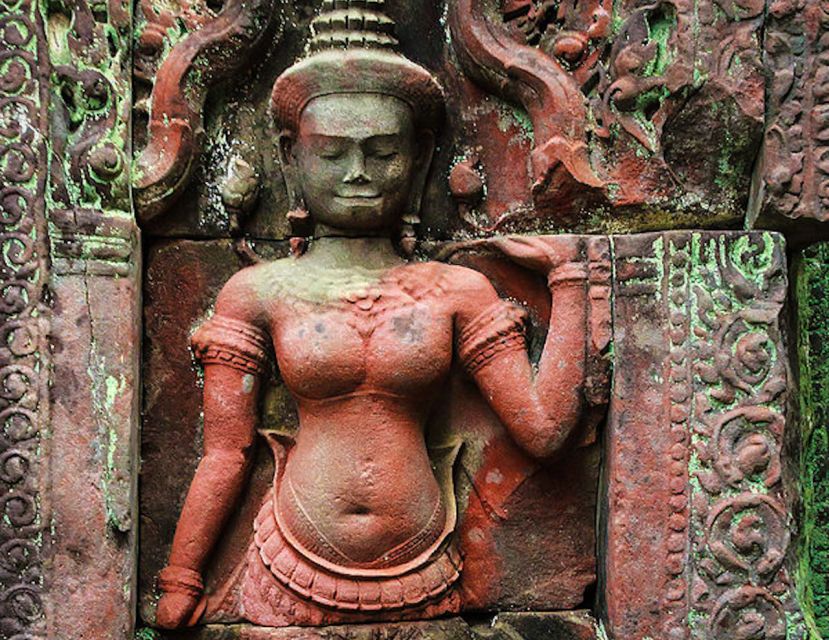
The temple was built for the king’s sister. Its carvings include many dancing figures with long hair, giving the walls a lighter and more graceful character than the heavy stone faces found elsewhere in Angkor.
Ta Som has been carefully restored, but it still retains a sense of age and stillness. I like that balance. You can see enough of the original form to understand the building, while the remaining vegetation keeps it from feeling too polished.
Plan on an hour. Take time at the east gate, but do not stop there. Walk through the structure and look for the dancers and smaller carved details. A guide such as Vone or Sayon can help you read these scenes instead of treating the temple as a backdrop for one photograph.
A completely different sort of day from the same base:
- Sunset tour of Kampong Phluk stilts home village on the Tonle Sap
★ 5.0 · 4,865 reviews - Siem Reap: Angkor Wat 2-Day Tour with Sunrise and Sunset
★ 4.9 · 4,429 reviews - Siem Reap: Kampong Phluk Floating Village Tour with Boat
★ 4.9 · 3,843 reviews - Siem Reap: Full-Day Angkor Wat Guided Tour with Sunset
★ 4.9 · 3,803 reviews
Neak Pean: a sacred island of healing water
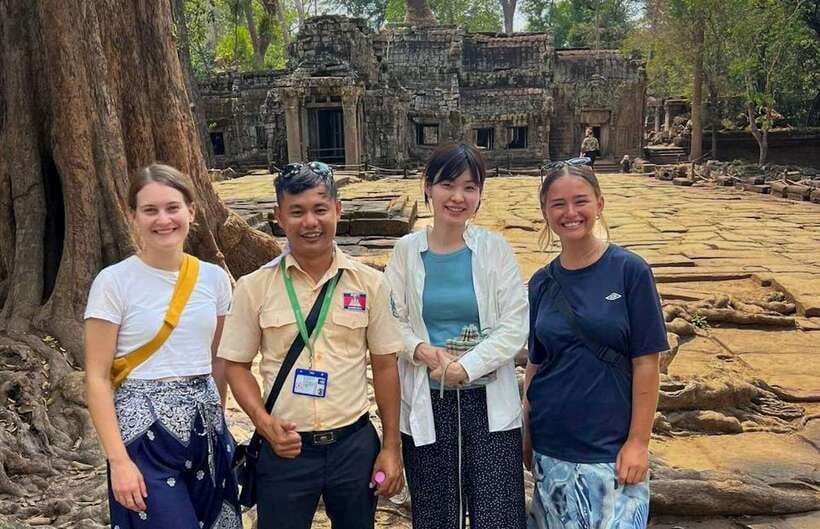
Neak Pean is different from the other temples because water is central to its design. The temple sits on an island, reached by a raised walkway across the surrounding area.
In the Angkor period, the water around Neak Pean was used for bathing and health. The pools represent the elements and the forces needed for balance. The supplied description refers to four pools as representing water, earth, fire, and water, although visitors should ask their guide to clarify the symbolism as it is explained on site.
You have about an hour for the guided visit, followed by another hour marked as break time. That pause is important. By this point, you have already visited three temples, and the day is still far from over. Use it to rest, drink water, and eat if you have brought food or are ready to purchase lunch.
Neak Pean is more about setting and idea than climbing. The raised path lets you take in the island temple and pools from a distance, while your guide explains their purpose. The drawback is that the site can feel less substantial if you expect another large temple complex. It works best as a thoughtful change of pace.
The midday break and what to budget
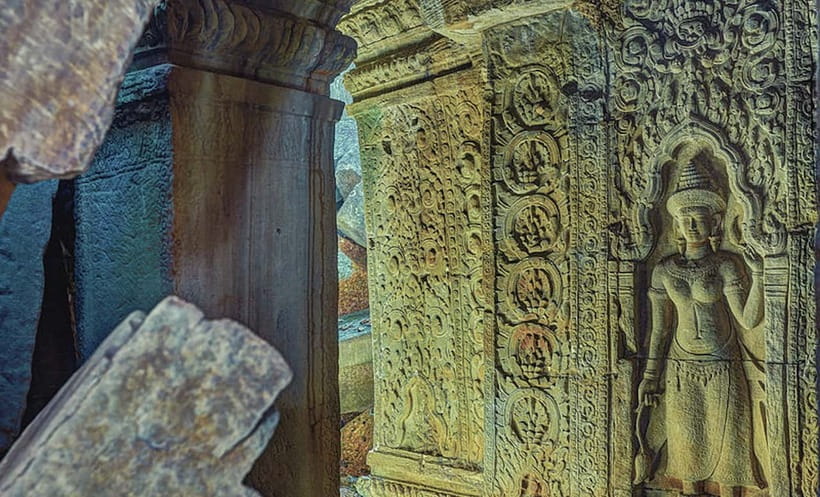
Food is not included. The schedule provides a break at Neak Pean, and the tour may take you to a restaurant around the middle of the day. One account places lunch at about 2 p.m., but timing can vary with the day’s pace.
Bring enough money for food and drinks, and do not mistake the included bottled water for a full meal plan. Chilled water and a wet towel are supplied, which are small but welcome comforts in the tropical heat.
The Angkor temple pass is also separate. Buy it through the official Angkor Enterprise website before the tour or arrange it according to the operator’s instructions. The $19 cost covers the service around the pass, not entry to the archaeological park.
Preah Khan: the largest and most layered stop
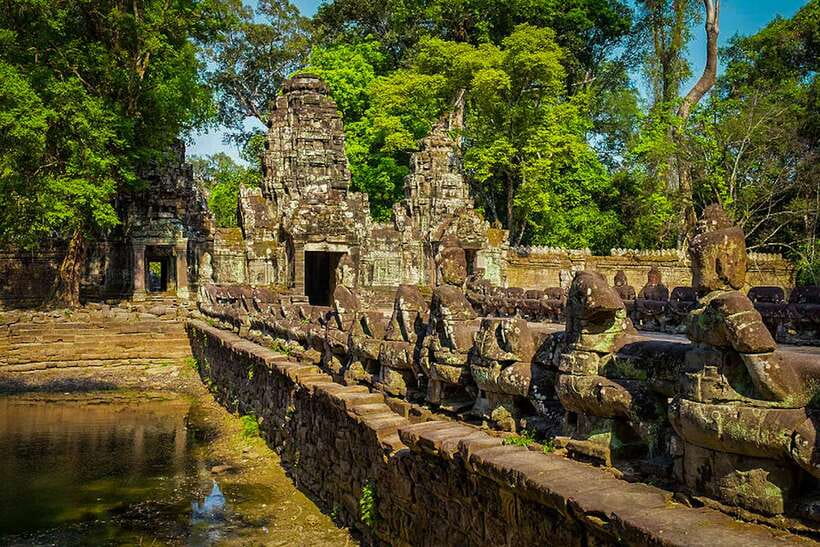
Preah Khan is the biggest temple on this loop and deserves the tour’s longest guided visit, about an hour and a half. King Jayavarman VII built it for his father, and the scale reflects its importance.
This is the stop where you can best appreciate long corridors, courtyards, towers, and carved figures as parts of one large religious and royal complex. The name means Sacred Sword, a useful reminder that the monument was tied to power as well as worship.
Preah Khan rewards patient exploration. You pass through changing spaces rather than seeing everything from one central viewpoint. The long galleries can feel almost maze-like, so stay aware of where the guide is standing and use the free time wisely.
This is also a good place to ask questions. A well-prepared guide can explain how a temple could serve several roles at once, linking the king, the gods, ancestors, ceremony, and the wider city around it.
The drawback is simple: after several hours on foot, Preah Khan can feel tiring. That is not a reason to skip it. It is a reason to pace yourself earlier in the day. Drink water at every stop and do not treat every staircase as a challenge.
Phnom Bakheng: ending with sunset on the hill
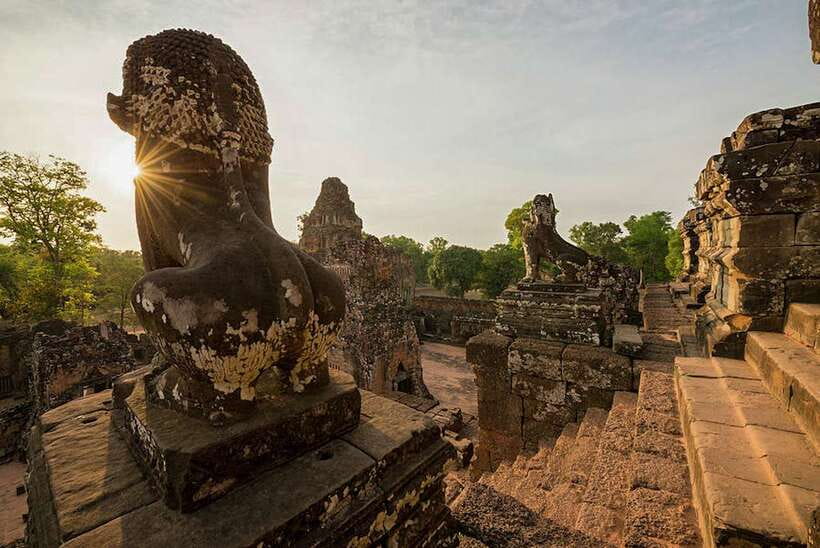
The final temple is Phnom Bakheng, a Hindu and Buddhist temple built on a hill. Its 33 towers represent the heavens, and the elevated position gives you a wider view than the other stops on the route.
The sunset is the day’s visual payoff. You climb to the temple area, find a suitable place, and watch the light change over the surrounding plain. The exact quality of the sunset depends on clouds and weather, of course, but the hilltop setting gives the final stop a clear sense of occasion.
The visit is scheduled for about an hour and a half, so you are not simply dropped off for a rushed photograph. Your guide can explain the temple’s symbolism while also helping you find good photo positions. Guides such as Pip have been praised for taking photographs throughout the day, and that kind of practical help is useful here.
Phnom Bakheng also brings the day’s physical demands into focus. It is on a hill, and the climb comes after five temples. Comfortable shoes are essential. If you need a slower pace, tell the guide early rather than waiting until the final stop.
Transport, group size, and guide quality
The air-conditioned minibus is one of the tour’s strongest practical features. Pickup and drop-off at your accommodation remove the need to arrange separate transport, and the 30-minute collection window gives the driver time to gather the group.
The vehicle is not the destination, but it shapes the day. You can cool down between temples, keep your water nearby, and avoid spending the whole day exposed to the sun. A wet towel is provided as well.
A private group is available if you want more control over the pace. Otherwise, expect a shared tour format, with the exact group size dependent on bookings. A small group is especially helpful at Preah Khan and Ta Som, where it is easier to hear explanations and stay together.
The guides are the main reason to choose this outing over hiring transport alone. The best-known names connected with the tour include Sam, Sary, Sayon, Vone, Sok, Pip, Tom, Narith, John, and Sina. Individual assignments can change, so you cannot assume a specific guide unless the booking arrangement confirms it.
What you can expect is an English-speaking guide who explains temple history, Cambodian culture, symbolism, and local context. The strongest guiding style combines facts with a sense of humor. That makes a long day easier, especially when the group is tired.
Dress, equipment, and daily comfort
The temple complex is a religious and cultural place, so dress modestly. Shorts, short skirts, and sleeveless shirts are not allowed. Choose light clothing that covers your shoulders and knees while still working in hot weather.
Bring comfortable shoes, sunscreen, sunglasses, and a charged smartphone. The phone is useful for photographs, but also for keeping track of meeting points and staying in touch with your group if needed.
Alcohol and drugs are not allowed. The tour is not suitable for people over 95 years old, according to the activity restrictions.
The day includes a lot of walking and several hours of temple exploration. You do not need to be an athlete, but you should be comfortable standing, walking, and handling uneven stone surfaces for much of the day.
Is $19 good value?
At $19 per person, this is a strong deal for a full day of transport and guiding. You receive hotel pickup and drop-off, an air-conditioned minibus, an English-speaking guide, chilled bottled water, a wet towel, and visits to six temples.
The price becomes even more useful if you want context. Hiring transport without a guide may get you to the monuments, but it will not necessarily explain why East Mebon was once surrounded by water, why Neak Pean was linked to health, or why Phnom Bakheng’s towers represent the heavens.
Still, budget for the temple pass, lunch, and drinks. Those extras are not minor details when you are comparing the total cost of different day tours.
The route also gives you good use of time. You do not spend the whole day at one monument, and you avoid limiting your Angkor visit to the most famous temple. For a first or second day in Siem Reap, that range is valuable.
Should you book this sunset Grand Circle tour?
Book it if you want to see more of Angkor than the headline attraction, prefer having history and symbolism explained, and like the convenience of hotel pickup. It is also a good choice if you want a sunset finish without arranging several separate rides.
This tour suits people who enjoy a full day with a clear route and regular guided stops. It is especially useful for first-time visitors who want help making sense of a huge archaeological area.
Think twice if you dislike fixed schedules, struggle with a long day of walking, or want to spend several quiet hours at one temple. The six-stop plan gives you variety, but it leaves limited time for lingering.
For most visitors with one available day beyond Angkor Wat, I would book it. Just wear proper clothing, buy the temple pass separately, carry money for lunch, and save some energy for the hill at Phnom Bakheng.
FAQ
How long does the Grand Circle tour last?
The tour duration is about 8 hours, including transportation between Krong Siem Reap and the temples.
Which temples are included?
You visit Pre Rup, East Mebon Temple, Ta Som Temple, Neak Pean, Preah Khan, and Phnom Bakheng.
Is Angkor Wat included in this tour?
Angkor Wat itself is not listed as a stop. This route focuses on six other temples within the Angkor complex.
Is hotel pickup included?
Yes. Pickup and drop-off at accommodations in Krong Siem Reap are included. The driver collects you about 30 minutes before the scheduled start.
Is transportation air-conditioned?
Yes. The tour uses an air-conditioned minibus.
Is a guide included?
Yes. An English-speaking live guide is included. Named guides associated with this experience include Sam, Sary, Sayon, Vone, Sok, and Pip, but a specific guide is not guaranteed unless confirmed at booking.
Is the temple pass included in the $19 price?
No. The temple pass is separate. The official purchase website provided for the pass is angkorenterprise.gov.kh.
Is lunch included?
No. Food and drinks are not included. A break is scheduled during the day, and you should budget separately for lunch and any additional drinks.
What should I wear?
Wear comfortable shoes and clothing that covers your shoulders and knees. Shorts, short skirts, and sleeveless shirts are not allowed.
Can I book a private group?
Yes. A private-group option is available.
New around Siem Reap
- Kulen Mountain With Ticket included Plus Banteay Srei Temple Tour★ 5.0 · 7 reviews
- 2 Days Angkor temples with Sunrise & Sunset★ 5.0 · 7 reviews
- Private Siem Reap Airport Transfer to hotel in town★ 5.0 · 7 reviews
- 1-Day private Angkor Temple Tour with Sun Rise by Tuk Tuk from Siem Reap★ 4.5 · 7 reviews
- Siem Reap: Morning Cooking Class & Market Tour★ 5.0 · 7 reviews
- Kulen Mountain, Killing Fields and War Museum Tour★ 5.0 · 7 reviews
- War Museum, Killing Field, and APOPO Hero RATs Tour★ 5.0 · 7 reviews
- Half-Day: Silk Farm, Senteur Angkor, and Satcha Workshop★ 4.6 · 7 reviews
Siem Reap Tours, compared.
Angkor Wat Sunrise or Sunset Tour with Guide from Siem Reap
Read our review →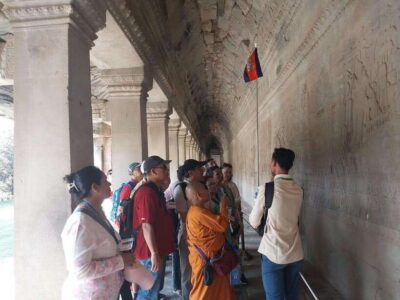
Angkor Wat: Small-Group Sunrise or Sunset Tour
Read our review →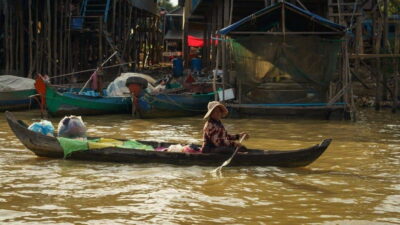
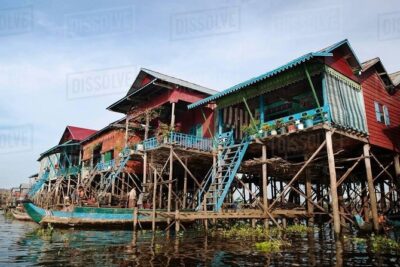
Sunset tour of Kampong Phluk stilts home village on the Tonle Sap
Read our review →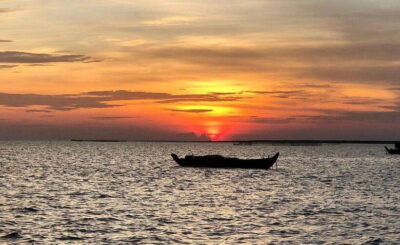
Kampong Phluk Floating Village Tour with Boat
Read our review →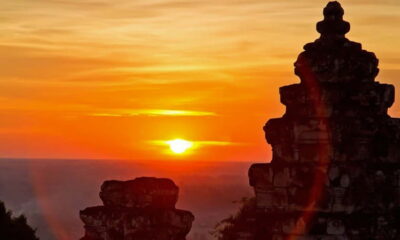
Angkor Wat Sunrise tour with Small – Group and Guide tours
Read our review →